Overall impression Bear Creek Nursing Center elicits strongly polarized impressions. Many families and former residents describe high-quality, rehabilitation-focused care delivered in a clean, bright environment with an active social program and hands-on administration. At the same time, a subset of accounts raises serious operational and clinical concerns that warrant careful inquiry by prospective residents and families.
Care quality and clinical services Clinical strengths are prominent in the reviews: nursing staff, CNAs, and therapy teams (physical, occupational, and speech) are frequently described as skilled, motivating, and effective in improving mobility and function. Several families praised daily therapy schedules, measurable progress notes, and attentive pain management. However, there are recurring concerns about medication-administration practices and documentation inconsistencies, plus a number of reports describing delays in clinical response that, in some cases, led to emergency transfers. These mixed findings suggest a generally strong rehabilitation program paired with potential variability in day-to-day clinical reliability.
Staffing, conduct, and management Staffing and staff conduct are both areas of strength and of concern. Numerous reviews praise compassionate, family-oriented caregivers, supportive administrators, and visible leadership that rounds with residents. Named staff and administrators receive positive mentions for advocacy and coordination. Conversely, other accounts describe understaffing, rushed shifts, lapses in responsiveness, and instances of unprofessional or discourteous conduct. Administrative processes are likewise mixed: some families report helpful, proactive assistance (including Medicaid support), while others report problems with admissions paperwork, billing, refunds, and an expectation of upfront payment prior to benefits approval.
Dining, activities, and social environment Activities programming is a consistent positive for many reviewers: daily events, outings, crafts, music, pet visits, and social dining are cited as improving resident well‑being. Housekeeping and room upkeep are commonly praised, and the facility’s common areas and outdoor seating are frequently described as pleasant and well kept. Dining receives more mixed feedback — several families find meals appetizing and accommodating to dietary needs, while others report inconsistent food quality, taste issues, and occasional problems with meal timing or items running out.
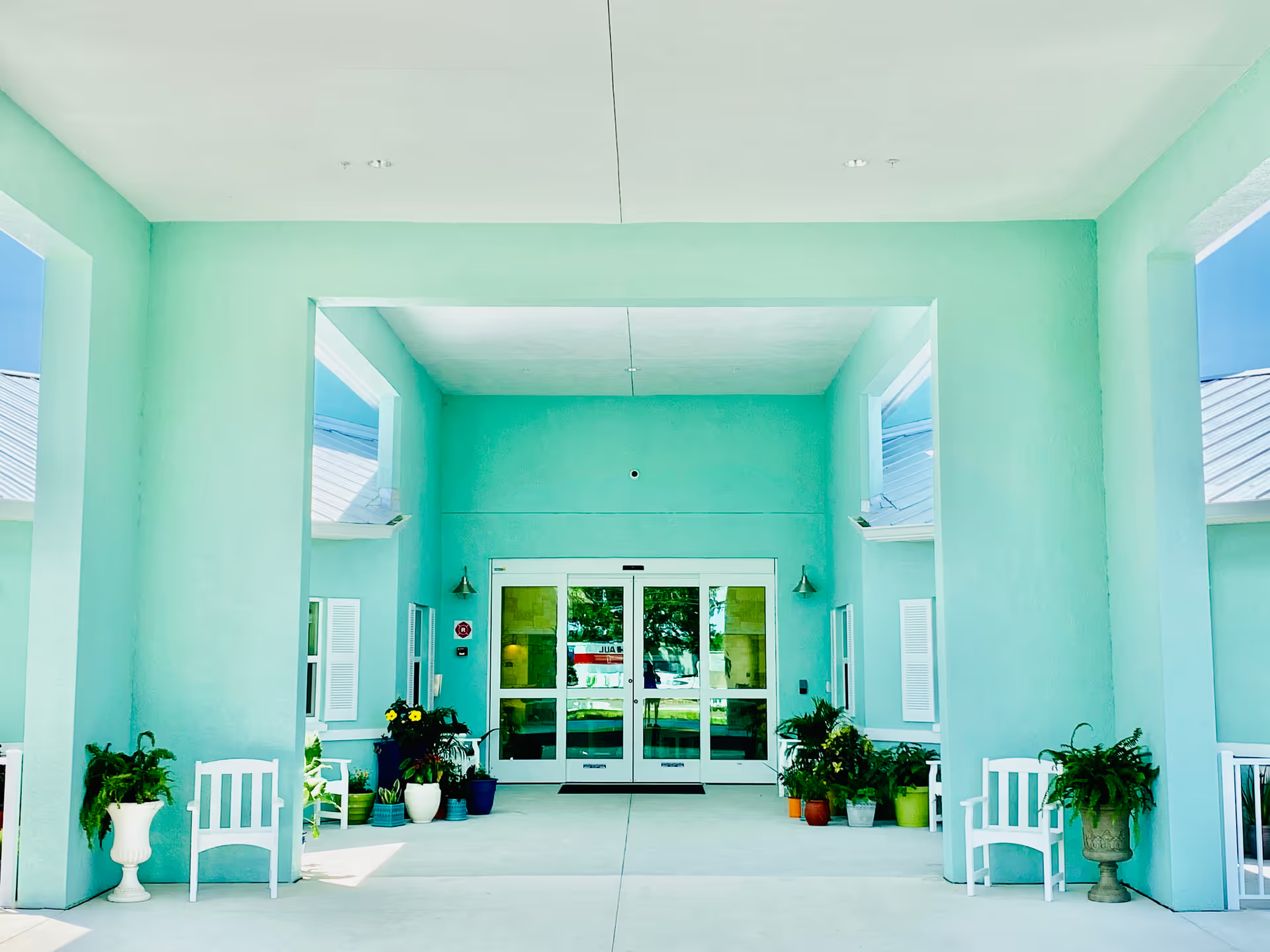
Facilities and safety Physical plant features—clean rooms, bright communal spaces, garden/outdoor seating, and private/semi-private room options—are recurrently commended. Still, there are reports pointing to maintenance and safety gaps, including equipment-functionality concerns (e.g., lifts or mobility aids) and issues around transfer practices. Some reviewers also raised sanitation or pest-control concerns in specific instances. Together, these indicate that while the facility is often well maintained, quality can vary across units or shifts.
Notable patterns and practical advice The overall pattern is one of high praise for therapy, many frontline caregivers, and an engaging social environment, coupled with intermittent but significant operational problems: inconsistent staffing, variable medication and documentation practices, communication lapses, and administrative/billing inconsistencies. There are also a small number of more serious allegations related to billing and conduct; those warrant direct discussion with facility leadership and, if appropriate, review of documentation.
For prospective residents and families Given the mixed but actionable feedback, prospective families should visit in person, observe staffing levels on different shifts, ask for written policies on medication administration and incident reporting, request recent inspection or survey results, and clarify admissions and billing practices (including any upfront payments and refund procedures). Ask about maintenance schedules for lifting and mobility equipment, sample activity calendars, and how the facility communicates during clinical incidents or infection-control events. These focused questions will help determine whether the facility’s strengths align with a specific resident’s clinical and social needs while identifying any operational risk areas that need mitigation.