Overall impression: Reviews describe Brookwood as a small, clean facility that delivers individualized, compassionate care for many residents. Strengths that recur include long‑tenured and attentive staff, private rooms with a home‑like atmosphere, and coordinated end‑of‑life support. The facility’s size and staffing model are cited as enabling one‑on‑one attention and strong staff–resident relationships.
Care and staff: Many accounts highlight personalized care delivered with kindness and respect; reviewers note reliable medication administration, frequent toileting assistance, twice‑weekly bathing, and proactive coordination with hospice when needed. Staff names were often mentioned positively, which suggests strong person‑level relationships and continuity. At the same time, there is evidence of variability in staff conduct and responsiveness: some families experienced unhelpful interactions, perceived attitude issues, or confusion among staff. These comments point to uneven professionalism across shifts or individual employees rather than a universal operating practice.
Dining, therapies, and activities: Brookwood offers home‑cooked, balanced meals with efforts to tailor plates to resident preferences, and provides therapies such as speech and physical therapy. Recreational programming includes crafts, bingo, and social events (for example, ice cream socials). While several families praised meal quality and therapeutic services, others described meals as merely acceptable, indicating variable dining satisfaction that prospective families may want to evaluate in person.
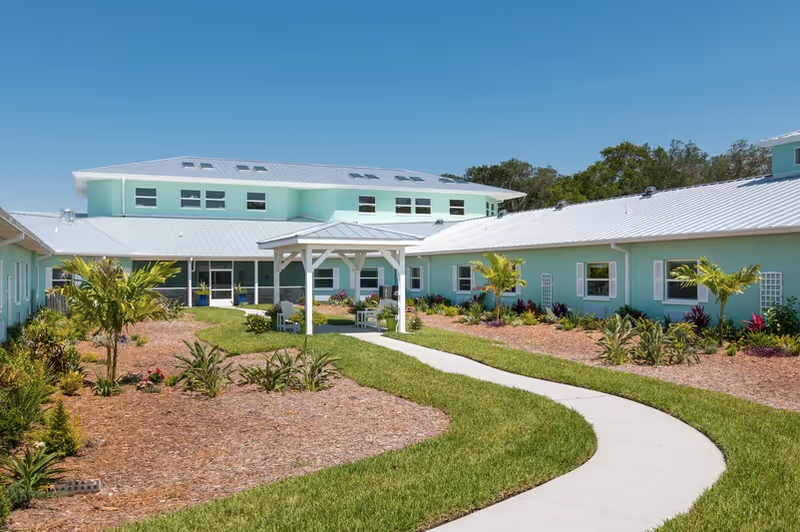
Facilities and operations: The physical environment is consistently described as clean and well maintained, with private rooms and a location advantage near Bear Creek. Administrative elements receive mixed feedback: many reviewers praised organized management, clear family communication, and affordability, but others reported confusion during the admissions process and poor phone handling. These operational gaps appear concentrated around intake and front‑line communication. Additionally, a recurring operational theme is limited evening staffing, which some families felt reduced responsiveness during later hours.
Notable patterns and guidance: The dominant pattern is one of strong, relationship‑based care delivered in a small, well‑kept community, tempered by occasional operational inconsistencies—particularly in staff professionalism, admissions communication, and evening coverage. Prospective families should consider visiting during different shifts, asking specific questions about evening staffing levels, admission procedures, and communication protocols, and observing staff–resident interactions to confirm fit with their expectations.