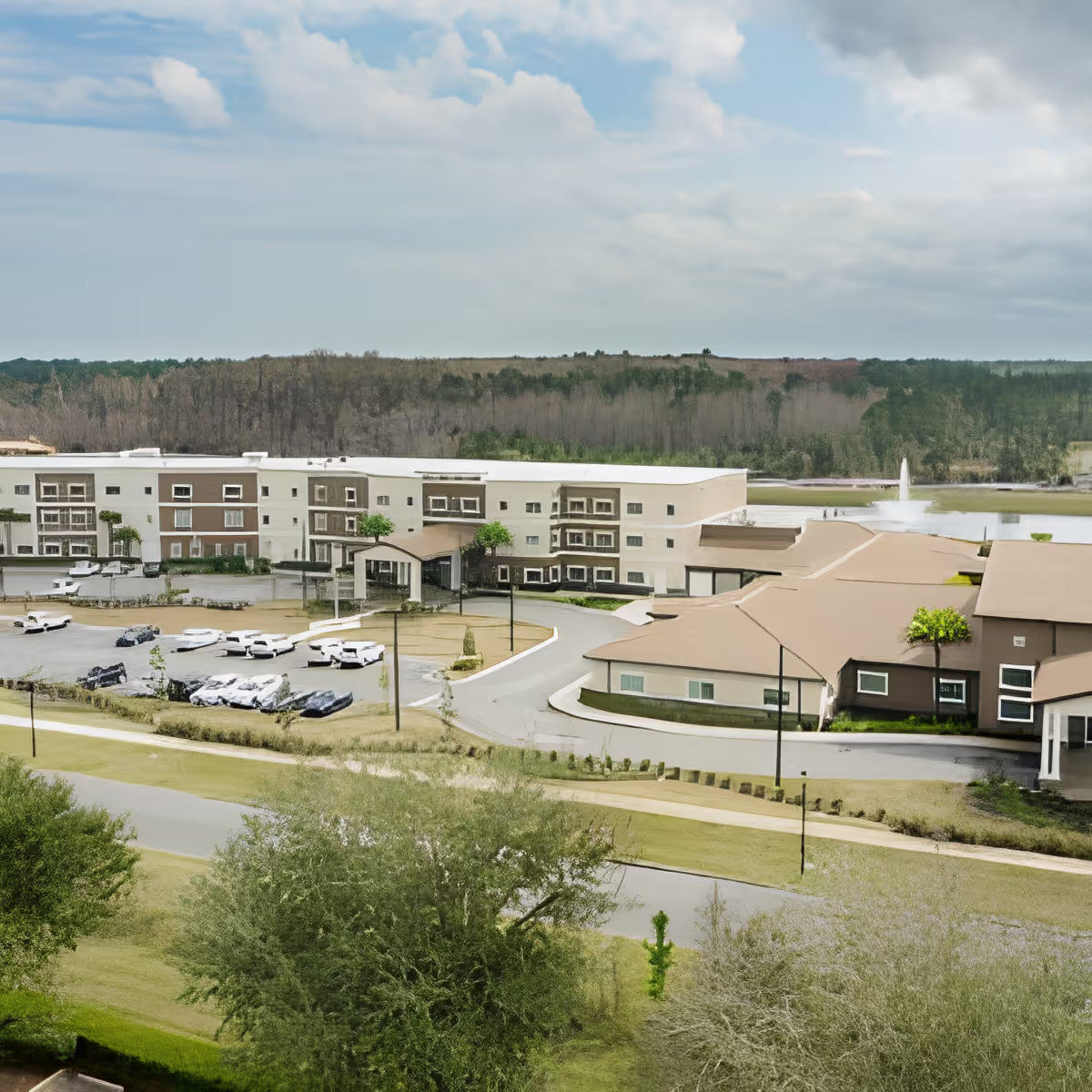
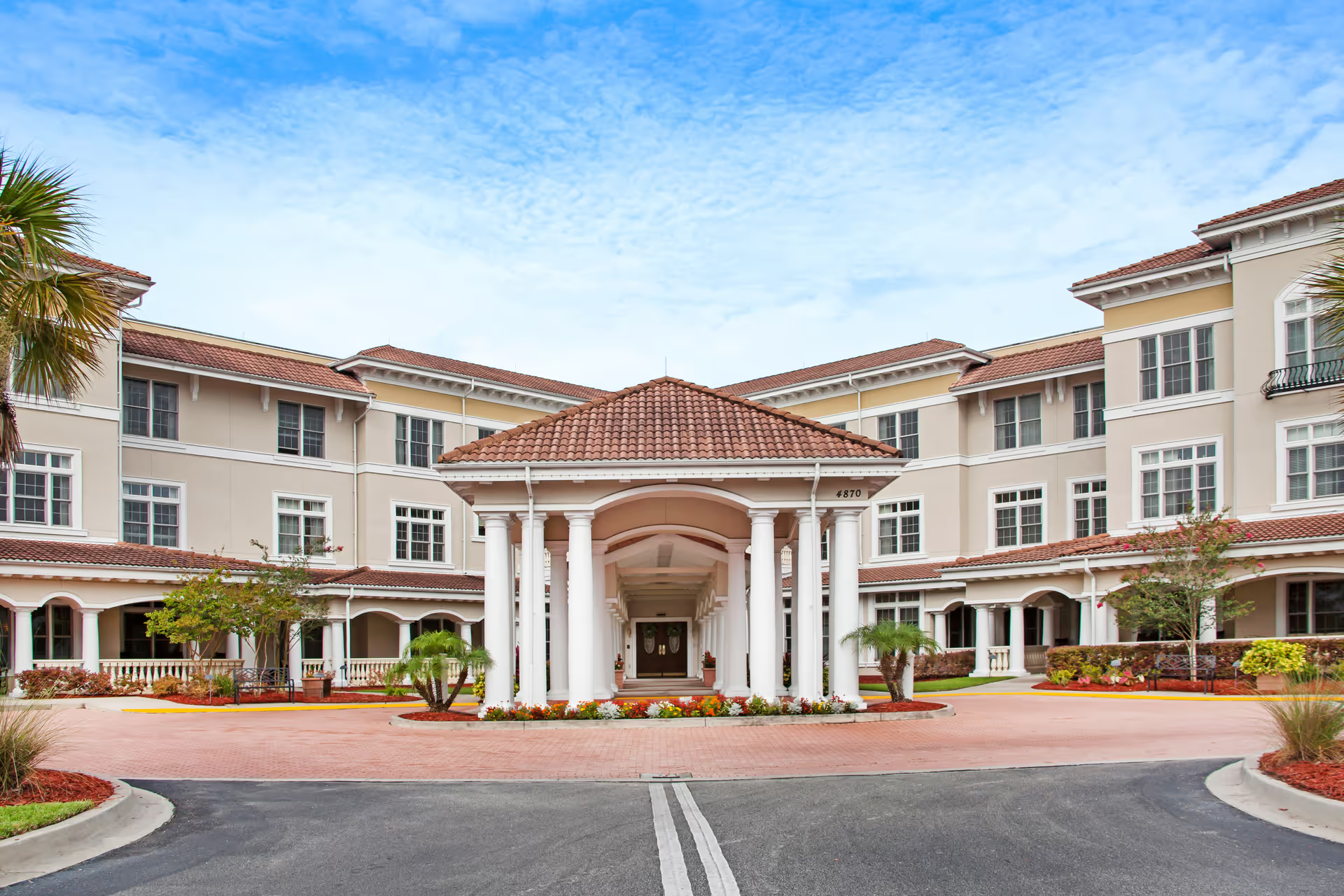
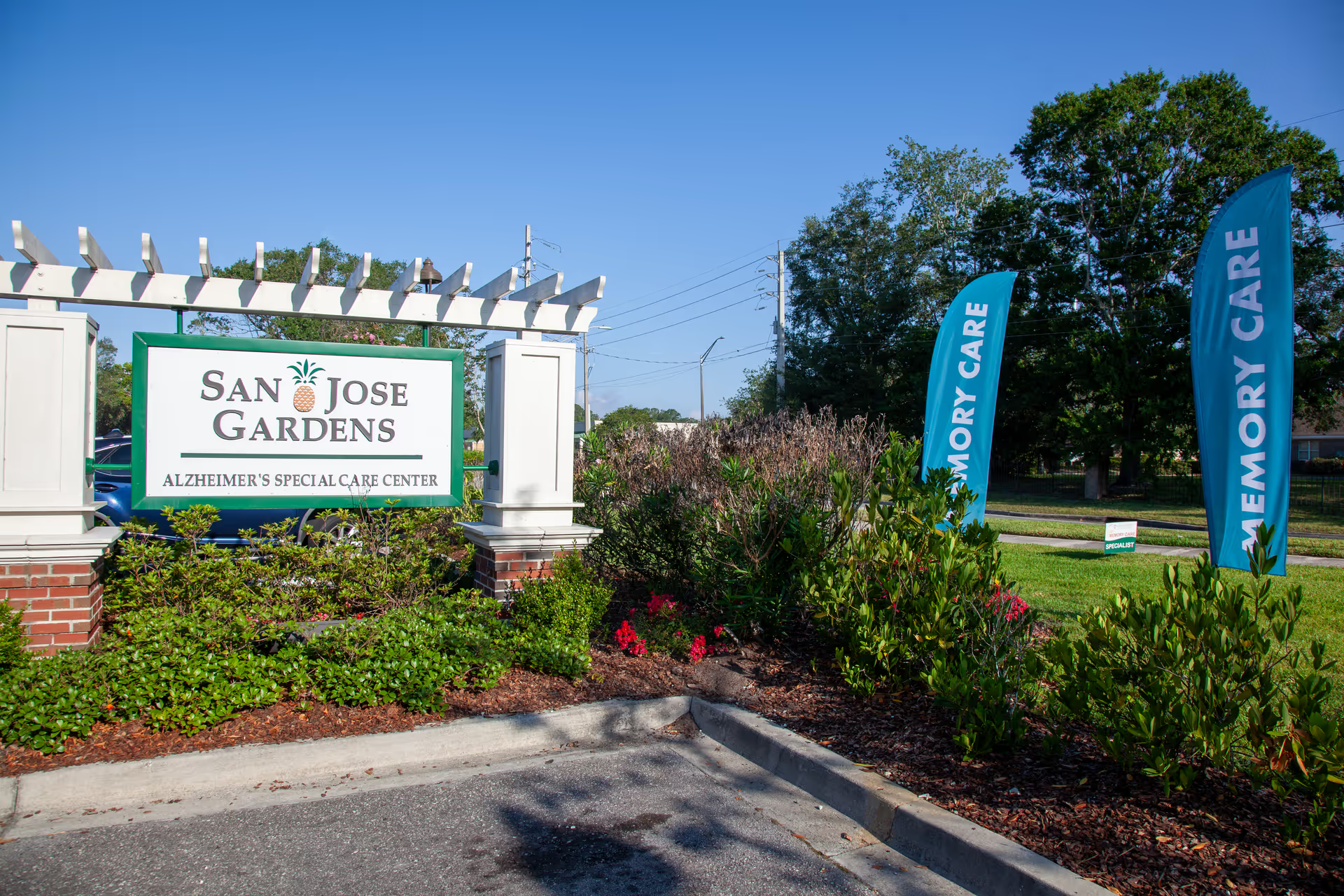
Fountains at Mill Cove is a large, campus-style senior living community offering independent living, assisted living, memory care, and skilled nursing and rehabilitation services. Experiences vary considerably by resident and care setting. Many residents and families describe a welcoming, home-like atmosphere, friendly staff, and a strong sense of community. Other families, particularly those discussing higher-acuity or rehabilitation care, describe inconsistent attention and clinical coordination. The reviews therefore suggest that service quality may depend on the resident’s needs, unit, staffing level, and time of day; prospective families should assess the specific care area rather than relying only on impressions of the broader campus.
Staff warmth is one of the most consistent strengths in positive accounts. Families often describe employees as approachable, helpful, and familiar with residents, and several praise admissions staff, nurses, aides, therapists, dining employees, and activity staff. At the same time, recurring concerns include staffing levels, delayed responses to call systems, difficulty reaching nurses or managers, and limited follow-up after families raise questions. Clinical-care concerns include medication delays or discrepancies, inconsistent monitoring and physician involvement, and gaps in personal care. Rehabilitation experiences are mixed: some residents praise therapy and describe progress, while others report late evaluations, limited therapy availability, or concerns about discharge planning. One family also described concerns following a resident’s death, including delayed notification and questions about personal belongings; this is an individual account that families may wish to discuss directly with management.
Dining feedback is mixed. Some residents and families praise the food, variety, restaurant-style service, and opportunities to discuss menus with dining staff. Others find meals bland, repetitive, or unsatisfactory. A recurring concern is whether prescribed diets—such as diabetic, renal, or low-sodium diets—are consistently accommodated. Families should confirm how dietary orders are documented, implemented, and reviewed, especially when a resident has complex health needs.
Activities and social opportunities are a notable strength in many accounts. Reviews describe crafts, bingo, music, religious services, gardening, exercise, pet-related activities, shopping trips, scenic outings, and seasonal events. Transportation is valued, although its availability may be limited by distance, scheduling, or destination. Residents commonly mention making friends and enjoying the community atmosphere; some visitors, however, find the campus large or less engaging for a particular resident’s interests or mobility needs.
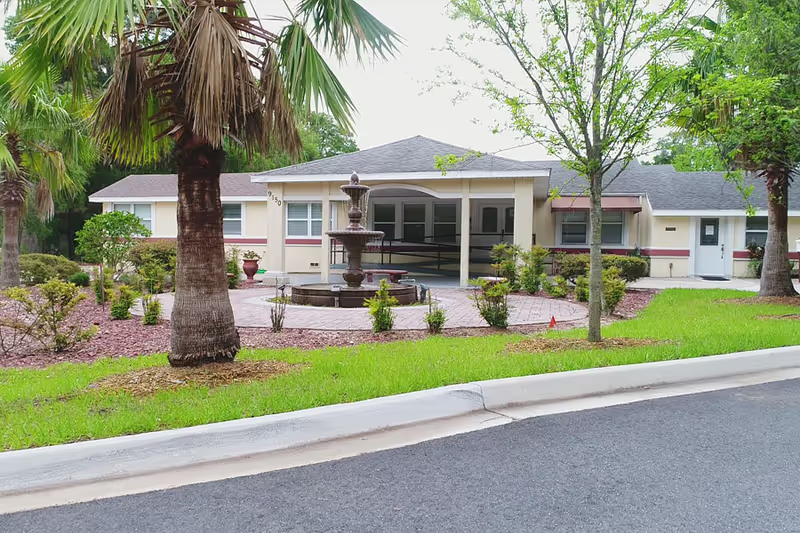
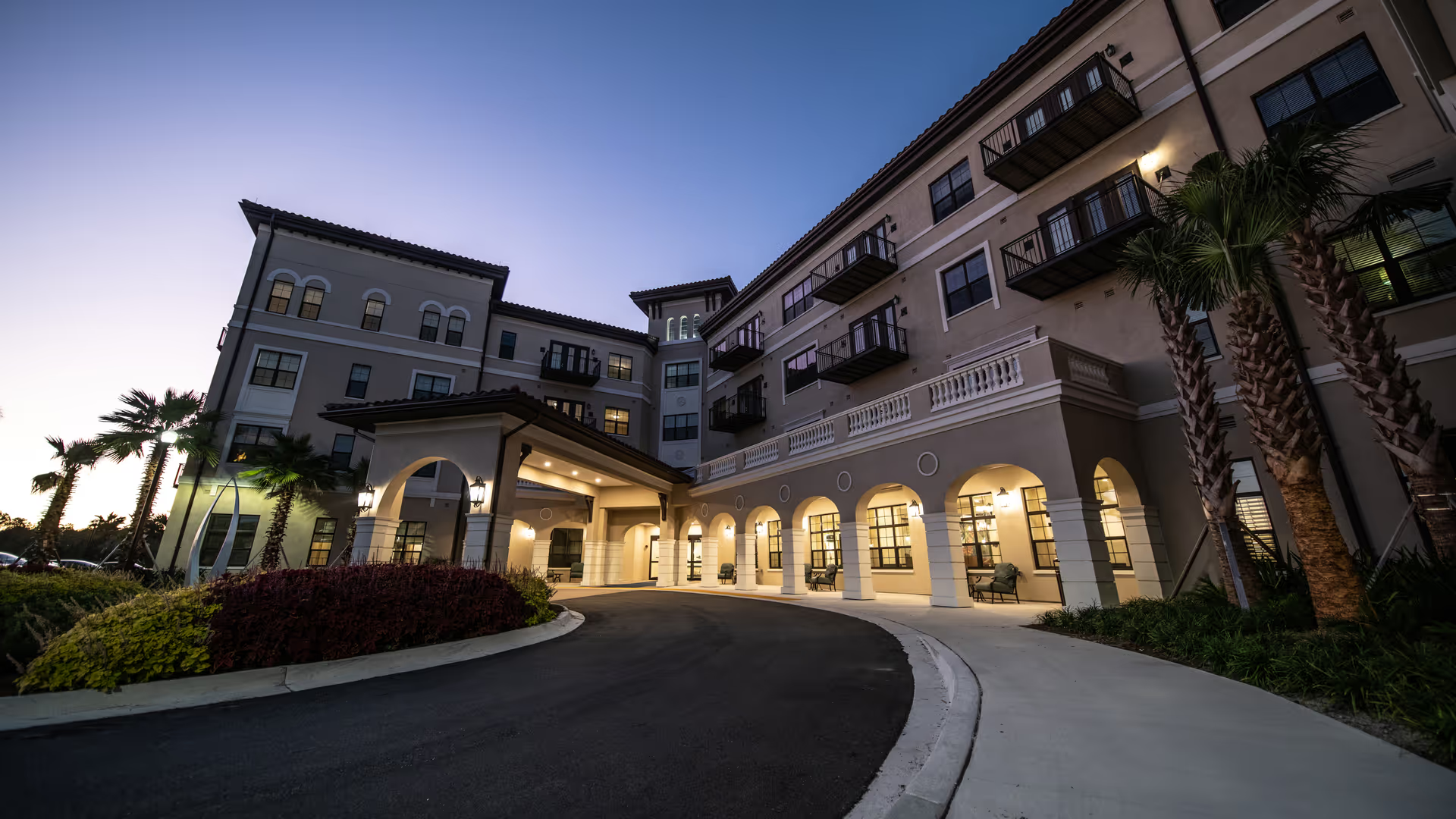
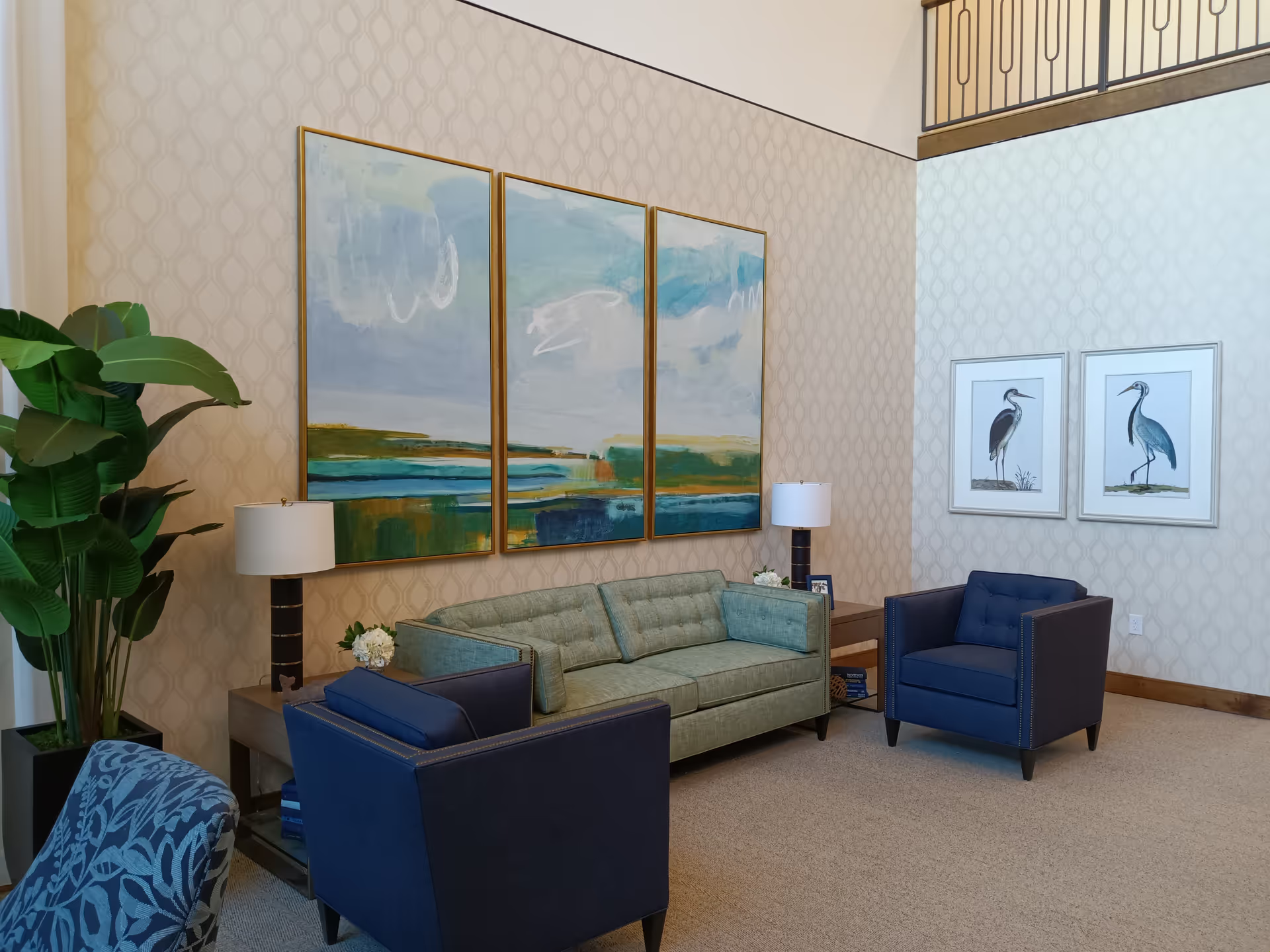
The grounds, atrium, courtyards, water features, and walking areas are frequently praised, and residents often appreciate the spacious apartments, patios, and balconies. The property is also described as older, with reports of dated furnishings, maintenance delays, and areas needing renovation or more consistent housekeeping. Some accounts raise pest-control or cleanliness concerns. Security feedback is also mixed: families have questioned memory-care access controls, while ground-floor residents have objected to restrictions on patio doors and windows. Fees and value vary by family, with some finding the community affordable and others raising concerns about increases, billing, or insurance documentation. Before choosing the facility, families may want to tour the intended care unit, speak with staff responsible for clinical care and administration, and clarify staffing, response procedures, diet accommodations, security arrangements, transportation limits, and the full cost of services.