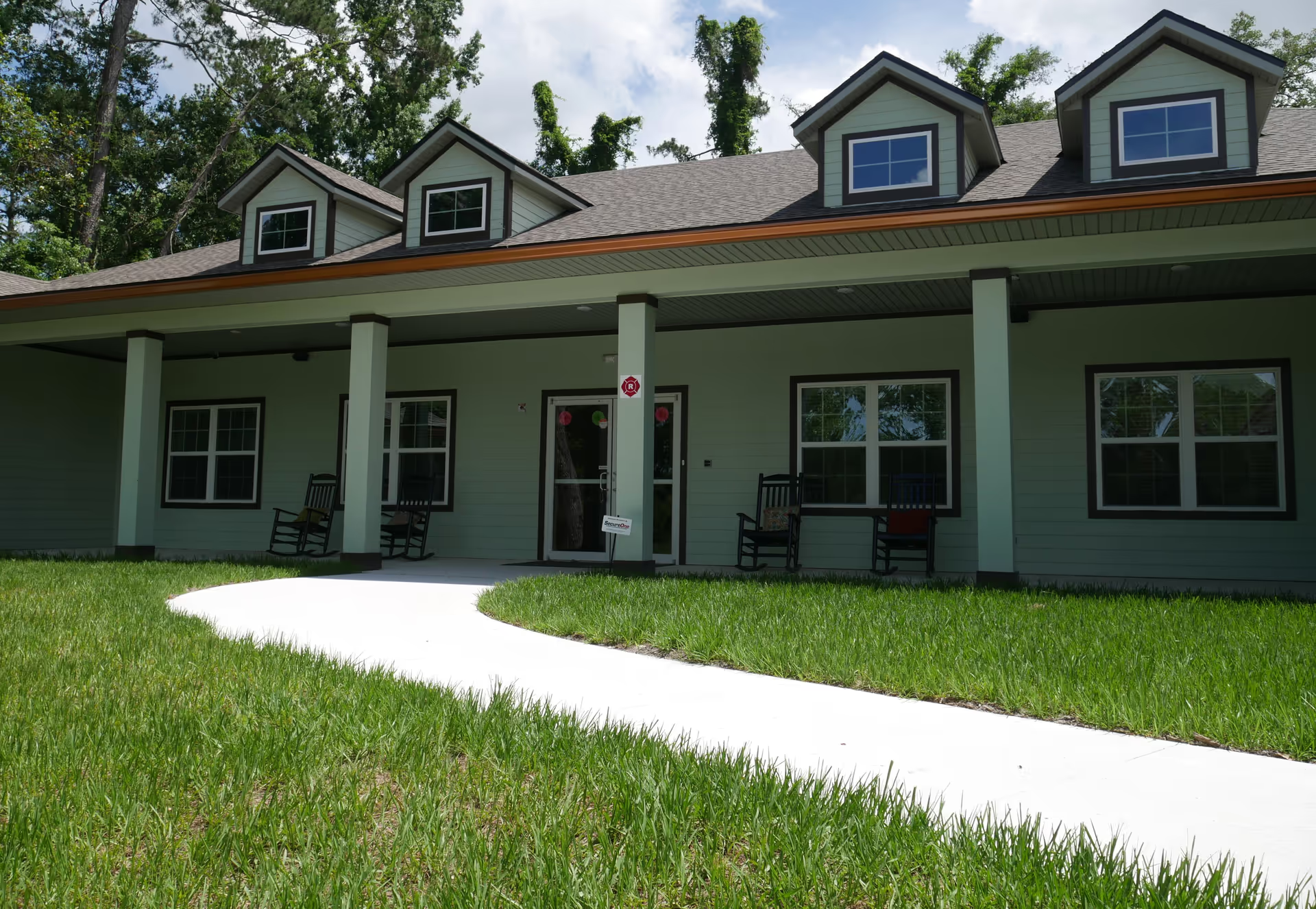
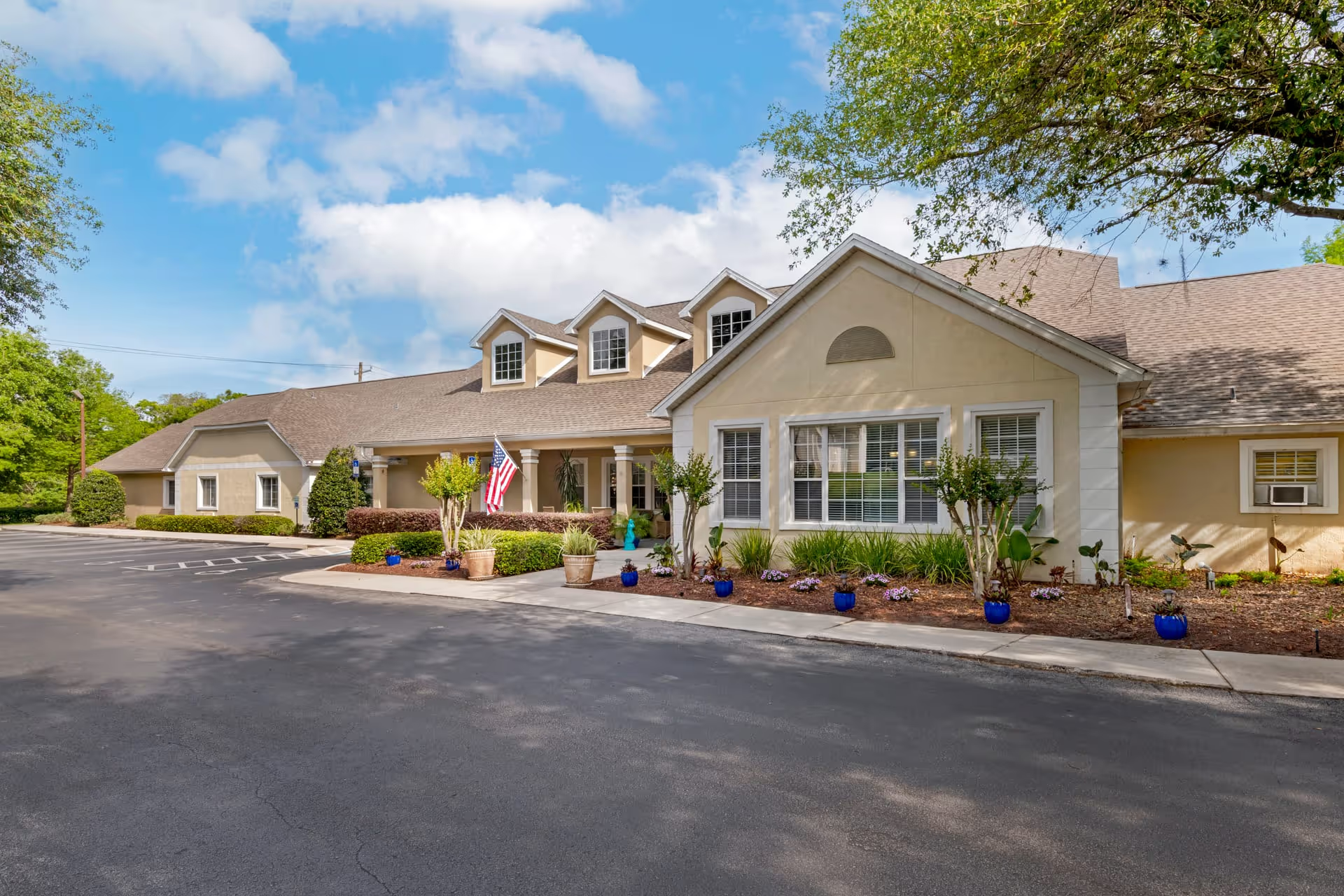
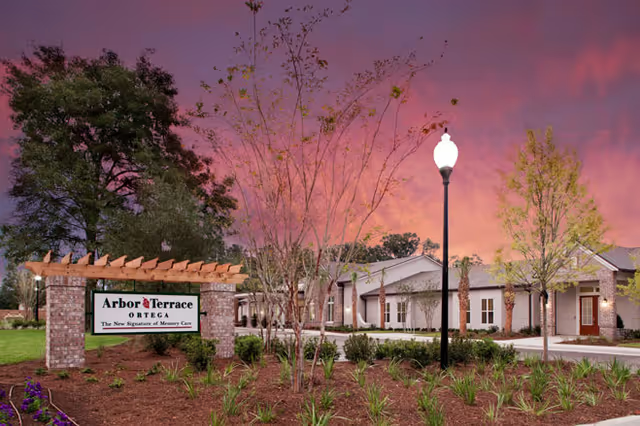
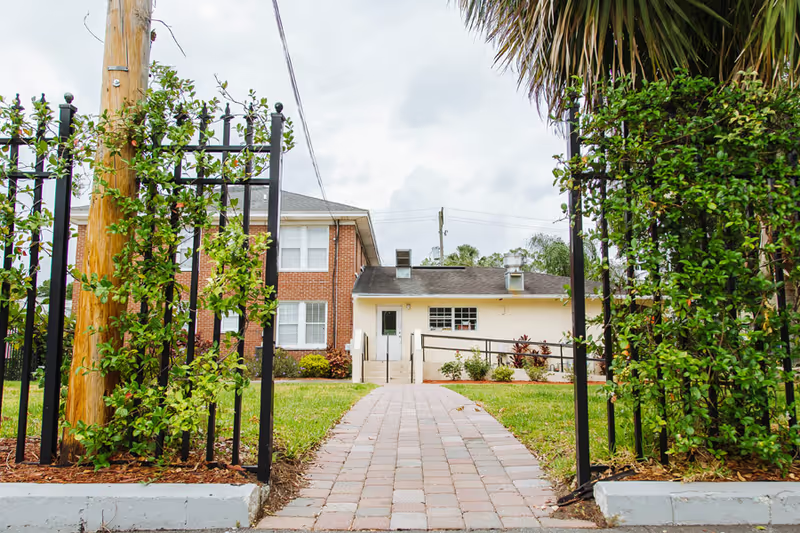
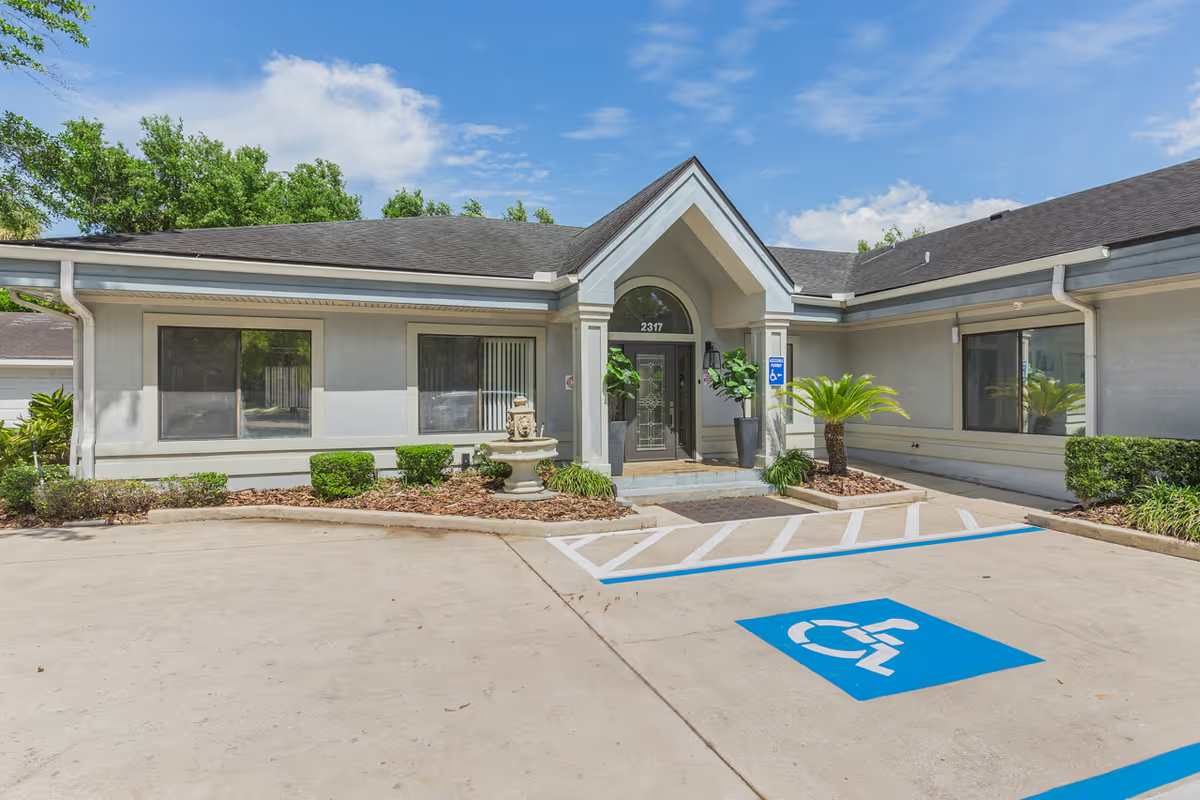
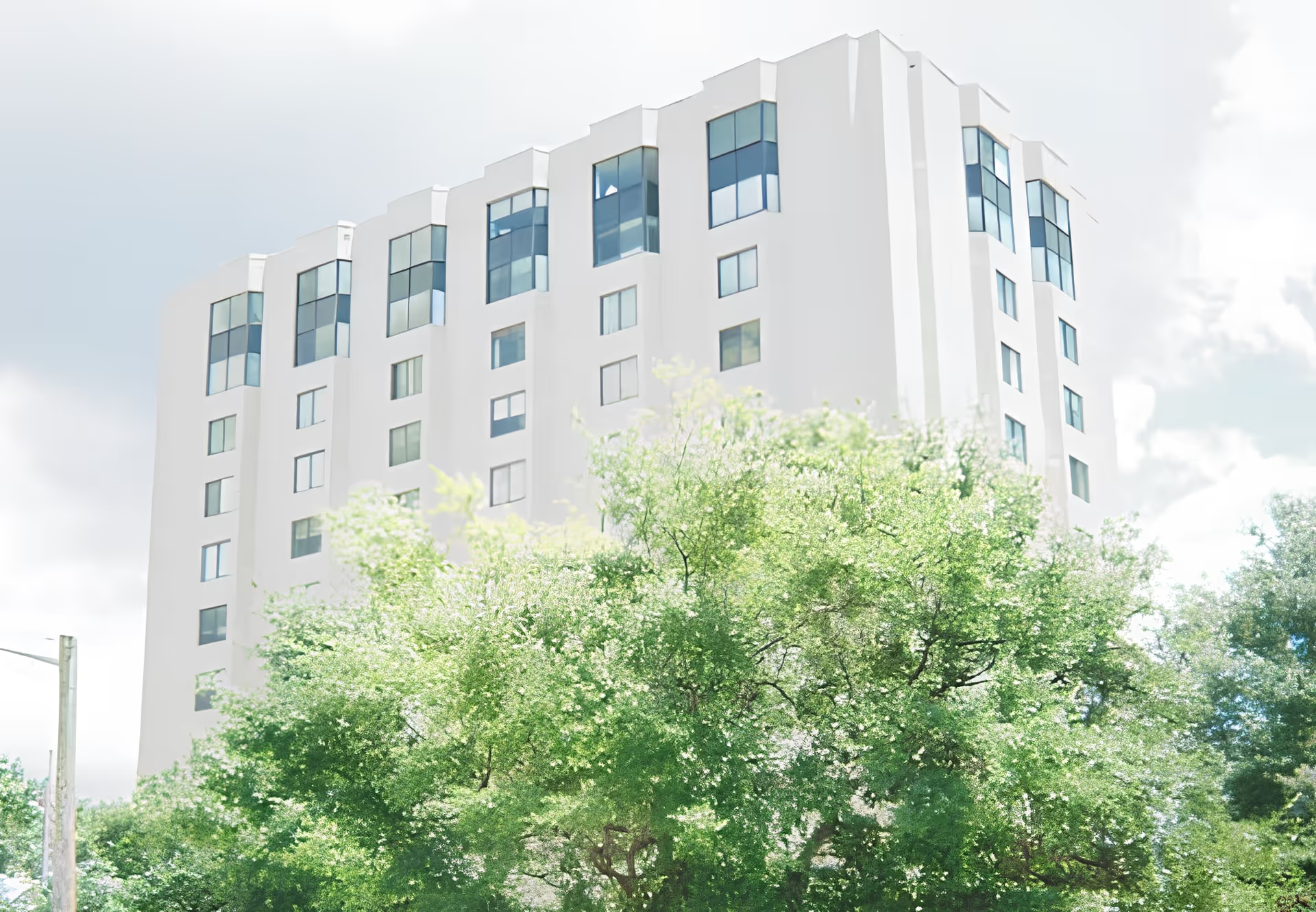
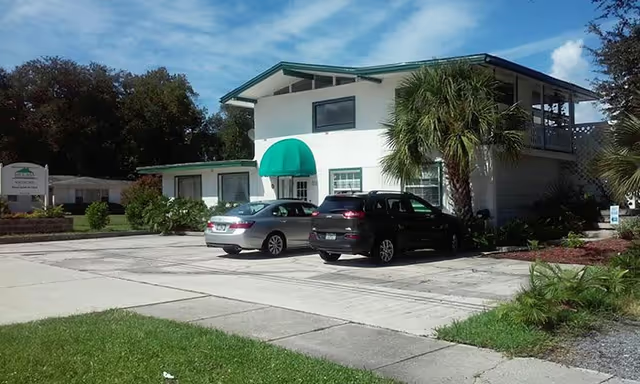
Reviews of Noble House of Jacksonville present a strongly mixed picture, with families praising individual caregivers, the facility’s newer areas and amenities, and on-site clinical supports, while also raising repeated operational concerns. Positive comments emphasize a home-like environment in parts of the campus, active owners and executive staff who are visible and supportive, and a range of common-area amenities (movie room, library, game room, patio and pond) that many families find attractive. Several accounts note helpful services such as transportation assistance, medication and laundry support, on-site nutrition and rehabilitation resources, and flexibility for family involvement during meals and decorating rooms.
Care quality and staff: Many reviewers highlight compassionate, patient, and attentive frontline staff who provide direct care and foster positive relationships with residents. At the same time, there are consistent remarks about variability in care: staffing shortages, uneven staff responsiveness, and instances where clinical follow-up and wound or medication management were perceived as inadequate. Families report both strong individual caregivers and episodes where response times, emergency preparedness, and clinical communication did not meet expectations. On-site clinical resources (physician assistant, nutritionist, rehab) are a clear strength when they are utilized effectively.
Dining and activities: The facility’s kitchen and dining areas are noted as a positive element, and some families praise the food and meal service. Contrasting accounts describe repetitive or low-quality meal options and dining-room disruptions (noise from personal devices and resident conflict) that make mealtimes less pleasant. Activity programming is present and includes organized events, but several families describe limited engaging programming beyond passive entertainment (television and movies), suggesting opportunities to diversify social and therapeutic activities.
Facilities and sanitation: The property includes newer, nicely decorated sections and functional communal spaces; these are frequently cited as attractive and well-kept. Offset against that are recurring sanitation concerns, occasional odor issues in common areas or rooms, aging furniture in parts of the campus, and pest-control concerns. Memory-care capacity and wandering-risk management are also noted as limited: families seeking secured memory-care services should verify availability and specific safety features. Maintenance and housekeeping consistency appear uneven across units.
Management and operations: A common theme is inconsistent management performance. Several families appreciated an initially positive tour experience and engaged ownership, but many also described poor follow-through, frequent changes in leadership, and difficulty obtaining timely communication about resident incidents, hospitalizations, or care-plan changes. Move-in coordination and room-assignment processes were criticized in a number of accounts, and there are operational concerns about personal-property safeguards and inventory control. Where management is stable and communicative, families report very positive experiences; where turnover and communication gaps exist, families report frustration and diminished trust.
Notable patterns and recommendations for prospective families: Experiences at Noble House of Jacksonville appear polarized — some families describe high-quality, attentive care in an attractive setting, while others encounter operational weaknesses that affected safety perception and satisfaction. Prospective residents and families should conduct an in-person tour of active care areas (not only model rooms), ask about current staffing ratios and leadership tenure, inquire specifically about memory-care accommodations and secured doors, request current pest-control and housekeeping records, clarify move-in and property-safeguard procedures, and confirm protocols for clinical incident notification and hospital/ER communication. Confirming meal menus, activity calendars, and access to on-site clinical resources will help set expectations and identify whether the facility’s strengths align with the resident’s needs.