Reviews present a mixed picture of life at the facility. Positive comments emphasize well-maintained private rooms, a welcoming approach to visitors, visible staff and administrative involvement, and active social programming — particularly around holidays — that contributes to a convivial atmosphere and peer social connections. At the same time, several operational concerns recur across accounts and form important patterns to consider.
Care quality: Reviewers highlighted concerns about medication-management practices and inconsistent personal-care support. There are references to delays or gaps in routine assistance (including laundry and incontinence-care processes) and variability in how promptly residents are attended to. Conversely, some comments note staff presence and involvement, suggesting uneven performance across shifts or units rather than uniformly poor care.
Staff and management: Staff and administration receive both praise and criticism. Positive notes cite engaged staff, openness to visitors, and administrative visibility during events. Critical observations point to inconsistent staffing levels, uneven responsiveness, and possible gaps in supervision and behavioral management. These patterns suggest variable staff training, scheduling, or oversight that affects resident experience and safety at times.
Dining and activities: There is limited direct information about dining from the summaries; no clear, consistent pattern of concern or strength emerged regarding meals. Activities and events are a relative strength: holiday programming and social events were described as joyful and well-attended, and reviewers noted residents having many social connections and friendships within the community.
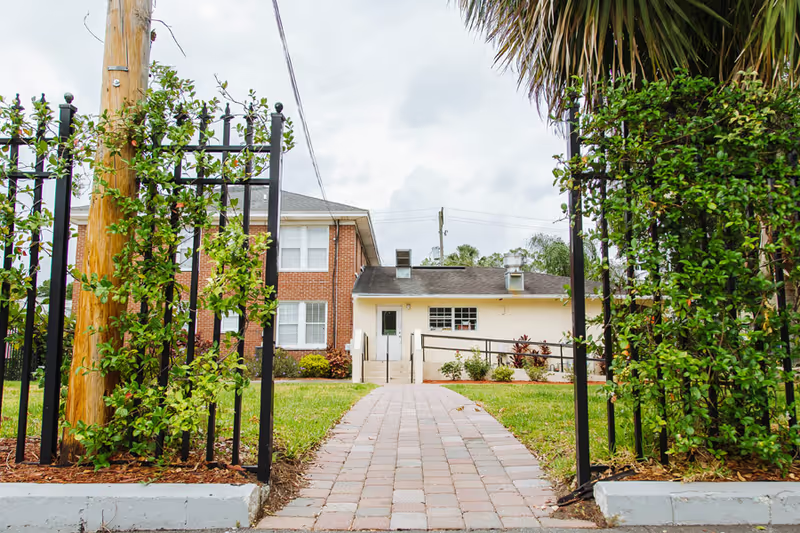
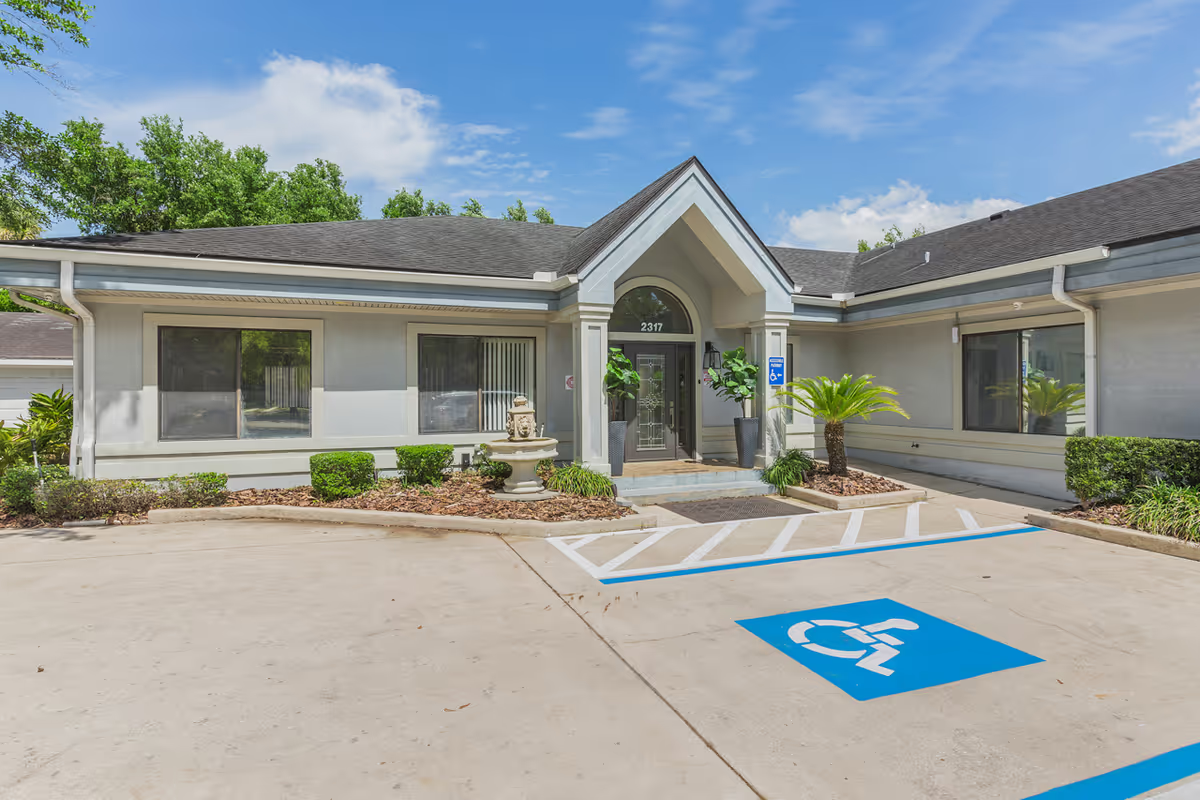
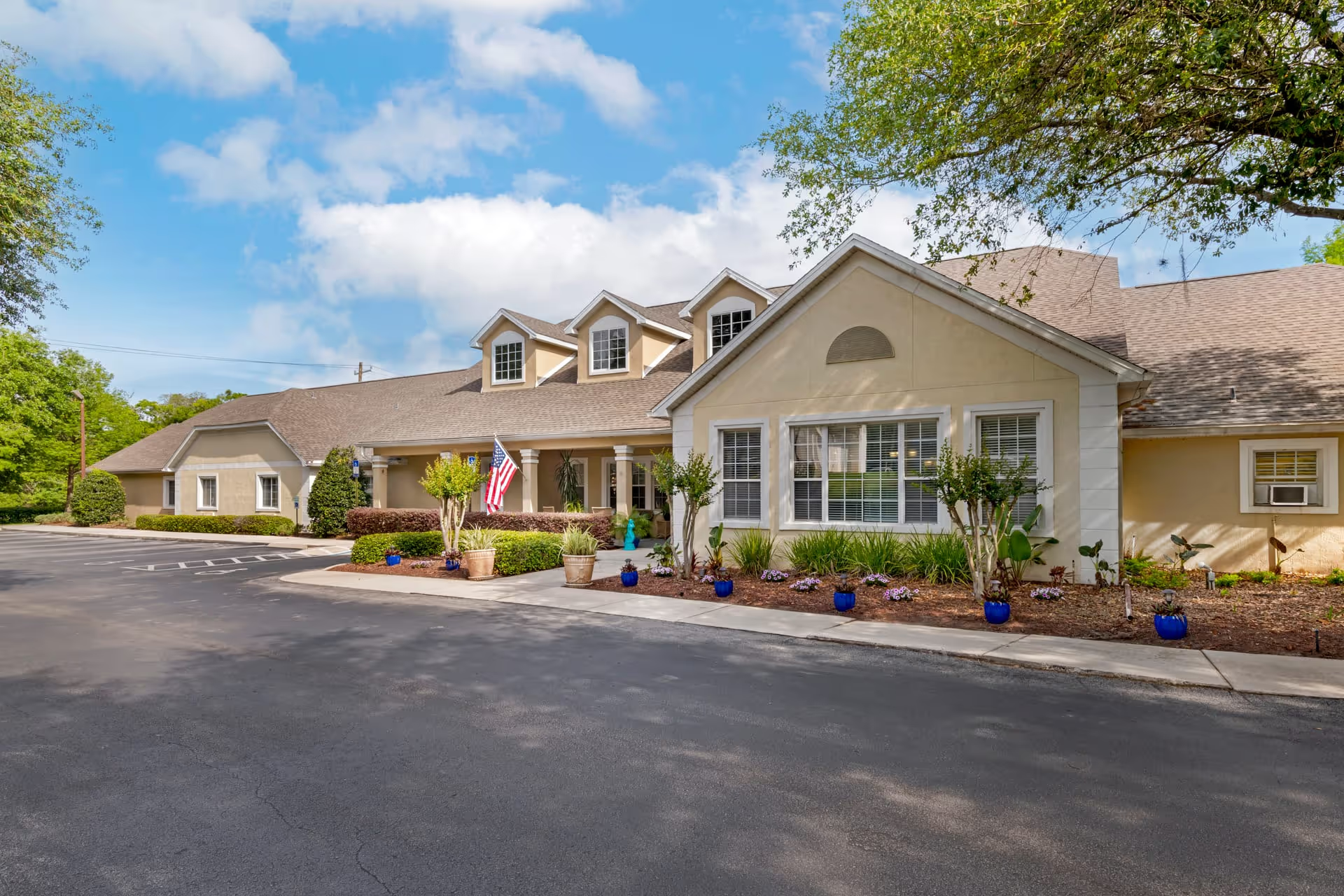
Facilities and safety: While individual rooms are described as kept clean, reviewers raise sanitation concerns in some common areas and point to broader campus-safety issues. Accounts describe incidents of problematic resident behavior, panhandling, and property-related problems that reflect weaknesses in security controls and community supervision. These issues appear to affect perceptions of safety and the overall environment.
Notable patterns and overall impression: The dominant themes are a contrast between strong social programming and clean private rooms, versus operational weaknesses in medication oversight, personal-care routines, security, and consistent staffing. Prospective residents and families should weigh the facility's social strengths and visible staff engagement against the documented patterns of inconsistent care processes and safety/supervision gaps. When evaluating this facility in person, consider asking specific questions about medication protocols, staffing ratios and shift consistency, incident management and security measures, laundry and incontinence-care procedures, and examples of how the home addresses resident behavioral challenges.