Experiences at Woodland Grove are sharply mixed. Positive accounts describe residents making meaningful rehabilitation progress, including improved mobility after hospitalization or surgery. Families and residents praise the physical and occupational therapy teams, and some identify individual nurses and care staff as attentive, compassionate, and responsive. Other accounts describe delays in basic assistance, inconsistent personal care, and concerns about transfer safety, suggesting that the quality of day-to-day care may vary across stays and staff teams.
Medication management and clinical coordination are recurring concerns in critical accounts. Families describe missed or delayed medications, uncertainty about whether prescribed tests and treatments were completed, and limited communication about changes in condition. Some accounts also raise concerns about the timeliness of clinical assessment and escalation when residents developed acute symptoms. By contrast, other families report effective communication with nurses and care teams, so experiences with clinical coordination appear inconsistent.
Dining feedback ranges from praise for meals, alternative choices, and nutritional support to complaints about bland or cold food, incorrect orders, and limited help for residents who need assistance eating. Recreation is a relative strength in several accounts, with activities such as crafts, music, games, and religious services helping residents stay engaged. Therapy is frequently praised, although some residents describe limited session frequency. Staff feedback is similarly varied: many positive comments recognize individual employees for kindness and professionalism, while other accounts describe unresponsive or discourteous interactions.
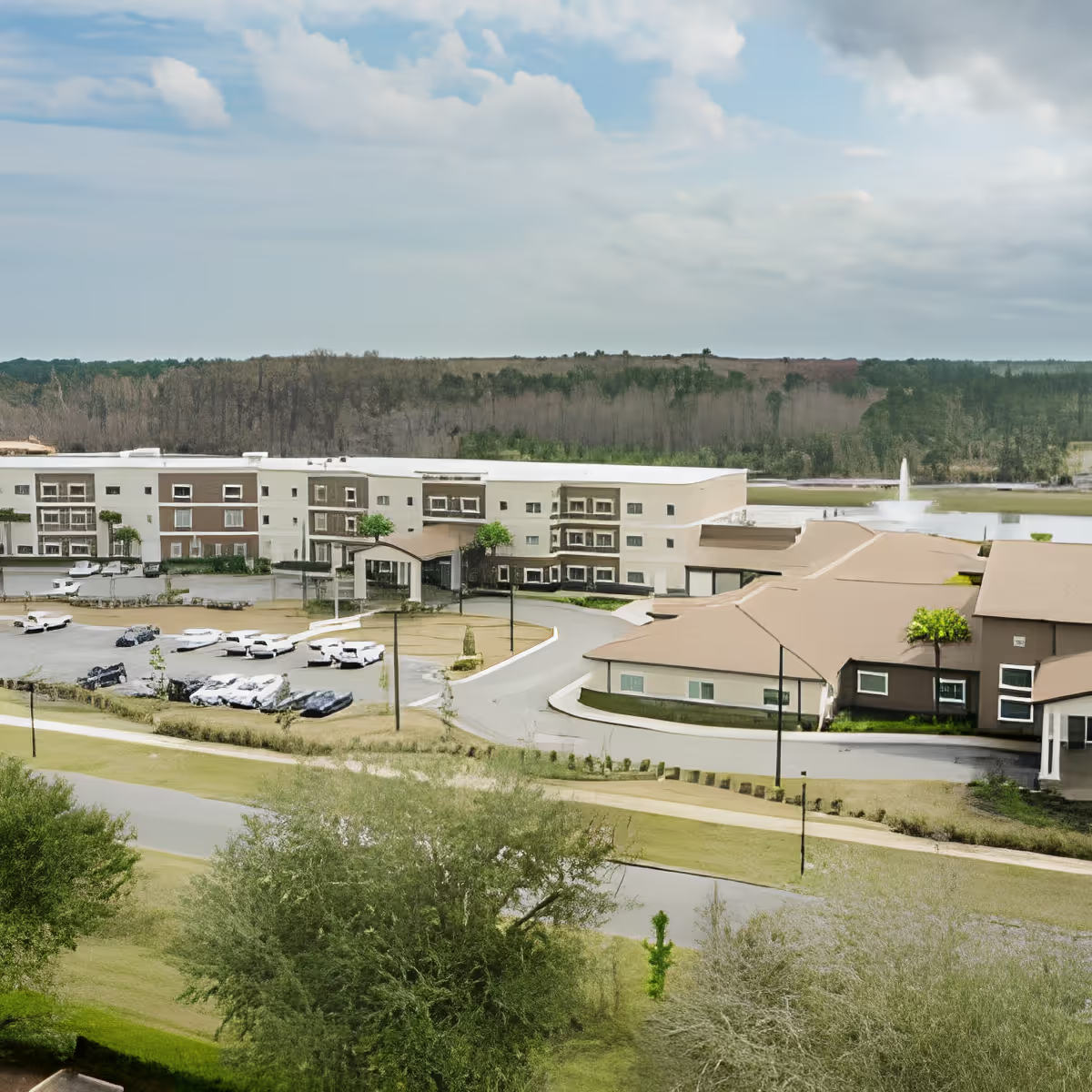
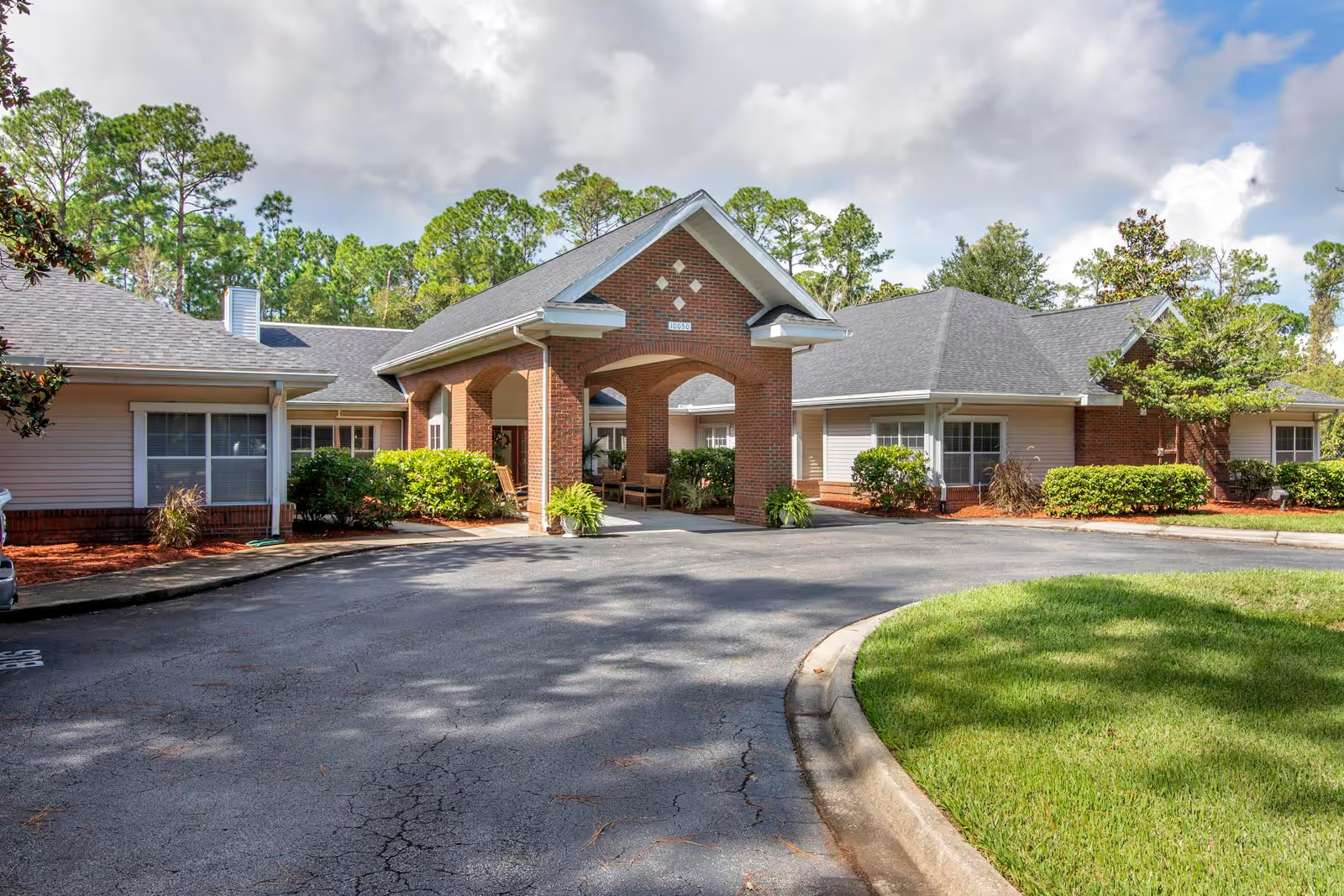
Reports about the physical environment also conflict. Some visitors describe clean, orderly spaces and well-kept grounds; others raise concerns about room and bathroom cleanliness, odors, pest control, aging furnishings, and building upkeep. Management and communication are another area of uneven experience, with some families noting timely updates and helpful social-services support, while others describe difficulty reaching staff, unclear discharge planning, or delays in administrative follow-through. Several accounts emphasize the value of frequent family involvement and direct follow-up. Overall, the reviews suggest notable strengths in therapy and individual staff relationships alongside operational inconsistencies in responsiveness, clinical coordination, personal care, dining, and facility upkeep.