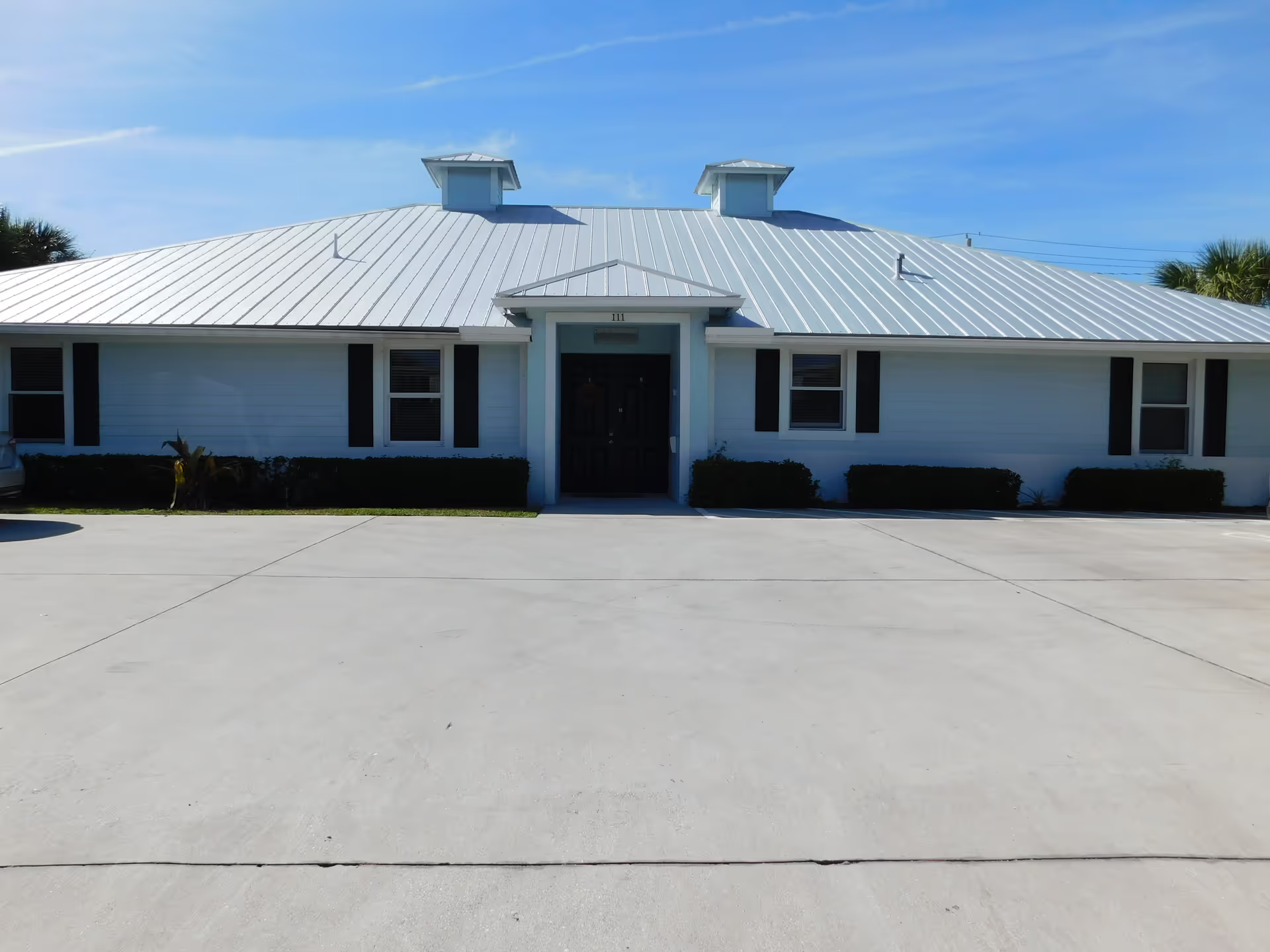
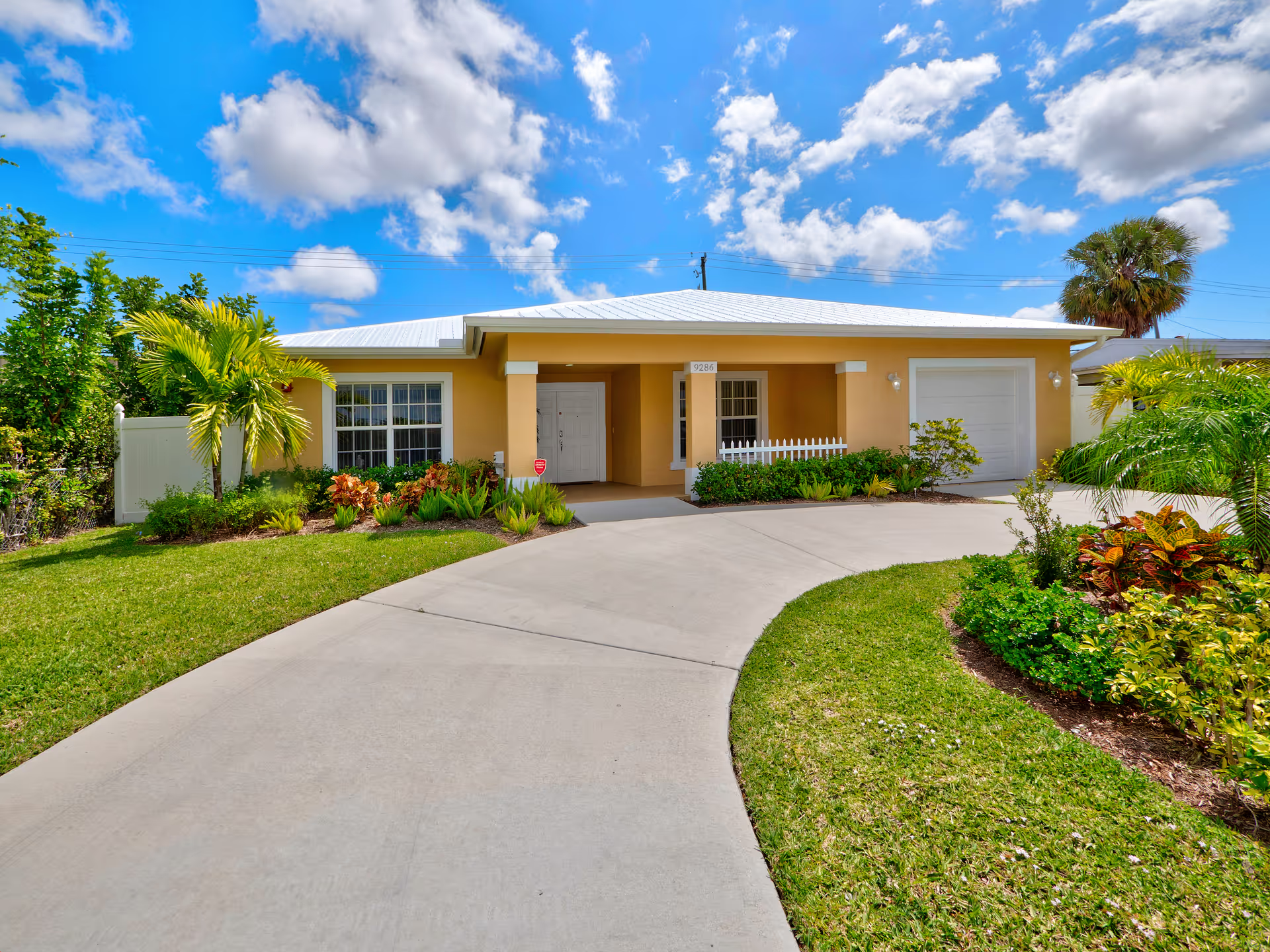
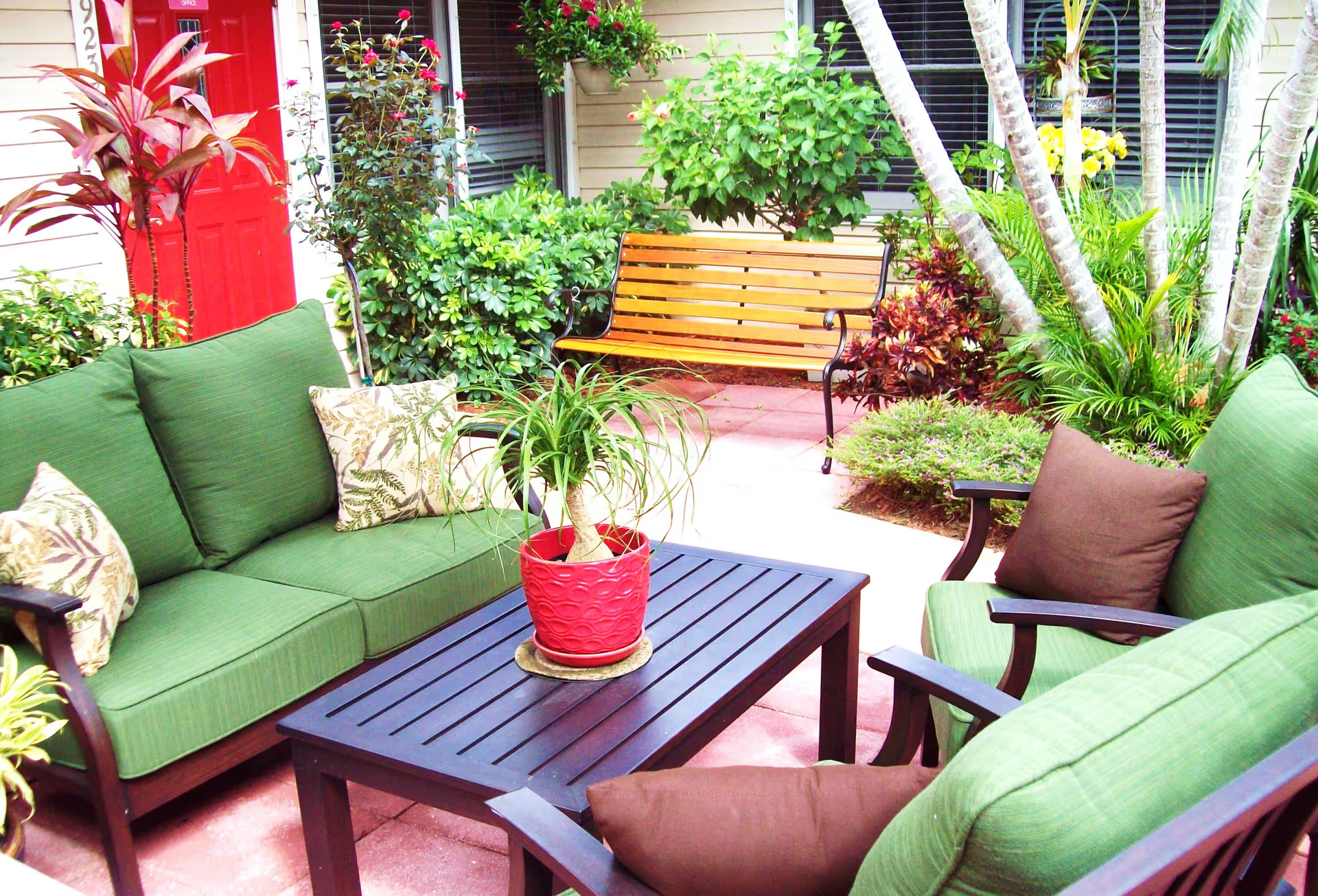
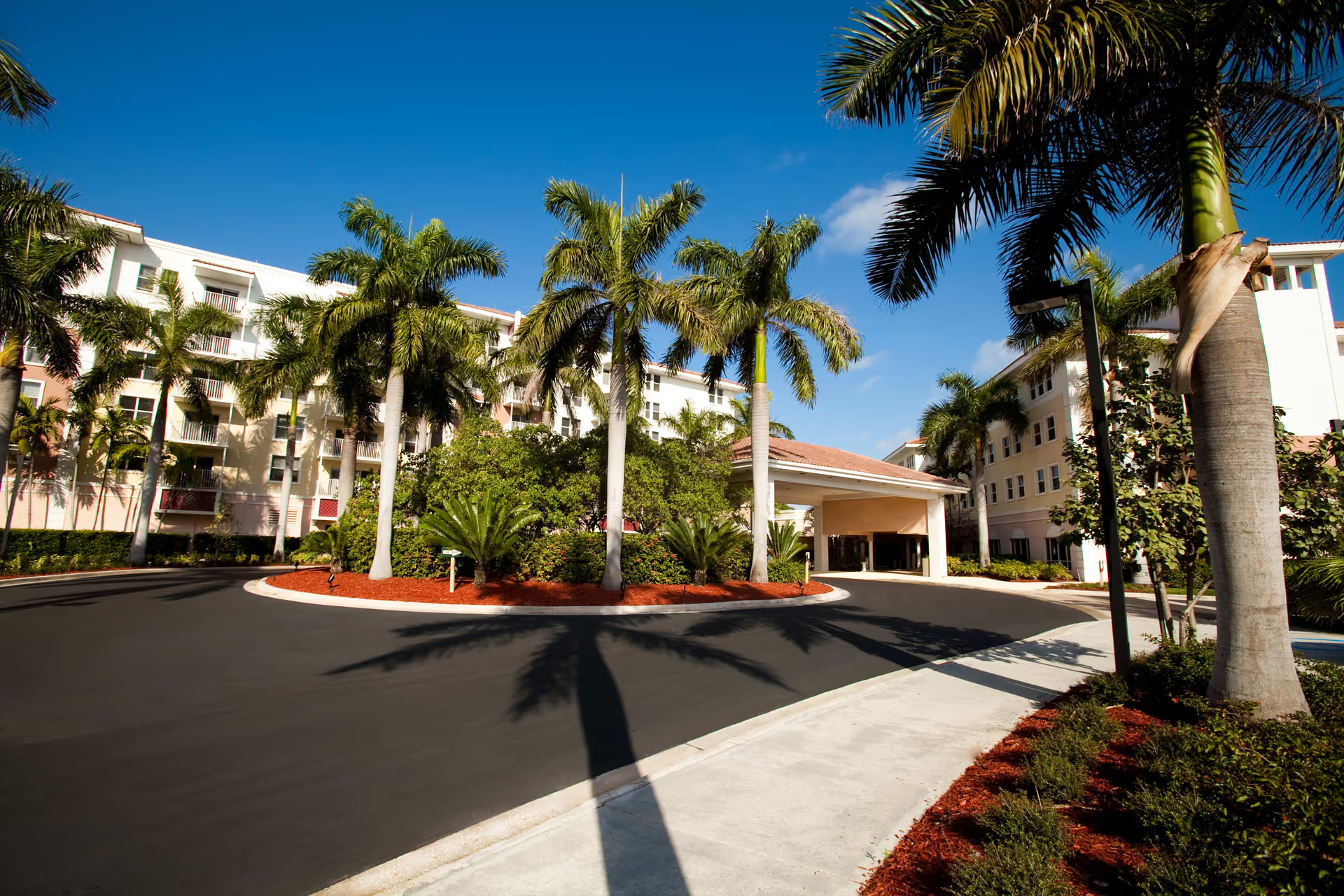
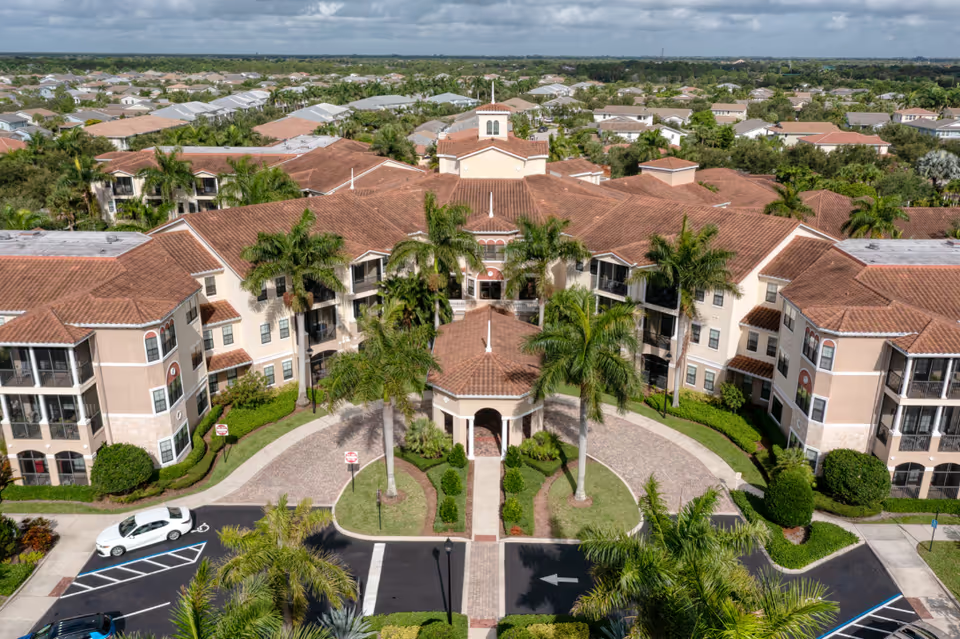
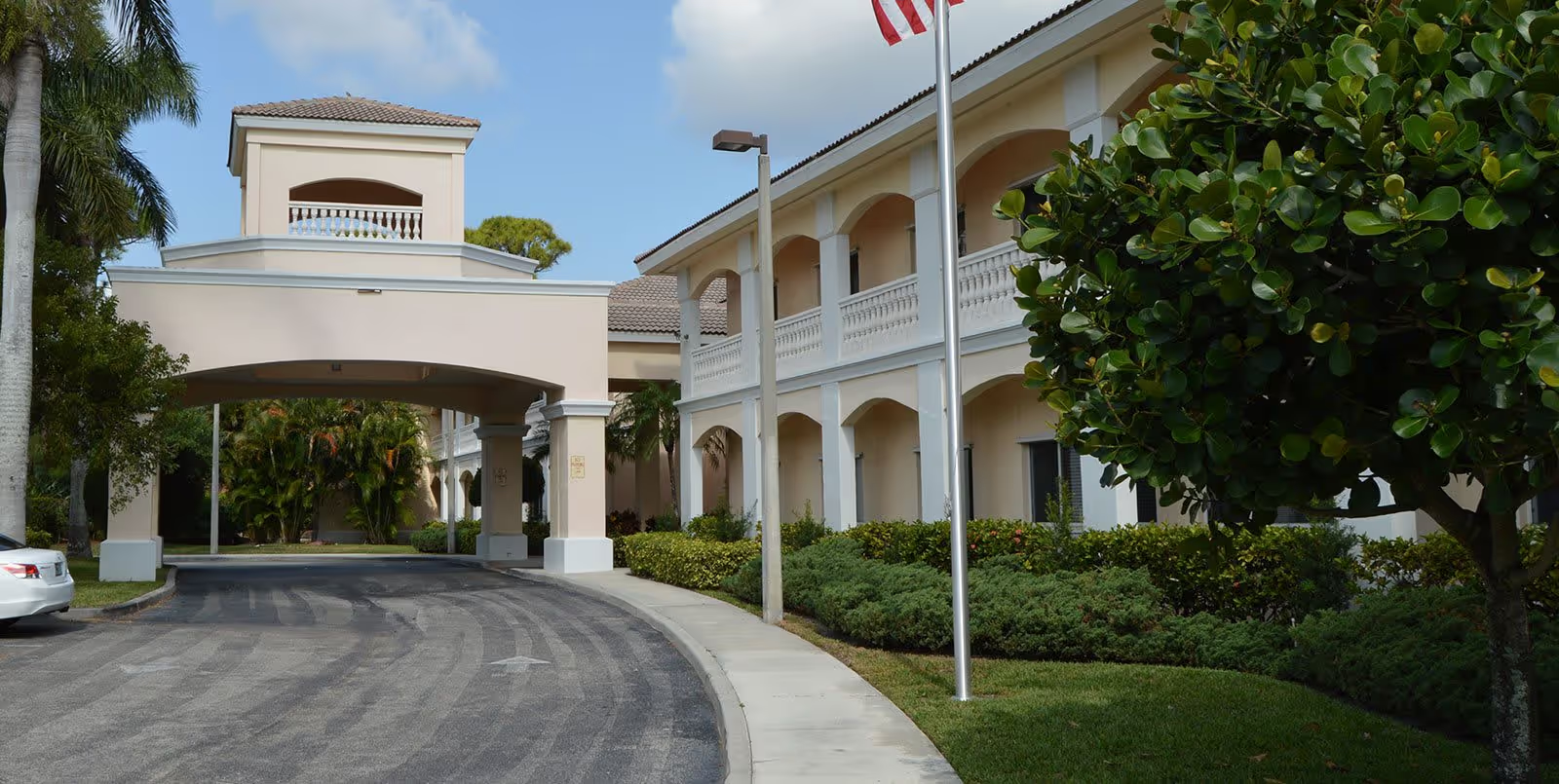
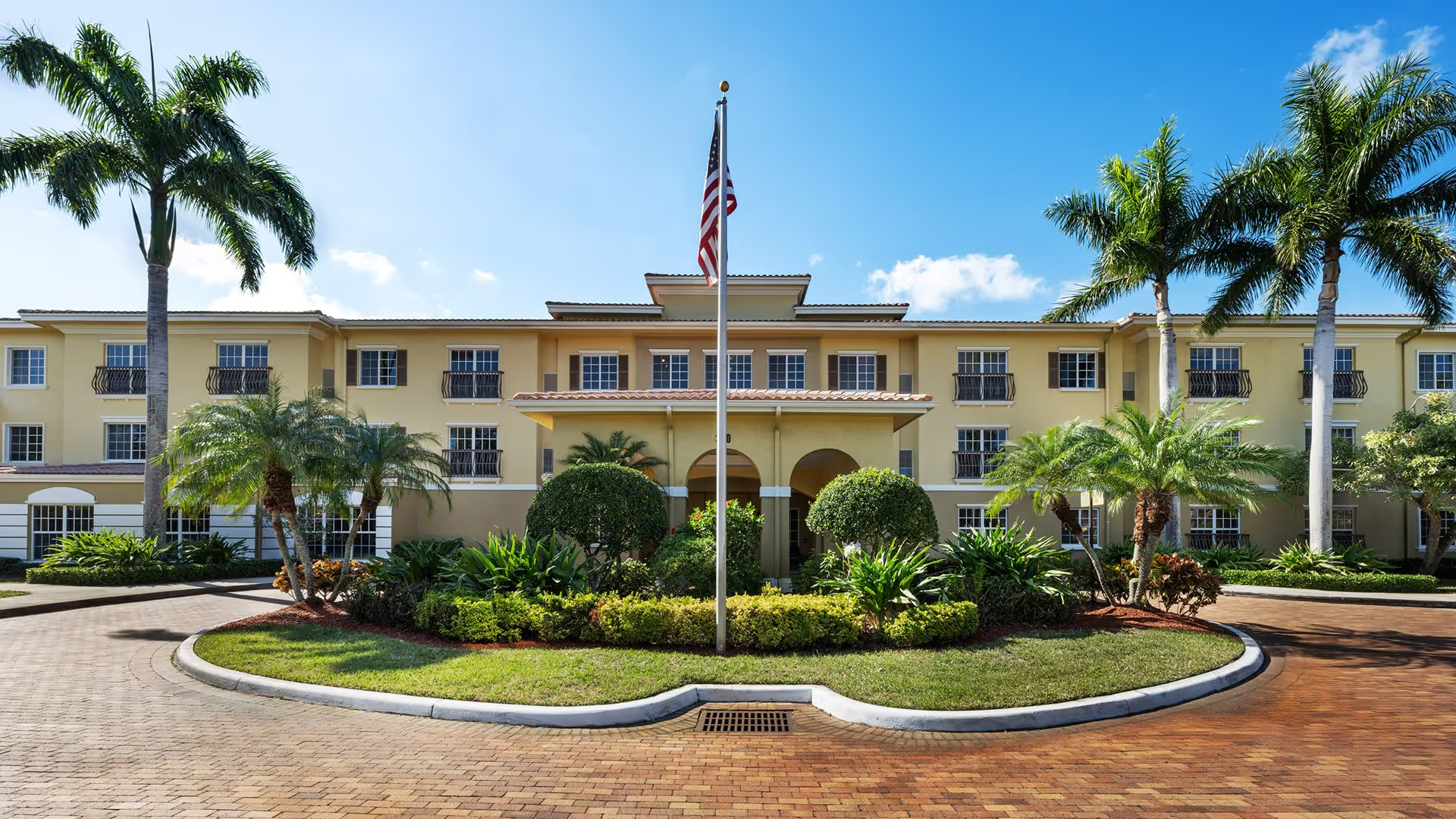
The Waterford presents as a well-appointed, amenity-rich senior community with clear strengths in dining, rehabilitation, and social programming. Many reviewers highlight an accomplished culinary program, varied and nutritious menus, and multiple dining venues that support social interaction. The campus infrastructure — including renovated apartments, a garden area, pools, auditorium, salon and on-site services — contributes to an environment described by many as attractive and resort-like.
Clinical services and activities are frequently praised. The facility's rehabilitation and skilled nursing services receive strong endorsements for clinical competence and outcomes in many accounts, and the activities department is described as lively and diverse, offering physical, intellectual and spiritual programming that fosters new friendships and engagement. Admissions and customer-service staff are often noted as welcoming and helpful, and long-tenured residents point to continuity of community culture and satisfaction over years of residency.
At the same time, reviewers describe inconsistent operational performance in a number of areas. While many direct-care staff are characterized as compassionate and capable, there are recurrent concerns about variability in staff conduct, phone etiquette, and communication tone. Several families noted gaps in communication and care coordination during critical events, including end-of-life situations, which has created distress in those cases. Housekeeping and sanitation practices are uneven in some accounts, and there are isolated pest-control and cleanliness concerns that prospective families may wish to observe closely.
Service delivery shows mixed signals: dining quality is frequently lauded for menu design and food quality, but there are intermittent reports of cold meals, untrained servers, and inconsistent meal-service continuity. Therapy scheduling and clinical staffing have been described as variable, with suggestions that therapy frequency sometimes falls short of expectations. Reviewers also raised issues with after-hours responsiveness and night staffing, and there are underlying concerns about resident safety and transfer protocols stemming from fall and movement-related incidents.
Financial and management practices are another area of caution. Several comments call out entrance-fee nonrefundable terms, additional charges for ancillary items, and unclear or perceived aggressive billing practices. Some families described managerial interactions as transactional or insufficiently compassionate during difficult transitions. These themes suggest prospective residents should carefully review contract terms, fee schedules, and the facility's communication protocol around incidents and end-of-life care.
In summary, The Waterford offers notable strengths for residents seeking an active, amenity-rich community with strong culinary and rehabilitation programs. However, the facility appears to exhibit variation in operational consistency — particularly in communication, housekeeping, billing transparency, and after-hours responsiveness. Prospective residents and families would benefit from targeted questions during tours (staffing patterns by shift, therapy schedules, housekeeping protocols, billing line-itemization, and incident/communication escalation procedures) and from observing service delivery during different times of day to assess fit relative to their priorities.