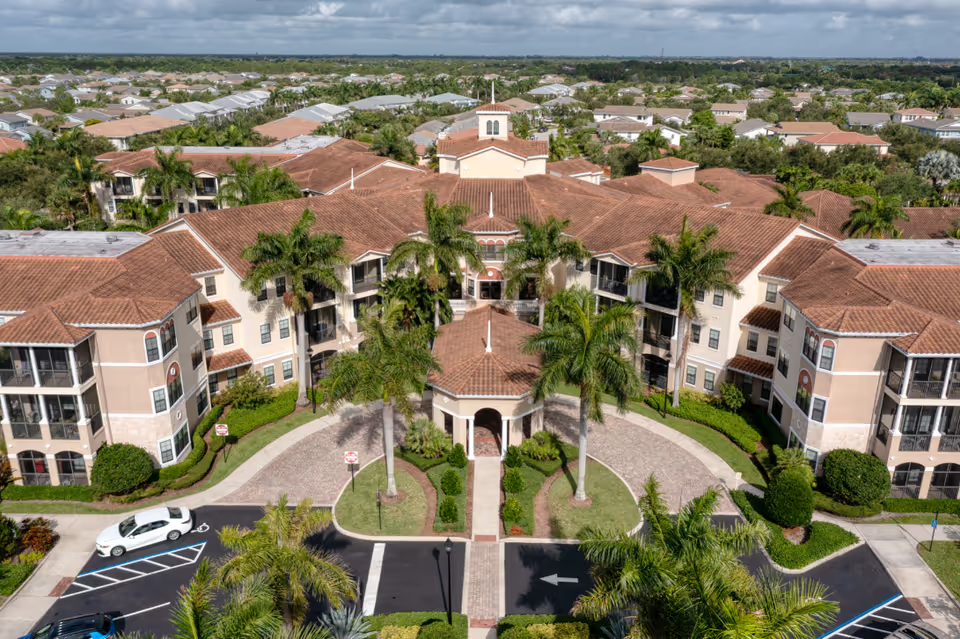
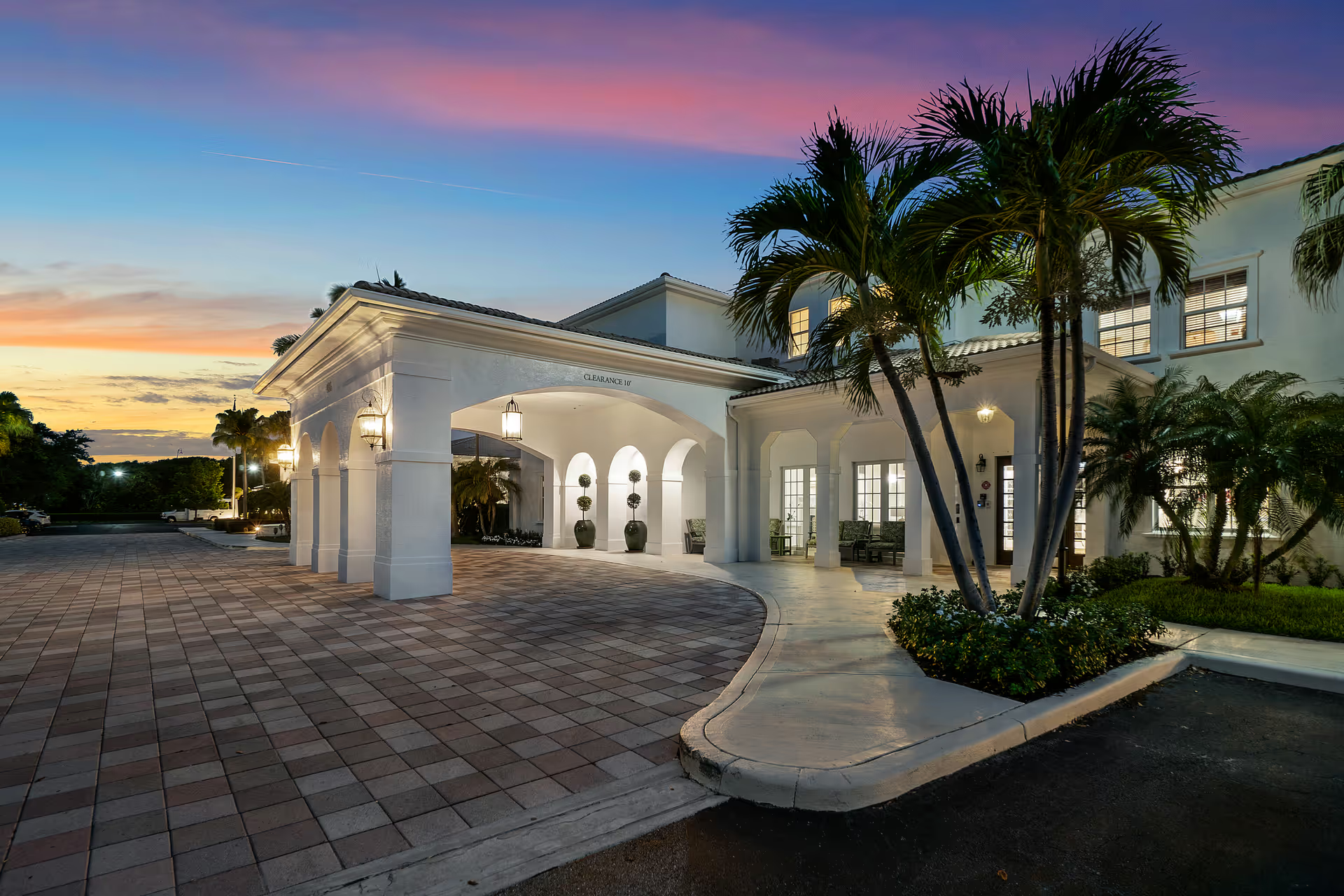
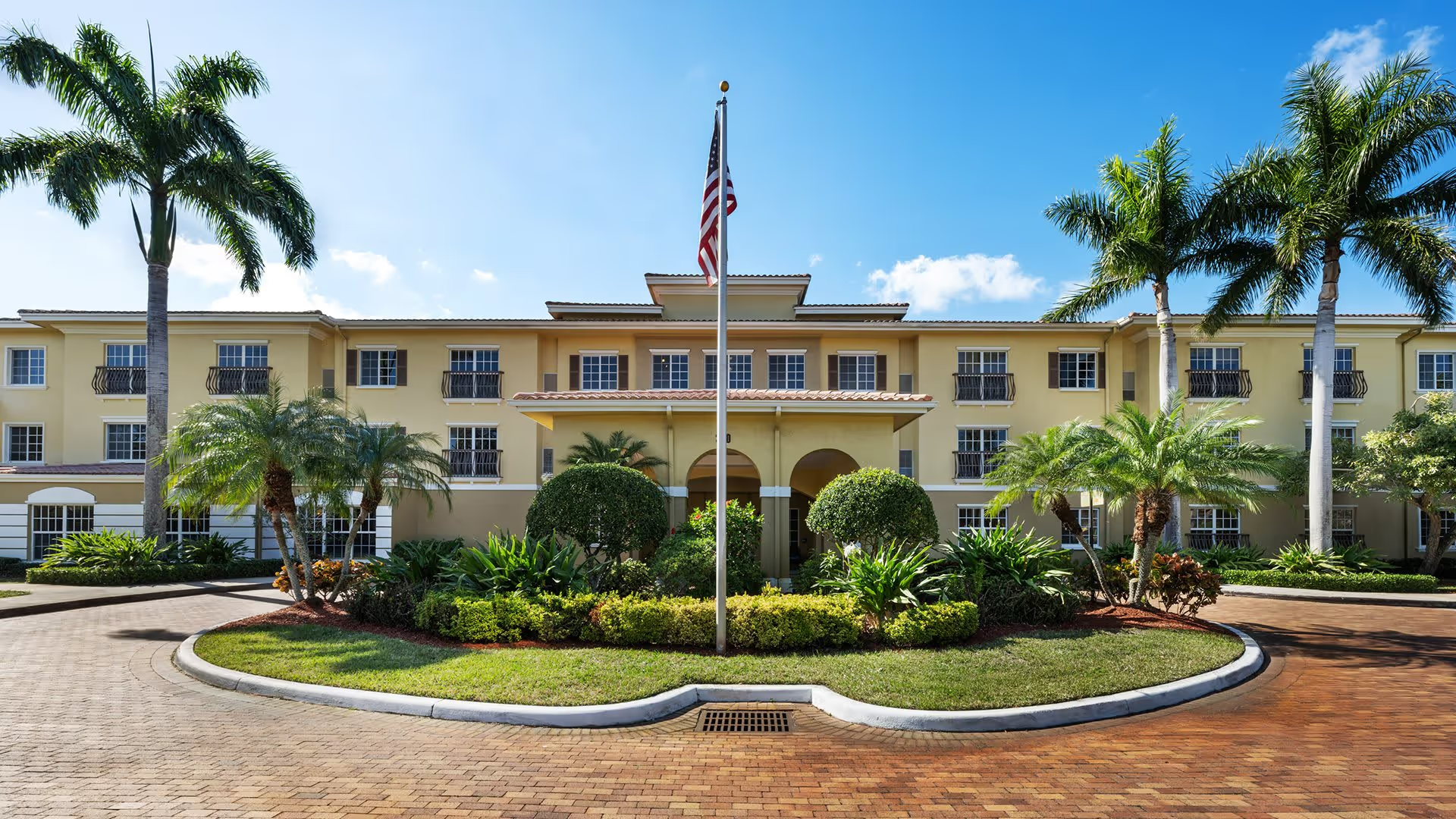
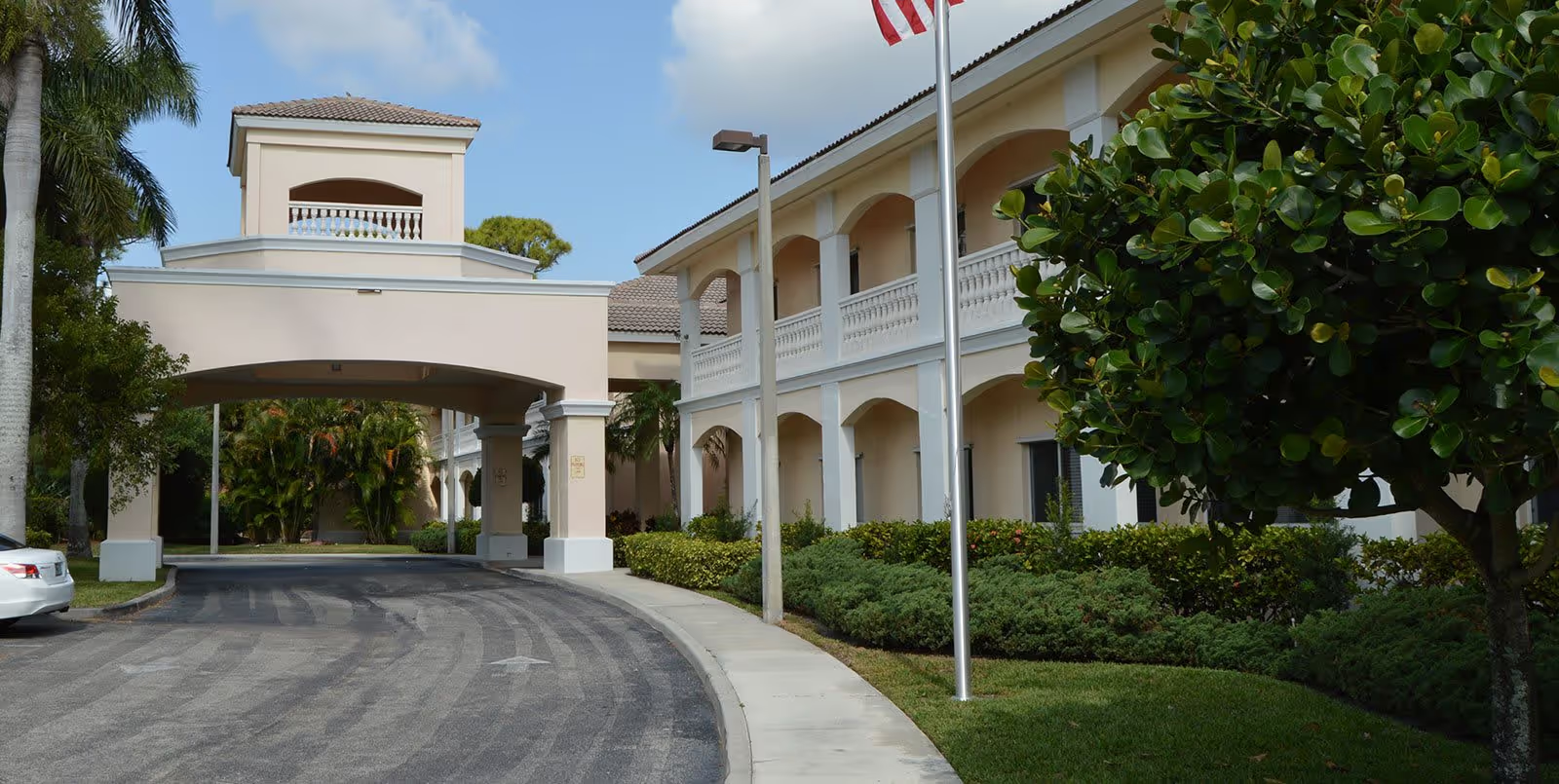
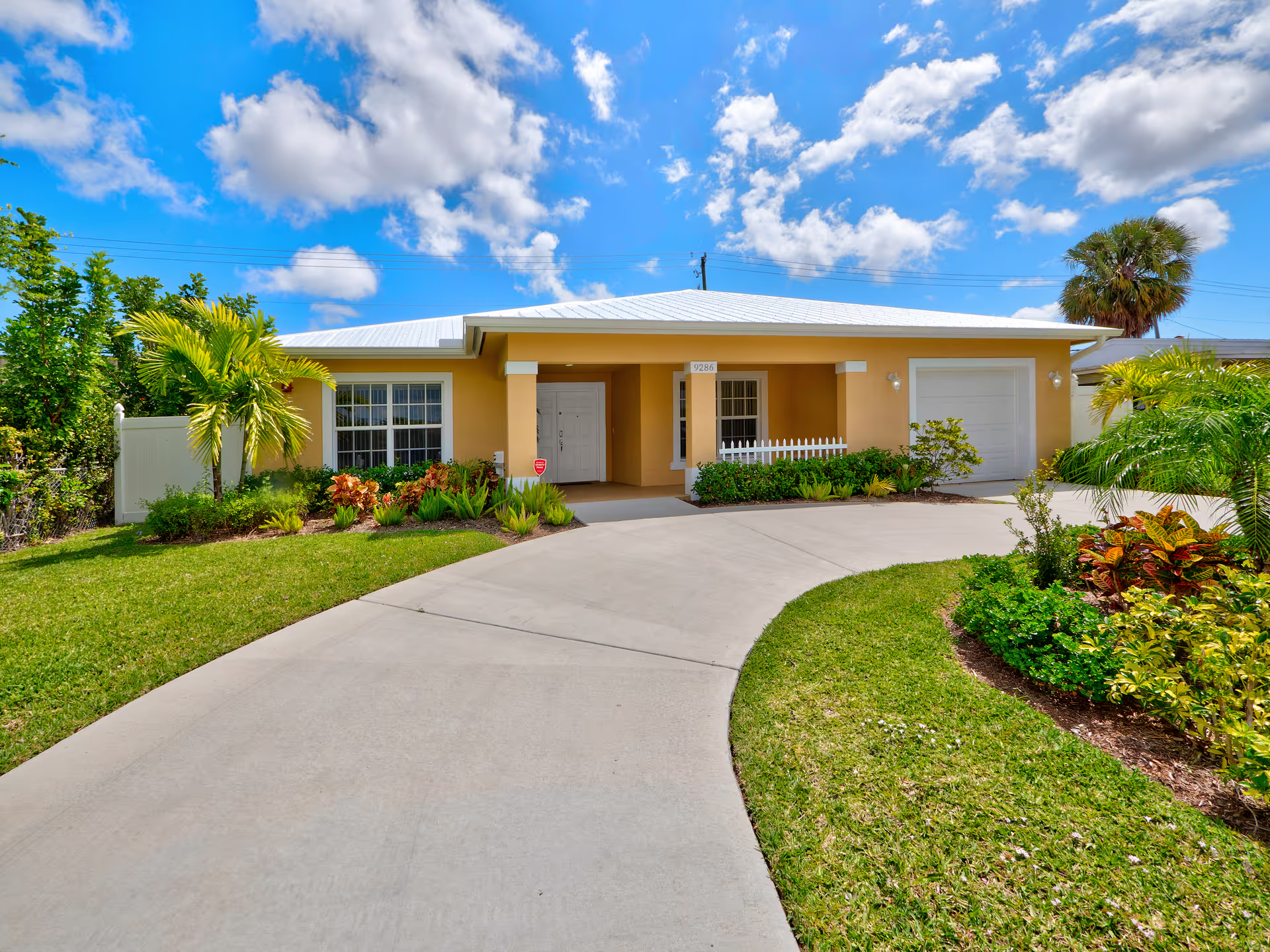
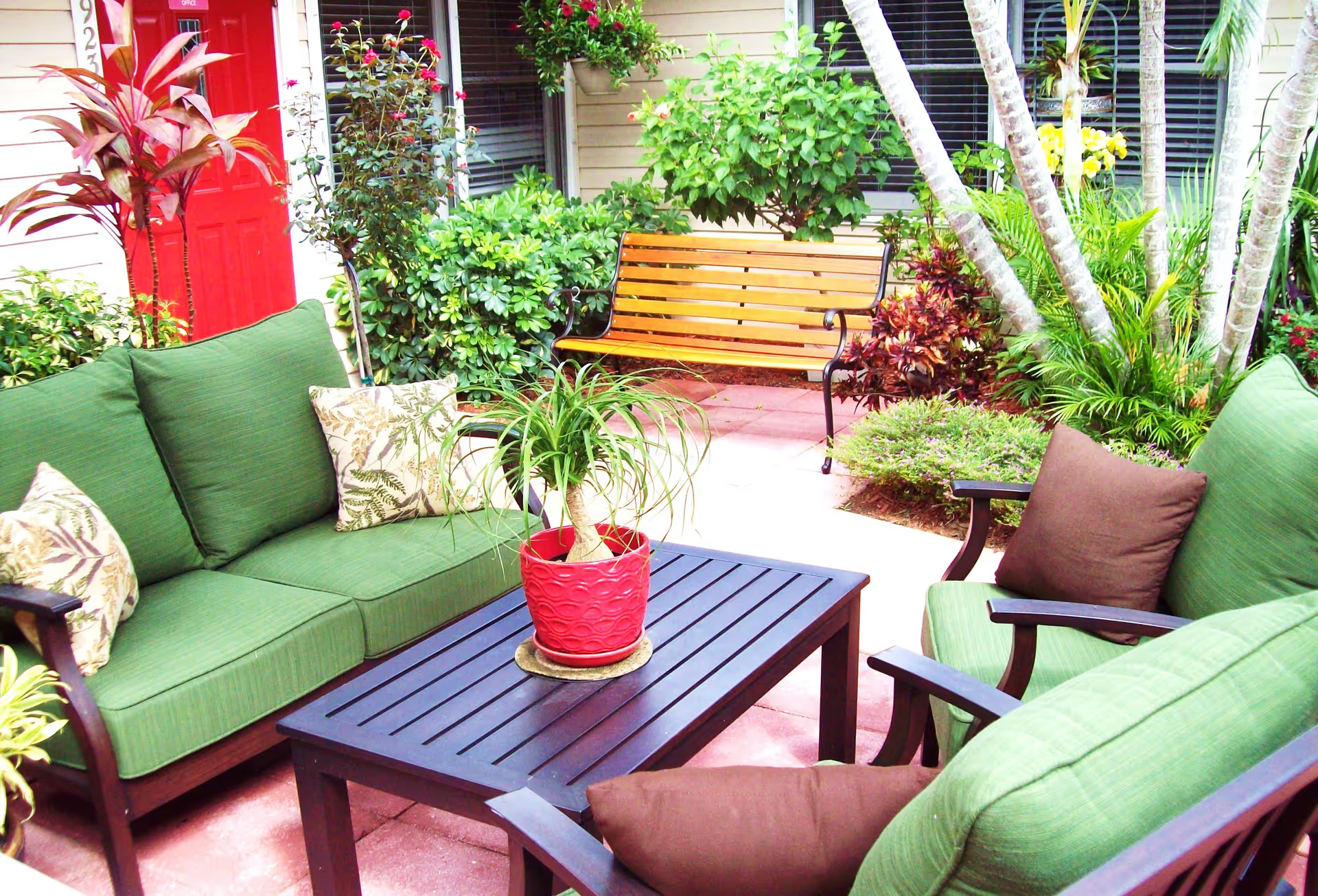
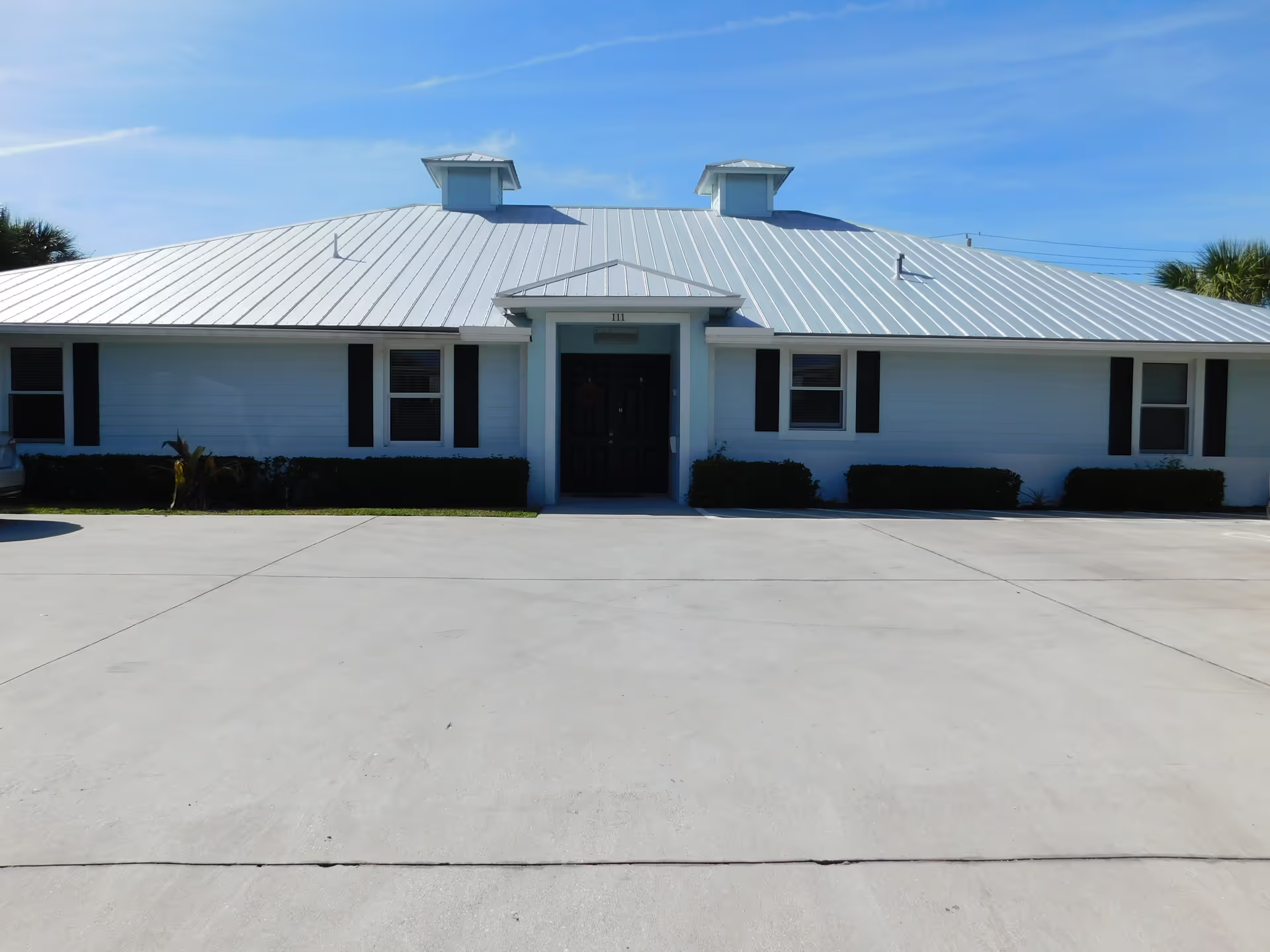
Overall impression: Mangrove Bay presents as an upscale, well-kept senior living campus with a strong emphasis on hospitality-style amenities and social programming. The property, frequently described as hotel-like, benefits from a waterfront location, attractive landscaping, multiple common areas, and a wide range of on-site services (fitness, pool, rehabilitation, salon, deli/café and restaurant). Many residents and families emphasize the community’s social life, with regular activities, live music, happy hours, themed events and organized outings that support an active lifestyle.
Care and staff: Staffing and direct care are a central strength in many accounts. Reviewers consistently praise compassionate, attentive caregivers, long-tenured staff, and proactive front-line leadership who personalize care and know residents by name. Memory-care programming, music therapy and reminiscence activities receive positive comments, and on-site therapy and rehabilitation services are viewed as valuable. At the same time, there are recurring operational concerns: variability in staffing levels across shifts has been linked to slower call-bell responses and delayed assistance on occasion, and some accounts describe gaps in supervision for higher-dependency residents. A limited number of reviews reference medication-administration or clinical documentation inconsistencies; operational attention to medication safety and staffing patterns would help address those concerns.
Dining and activities: The community offers multiple dining venues, a restaurant-style dining room, deli options and special-event meals; many reviewers praise the quality, presentation and social atmosphere of meals. Criticisms focus on inconsistent day-to-day food quality, limited menu choices in certain service models (including constrained lunch options or limited general-menu selections), and additional food allowances or à la carte charges that affect overall value. Activities programming is broad and energetic—bridge, fitness classes, art, chorus, parties, outings and ongoing entertainment—but participation and program strength appear to vary by unit and by resident interest.
Facilities and amenities: Physical facilities are commonly described as immaculate, modern and well maintained. Apartments and common spaces are frequently noted as bright, updated and comfortable, with many units offering waterfront or garden views and outdoor spaces for residents. On-site conveniences (transportation, maintenance responsiveness, laundry, business center) support independent living. A few residents mentioned smaller unit sizes for single apartments and that some assisted-living units have more limited direct access to pool or other amenity spaces; prospective residents should confirm unit-specific access and layouts.
Management, costs and notable patterns: Management impressions are mixed. Numerous families commend hands-on leadership, clear admissions support and responsive maintenance; others cite administrative communication gaps, inconsistent follow-through and concerns about transparency. Affordability is a prominent pattern: the community’s pricing model includes entrance fees or buy-ins and recurring monthly charges, and several accounts raise concerns about steep or unpredictable rate increases that impact long-term affordability. Security and privacy are additional areas to evaluate: some reviews raise serious allegations of theft and unauthorized access; these translate operationally into concerns about key-control, access protocols and notification procedures that prospective families should review closely. Finally, while the overall tenor of reviews is positive about staff and programming, the recurring operational issues—staffing consistency, menu variety, access-control and cost predictability—warrant clarification during tours and contract review to ensure the community’s services align with the prospective resident’s clinical needs and financial expectations.