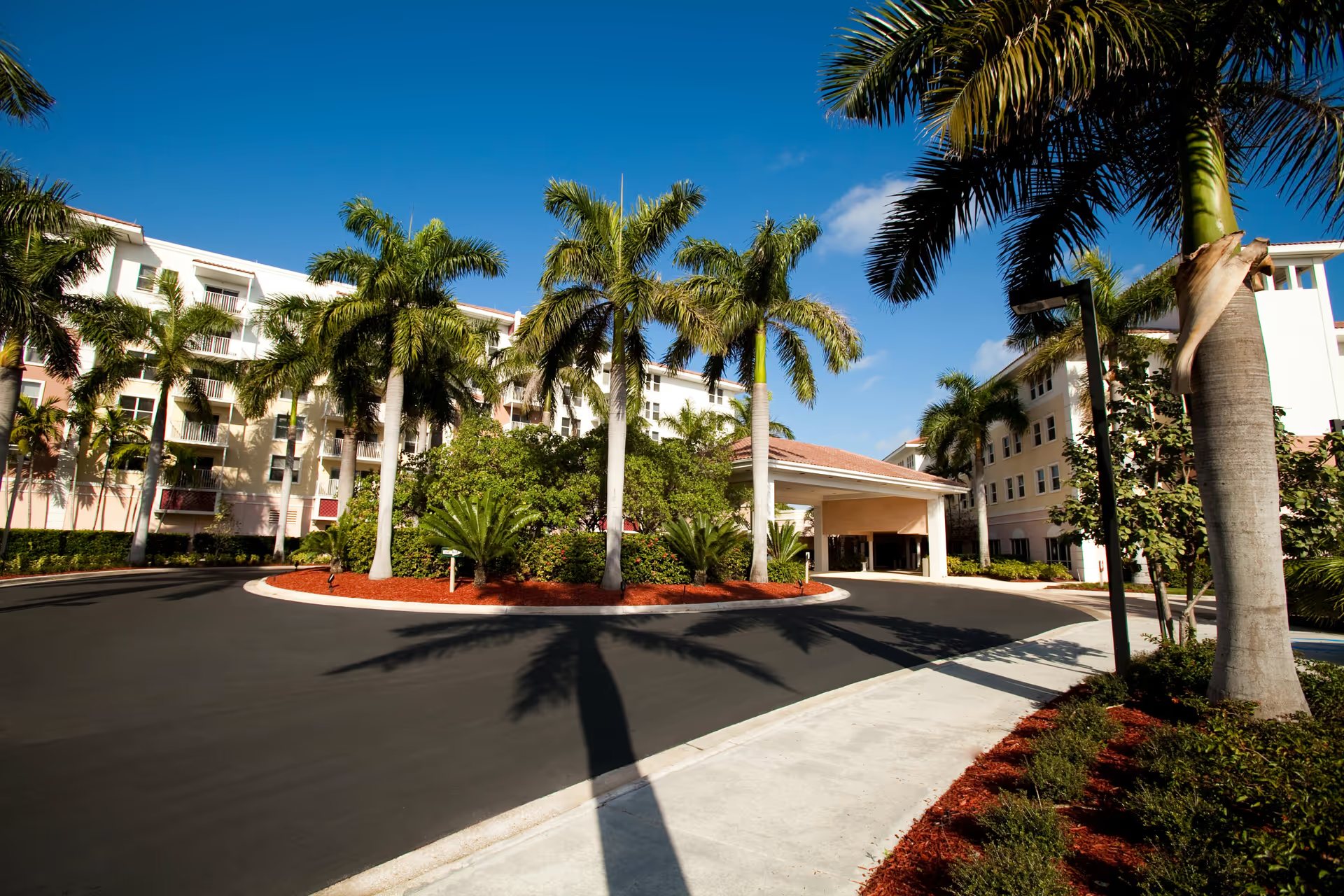
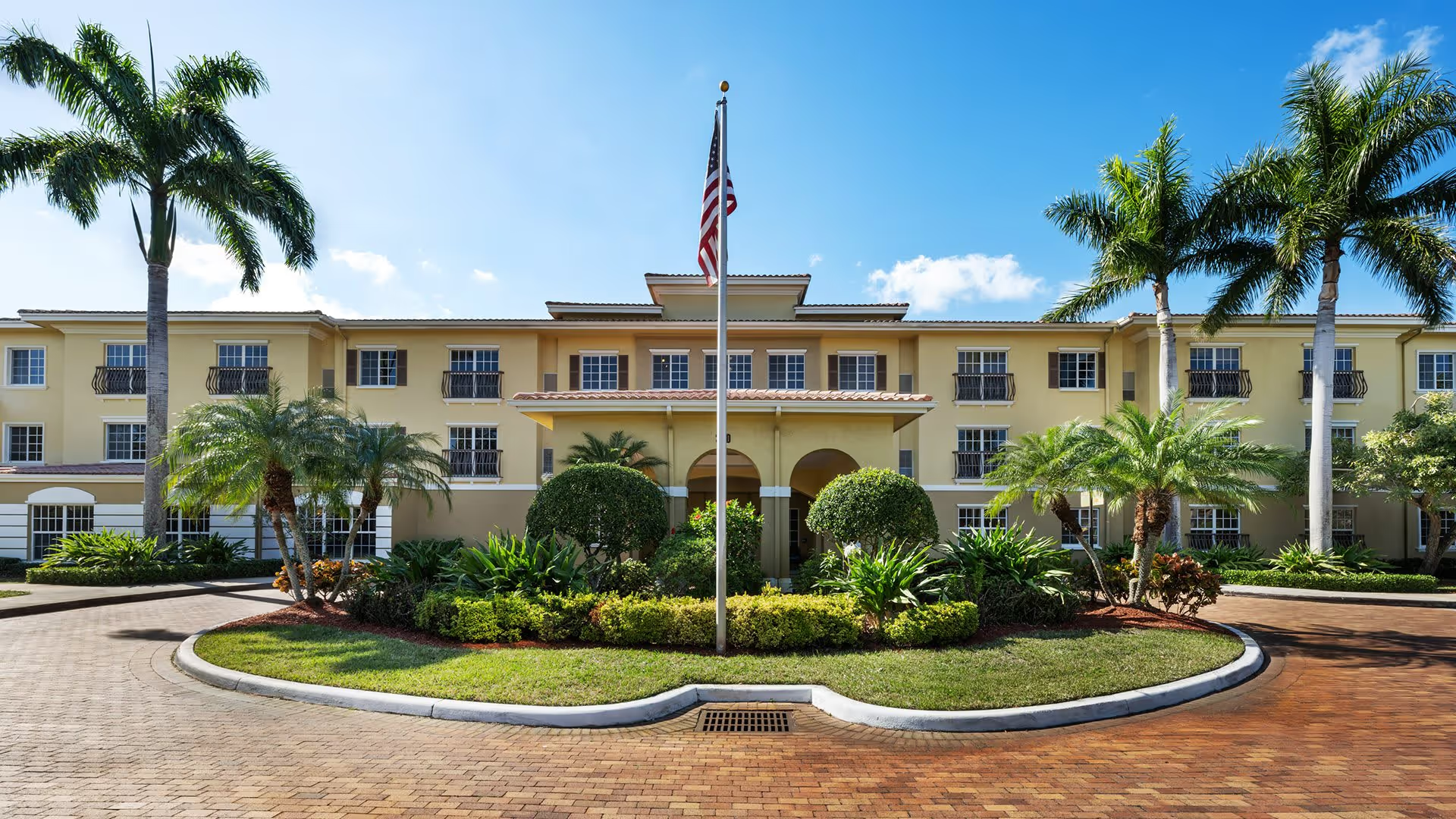
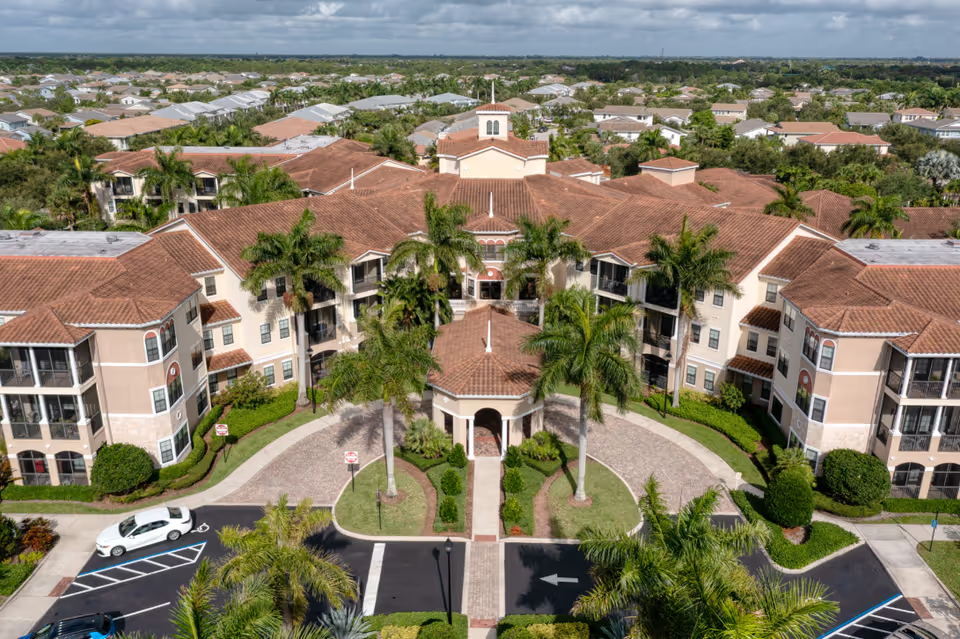
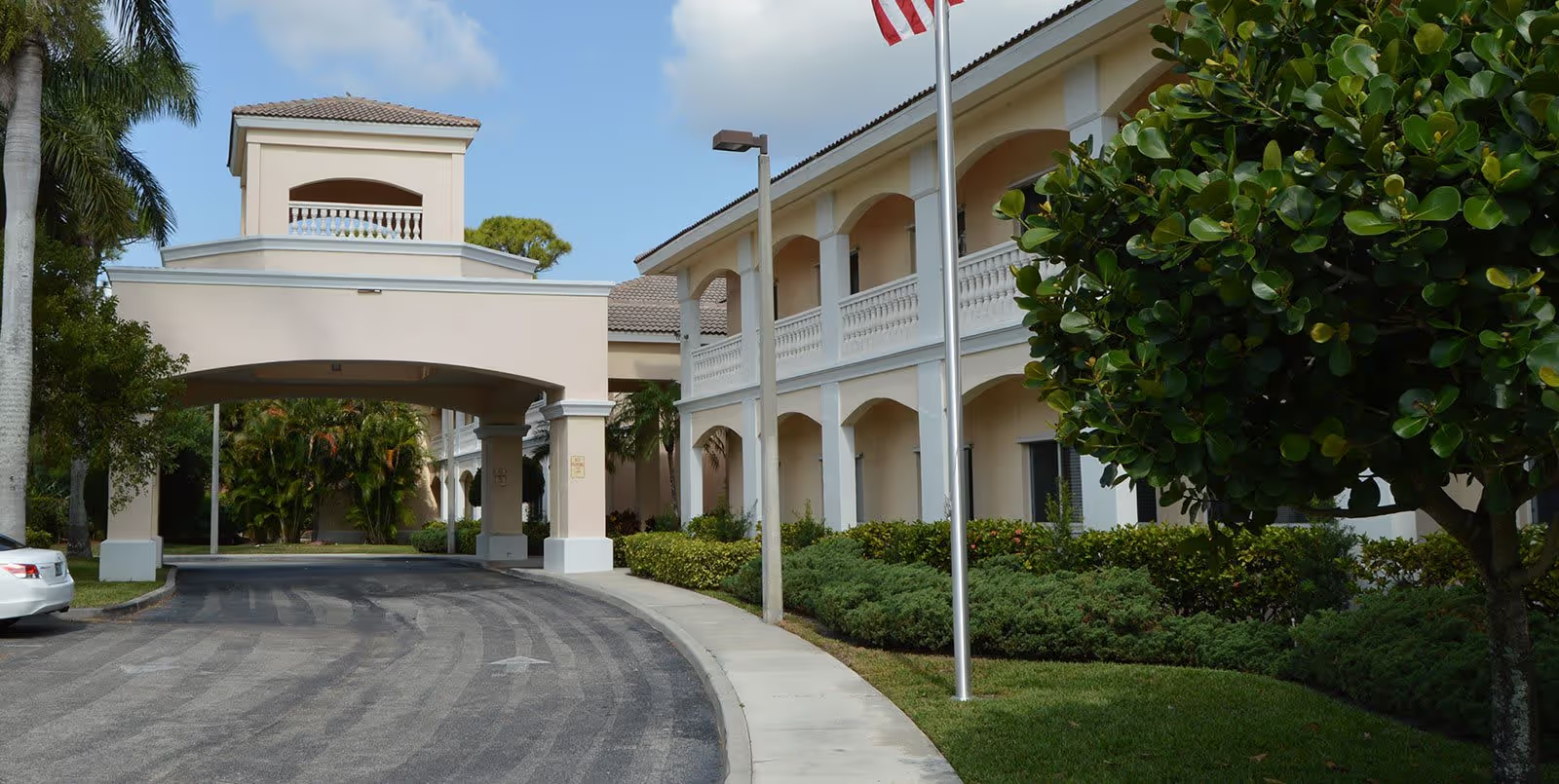
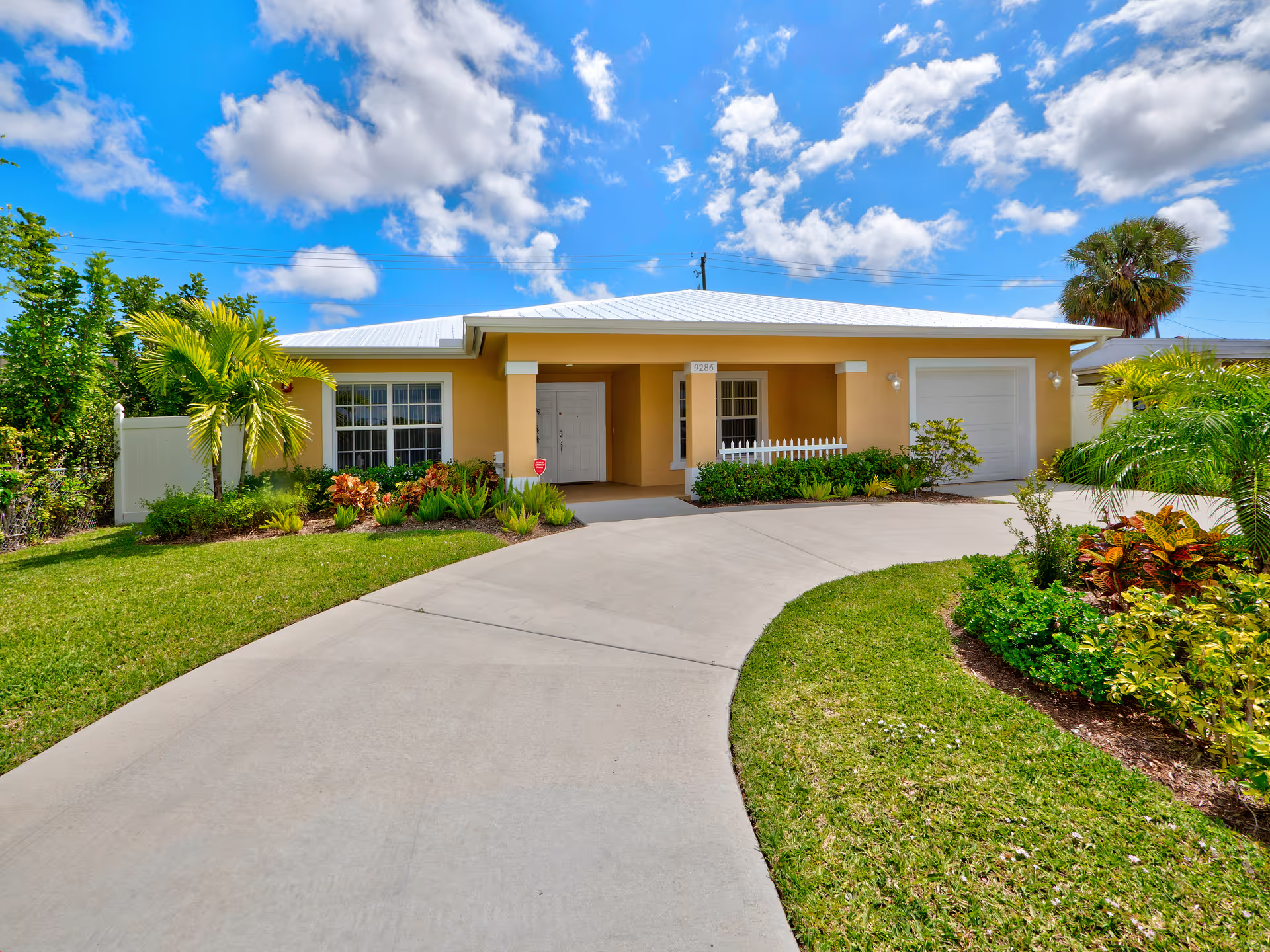
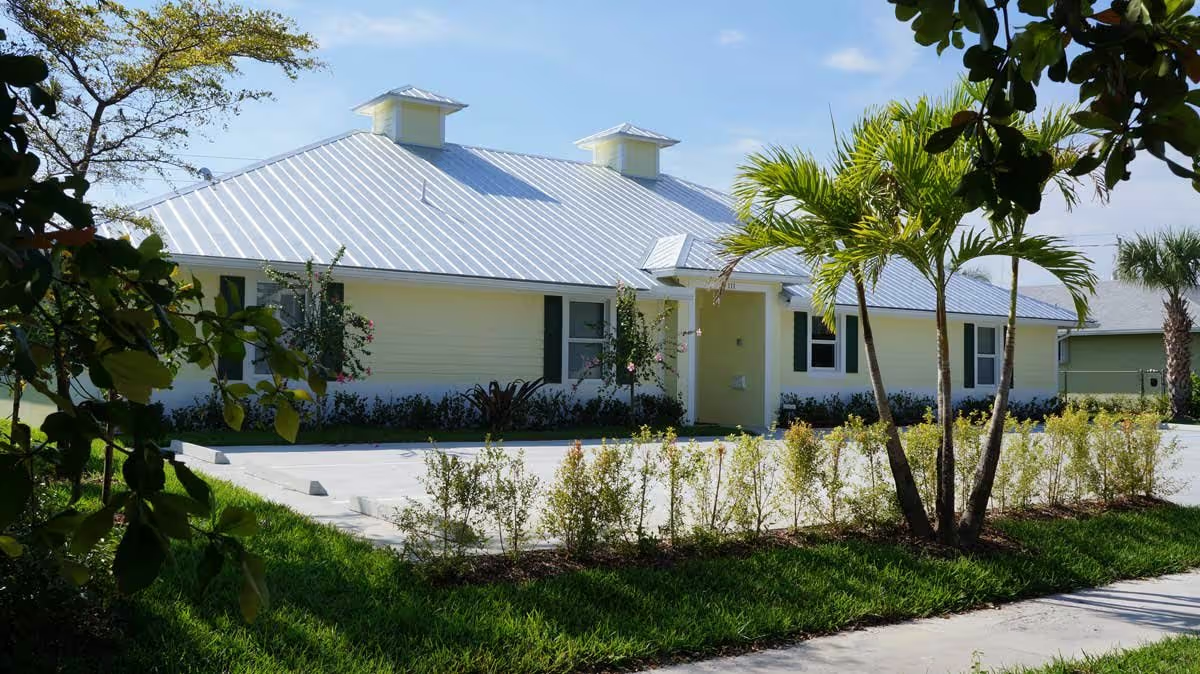
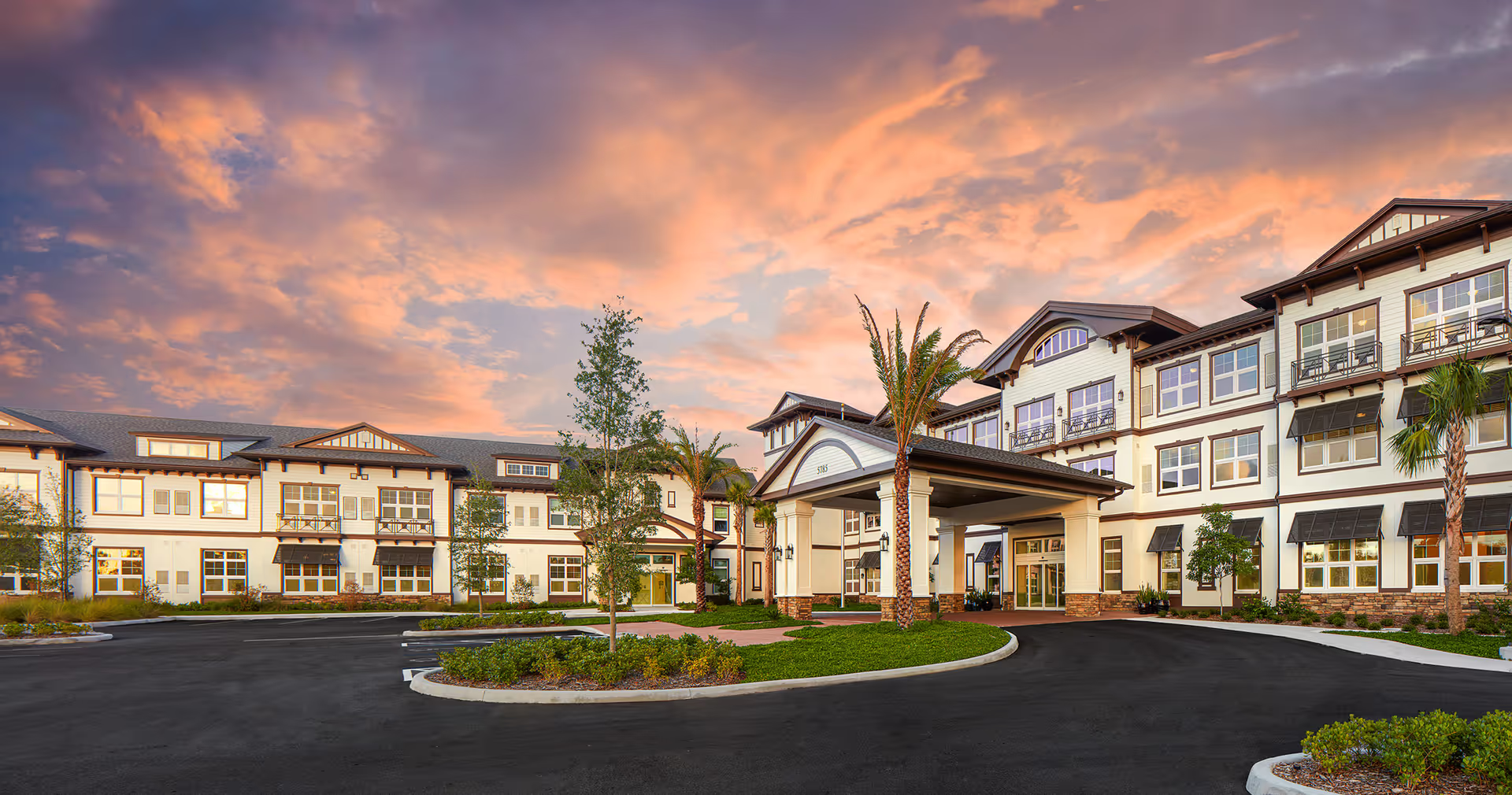
Overall impression: Reviews paint a mixed but largely positive picture of the community as a well‑appointed, resort‑like senior living option with many strengths in hospitality, dining, and social programming. The property is described repeatedly as clean, attractively renovated, and thoughtfully landscaped with pleasant courtyards, theater and exercise amenities, and hotel‑style common areas. Many families and residents emphasized the quality of the dining program, professional service, and chef engagement, as well as a broad calendar of activities and events that support social engagement.
Care and staff: Strengths center on the caregiving team. Numerous accounts highlight compassionate, personable staff including experienced CNAs, licensed nurses, and long‑tenured employees who know residents’ routines. Executive leadership with clinical credentials (including a registered nurse director) and hands‑on managers are noted as positive contributors to clinical oversight in several accounts. At the same time, a recurring operational pattern is inconsistency: staff turnover, variable nurse‑family communication, and intermittent delays in attending to resident needs were described. Specific clinical concerns mentioned include medication‑management inconsistencies and delays in personal‑care tasks; collectively these point to opportunities to strengthen staffing consistency, handoffs, and clinical‑incident communication.
Memory care and clinical oversight: Memory‑care experiences were mixed. Some families praised compassionate, skilled memory‑care staff and meaningful programming that improved quality of life. Others described variability in supervision, limited staffing at certain times, and concerns about unit security and in‑room call systems. This suggests that memory‑care staffing models and monitoring practices may differ across shifts or over time and warrant close inquiry during a tour or family meeting.
Dining and activities: Dining is a clear strength for the community. Reviewers repeatedly describe high‑quality, chef‑led meals, professional dining service, scratch‑made desserts, and memorable special events. Activity programming is extensive with offerings such as arts, movies, fitness, outings, and holiday or charity events that foster community. However, engagement levels vary: some residents are very active and social, while others report stale offerings or low participation in certain periods. Prospective residents should ask about current activity schedules and participation metrics that match their interests.
Facilities and safety: The physical plant receives consistently positive feedback: immaculate common areas, comfortable apartments (including larger units with ample closets), a pleasant design motif, and clear emergency preparedness measures such as a reliable generator and proximity to a medical center. A small number of unit layouts, particularly some studio configurations, were described as compact; families should compare floor plans for fit and storage needs.
Management and operations: Several reviews describe strong, visible leadership and improved operations under new management, including smoother move‑ins and proactive family communication. Conversely, there are repeated concerns about inconsistent responsiveness from management in other accounts, as well as billing and pricing transparency issues. These mixed signals suggest that administrative performance may be in transition; families should verify current leadership, staffing stability, billing policies, and accreditation or regulatory status during a visit.
Notable patterns and guidance: The dominant positive themes are caring staff, high‑quality dining, attractive facilities, and active social life. The dominant concerns are operational: staffing consistency, communication gaps with families, variable memory‑care experiences, and occasional clinical or medication management lapses. For prospective residents and families, recommended due diligence includes touring multiple unit types, meeting nursing leadership, asking about staffing ratios and turnover, reviewing incident‑reporting and family‑communication processes, confirming in‑room call systems and emergency procedures, and clarifying billing and accreditation documentation. These steps will help align the community’s clear hospitality strengths with each resident’s clinical and care needs.