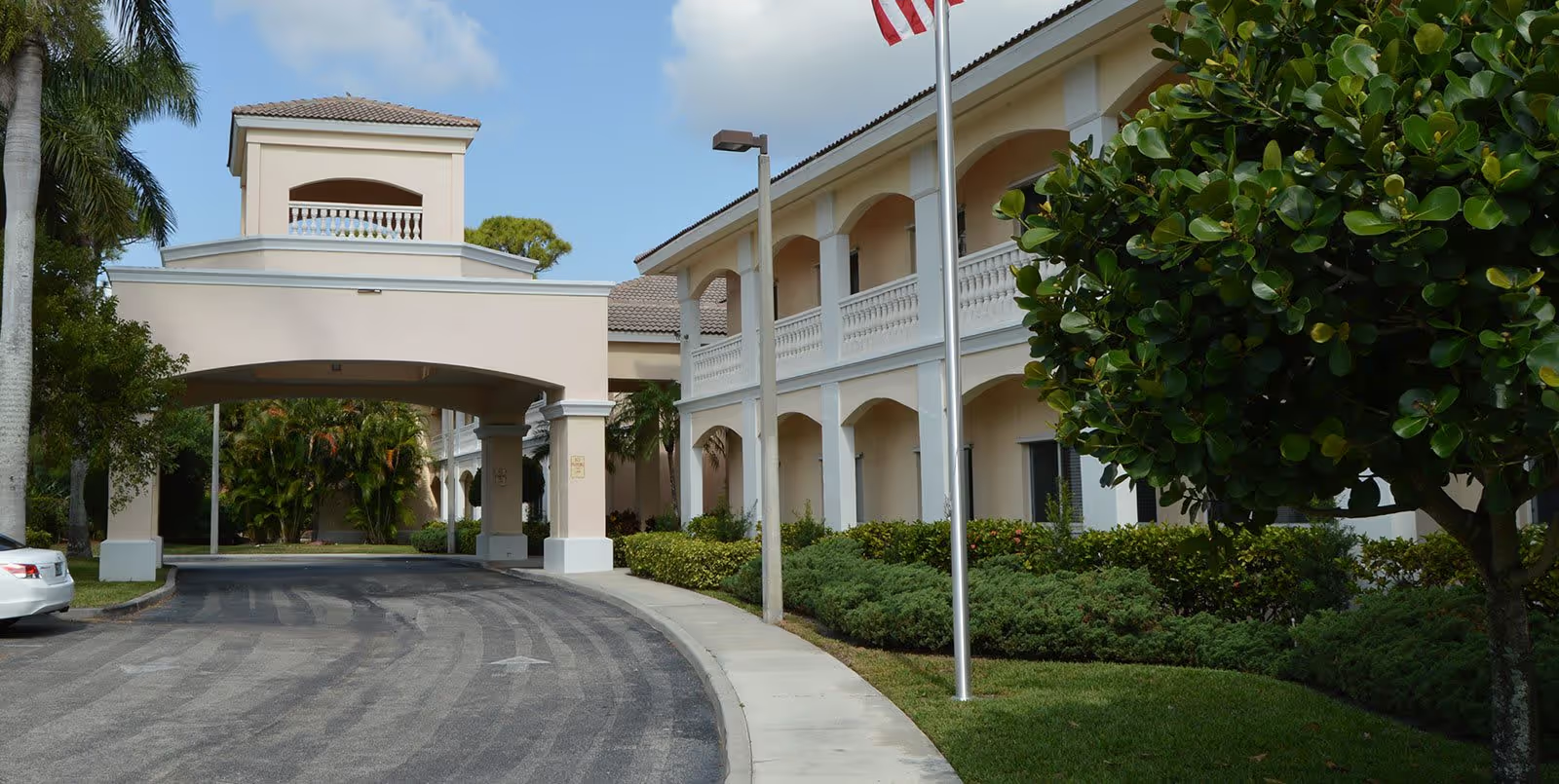
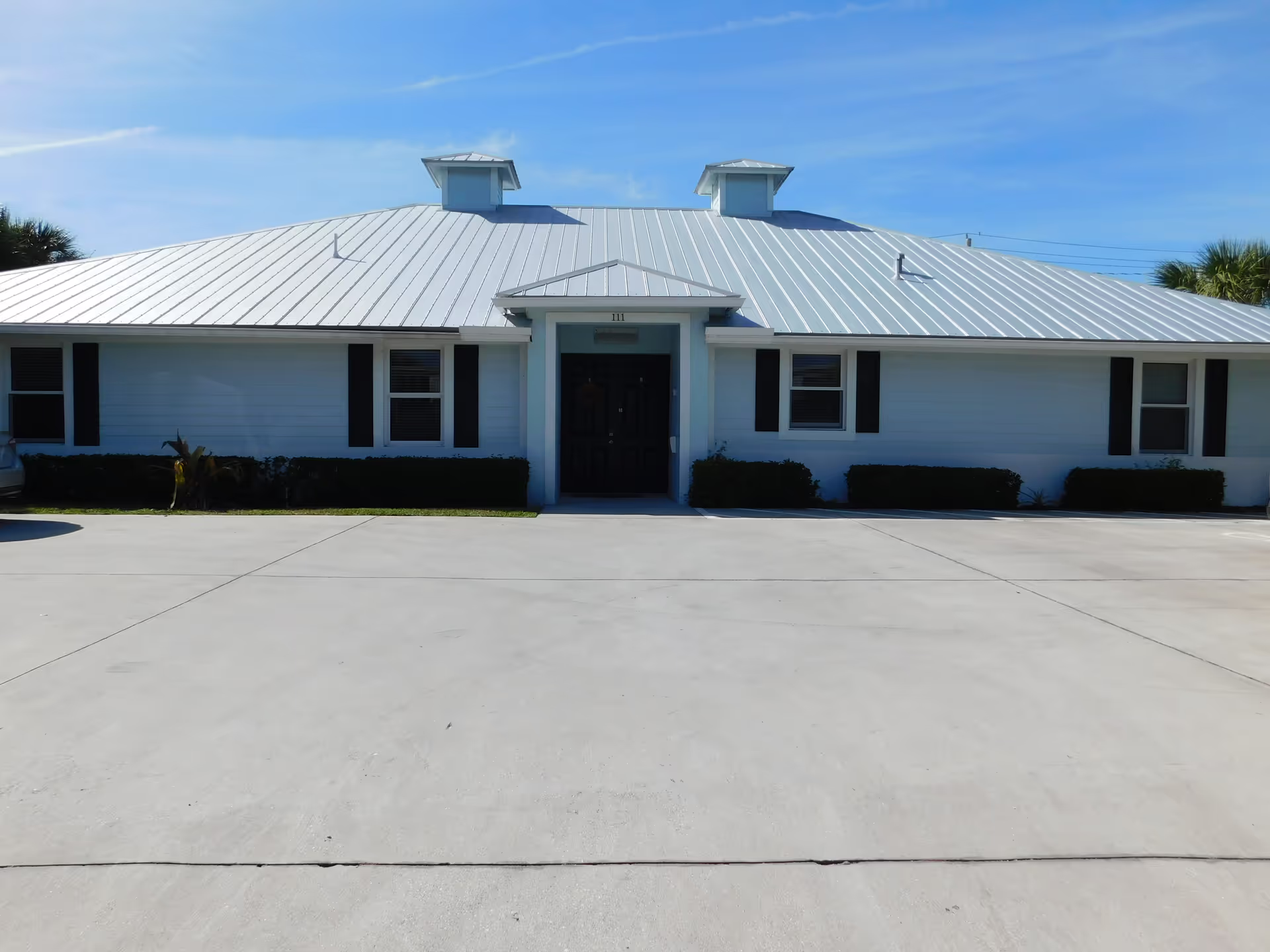
Atria Park of St. Josephs presents a mixed but broadly textured picture. Many families emphasize a warm, home‑like culture with compassionate caregiving staff and attentive nursing teams; reviewers frequently praised specific leaders (Director of Nursing, executive staff, and resident services) for hands‑on involvement and smooth move‑in or discharge coordination. The community is noted for a strong social environment: high‑quality dining with varied menus, plentiful activities (arts and crafts, games, Bible study, happy hour, outings), and multiple amenities including salon, chapel, movie theater, courtyard, and therapy services. Smaller memory‑care neighborhoods and pet‑friendly policies are additional strengths for families seeking an intimate setting with active programming.
Care quality shows a split pattern. Numerous accounts describe dedicated, skilled caregivers and clinicians who provide reassuring, personalized attention; some families reported exceptional end‑of‑life and rehabilitative care. However, recurring operational issues were also described: inconsistent medication administration and documentation, staffing shortages or turnover that affect coverage, and gaps in nurse availability and family communication. These clinical and communication inconsistencies appear to be a primary driver of dissatisfaction in cases where residents required closer clinical supervision or had acute medical needs.
Dining and activities are consistent highlights. The food quality, menu variety, and dining‑room service received frequent positive remarks; social programming is robust, well organized, and inclusive of family participation. Reviewers also cite strong transportation and outing offerings and a wide range of on‑site social and therapeutic activities that support resident engagement and quality of life.
Facility and maintenance observations are mixed. Many families found the campus clean, well maintained, and comfortable, with attractive common areas and private suites that include en‑suite bathrooms and storage. At the same time, portions of the community were described as having older decor, smaller apartment footprints, and maintenance responsiveness issues (including pest‑control and timely repairs). Some reviewers raised sanitation and odor concerns in specific areas, and prospective residents should verify unit condition during a tour.
Management and policy patterns show strengths and weaknesses. Leadership visibility and proactive pandemic response earned positive comments, and several staff members were singled out as dependable and compassionate. Conversely, reviewers described a perceived disconnect between upper management and frontline execution, inconsistent handling of billing or placement disputes (including at least one allegation of coercive discharge practices), and variable enforcement of activity scheduling and care‑plan follow‑through. Cost was a recurring concern: several families cited high fees and additional charges for one‑to‑one care when resident needs increased.
Overall, Atria Park of St. Josephs may be a good fit for families prioritizing social engagement, dining quality, and a family‑oriented staff culture. Prospective residents and their families should, during a visit, probe clinical operations: medication‑administration protocols, nurse coverage hours, policies and costs for 1:1 care, sanitation and pest‑control procedures, and how the community manages billing or placement disputes. Verifying room condition and the consistency of memory‑care supervision is advisable when care needs include cognitive impairment or frequent clinical oversight.