Reviews of LaBelle Health and Rehabilitation Center present a mixed but clearly patterned picture. Many families and visitors praise the staff, social‑services team, and therapy programs, describing a home‑like atmosphere and personalized attention. At the same time, a subset of accounts raise significant operational and clinical concerns. Prospective families will see both strong points to the facility’s model of care and areas where they should seek clarification during a tour.
Care quality and staff: A dominant positive theme is staff compassion and engagement. Nurses, CNAs, therapists, and social‑services personnel are frequently described as attentive, communicative, and willing to go beyond baseline duties to support residents and families. Multiple reviews identify standout employees in admissions, social work, and nursing who facilitate transitions, discharge planning, and ongoing family communication. Conversely, reviewers also note variability in day‑to‑day clinical performance. Recurring operational weaknesses include perceived understaffing that can lead to slower response times and spotty follow‑through on higher‑acuity needs. A small number of reviews raised serious clinical concerns, including questions about incident response and end‑of‑life management; these accounts describe gaps in oversight and communication that would merit direct inquiry with facility leadership and regulators.
Dining and activities: Comments about dining are mixed. Several families praise the dietary and kitchen staff, while others describe inconsistent meal quality, limited fresh produce, and meals served below preferred temperatures. Activity programming receives similarly mixed feedback: the therapy/rehab teams are often singled out as effective and goal‑oriented, but the facility’s small activity spaces and reported limitations on programming mean recreational options can feel constrained, especially compared with larger or newer campuses.
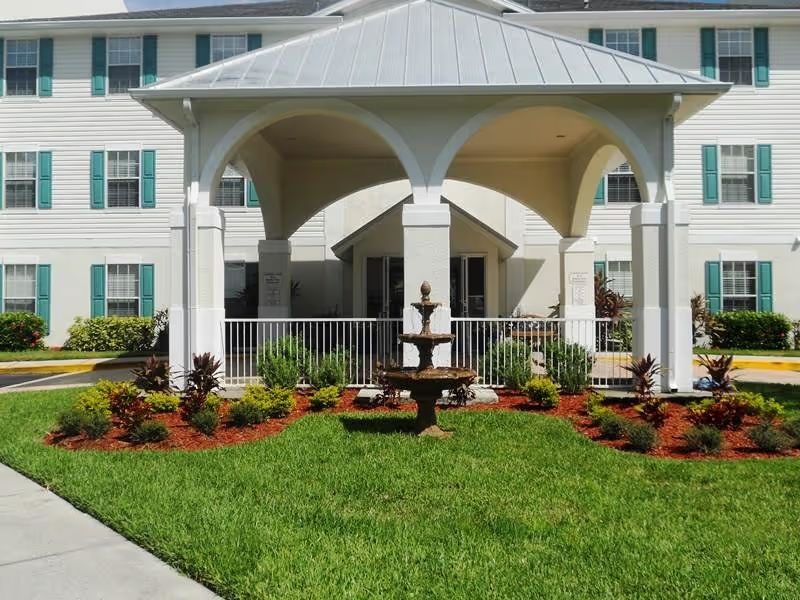
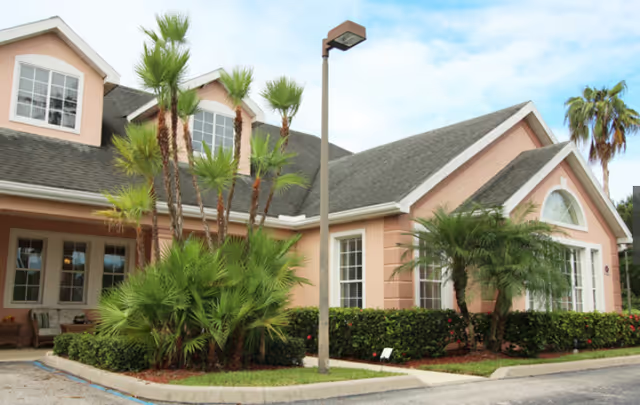
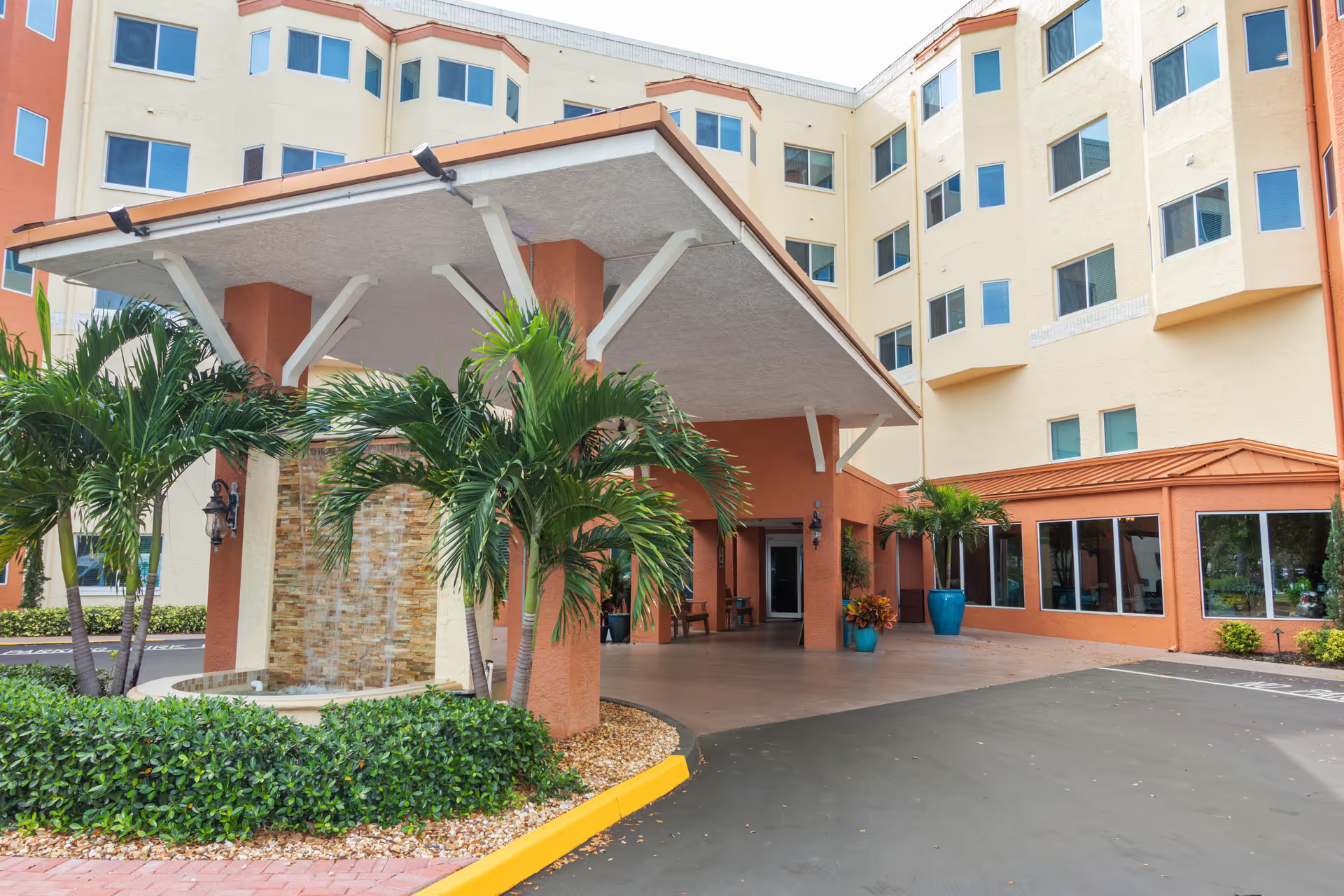
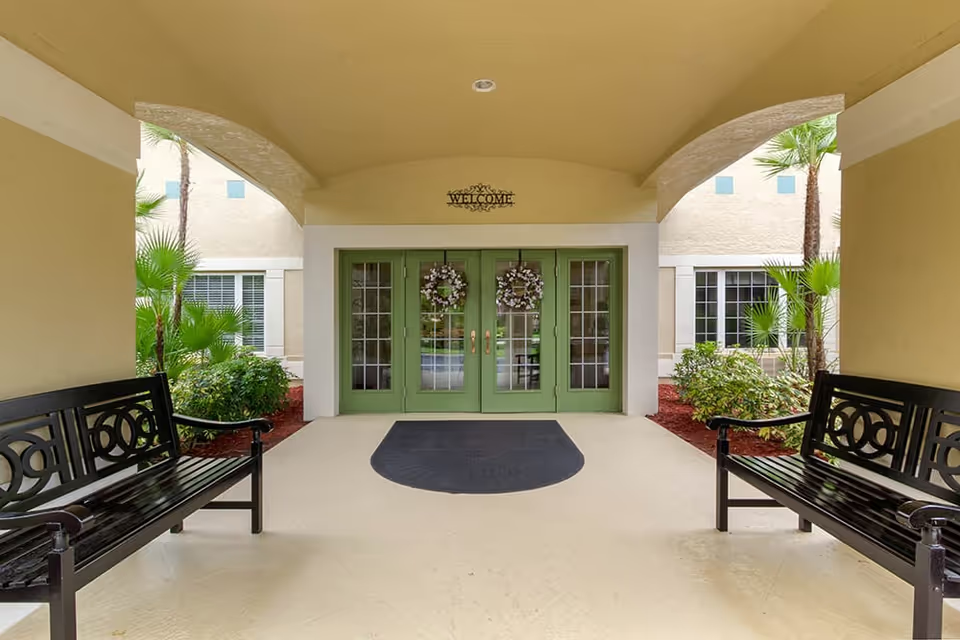
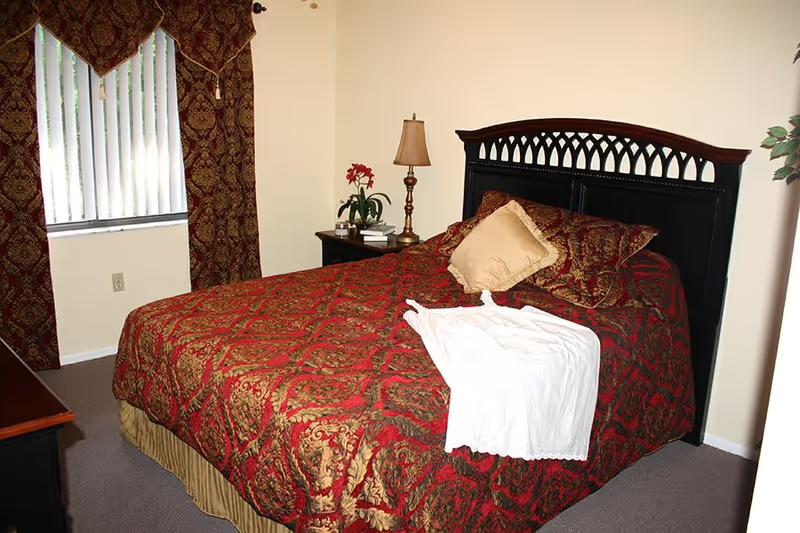
Facilities and environment: Many reviewers appreciate the clean, well‑maintained areas and note routine housekeeping and linen changes. At the same time, the building is frequently described as older with dated décor, smaller shared rooms, and compact dining/activity areas. Some reviews reference sanitation or odor concerns in particular areas and advise prospective families to assess room condition and common spaces in person. Maintenance and environmental staff receive positive remarks for responsiveness and improvements, but the physical footprint imposes limits on amenities and space.
Management and patterns: Administrative and admissions teams, plus social services, are repeatedly praised for help with placement, discharge coordination, insurance questions, and family support. That strong social‑service/admissions presence is a consistent highlight. However, a number of reviewers reported inconsistent communication from certain administrative staff and expressed concerns about an apparent change in service quality after ownership transitions. A few reviewers recommended documenting concerns in writing and, when necessary, escalating to oversight bodies — reflecting the seriousness of some individual accounts.
Overall impressions and recommendations: The dominant pattern is of a facility with many committed, long‑tenured caregivers and strong rehabilitation and social‑service capabilities, offset by operational constraints associated with an older, smaller campus and variable staffing levels. Prospective residents and families should consider an in‑person tour that includes observation of mealtime service, an activity period, and staffing levels on different shifts. Ask specific questions about staffing ratios, clinical incident escalation procedures, recent regulatory findings, meal planning (including availability of fresh produce), and security measures. The facility’s strengths in personalized attention and discharge coordination are notable; balanced decision‑making will benefit from verifying how the facility addresses the operational concerns highlighted above.