The Gardens of Lake Alfred elicits a mixed but patternable profile: many families and residents praise the staff, admissions process, and social programming, while a set of operational and facility-level issues recurs across reviews. Strengths center on person-facing services — several accounts highlight compassionate, attentive caregivers, attentive nursing on many shifts, and individual staff advocates who provide strong family communication and case coordination. The admissions experience is frequently characterized as efficient and supportive, with orientation across departments and timely maintenance assistance at move-in.
Dining and activities are prominent positive features for many residents. The community offers an active, varied activities program (bingo, live music, trips), on-site transportation, weekly beautician/barber services, and social events that support engagement. Meals are described as substantial and adaptable for dietary needs in a number of reports; however, meal quality and service hours appear inconsistent across stays, and the kitchen's limited service window has been flagged as a constraint by some families.
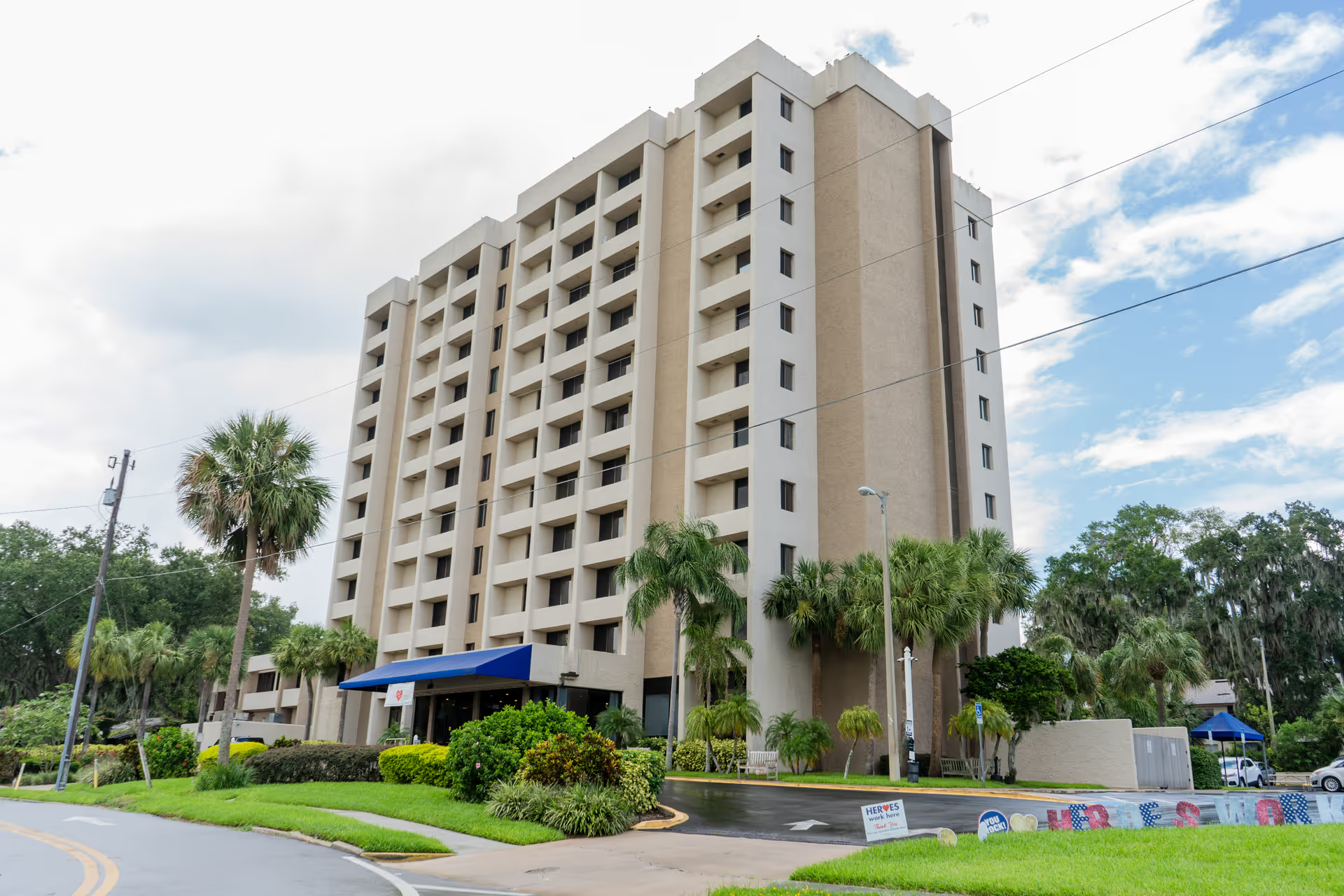
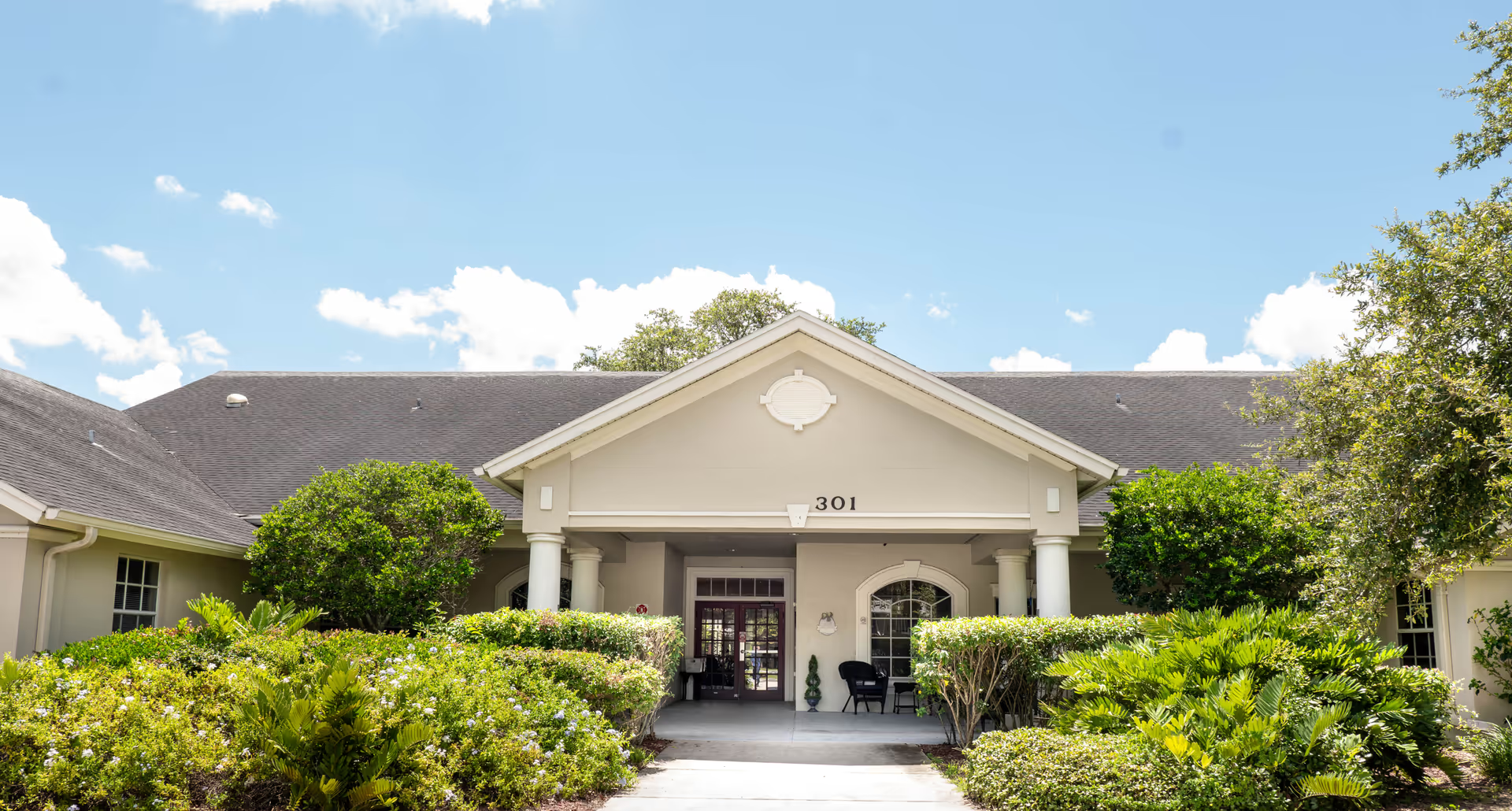
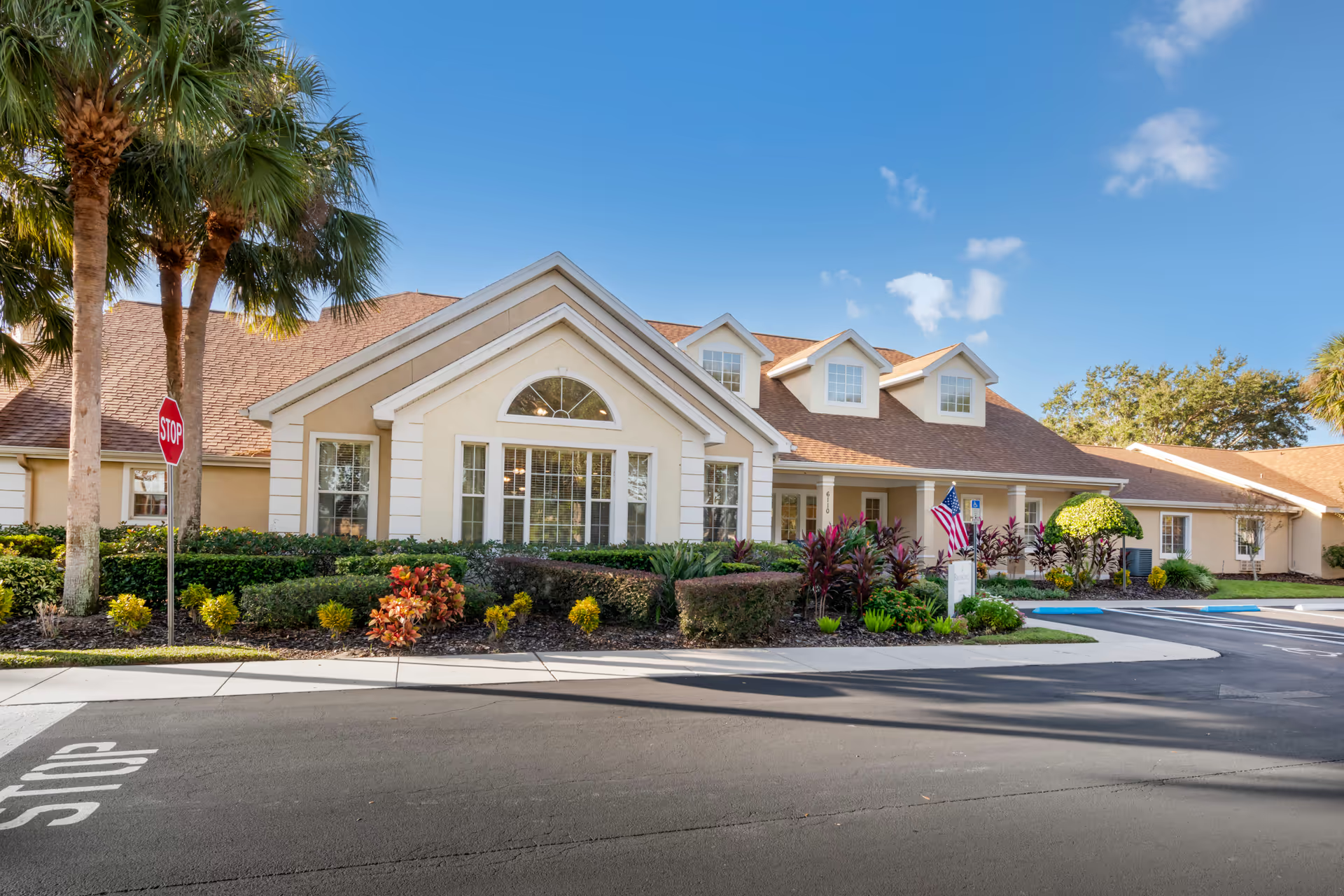
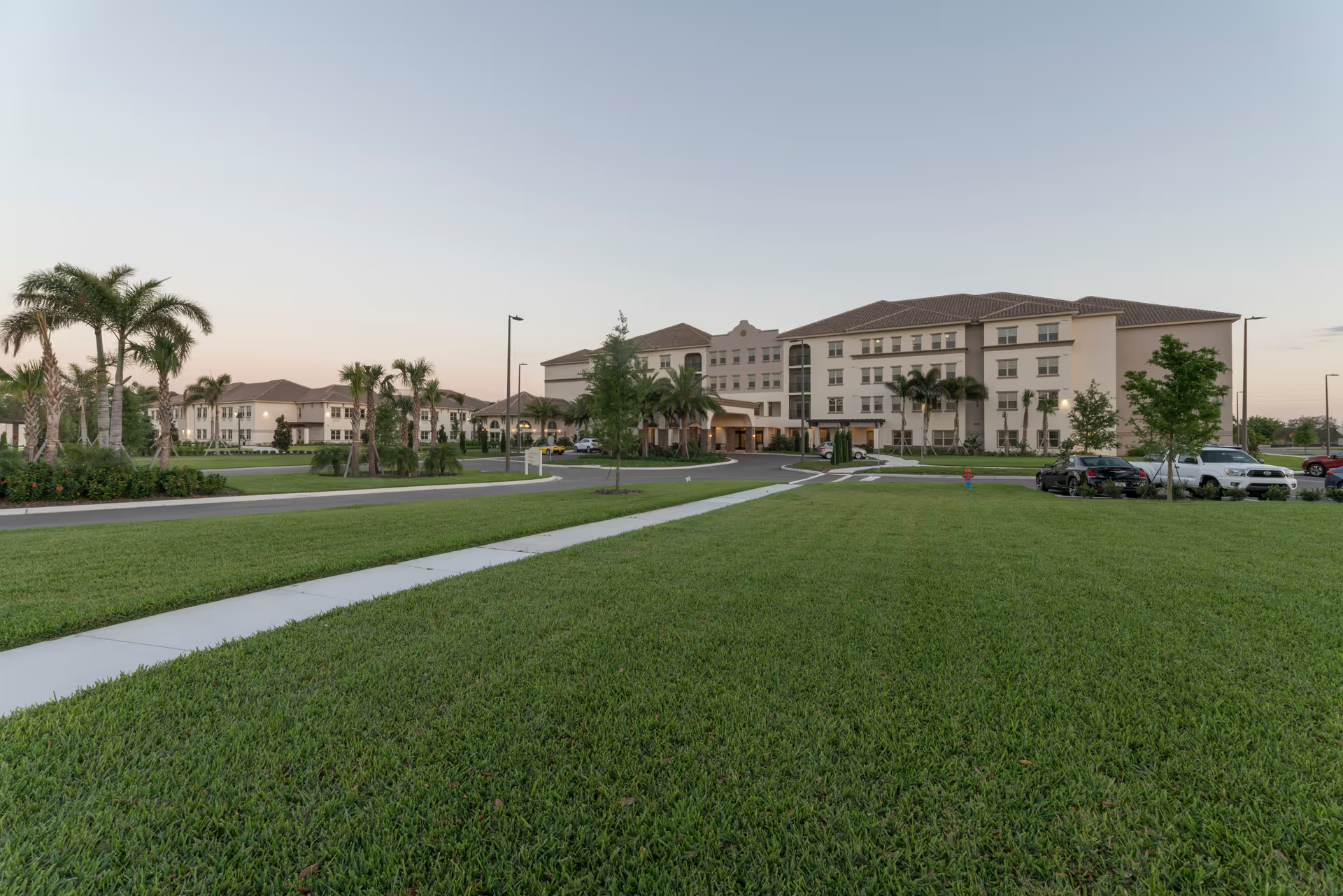
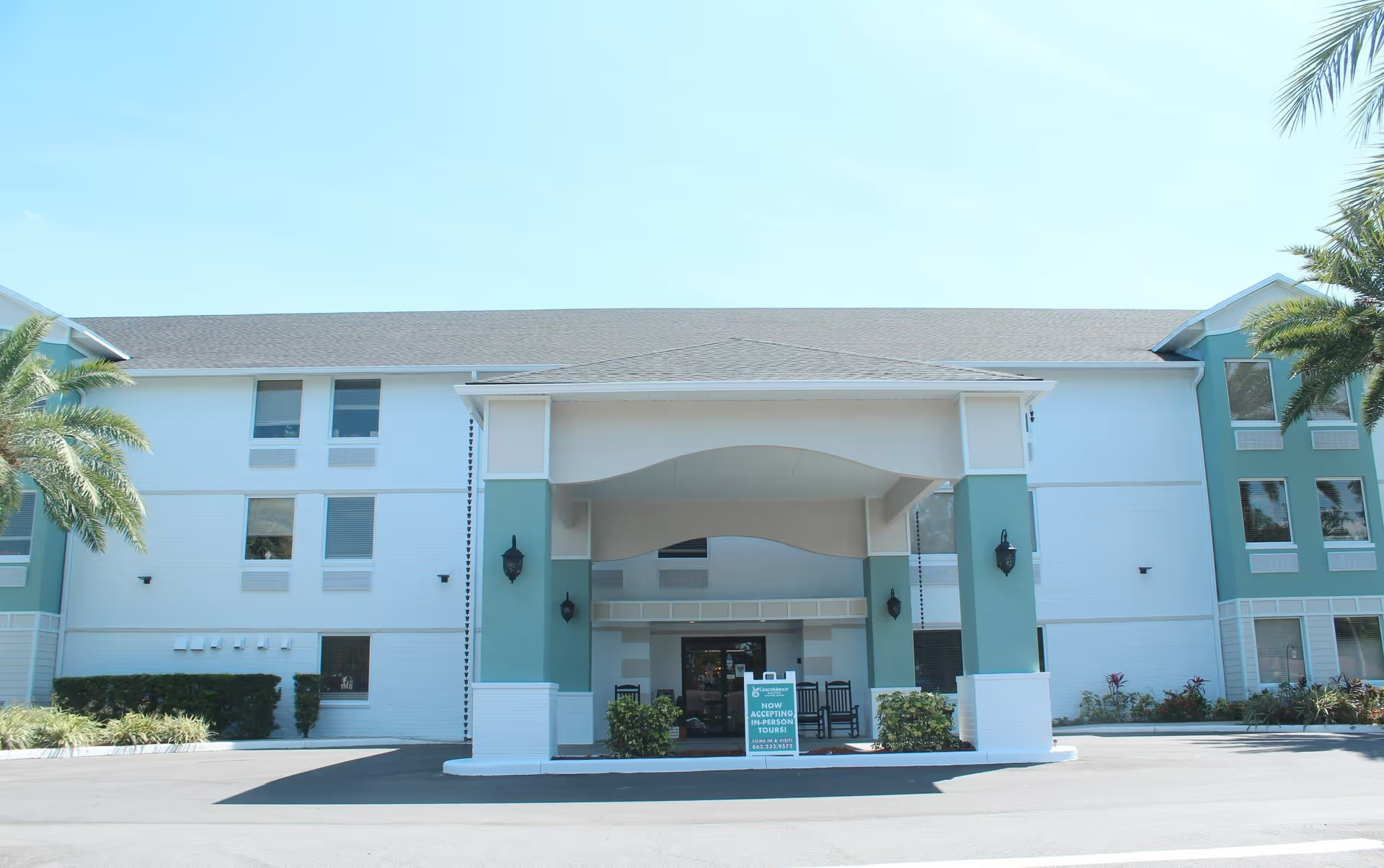
Facility condition and maintenance are mixed. The campus presents attractive public spaces — a large lobby, dining room, and courtyard are repeatedly noted — and parts of the building have been renovated. At the same time, reviewers describe uneven renovation progress and aging infrastructure in certain areas (notably upper floors), along with equipment issues such as elevator and air-conditioning reliability and limited wheelchair-accessible elevator availability. Cleanliness and odor control also vary by unit and floor, creating a contrast between well-maintained common areas and locations with sanitation concerns.
Clinical capacity and day-to-day care reliability are areas to probe. While many reviewers commend nursing expertise and coordinated care, there are consistent accounts indicating the community may have limited capacity for higher-acuity dementia or brain-injury needs. Related operational themes include inconsistent assistance with activities of daily living, fall-prevention gaps, and medication-timing coordination issues; some families described challenges with end-of-life and hospice coordination. These suggest the facility's model may work best for residents with mild-to-moderate needs but may require careful discussion for higher-acuity placements.
Management, communication, and business practices show divergence in experiences. Positive notes include receptive administration, timely maintenance response, and helpful admissions staff. Conversely, other reports point to inconsistent staff communication, delays in callbacks, unresolved billing disputes, and difficulties getting satisfactory responses after move-out. Security and front-desk practices were also cited as inconsistent, with concerns about access control and unattended reception periods.
Recommendation for prospective families: the Gardens offers clear strengths in social programming, an engaged activities calendar, and many caring staff members who facilitate a welcoming community. Before committing, verify specific operational matters important to you: cleanliness standards on the desired floor, elevator and HVAC reliability, staffing levels for the anticipated acuity, medication administration protocols, kitchen service hours, and billing/contract terms. Arrange to speak with nursing leadership about dementia and complex-care experience and request references from families of residents with comparable needs to the prospective resident.