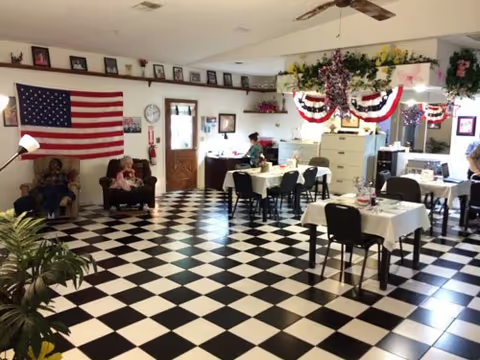
Grace Manor Suites presents a mixed but informative profile. Strengths most consistently attributed to the community are its caregiving staff and the welcoming, family-style culture. Multiple accounts highlight staff who are attentive, friendly, and able to provide individualized attention; the community is frequently described as home-like with a warm atmosphere. Clinically, the facility appears capable of coordinating downstream services such as physical and occupational therapy, skilled nursing follow-up, and diabetes management, and there are reports of successful VA coordination and crisis responses when clinical changes occurred.
Dining and activity offerings are prominent features of the community. The facility provides an active calendar — crafts that support fine motor skills and reminiscence, games, group entertainment, outings, and on-site amenities (movie and game rooms, library, courtyard). Many residents and families find these programs social and mood-improving. Dining spaces and common areas are regularly described as clean and attractive, and some families report good meals and meal-alternative options. However, dining quality is inconsistent across accounts: concerns include repetitive, starch-heavy menus, limited fresh produce or lower-carbohydrate choices, occasional shortages (e.g., running out of items), and uneven accommodation of dietary restrictions such as lactose-free or special diabetic menus. Prospective families should verify current menus and special-diet procedures during a visit.
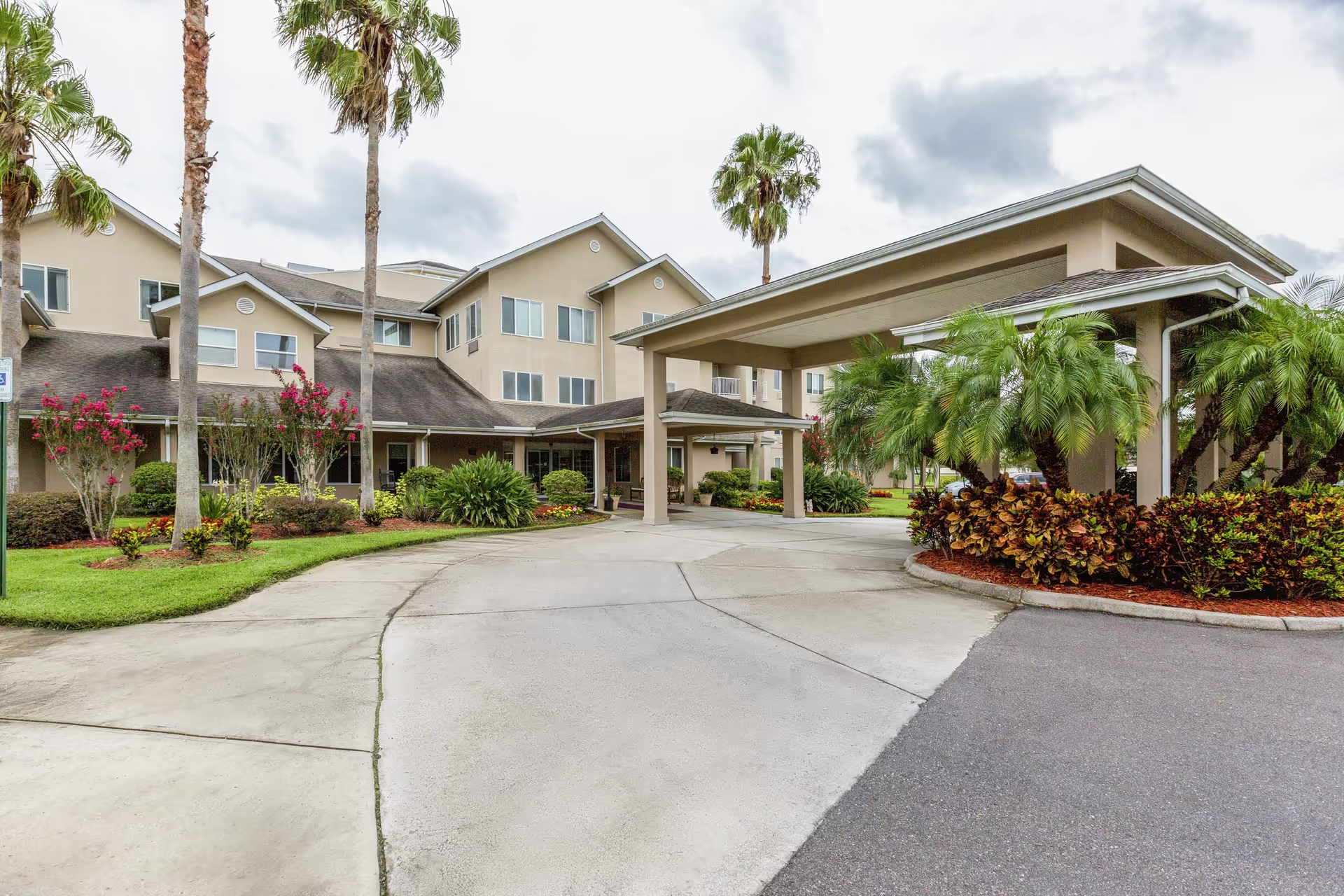
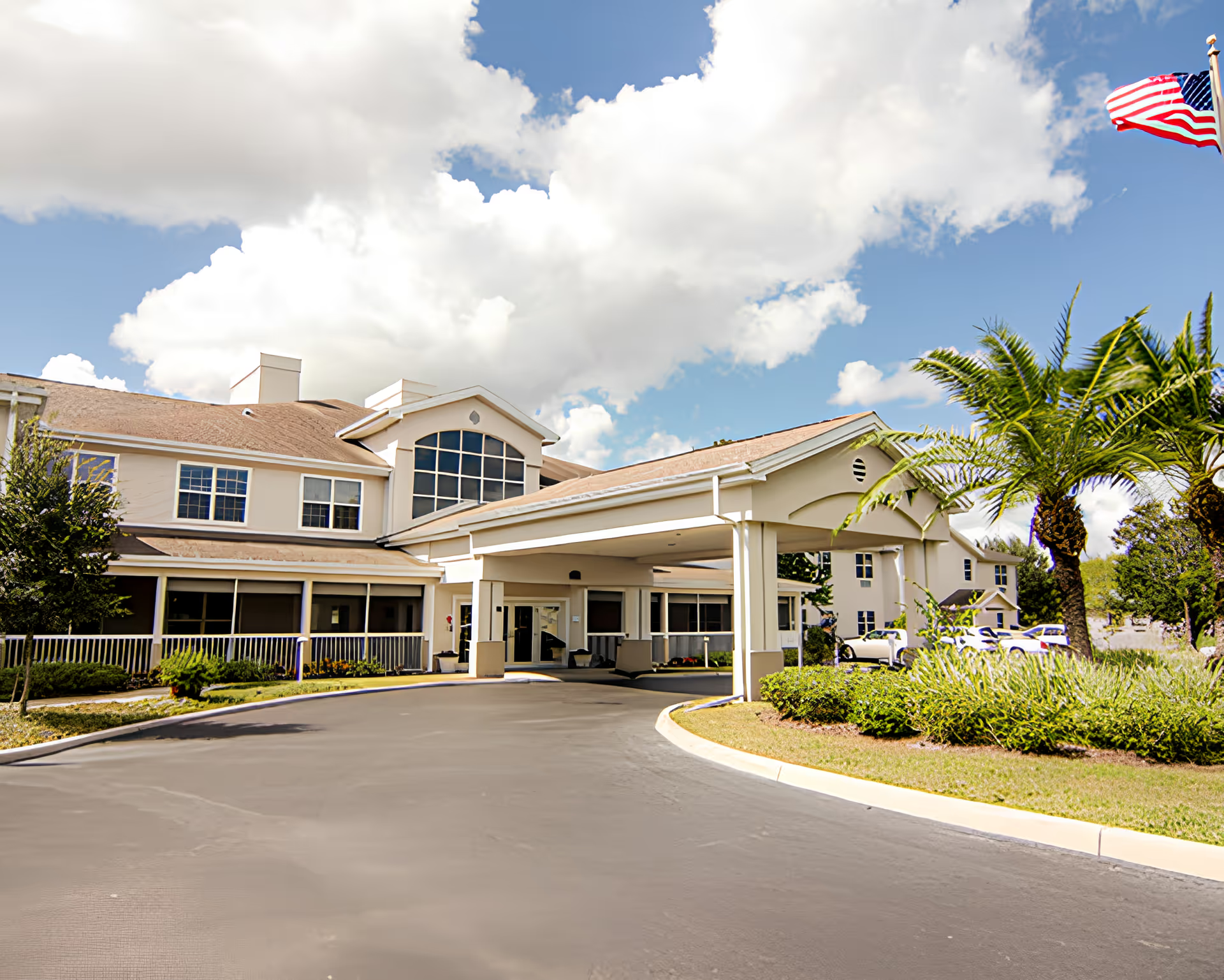
Operationally, the community shows variability. Cleanliness of common areas and décor receive positive comment, yet several reviews describe operational weaknesses that affect day-to-day resident experience: periodic staffing shortfalls and turnover that can reduce assistance with activities of daily living (grooming, reminders, incontinence-care timeliness), inconsistent laundry and housekeeping follow-through in certain cases, and uneven communication from management. There are also descriptions implying gaps in medication-administration documentation and oversight; combined with variable emergency-call responsiveness and isolated safety-system concerns, these items are important areas to confirm with leadership. Room configuration feedback is mixed — some suites are spacious and hotel-like, while other units, particularly double-occupancy layouts, are described as small and potentially difficult for families with mobility needs. The property’s former-hotel layout contributes to attractive public spaces but also to accessibility and circulation issues for some wheelchair users.
Management and admissions practices show both positives and cautions. Several families praise an involved director and approachable staff who facilitate transitions, while others describe inconsistent follow-through on promises, perceived marketing-versus-delivery discrepancies, pressure to change levels of care, and sensitivity to pricing changes. Memory-care services are limited or absent on-site; families seeking a dedicated memory-care unit should confirm availability or transfer procedures. Given the pattern of praise for staff kindness alongside repeated notes of staffing instability and service variability, prospective residents should assess current staffing ratios, turnover history, incident and inspection records (state reports), medication administration and documentation protocols, emergency-call response times, and how dietary and ADL needs are operationally met. Touring during a mealtime and an activity, and speaking directly with care and administrative staff about specific care plans and contingencies, will provide the most reliable view of whether Grace Manor Suites aligns with a particular resident’s needs.