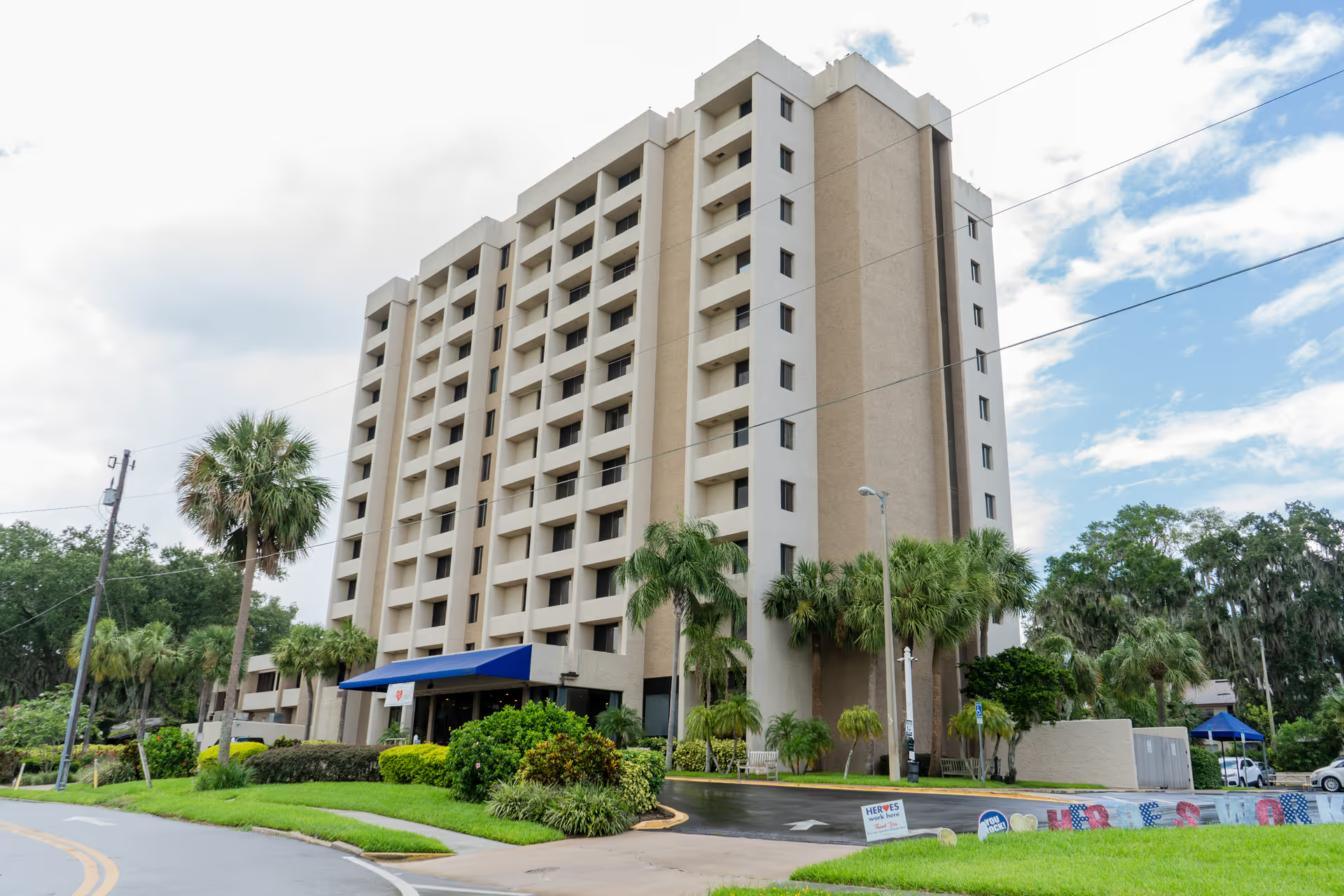
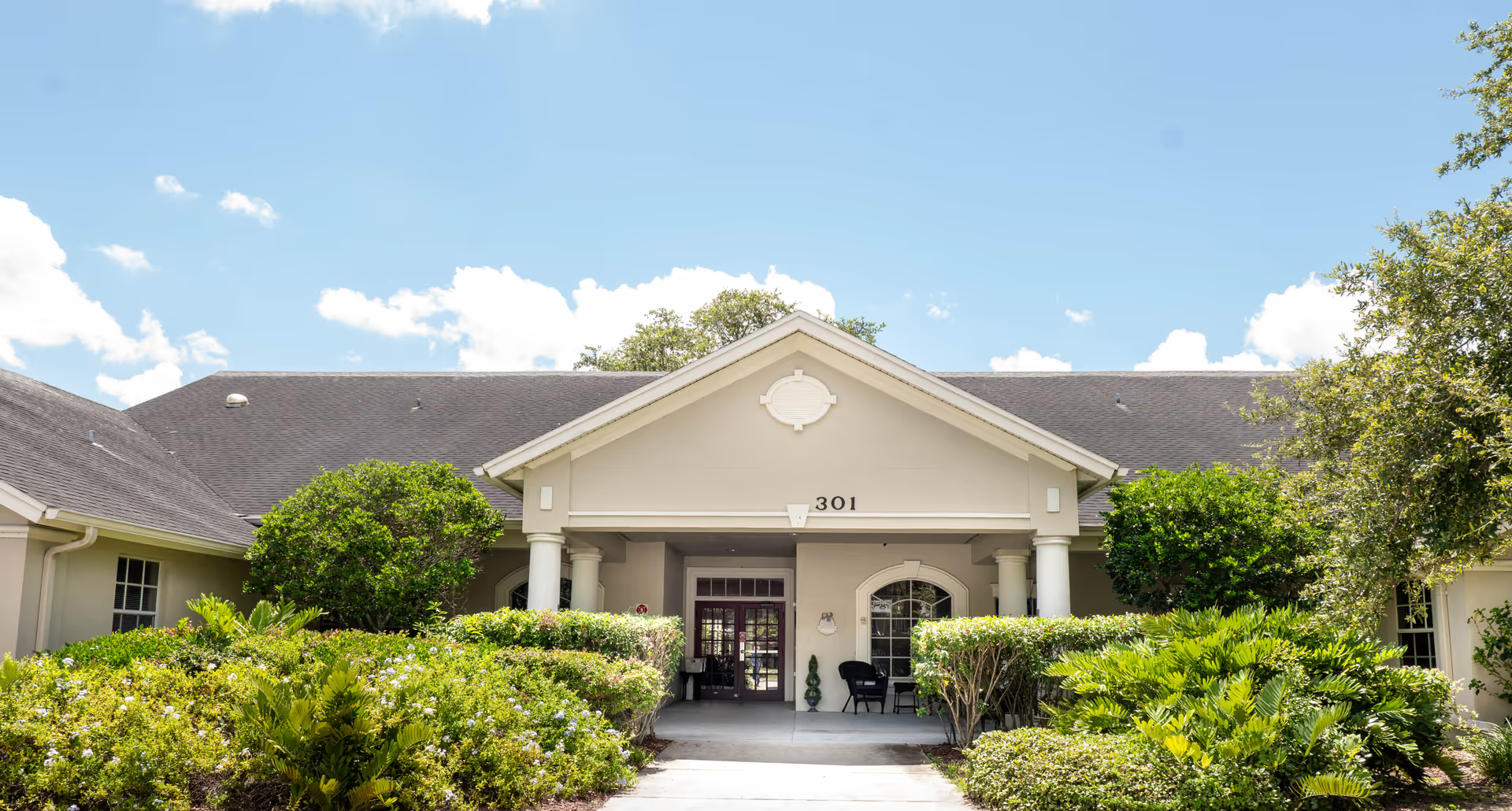
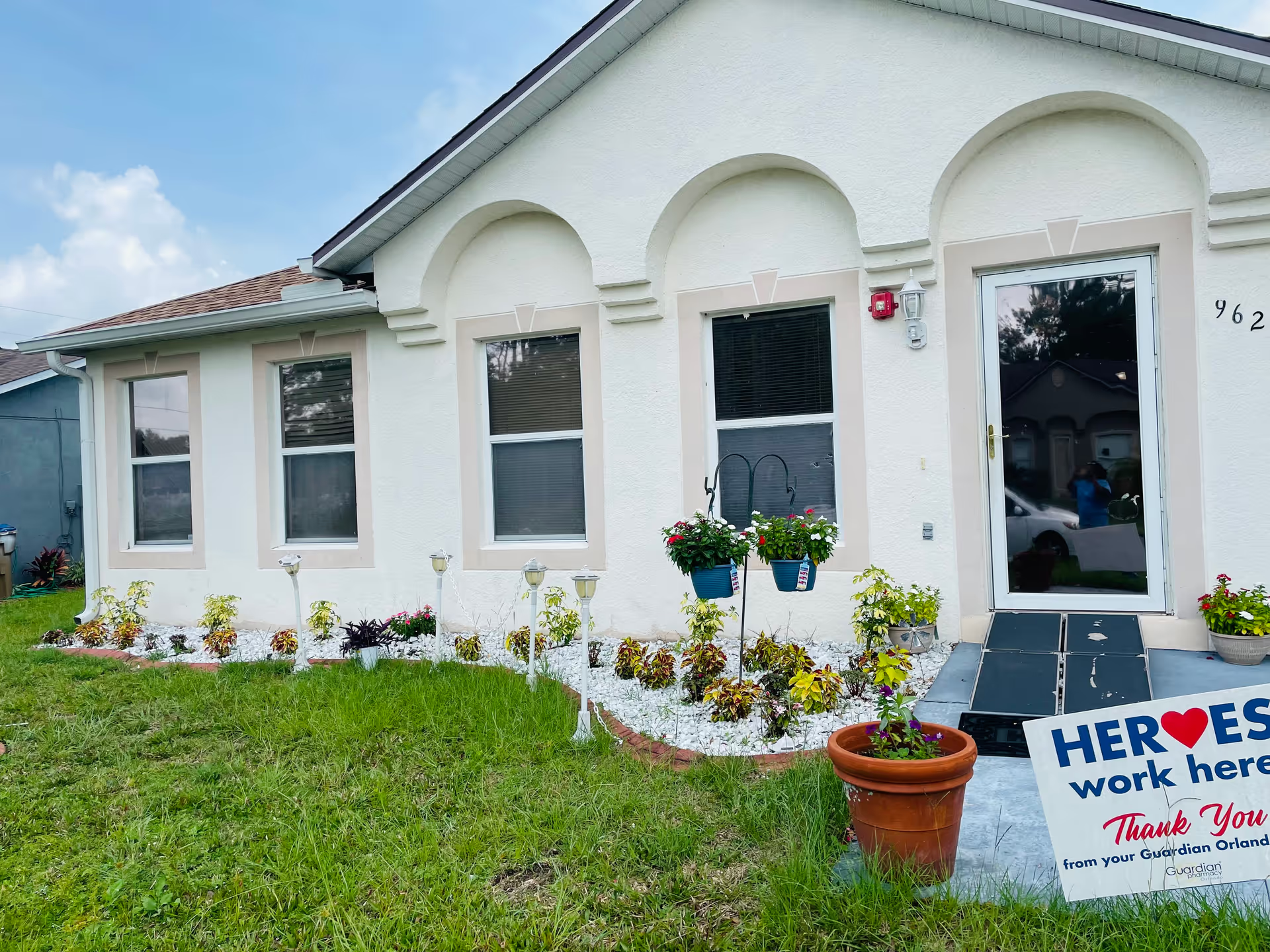
Reviews for Lake Wales Wellness & Rehabilitation Center display a notably mixed pattern: many families and visitors describe positive, rehabilitation-focused stays with compassionate caregivers and strong therapy teams, while other accounts raise operational concerns around staffing, communication, and facility upkeep. The facility's Joint Commission accreditation and frequent praise for individual staff members and therapy outcomes coexist with reports of inconsistent service quality across shifts and units.
Care quality is described as uneven. Numerous comments praise attentive CNAs, therapists, and clinicians who support recovery, mobility, and end-of-life coordination. At the same time, reviewers cite delays in responding to call lights, limited bathing availability, and gaps in follow-up after clinical assessments. Medication management and post-admission medical follow-up are called out as areas with inconsistent performance; these contribute to family anxiety about continuity of clinical care. There is at least one allegation of physical mistreatment that families raised, which underscores the importance of confirming current safeguards and incident reporting processes during any evaluation.
Staff interactions are likewise polarized. Many accounts emphasize friendly, professional front-desk personnel, a welcoming atmosphere, and individual staff members who go above and beyond. Conversely, other reports describe variable communication tone, occasional discourteous behavior, and language barriers that impede family communication. Staffing levels appear to fluctuate; when staffing is adequate, families note frequent checks and good attention, but when coverage is thin reviewers report long delays and inattentiveness.
Dining and activities receive mixed feedback. Several visitors found meals appealing and enjoyed social events and innovative activities coordinated by leadership. Other accounts reference inconsistent meal temperature control, limited activity programming in certain periods, and restricted access to pet-related therapy. Personal-care services such as hairdressing and in-room bathing were described as limited or unevenly available.
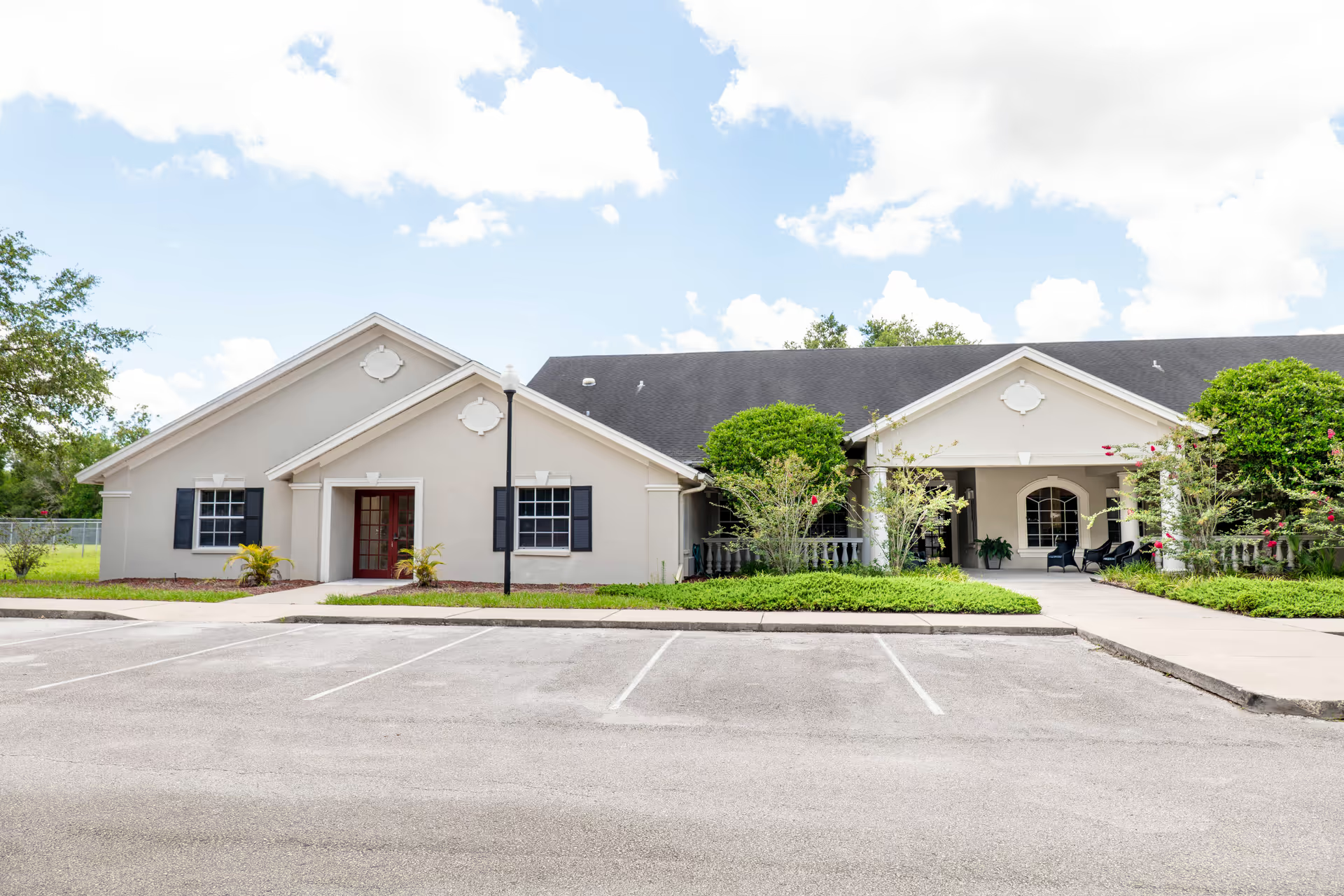
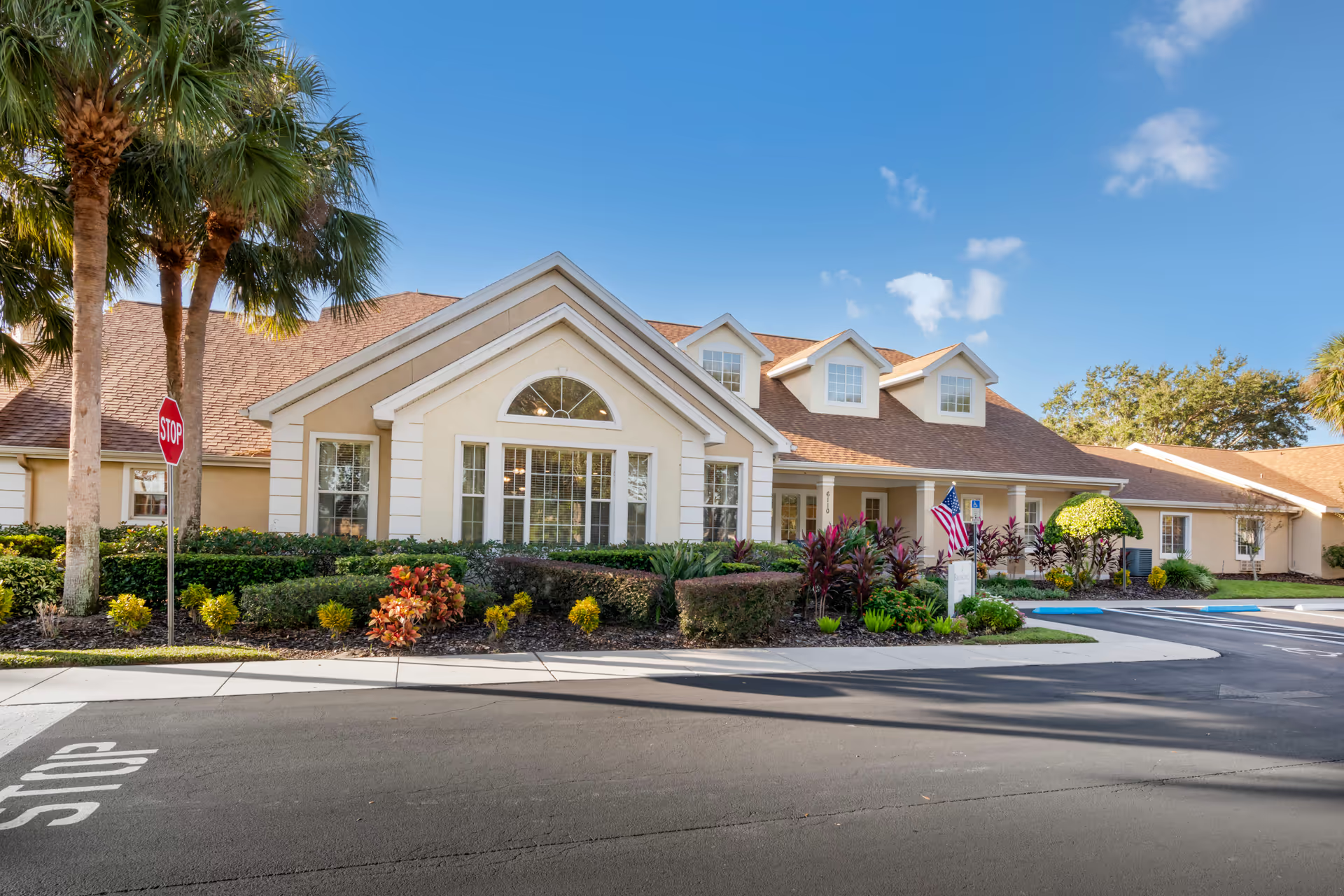
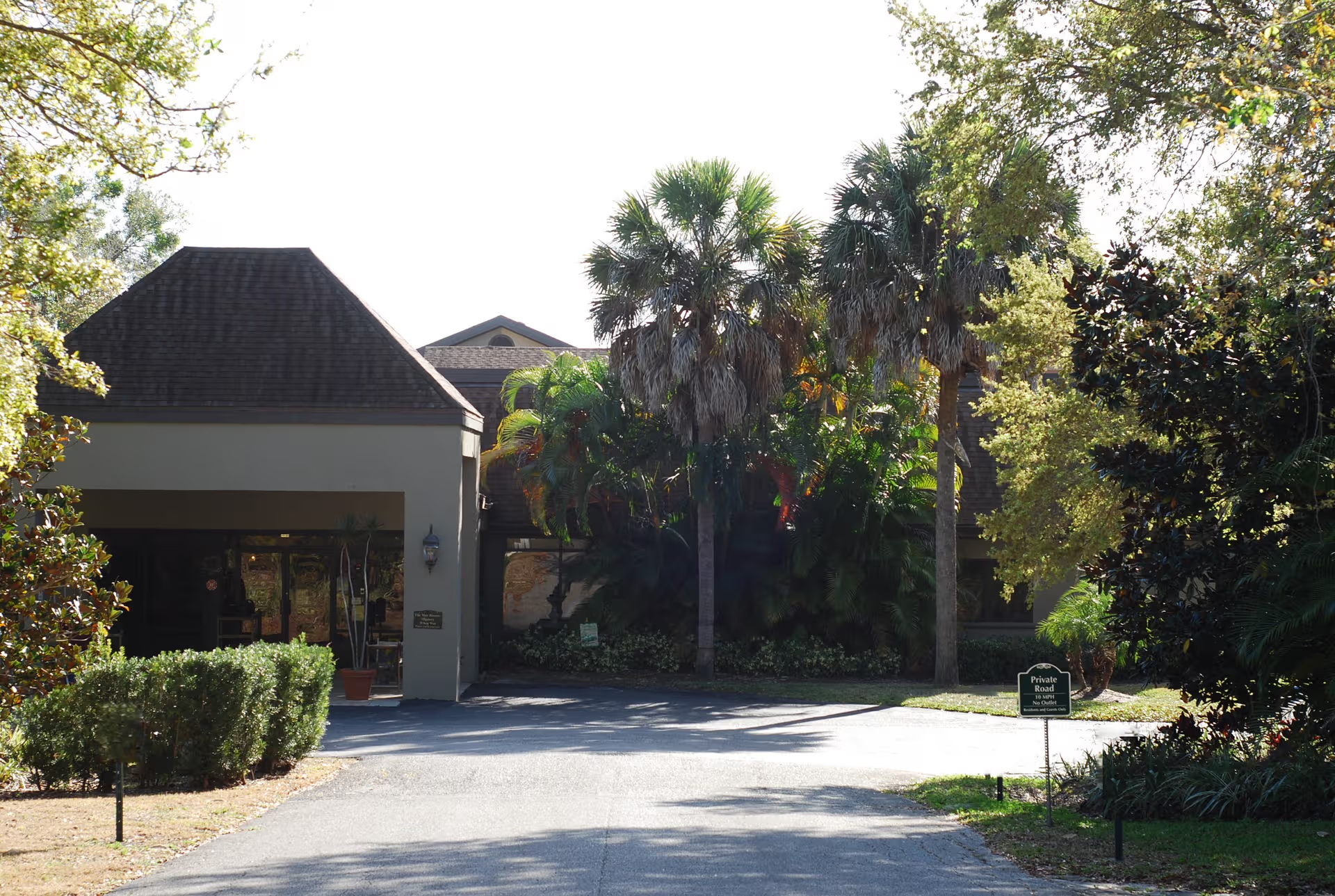
Facility condition and maintenance are also inconsistent across reports. Many visitors describe clean, tastefully decorated interiors and well-maintained common areas; others note maintenance deficits such as leaks, unfinished paint, rusted equipment, and laundry concerns. Sanitation and odor concerns were mentioned in specific units or rooms, suggesting variability in housekeeping processes. A few reviews raised issues about medical-equipment handling, including oxygen-management, which warrants specific inquiry during a tour.
Management and administration draw praise from families who experienced proactive leadership and resolved issues quickly; the administrator and director-level staff receive multiple compliments. At the same time, billing and insurance handling—particularly Medicaid communication and self-pay pricing—are sources of confusion for some families. After-hours access to administrative staff and follow-up on clinical questions are areas where improvement was requested.
Taken together, the pattern suggests that Lake Wales Wellness & Rehabilitation Center can provide strong rehabilitative care and compassionate caregiving under the right staffing and leadership conditions, but service consistency varies by shift and unit. Prospective residents and families should arrange an in-person tour during peak care hours, ask for current staffing ratios, review call-light response-time data, request documentation of medication-administration and equipment-maintenance protocols, clarify billing and insurance procedures, and inquire about the scheduling and consistency of personal-care services and activities before making placement decisions.