Life Care Center at Inverrary presents a mixed but generally favorable clinical and rehabilitative profile. Strengths that recur throughout the reviews include a skilled, outcome-focused therapy department (physical, occupational, and speech therapy) with modern equipment and measurable functional gains for many patients. Nursing leadership and front-line caregivers are frequently described as compassionate and attentive; families commonly cite individualized attention, visible staff presence, and coordination with hospice when indicated. Admissions, business-office staff, and some case managers are noted for clear communication about insurance and billing, which facilitates transitions for many families.
Clinical care quality shows notable positives alongside operational variability. Therapy teams are repeatedly praised for effectiveness and patient encouragement, and many residents achieve successful discharges home. At the same time, several reviewers describe lapses in clinical monitoring and medication administration, and there are recurring mentions of safety-monitoring or transfer-practice gaps. Incontinence-care delays and inconsistent assistance with activities of daily living are reported in some instances; these comments indicate unevenness in basic care delivery rather than a uniform pattern across the facility.
Dining and resident life receive mixed feedback. The facility offers diabetic-friendly choices and alternative-menu options, and some families describe hot, high-quality meals and home-style dining. Conversely, others report inconsistent portioning or temperature issues and find the food less satisfactory. Activity programming and social engagement are widely praised — with a proactive activities director and varied events, trips, and creative offerings — though a few residents have limited ability to participate due to clinical restrictions.
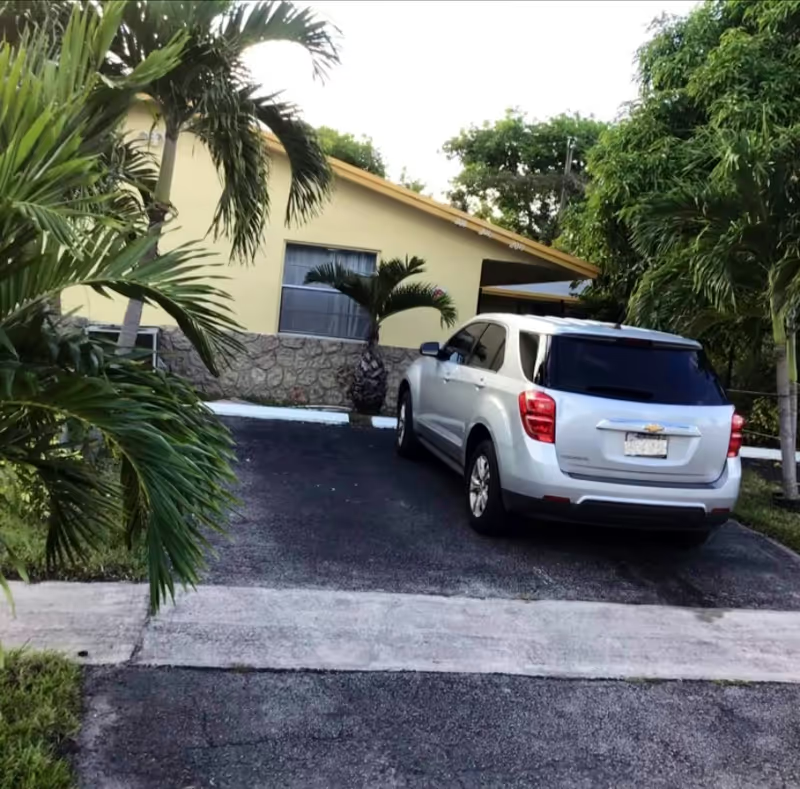
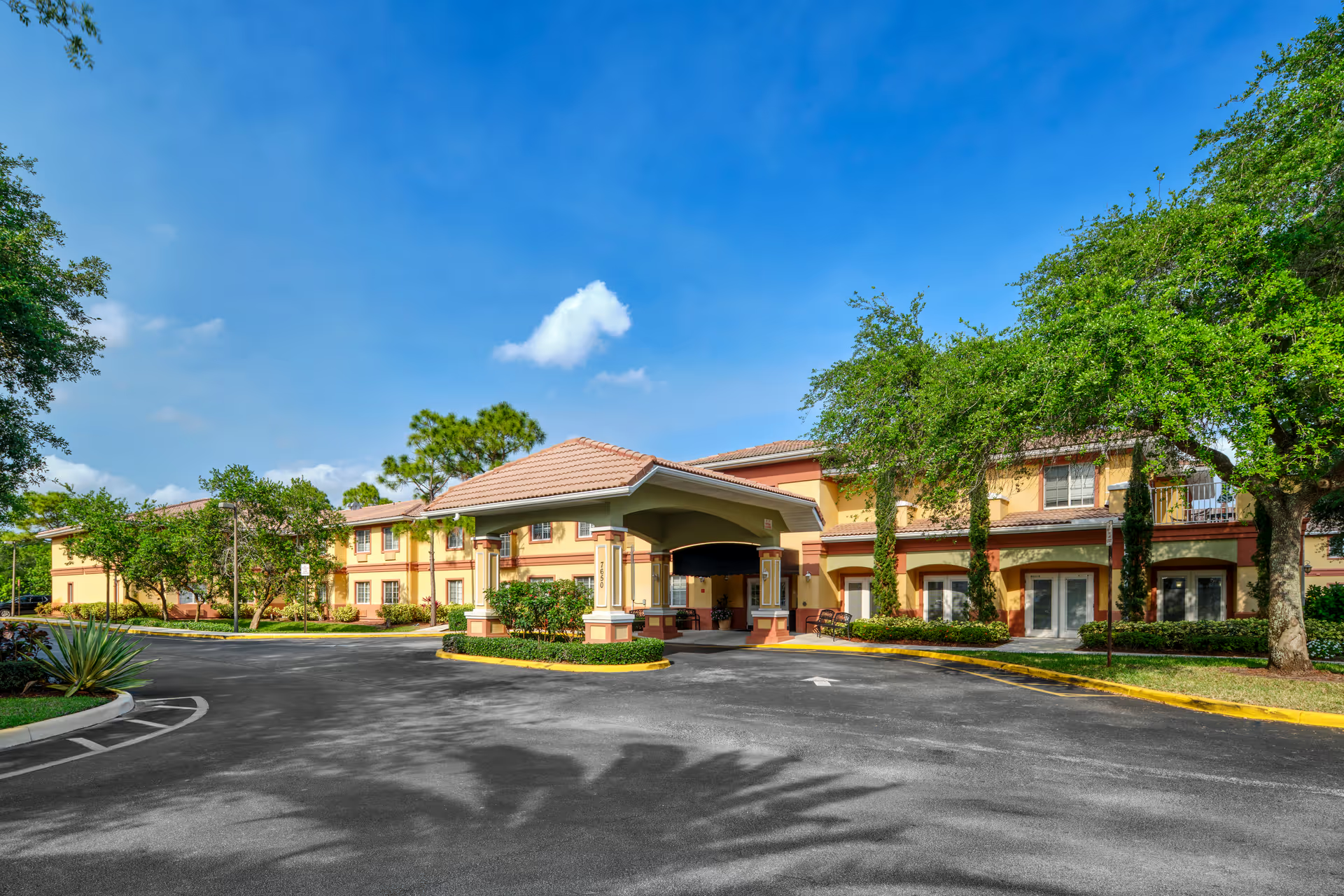
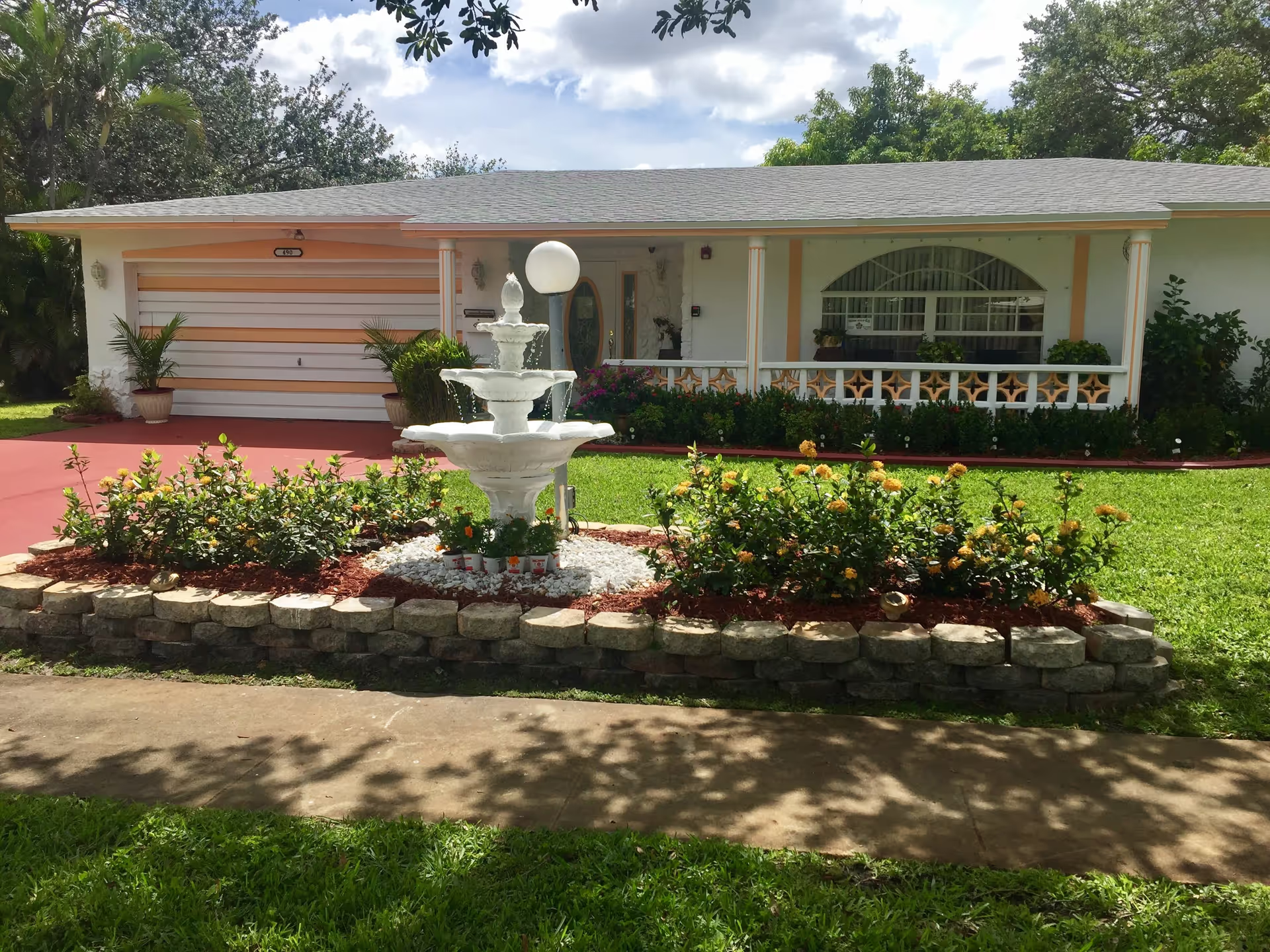
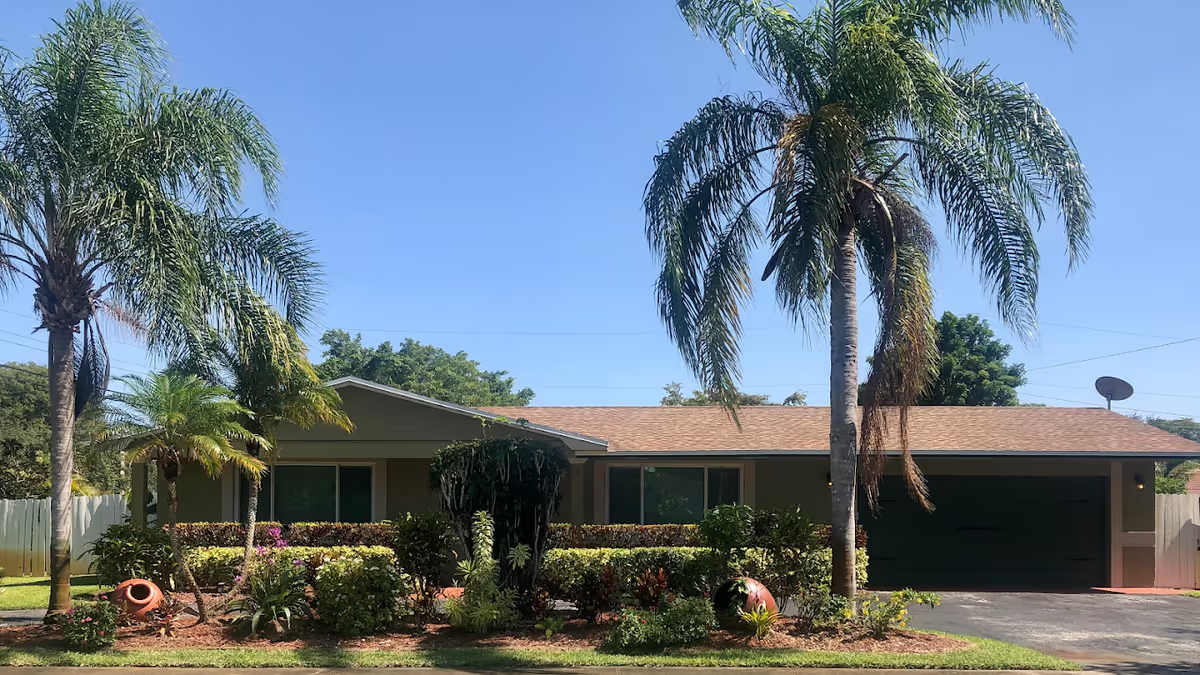
The physical environment is generally viewed as a positive: clean, well-maintained common areas, an inviting lobby, and a modern rehabilitation center. Some private rooms and certain furnishings were described as dated, and reviewers suggested periodic room upgrades would better match the public-area presentation. Maintenance and environmental services staff receive positive mentions for responsiveness.
Management and communication show strengths and opportunities for improvement. Several reviewers commend accessible executive leadership and specific staff members for problem-solving and transparency. However, inconsistent staff communication and occasional unresponsiveness from social work or night-shift staff are recurring themes. Financial and administrative processes are primarily helpful for many families, but there are serious singular claims including allegations of unauthorized financial withdrawals and concerns about intake documentation and POA verification; these statements suggest a need for rigorous audit and intake-process review.
Overall, prospective residents and families can expect a facility with strong rehabilitation capabilities, generally compassionate caregivers, and a clean, well-equipped environment. At the same time, the facility appears to experience operational variability — particularly around staffing consistency, some aspects of clinical monitoring, routine ADL assistance, and meal-service continuity — that families should monitor. Practical steps when considering placement include clarifying POA and financial procedures up front, asking for written care and discharge plans, confirming staffing levels for desired shifts, and identifying a point of contact in leadership for escalation if concerns arise.