Overall impression: Reviews present a mixed but patternable picture. Many families and residents praise the staff—nurses, CNAs, therapy teams, and activity personnel are repeatedly described as caring, engaged, and willing to go beyond basic duties. Several accounts highlight proactive family communication, timely care-planning conversations, and visible hands-on management; others note recent leadership changes that appear to be driving improvements. Therapy services (PT/OT) and social programming receive frequent positive mentions, and several reviewers find the dining and concierge services to be strong points.
Care quality and staffing: Clinical care descriptions vary widely. Positive narratives emphasize attentive nursing, good rehabilitation outcomes, and timely coordination for discharges. However, a substantial pattern of concerns centers on inconsistent staffing levels—weekend coverage in particular—and high turnover or payroll issues that undermine continuity. Those operational weaknesses are associated with delays responding to call lights, interruptions in routine personal care, and intermittent gaps in medication administration or monitoring. Because both strong and weak experiences are present, prospective families should verify current staffing ratios, weekend coverage, and medication-safety protocols during a tour.
Dining and activities: Dining receives largely favorable comments about food quality, variety, and dining-room atmosphere from many residents and families; a number of reviewers specifically praised kitchen staff and meal variety. At the same time, there are intermittent complaints about inconsistent meal quality and occasions when meals did not meet expectations. Activities and social programming are frequently described as robust and uplifting, with engaged activity staff and regular group events that support social engagement and morale.
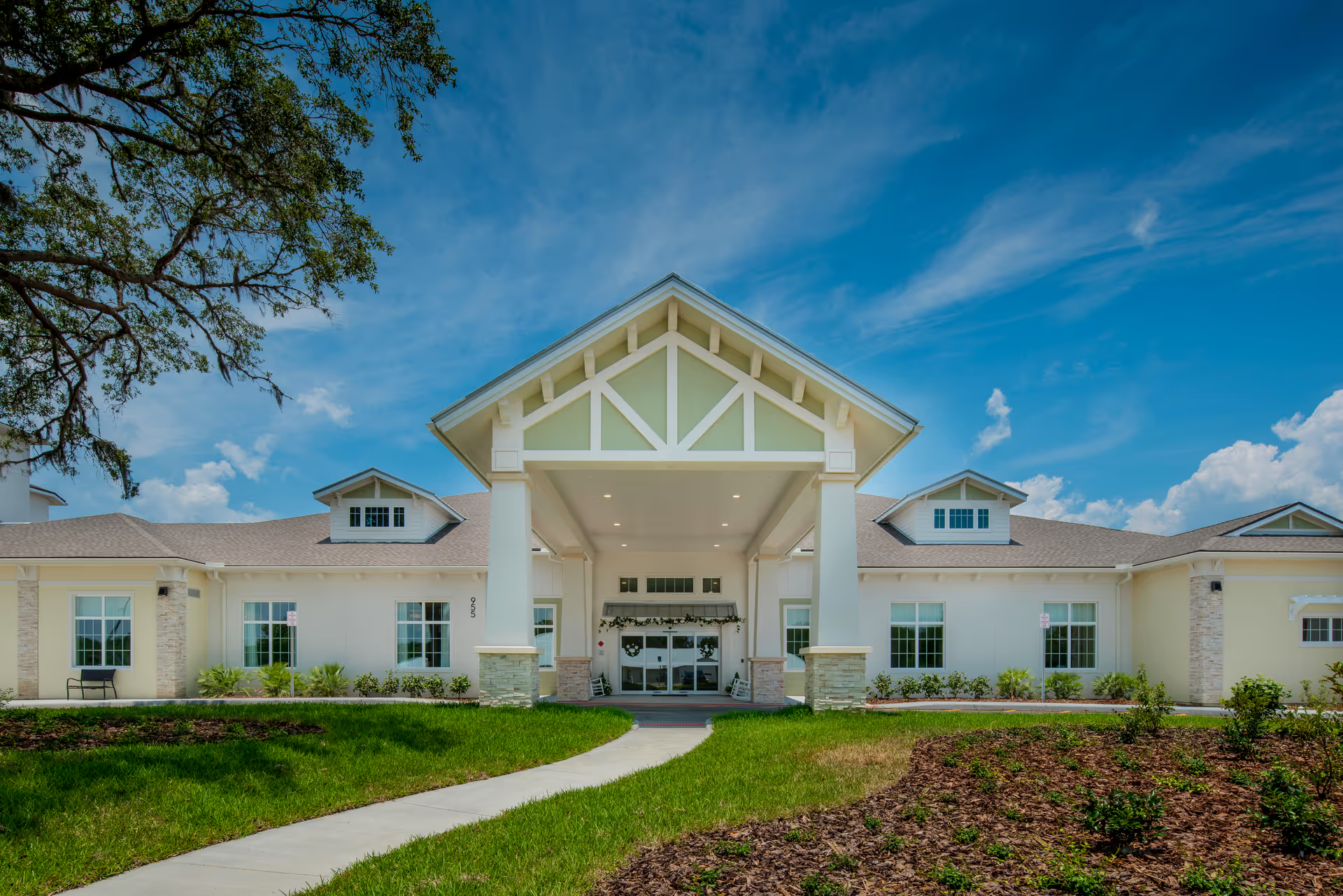
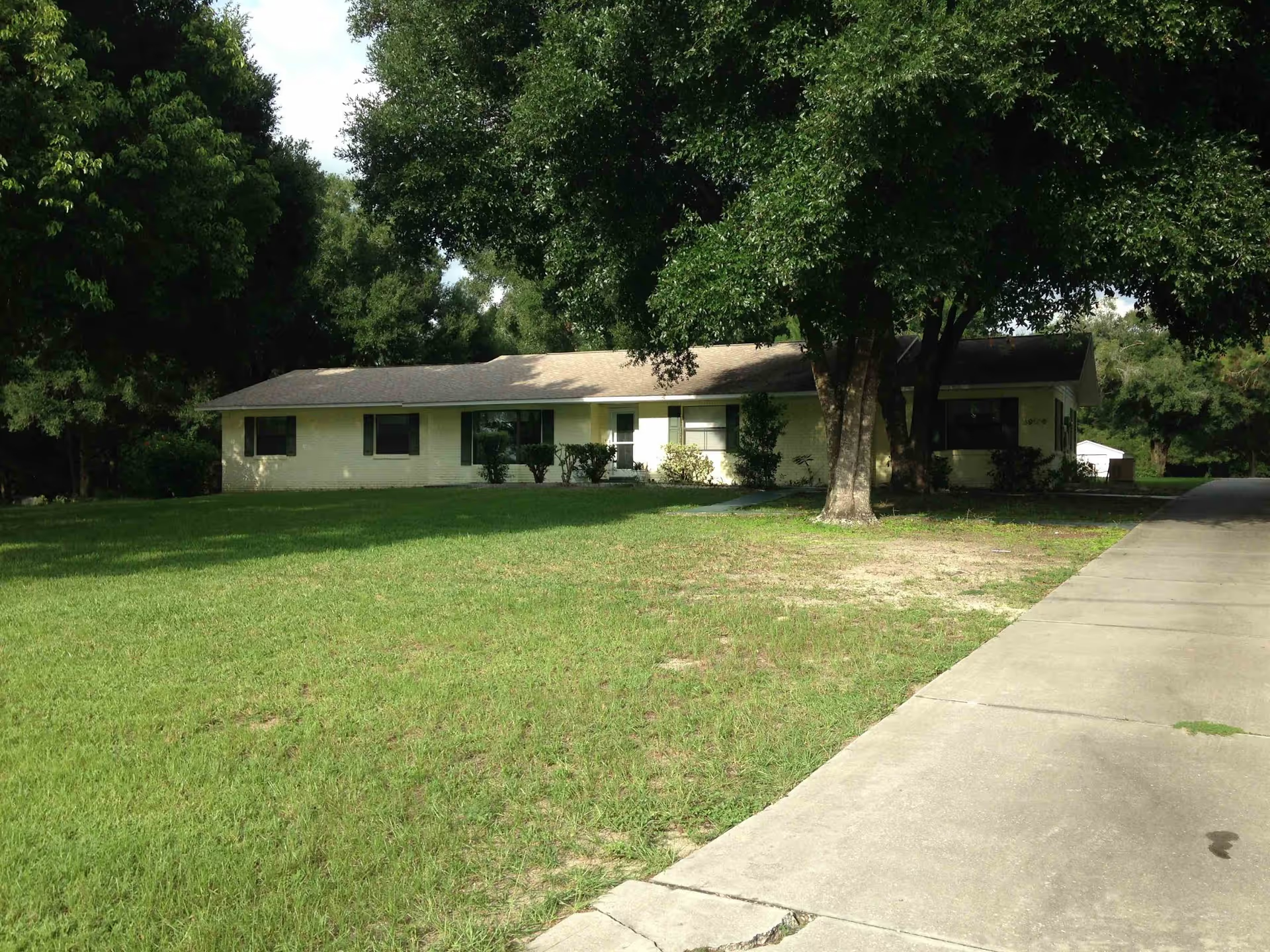
Facilities, sanitation, and maintenance: The facility is characterized as an older building undergoing some updates. Positive notes reference a clean, well-kept appearance in many common areas, attractive grounds, and planned renovations. Contrasting reports raise significant operational concerns about sanitation, odor issues, pest-control problems, and deferred maintenance in parts of the building. There are multiple mentions of infrastructure problems—leaky roofs, outdated rooms, and general need for repair—that coexist with accounts of recent cleaning and cosmetic improvements in other areas. These contradictory accounts suggest conditions may vary by unit and over time; confirm recent inspection records and the timeline for repairs when evaluating the site.
Management, communication, and safety patterns: Leadership comes in for both praise and criticism. Several reviewers commend responsive, involved administrators who communicate proactively with families; others describe unresponsiveness, confrontational phone interactions, and weak accountability. Notable operational themes include inconsistent incident communication and occasional gaps in follow-up after clinical events. There are also serious individual claims—including clinical-safety events and allegations relating to resident property—that would warrant verification through facility leadership and public regulatory/inspection records.
Notable patterns and guidance for families: The dominant pattern is a facility with dedicated frontline staff and meaningful strengths in therapy and activity programming, offset by operational instability tied to staffing, maintenance, and sanitation in certain areas. Weekend coverage and consistency of care appear to be recurrent issues. Prospective residents and families should schedule a tour that includes: a review of current staffing levels by shift (including weekends), recent state inspection and complaint history, the facility’s medication-safety and infection-control protocols, pest-control and maintenance plans, and procedures for property security and incident notification. Asking to speak with families currently using short-term rehab services can also help assess therapy reliability and meal-service consistency.