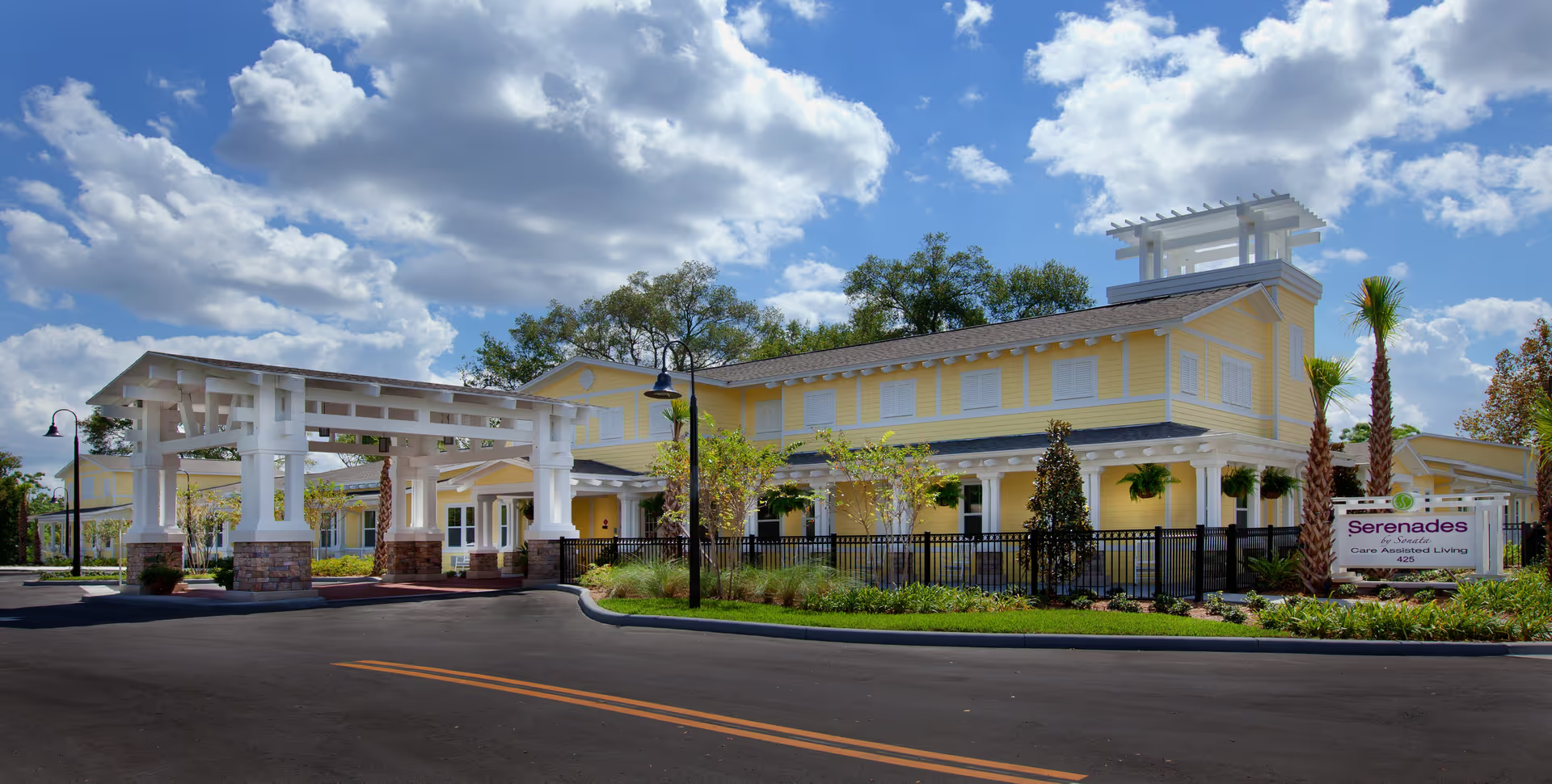
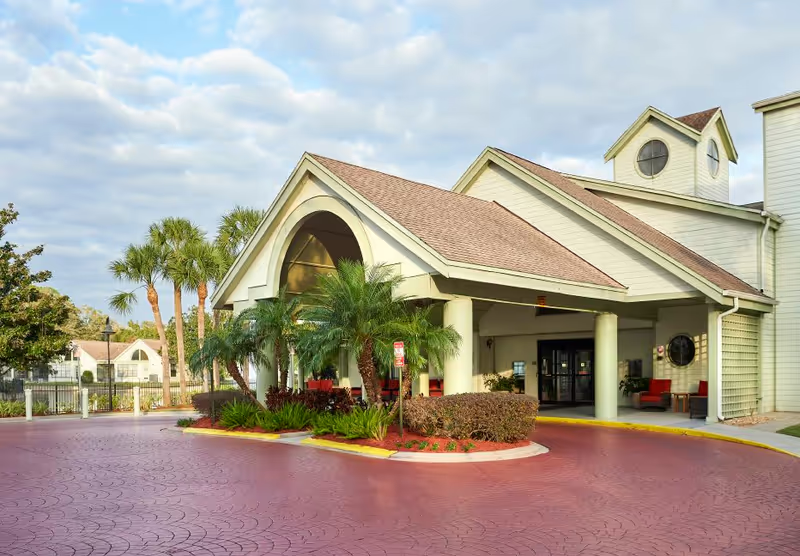
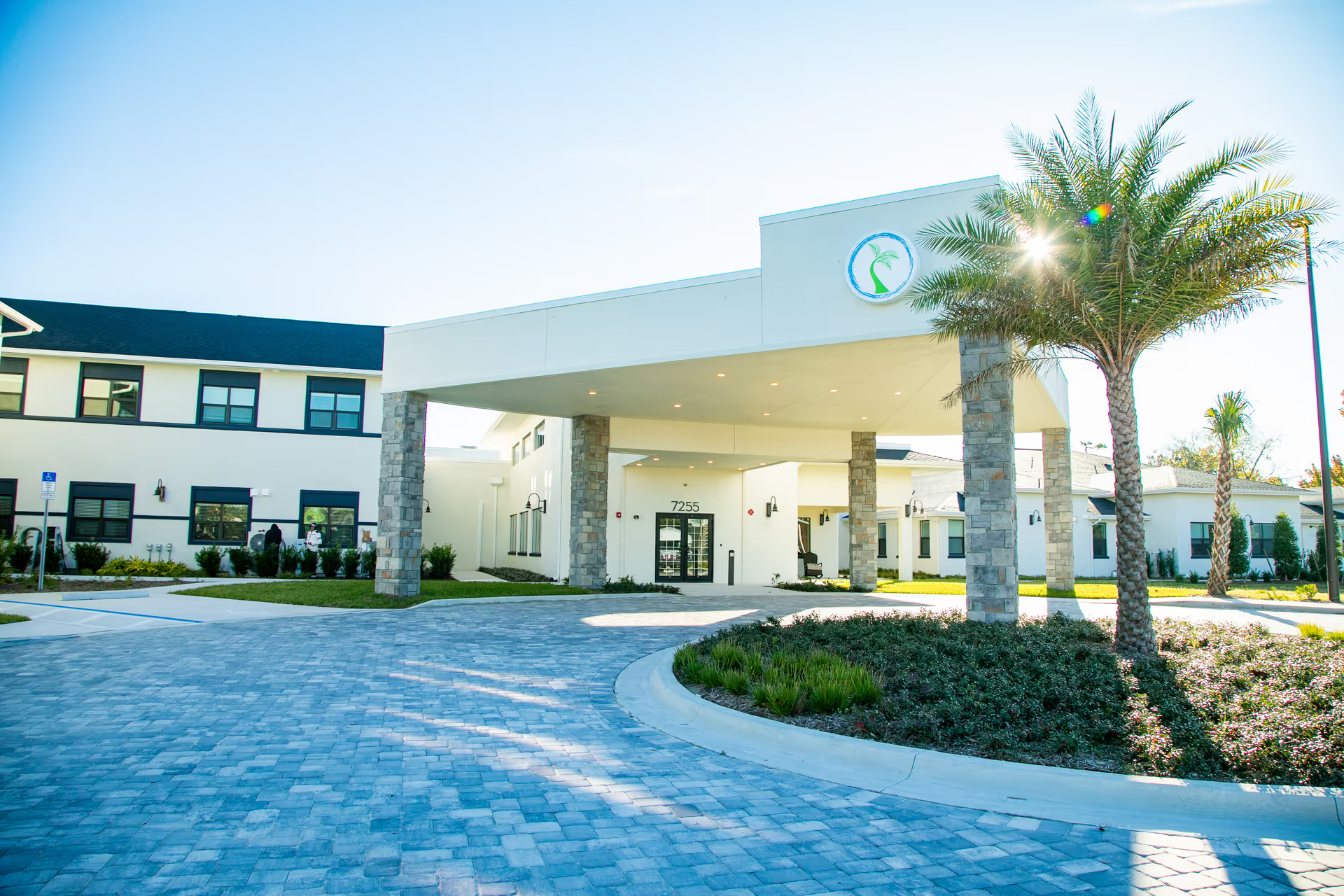
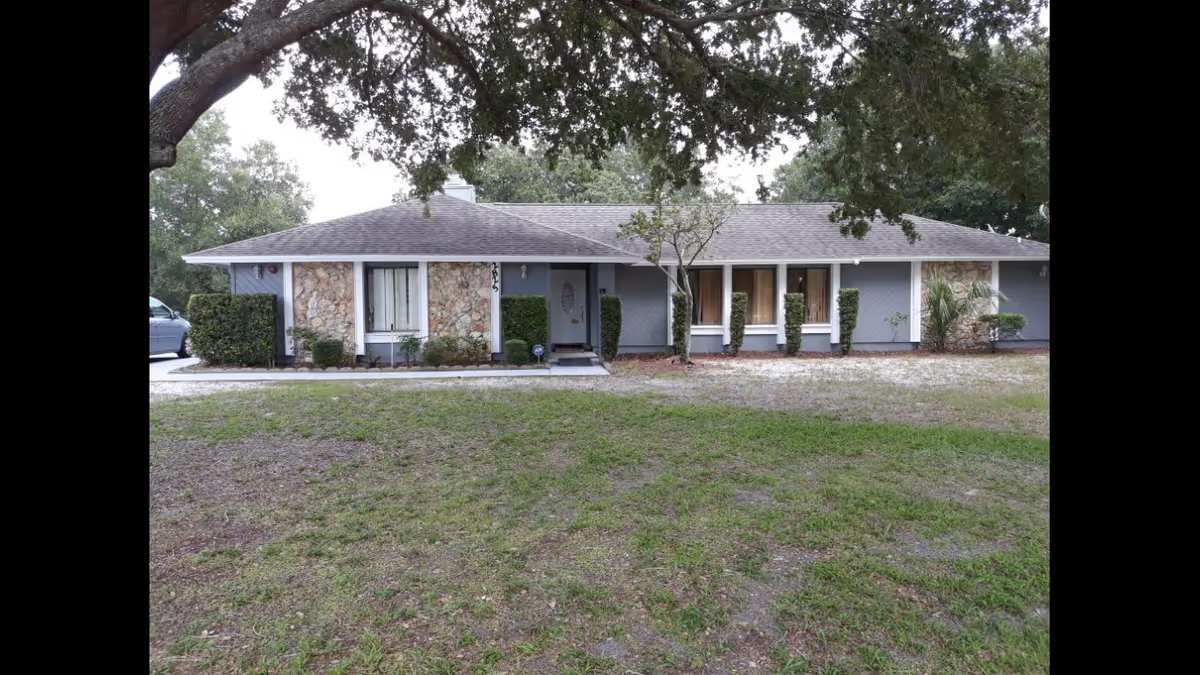
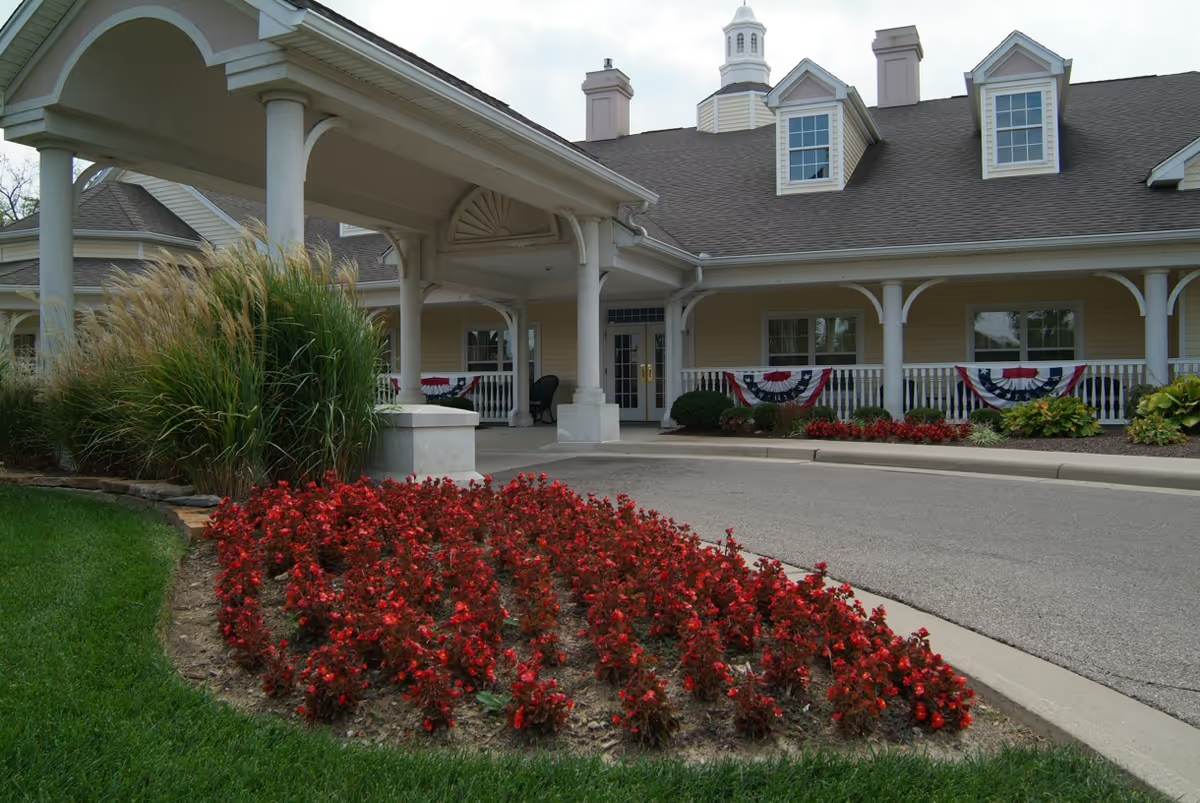
Wayman Place presents as a small, community-oriented assisted living with many strengths noted by families: a warm, home-like atmosphere, frequent activities and outings, and staff who are often described as compassionate, attentive and familiar with residents by name. The physical environment and grounds receive consistent praise for cleanliness, decorative touches such as front porches and shade trees, and well-kept common areas. Several comments highlight responsive admissions and wellness leadership, on-site therapy affiliations, and an affordable price point relative to nearby options — factors that make it appealing for families seeking a smaller, community-feel setting.
Care quality is a prominent positive for many families: reviewers describe patient, engaged caregivers, helpful wellness staff, and effective support for activities of daily living. At the same time, there is variability in staff performance and continuity. Reviews describe periods of strong, hands-on leadership as well as episodes of high turnover or staffing gaps that affect housekeeping, maintenance, and day-to-day responsiveness. This variability has been associated with delays in response to call buttons and inconsistencies in medication handling for some residents, which prospective families should clarify during a tour.
Dining and programming present a mixed picture. Many residents and families enjoy the meals, varied menu options, and social events such as barbecues, live music, Tai Chi and arts programming. However, there are also recurring comments about inconsistent food quality and kitchen staffing instability (including a chef transition), which suggests meal experience may fluctuate depending on staffing and management of the kitchen. Activities offerings are generally viewed as robust for a community of this size, with religious study, crafts, exercise classes, and outings frequently mentioned.
Operational and management themes include generally strong interpersonal staff traits but intermittent administrative weaknesses. Concerns raised include irregular housekeeping and maintenance continuity, pest-control issues in some units, billing and discount inconsistencies, and occasional lapses in orientation or communication with families. There are also notes that the community may be less suitable for persons with advanced memory impairment without enhanced perimeter security and memory-care programming. Prospective residents and families should ask about current staffing ratios, housekeeping protocols, kitchen leadership, medication administration procedures, pest-control measures, billing practices, and the approach to admissions for people with cognitive impairment to assess current performance and fit.