Overall impression: Reviews describe a facility with many operational strengths centered on a compassionate, resident-focused culture. Staff are repeatedly characterized as warm, attentive, and engaging; families cite hands-on caregiving, frequent personal greetings, and visible leadership presence. The community emphasizes memory-care expertise, with environment and programming tailored to cognitive needs and safety features such as sensors and monitoring technology. Prospective families will find consistent praise for the cleanliness and presentation of the building and grounds, a welcoming, home-like atmosphere, and management that is often described as accessible and communicative.
Care and staff: Care quality is frequently described as thoughtful and personalized. Nursing and caregiver teams are praised for attention to detail, proactive coordination with physicians, and dignity-focused approaches to end-of-life care. At the same time, reviewers note variability in day-to-day caregiver competency and continuity; some families reported uneven experiences depending on staffing on particular shifts. This suggests that while the core staff and leadership model are strong, staffing stability and consistency of individual caregiver performance can vary.
Dining and activities: Dining receives positive comments for meal quality, presentation, and an attentive chef; several accounts highlight residents enjoying meals and feeling well-cared-for at dining time. A few reviewers signaled limited menu variety or inconsistent service/hygiene practices at times. The activity program is a clear strength—extensive, varied, and tailored to memory care. Families mention arts and painting, music and singalongs, intergenerational events, therapy dogs, technology-based cognitive activities, and frequent social celebrations that encourage participation and family involvement.
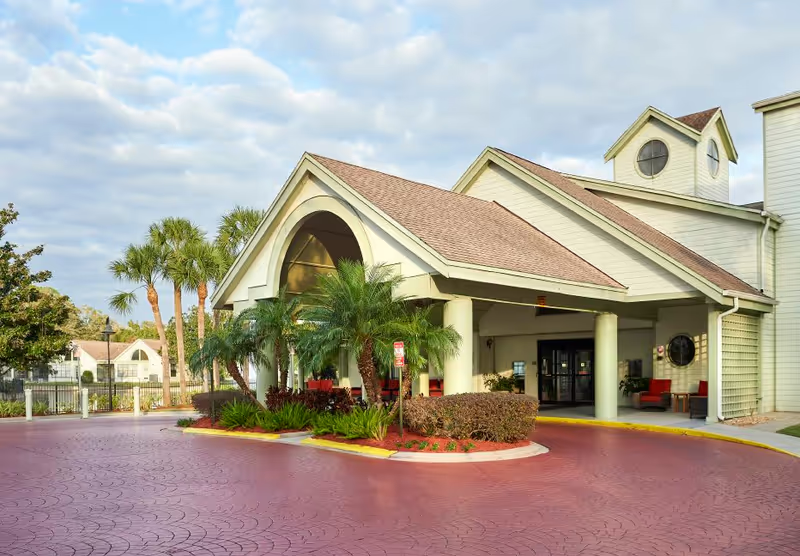
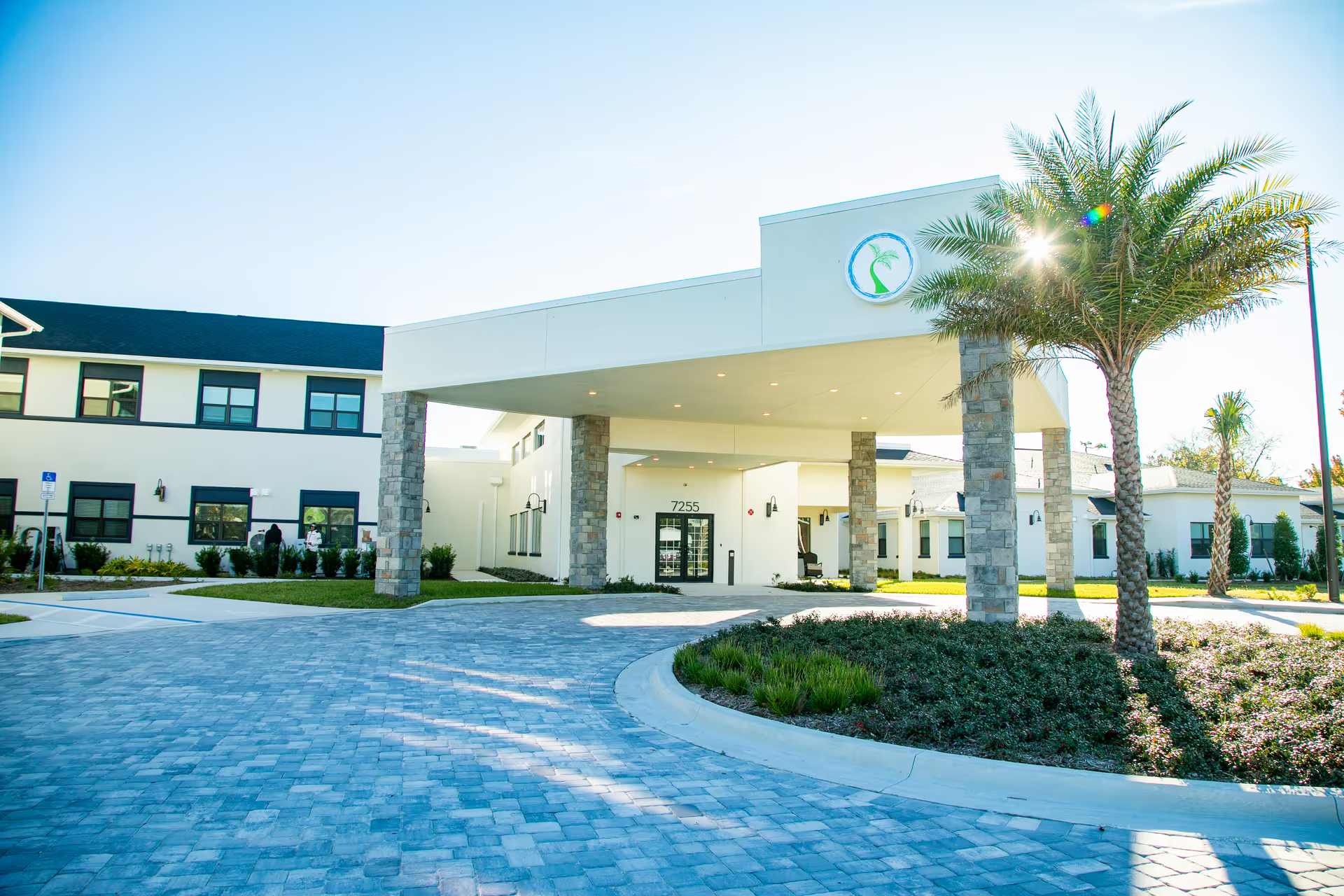
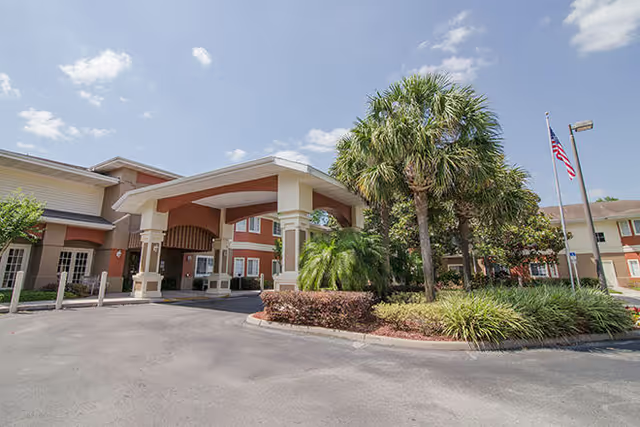
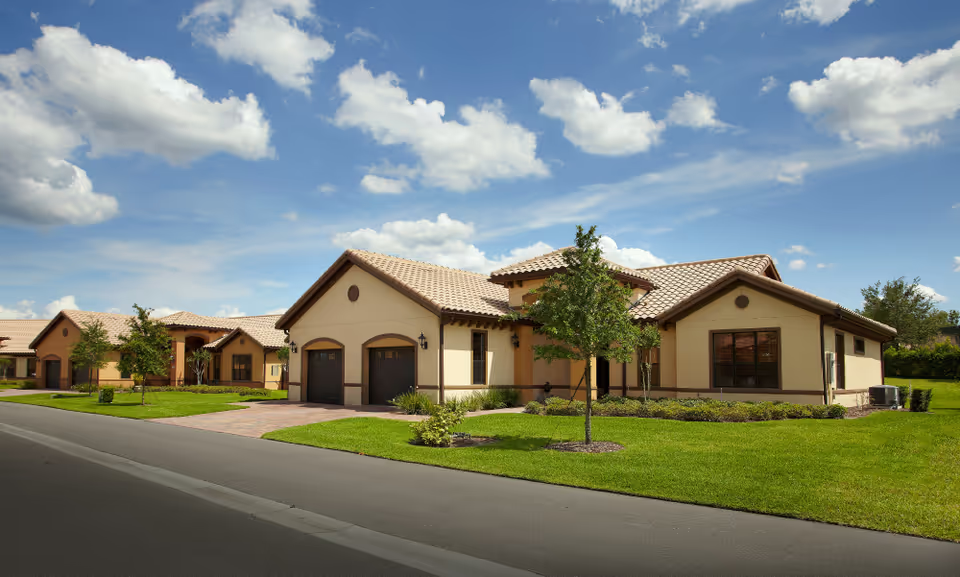
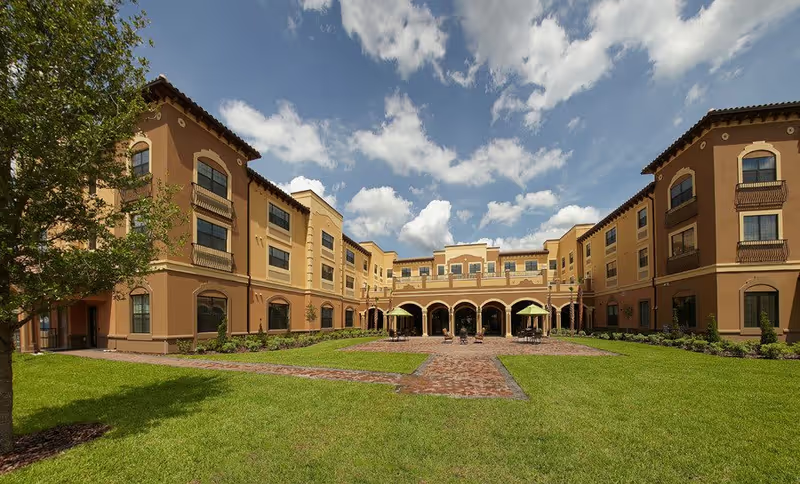
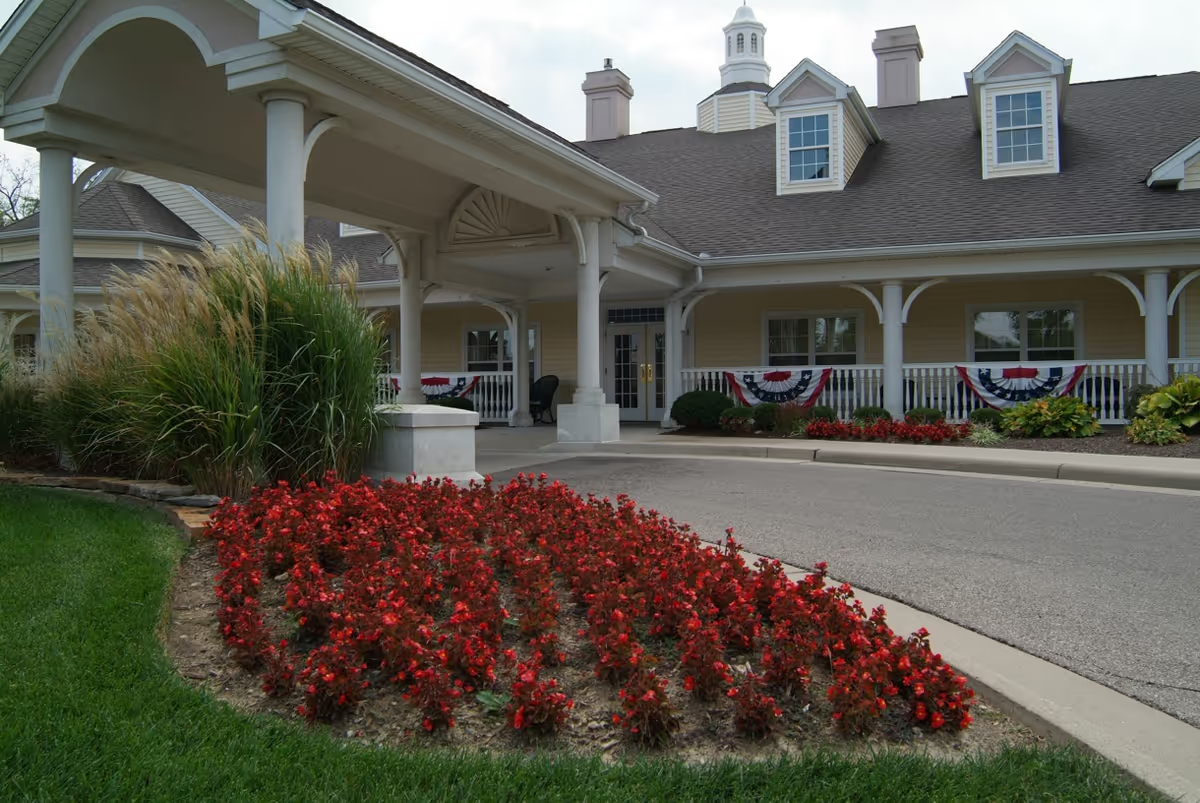
Facilities and safety: The physical plant is described as immaculate, well-lit, and newly built or well-refreshed, with spacious private rooms and accessible outdoor courtyards. Safety features and secure access are consistently noted, as are design elements appropriate for Alzheimer’s and memory care. Reviewers also cite use of monitoring technology with respect for privacy. These aspects contribute to an overall sense of safety and comfort for residents and visitors.
Management and communication: Leadership is frequently commended for visibility, responsiveness, and proactive communication. Many families describe frequent updates and an open-door approach from directors and administrators. Conversely, there are several indications of communication lapses related to specific clinical events—delays or inconsistencies in notifying families, errors in patient identification or messaging, and uneven follow-through after incidents. These suggest opportunities to tighten clinical communication protocols and escalation pathways.
Notable patterns of concern: While many reviewers report positive outcomes, a subset raised serious operational issues that merit consideration. These include infection-control incidents and delays in clinical response or notification during medical events, which point to the need for clear protocols and rapid family communication. There are also mentions of occasional dining-hygiene and menu-consistency issues, and isolated but serious allegations about leadership conduct and staff behavior that would warrant direct inquiry. Finally, some families perceived a mismatch between advertised memory-care practices and what they observed in certain situations, indicating the importance of clarifying care models and staffing ratios during tours.
Recommendation for prospective families: The facility shows many strengths—particularly in compassionate staff, programming, and environment—but also areas where consistency and incident response could be improved. Visitors should tour the community, meet the care team, and ask specific questions about staffing continuity, infection-control procedures, clinical escalation and family-notification protocols, dining menus and hygiene policies, and how leadership addresses conduct concerns. Doing so will help determine whether the facility’s strengths align with an individual resident’s needs and expectations.