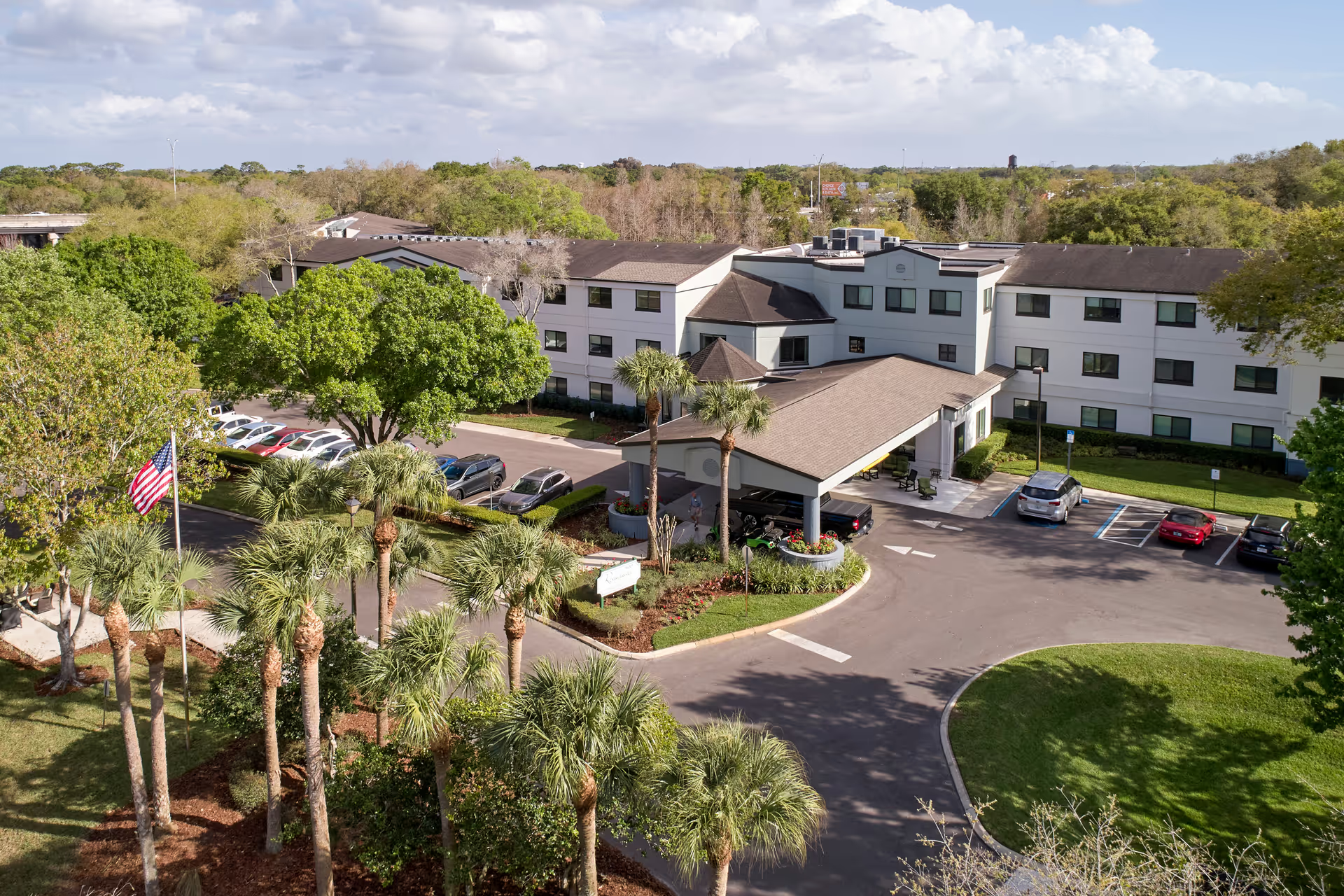
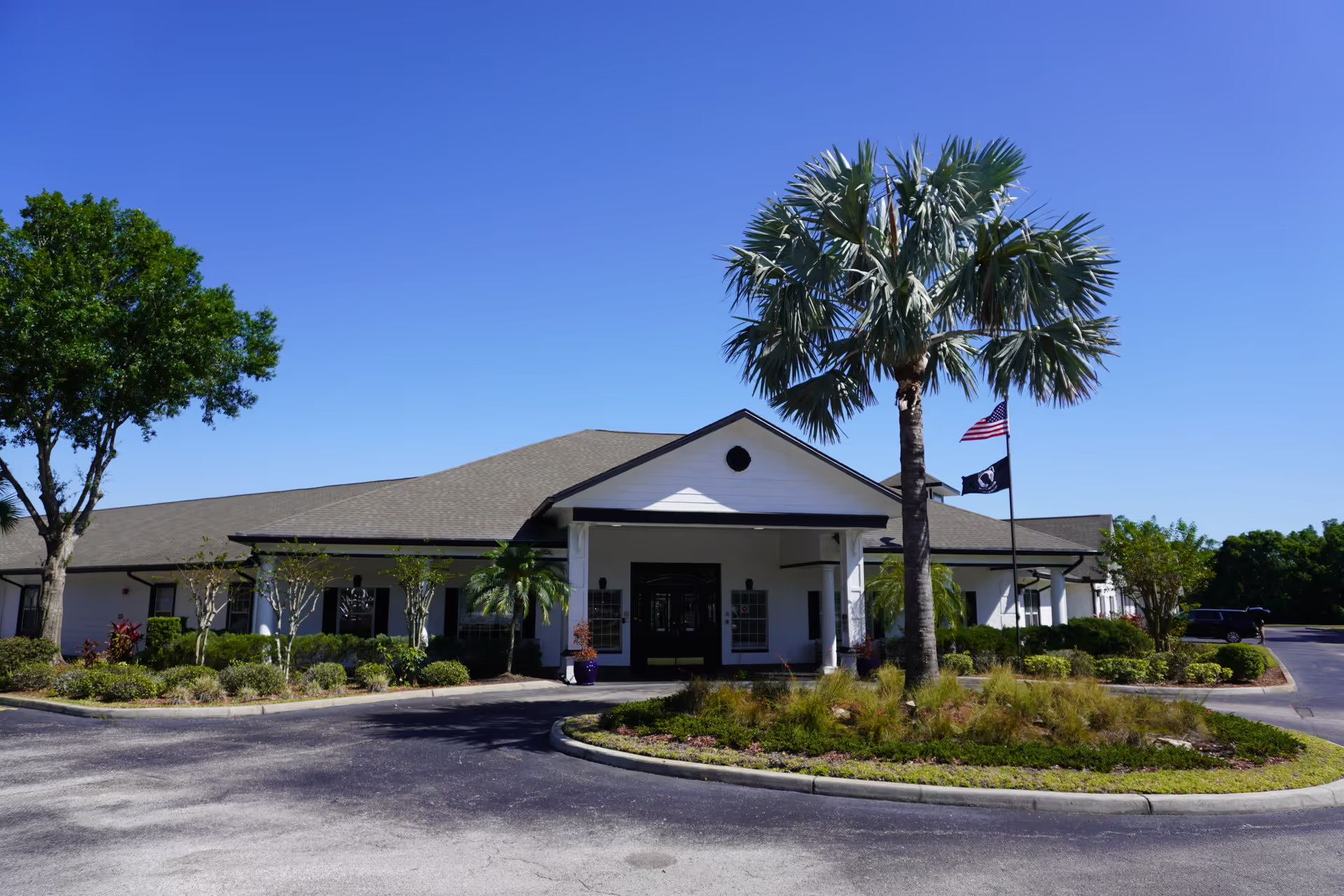
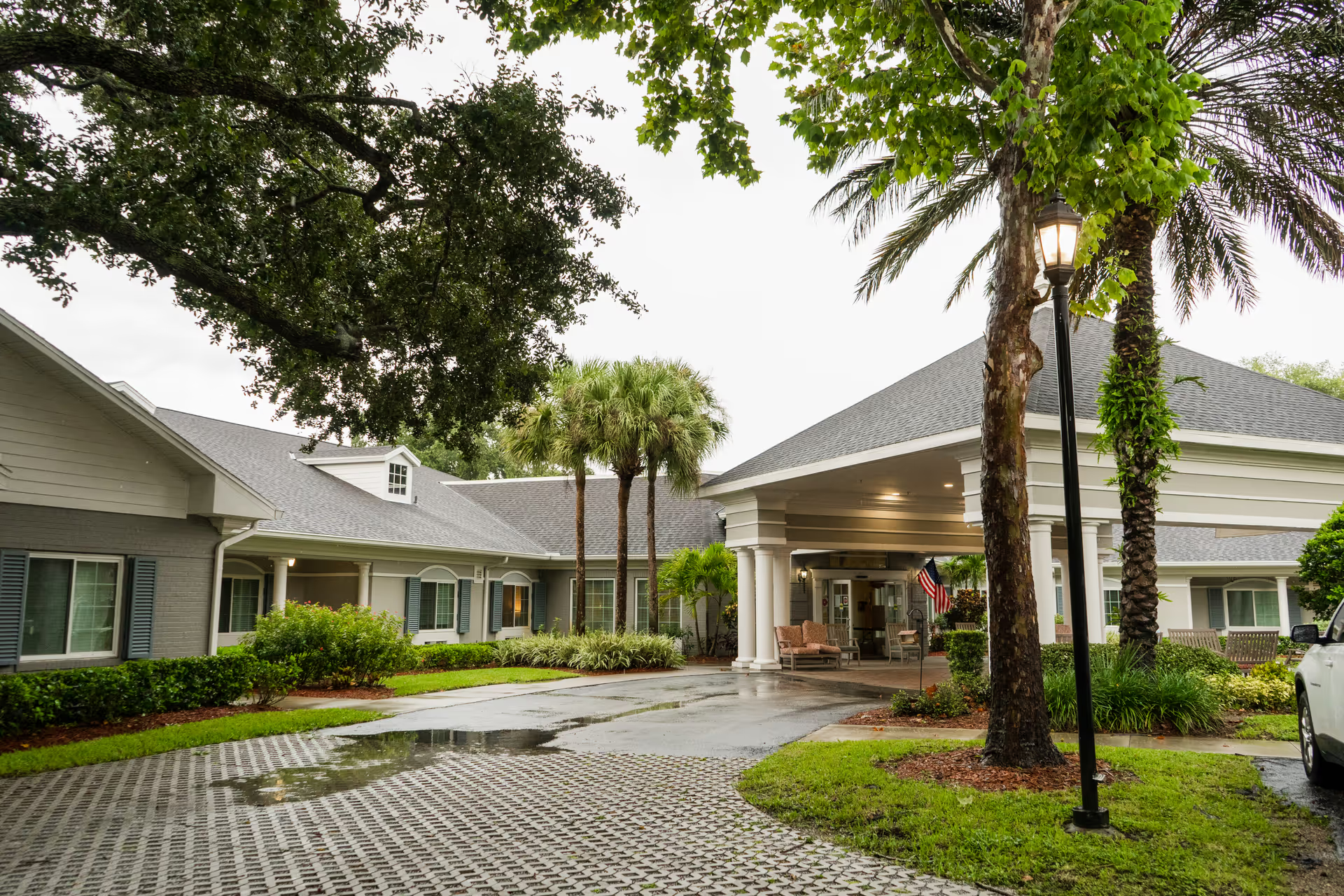
Tampa Lakes Health and Rehabilitation Center presents a contrast between a modern, well‑appointed physical environment and recurring operational concerns. The facility is consistently described as clean, bright, and newly designed, with a large, well‑equipped therapy gym and pleasant common areas. Many families and patients praised the admissions experience, private rooms, responsive front‑desk staff, and visible investment in the rehabilitation program.
Rehabilitation services are the facility's strongest and most consistent feature. Reviewers commonly report effective, motivating physical, occupational, and speech therapy with experienced clinicians and frequent progress updates. Several accounts describe rapid functional gains, including short‑term patients who regained mobility and left for home earlier than expected. Therapy scheduling, equipment, and clinician rapport receive repeated positive mention.
Direct nursing and aide care descriptions are mixed. Numerous reviewers highlight compassionate, respectful CNAs and nurses who provided attentive care, timely communication, and good hands‑on support. At the same time, a substantial number of reviews describe inconsistent staffing levels, delayed responses to assistance requests or call lights, variability in bathing and hygiene schedules, and uneven wound‑care or infection‑control follow‑through. These patterns suggest that patient experience depends considerably on shift staffing and which caregivers are on duty.
Clinical practice and safety concerns appear as recurring themes. Reviewers cited gaps in medication administration and documentation, episodic lapses in wound‑care continuity, and coordination failures between nursing and therapy teams. A few reviews describe serious individual incidents and privacy or conduct issues; these are best treated as isolated but important allegations that warrant follow‑up and verification through regulatory channels. Where continuity of clinical care was maintained, families tended to express high confidence in the facility's clinical teams.
Dining and daily living receive mixed feedback. The dining area and communal meals are appreciated by some for socialization, but others note inconsistent food temperature, uneven meal quality, and limited choices. Housekeeping and general cleanliness are strengths in most accounts, though a number of reviews raise concerns about laundry, towel availability, and sporadic supply issues.
Activities and long‑term engagement are another area of variability. The facility runs noticeable seasonal and family events that many families enjoyed, yet several reviewers felt weekday activities and meaningful recreation for long‑term residents were limited. Communication with families also shows variability: while some families praise timely updates, others report difficulty reaching nursing leadership or getting coordinated information between therapy, nursing, and administration.
Management and staffing dynamics are mixed. Admissions and some administrative staff are frequently described as professional and helpful, but reviewers also raise concerns about turnover, the use of agency staff, perceived prioritization of private‑pay admissions, and occasional disputes involving supervisory staff. Several reviewers advised asking about staffing ratios, wound‑care protocols, and discharge planning details prior to placement.
Overall, Tampa Lakes appears well suited for short‑term, intensive rehabilitation when therapy is the primary need: the facility’s equipment, therapist skill, and environment support recovery. Families considering longer stays should weigh the facility’s strengths in therapy and physical environment against repeated concerns about staffing consistency, response times, infection‑control continuity, and communication. Prospective residents and families would benefit from in‑person observation of routines, direct questions about nurse‑to‑resident ratios and wound‑care processes, and clear written plans for discharge, follow‑up, and family communication before placement.