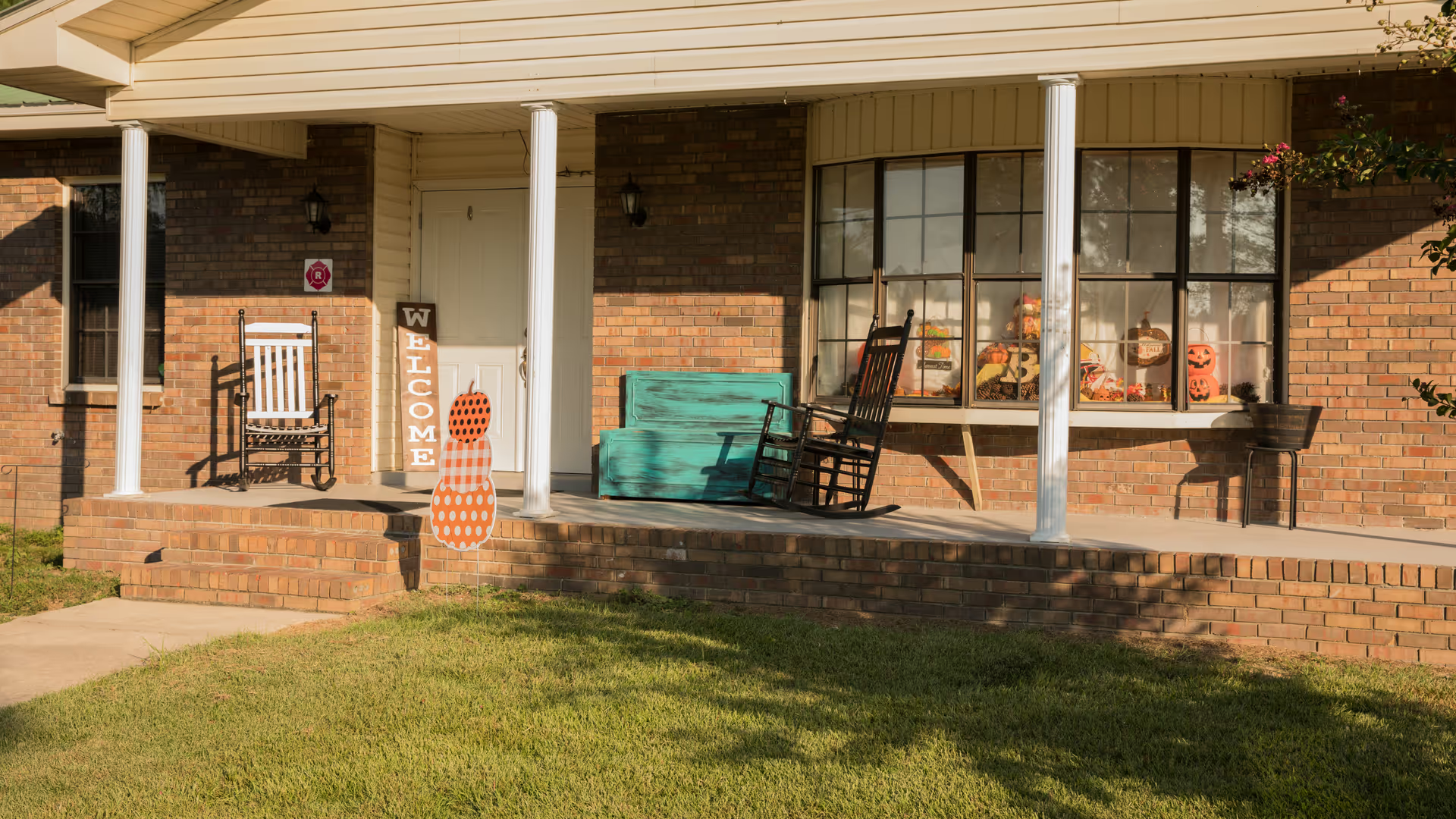
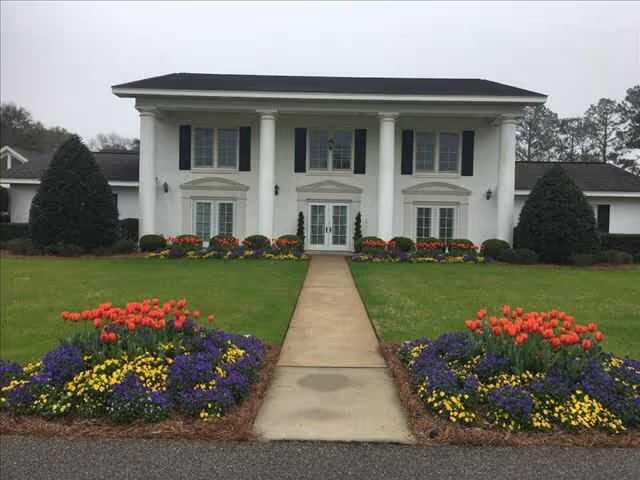
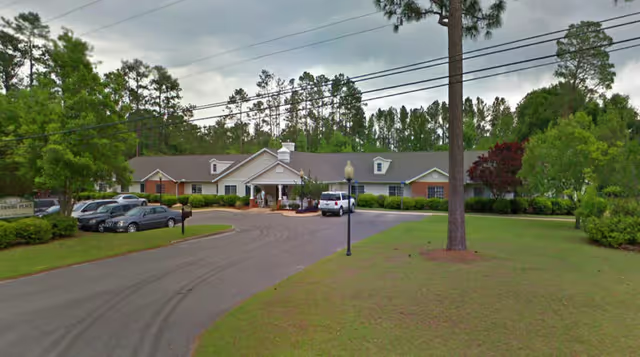
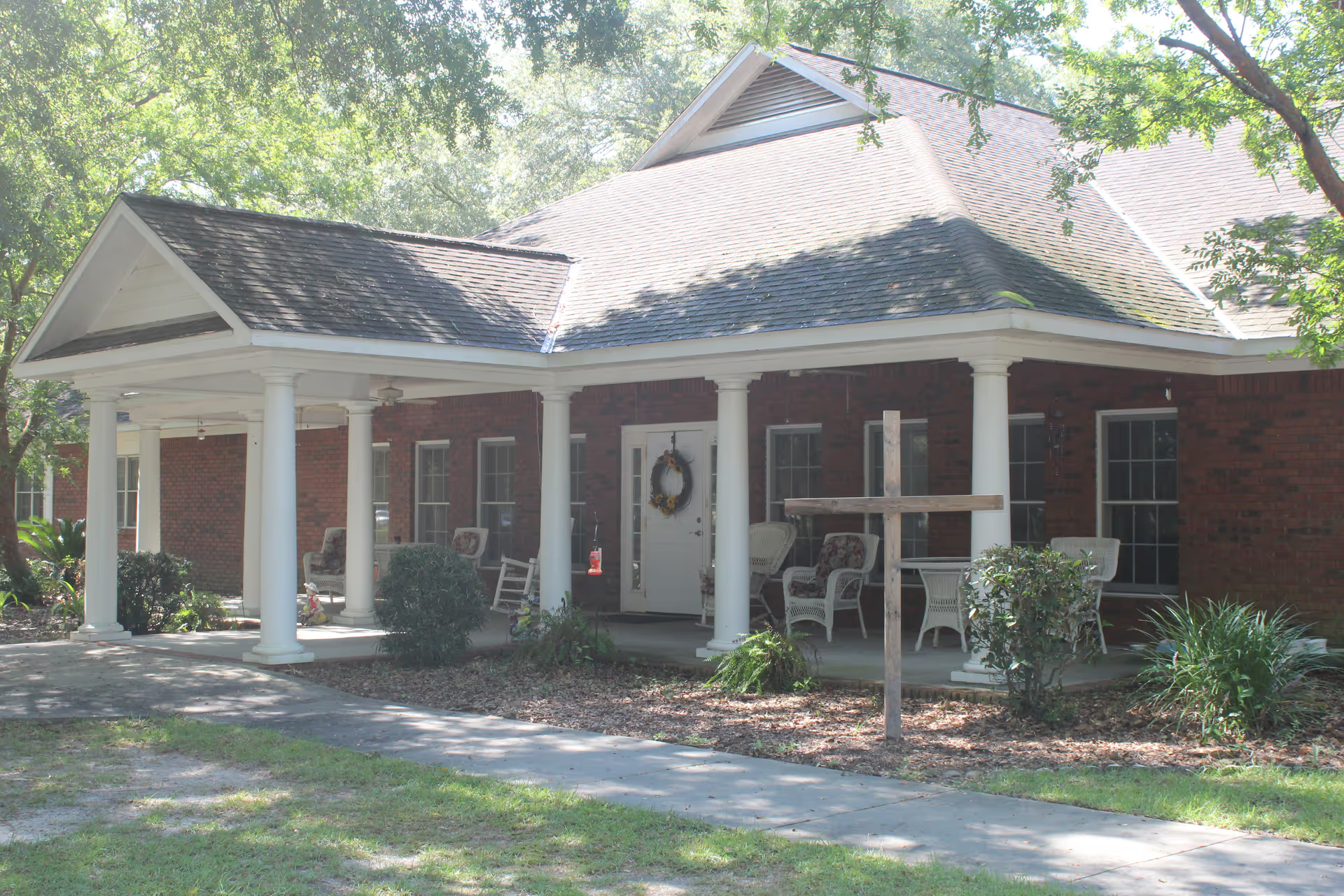
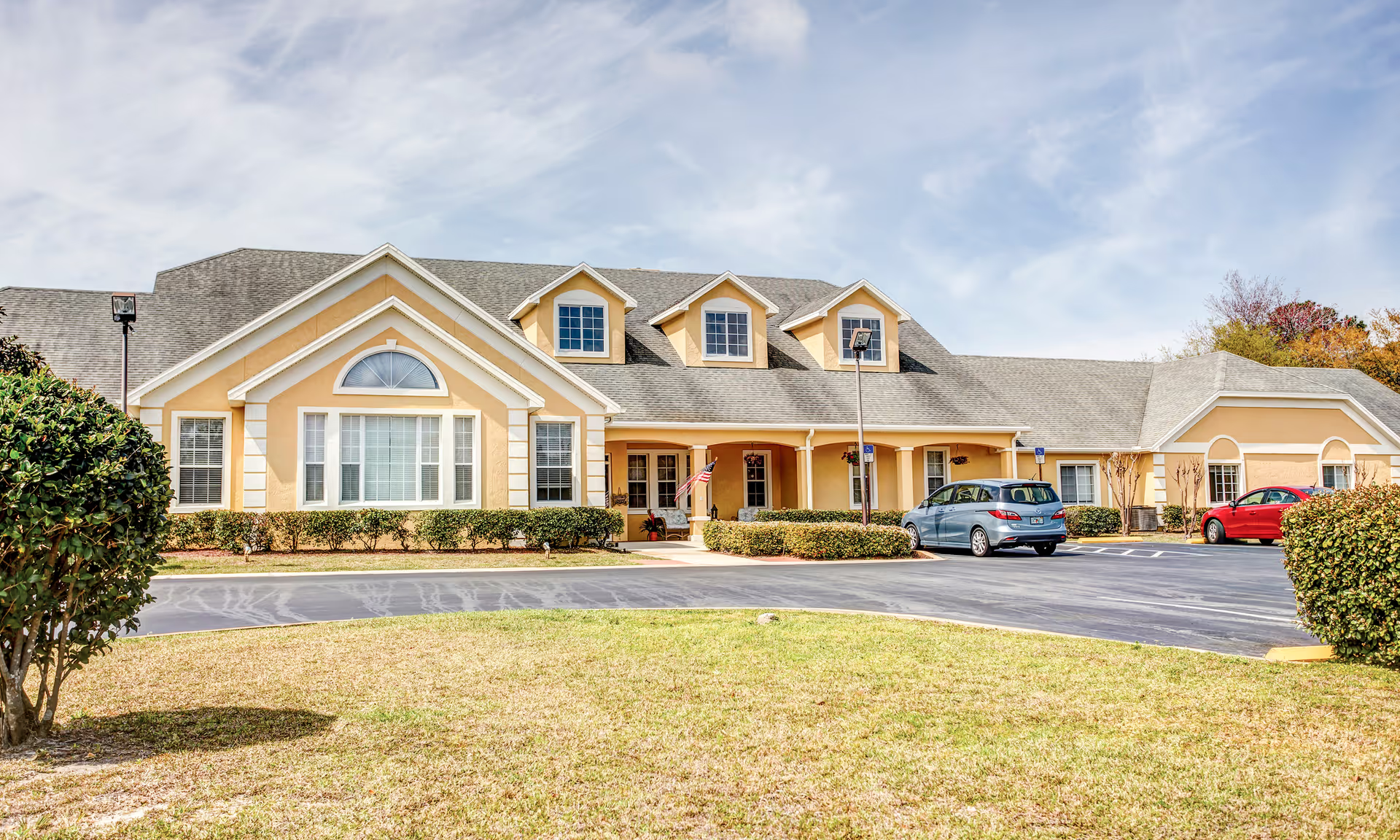
The reviews present a mixed picture of care at this facility. On the positive side, families and visitors frequently note a well-maintained, small-scale environment with a pleasant interior and a staffed memory-care unit available around the clock. Many accounts praise individual caregivers for being friendly, compassionate, and creating a sense of reassurance for residents. First impressions from tours were commonly described as strong, and some reviewers emphasized a clear rapport between certain staff members and residents.
Conversely, several operational weaknesses recur across the feedback. The most prominent pattern is inconsistent nursing responsiveness: delays in attending to urgent needs, variability in shift-to-shift handoffs, and uneven timeliness for escalation to higher levels of care. Relatedly, there are repeated concerns about personal-care practices — particularly incontinence assistance and hygiene routines — and instances that reviewers linked to declining skin integrity. These items suggest gaps in routine personal-care protocols and in monitoring for early signs that require intervention.
Emergency and documentation processes are additional areas of concern. Some accounts describe delayed escalation that ultimately required ambulance transport and hospital-level care; one reviewer referenced a subsequent state review that did not find wrongdoing but questioned the thoroughness of record review. These comments indicate potential weaknesses in emergency-response protocols, clinical escalation criteria, and the completeness of clinical documentation and record-keeping. Families also described restrictive practices around third-party sitters or assistants, which can limit the involvement of outside caregivers during critical periods.
Management and administrative issues appear in multiple comments. Reviewers cited delayed refunds and billing difficulties, and characterized some administrative interactions as financially focused or lacking timely follow-through. Communication from management to families about incidents, documentation, and corrective action was described as variable; some families felt they did not receive full explanations following serious events.
There is limited specific information in these summaries about dining offerings and organized activities. Where facility programming is mentioned, it is connected largely to the memory-care unit, which reviewers saw as an added benefit for residents with Alzheimer’s disease or other cognitive needs. Prospective residents and families should require direct observation and specific questions about dining quality, menu flexibility, activity schedules, and engagement programming during tours.
In sum, this facility appears to offer strengths in memory-care staffing, a small and clean environment, and compassionate individual caregivers. However, recurring concerns about nursing responsiveness, personal-care protocols, emergency escalation, documentation practices, and administrative responsiveness warrant careful inquiry. Families considering placement should review the facility’s staffing ratios and shift-handoff procedures, ask for written protocols on incontinence care and skin integrity monitoring, clarify sitter and third-party caregiver policies, request recent inspection and incident records, and observe interactions during multiple times of day before deciding.