Autumn House elicits strongly mixed impressions. A large portion of feedback highlights caring, accessible staff and around-the-clock nursing attention, and family members frequently describe the community as resident-focused for people with cognitive impairment. The facility positions itself as a memory-care specialist with structured programming; many reviewers praised the activities director and the calendar of events, noting frequent outings, themed events, musical visits, and opportunities for social engagement. Physical-therapy services and an on-site kitchen/dining option were also noted as operational strengths that support daily life and rehabilitation needs.
Care and staff: Staff are commonly described as compassionate, knowledgeable, and engaged; several families emphasized individualized attention and staff who prioritize residents' comfort. At the same time, there are recurring operational concerns: inconsistent clinical communication with families, gaps in medication administration and clinical assessment, and perceptions that care can be hurried during busy periods. Reviewers also raised serious allegations about staff conduct, including discriminatory behavior and inappropriate restraint practices; these are serious claims that prospective families should investigate directly with management and licensing authorities.
Dining and programming: The dining program is generally viewed as adequate, with three meals a day plus snacks and an option for kitchen-style dining. Opinions on food quality vary, with some residents and families satisfied and others describing it as merely acceptable. Activities are a clear strength for many residents—there is a large activity calendar, frequent outings and events, and a social atmosphere in many units that supports engagement and meaningful social contact.
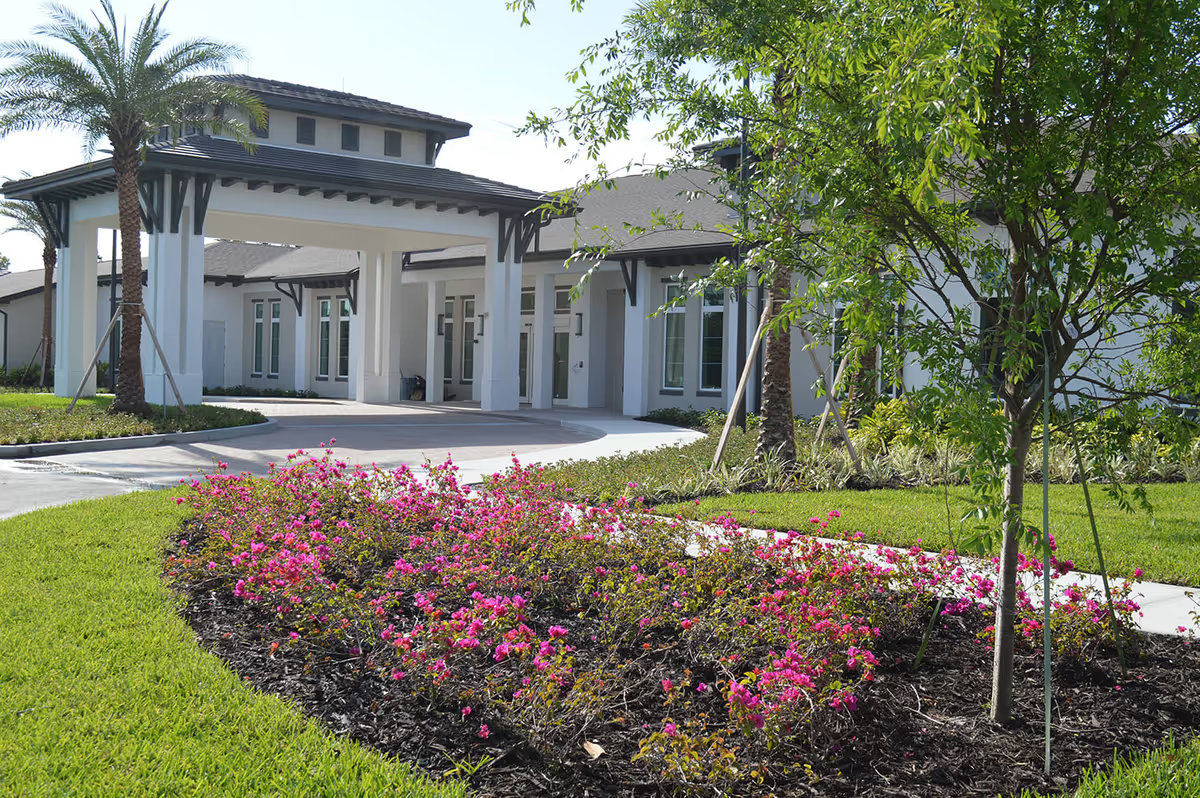
Facilities and environment: Comments point to a clean and well-kept presentation in many common areas, an inviting entry, and useful outdoor spaces such as courtyards and gardens. However, the physical plant shows signs of age in places: narrow hallways, darker interior spaces, and some outdated or cramped rooms and common areas were repeatedly mentioned. Laundry and sanitation processes were called into question in a number of accounts, and there are mixed impressions about overall housekeeping consistency.
Management and policies: Several reviews describe a businesslike or insurance-driven approach to admissions and visitation, with some families reporting restricted access or policies tied to payor sources. Pricing is frequently described as high, and some families expressed concern about value for cost. Additionally, there are reports of inadequate follow-up after clinical incidents and unresolved family complaints, suggesting opportunities to strengthen incident-response protocols and family communication pathways.
Notable patterns and guidance: Autumn House appears to provide strong, person-centered memory-care programming supported by dedicated staff in many cases, but persistent themes around clinical communication, medication handling, sanitation consistency, facility aging, and serious conduct-related allegations warrant careful vetting. Prospective residents and families should request current licensing and inspection records, ask for staffing ratios and medication-management protocols, tour multiple parts of the building at different times of day, observe meals and activities, and obtain written policies on visitation, incident reporting, and grievance resolution. Where serious conduct concerns are suspected, confirm how the facility documents, investigates, and reports alleged incidents to regulatory authorities before making a placement decision.