Reviews of Avante at Melbourne present a mixed and frequently polarized picture. Many families and patients praise the facility’s therapy programs and certain frontline staff, while others describe recurring operational problems that affect day‑to‑day care. Positive accounts emphasize effective PT/OT, strong respiratory support, caring CNAs and therapists who actively encourage recovery; admissions and front‑desk personnel are also commonly noted as helpful. Several reviewers described measurable rehab gains and improved mobility linked directly to the therapy team’s efforts.
Clinical care quality appears inconsistent. Strengths are concentrated in therapy and a subset of clinical staff, whereas concerns cluster around medication administration, timeliness of treatments, and delays in clinical interventions. Multiple accounts indicate late or missed medications and slow responses to emergent needs; families also raised concerns following a resident’s death and about end‑of‑life communication. There are also serious allegations related to medication handling and financial controls that have been raised by reviewers.
Staffing and workforce issues emerge as central operational patterns. Reviewers describe high turnover, understaffing, and uneven performance between weekday and weekend shifts; these factors are linked to delayed assistance, inconsistent bathing and toileting schedules, and variable supervision. While individual CNAs and nurses receive praise for compassion and attentiveness, management-level responsiveness and continuity of assigned caregivers are frequently criticized.
Dining, activities, and supplies present additional areas of concern. Dining complaints focus on poor food quality, small portions, and unpredictable meal timing. Activity programming is described as limited or insufficient by some families, particularly for longer stays. Reviewers also noted sporadic shortages of basic supplies and inconsistent hygiene support that affect resident comfort and care routines.
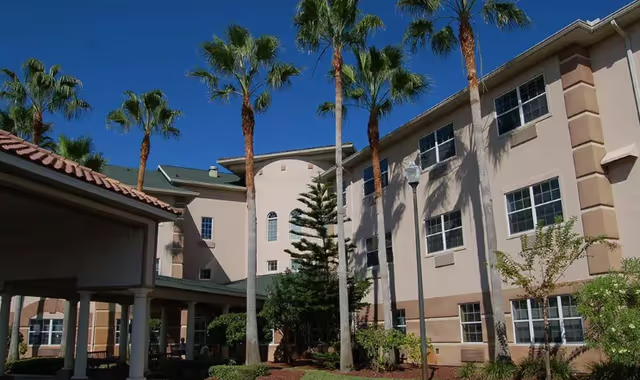
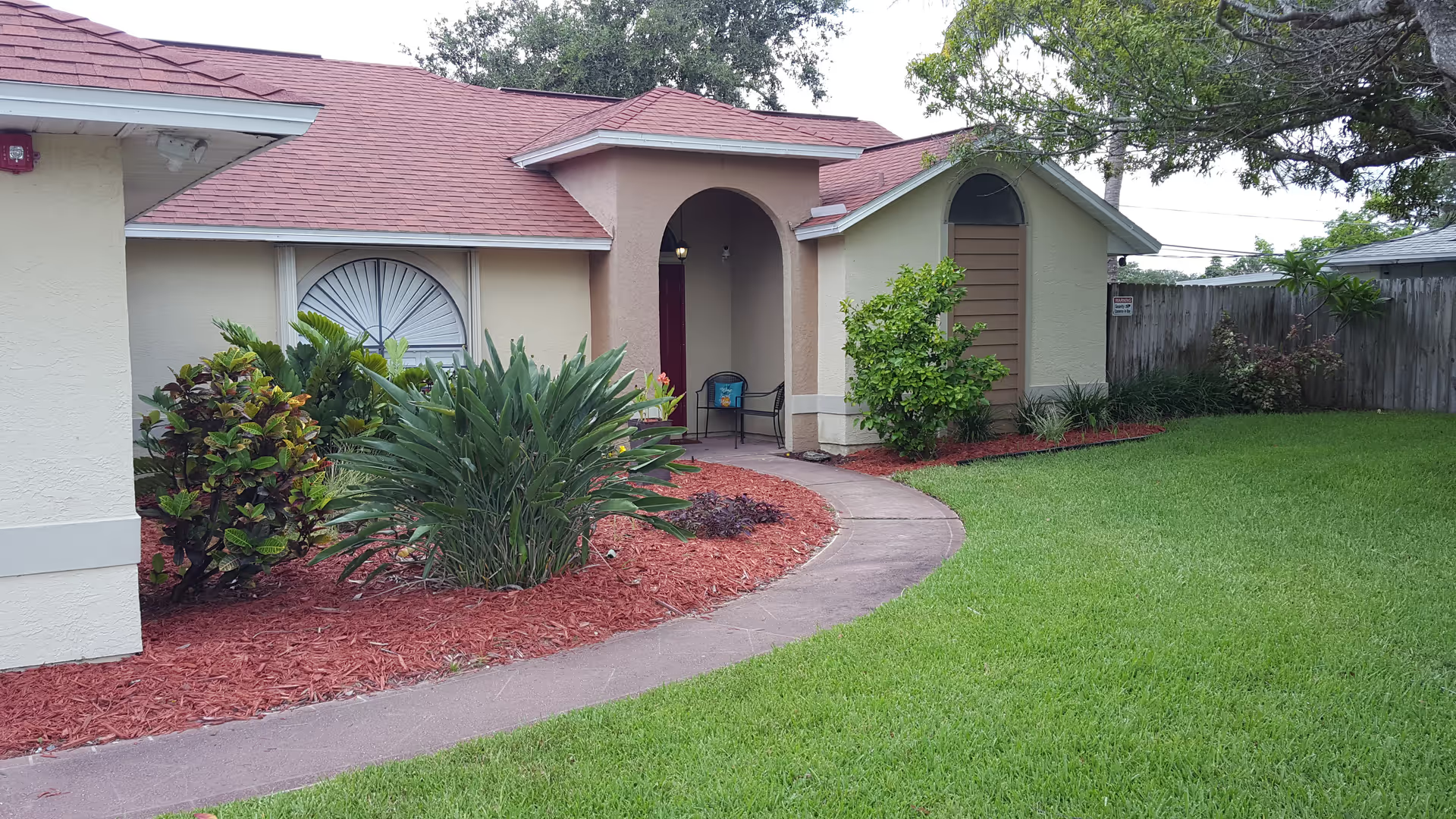
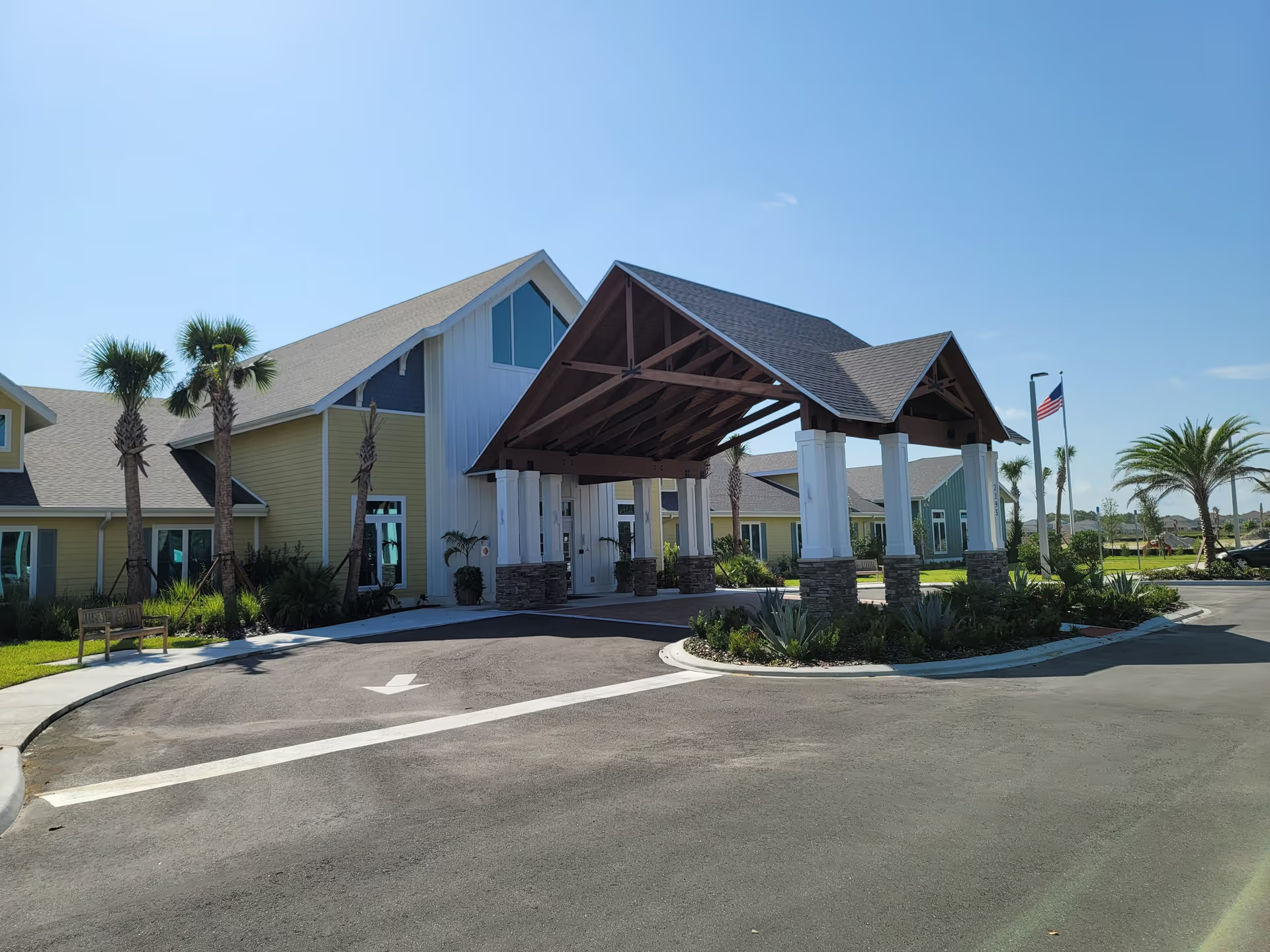
Facility condition and safety aspects are uneven. Some families report clean, comfortable rooms and pleasant outdoor spaces; others describe overcrowded shared rooms, limited privacy, sanitation and pest‑control concerns in certain areas, and maintenance issues (broken beds, deflated mattresses, loose wheelchair screws). Safety process gaps cited include equipment maintenance, transfer practices, and timeliness of dressing/wound care changes.
Management, communication, and administration are recurrent themes. Families seek clearer, more consistent communication about care plans, medication changes, transfers, and billing. Several reviewers described delayed or unreturned calls, room changes without timely family discussion, and difficulty obtaining satisfactory responses from leadership. Positive comments about staff compassion and effective therapy coexist with repeated warnings about administrative and operational weaknesses.
Overall, Avante at Melbourne appears to deliver strong rehabilitation services and has many individual staff members who provide attentive, compassionate care. However, patterns in the reviews point to systemic operational weaknesses — inconsistent clinical processes, staffing instability, meal and supply management problems, privacy and room‑capacity issues, and uneven management responsiveness — that prospective residents and families should evaluate carefully. If considering this facility, families should verify staffing levels, medication and safety processes, room configuration and privacy arrangements, and establish clear communication plans with clinical and administrative contacts before placement.