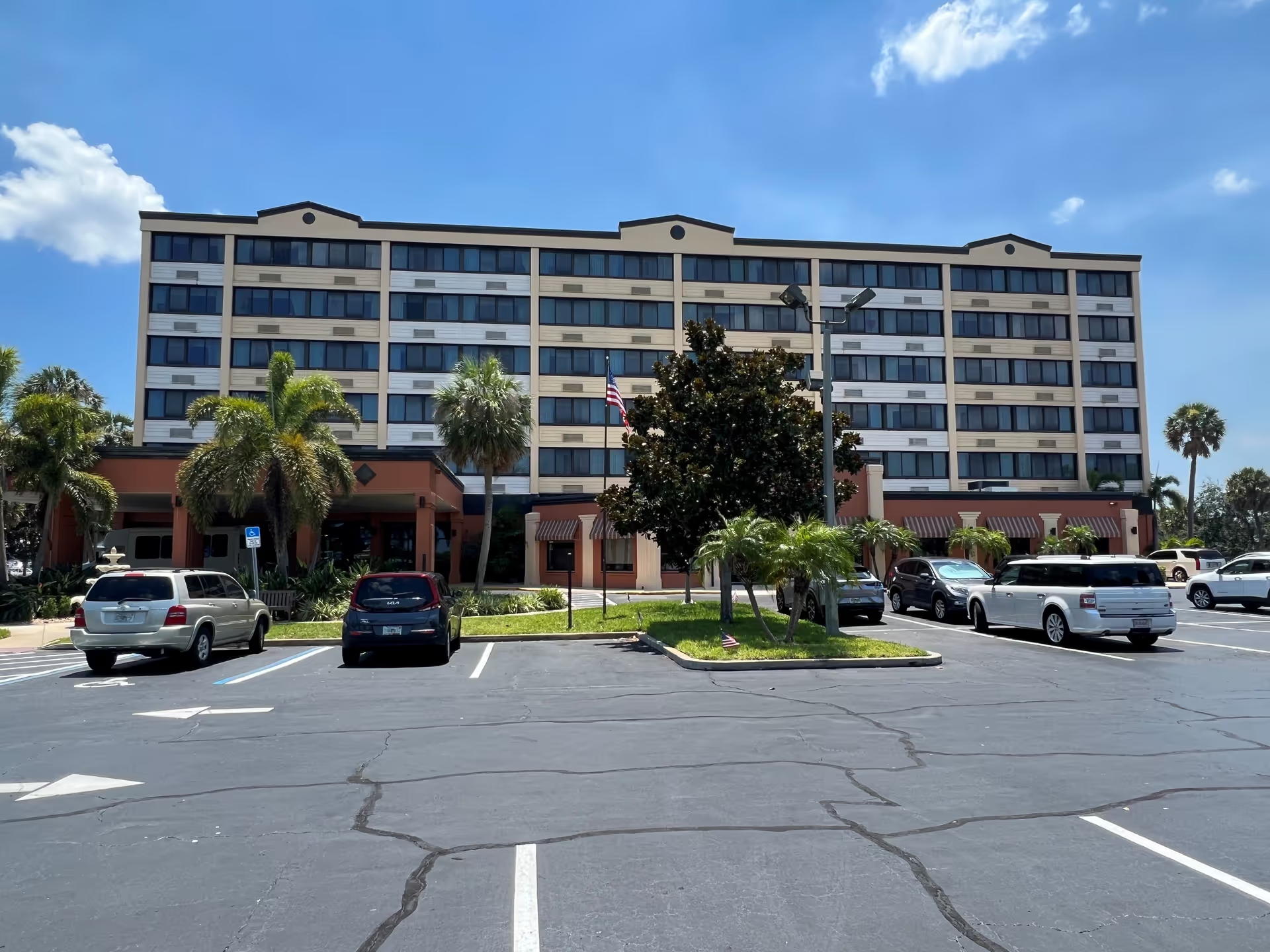
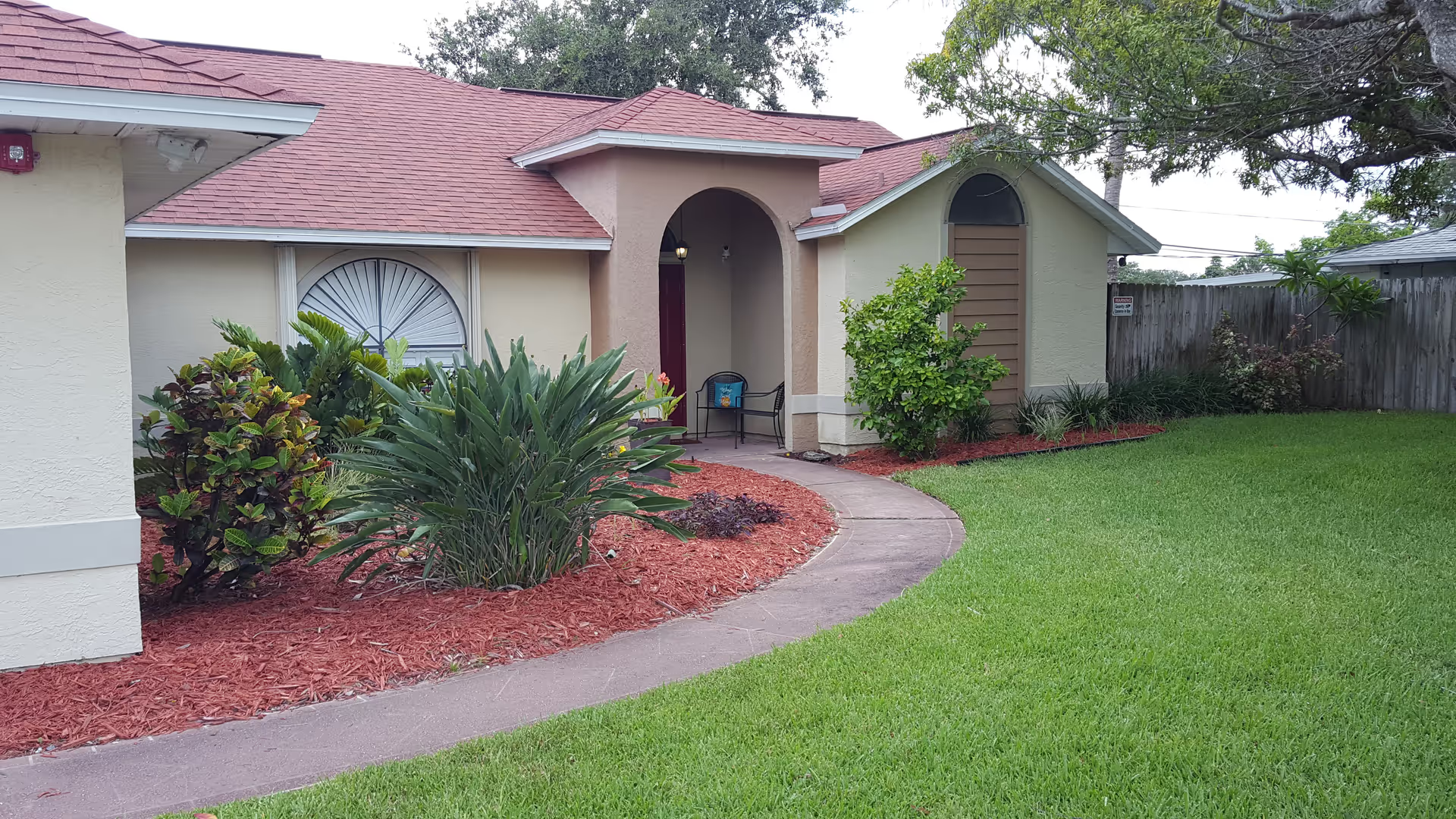
Life Care Center of Melbourne receives frequent praise for hands-on clinical care and rehabilitation services. Many families and patients described compassionate, attentive nurses and CNAs, and consistent therapy gains from physical, occupational, and speech therapy programs. Therapy leadership and departmental contacts are often described as professional and approachable. Positive clinical items include competent wound care, hygiene oversight, hydration availability, and adherence to infection-control protocols. The facility’s public areas and dining room are described as clean and welcoming, with pleasant seasonal decorations, a bistro/ice-cream area, and an active calendar of engagement opportunities (music, bingo, crafts, manicures, hairdresser).
At the same time, a clear pattern of operational inconsistency emerges. Staffing levels were reported as uneven, particularly during evenings and overnight shifts, which reviewers linked to delays in responding to call lights and in some cases delayed pain medication or other time-sensitive interventions. Medication-administration practices were described as inconsistent: families reported both timely dosing and examples of scheduling or dosing errors and delays. Communication gaps between clinical staff and families—especially around care transitions, discharge planning, and escalation of clinical concerns—were a recurrent theme. Several comments described management responsiveness as variable: some situations were addressed quickly, while others required repeated escalation.
Facility environment and services show a mixed picture. Common areas and housekeeping are frequently noted as clean and well-kept, and many reviewers complimented the food and menu variety; others described variability in food quality and noted that some meals were not adequately adapted to individual dietary needs. The campus offers a broad set of activities and social opportunities that contribute to a family-friendly atmosphere and patient engagement. However, the building and some patient rooms appear dated in places, with requests for new carpeting, window treatments, and replacement furniture. Practical issues such as hallway clutter from equipment, limited patio or outdoor slab space, and room-layout constraints (privacy and door access) were described as interfering with quiet visits and accessibility.
Safety, policy, and rare but serious clinical concerns were also mentioned. A small number of reviewers referenced severe adverse outcomes and contested discharge decisions; these items are individualized but important and suggest families should directly review the facility’s incident escalation, grievance, and quality metrics. Security procedures at automated check-in kiosks and some access points were noted as inconsistent in practice, and supply-replenishment gaps (soap, sanitizer, fresh cups, toiletry stock) were raised as operational weaknesses.
Overall, Life Care Center of Melbourne appears well suited for short-term rehabilitation and many long-term residents benefit from skilled therapy, engaged staff, and an active social program. Families considering this facility should confirm current staffing patterns (including night coverage), ask about medication-safety protocols and pain-management processes, review discharge-planning procedures and recent quality indicators, and inspect room assignments for privacy and noise considerations. Direct questions about incident reporting and recent corrective actions are advisable when evaluating risk tolerance for medically complex residents.