Reviews of Island Health and Rehabilitation Center describe a facility with a clear mix of strengths and operational weaknesses. Many families and residents praised individual caregivers, therapists, and physicians for being attentive, caring, and communicative; specific positive notes include helpful nursing and therapy teams, physicians who listen and provide documentation, and the availability of in-room phones for easier contact. Recreational programming and communal amenities such as chapel services, piano, bingo and movie nights contributed to a welcoming, hotel-like atmosphere for some residents, and several reviewers cited consistent assistance with personal care and clothing.
However, a consistent pattern of operational concerns emerges across reviews. Staffing levels and responsiveness are frequently cited as problematic: long waits for assistance, ignored call buttons, and periods when residents are left without timely help were reported. These response delays are linked to broader medication-management issues (delays or denials in medication administration) and to gaps in clinical-incident response; in some instances reviewers described emergency transfers or hospitalizations that families learned about belatedly. There are also reports raising concerns about staff conduct and communication tone, with a few reviewers alleging inappropriate interactions; these comments point to a need for stronger supervisory oversight and staff training.
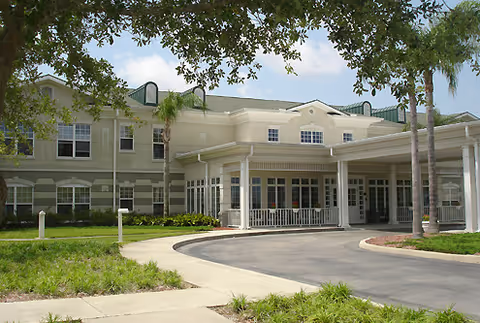
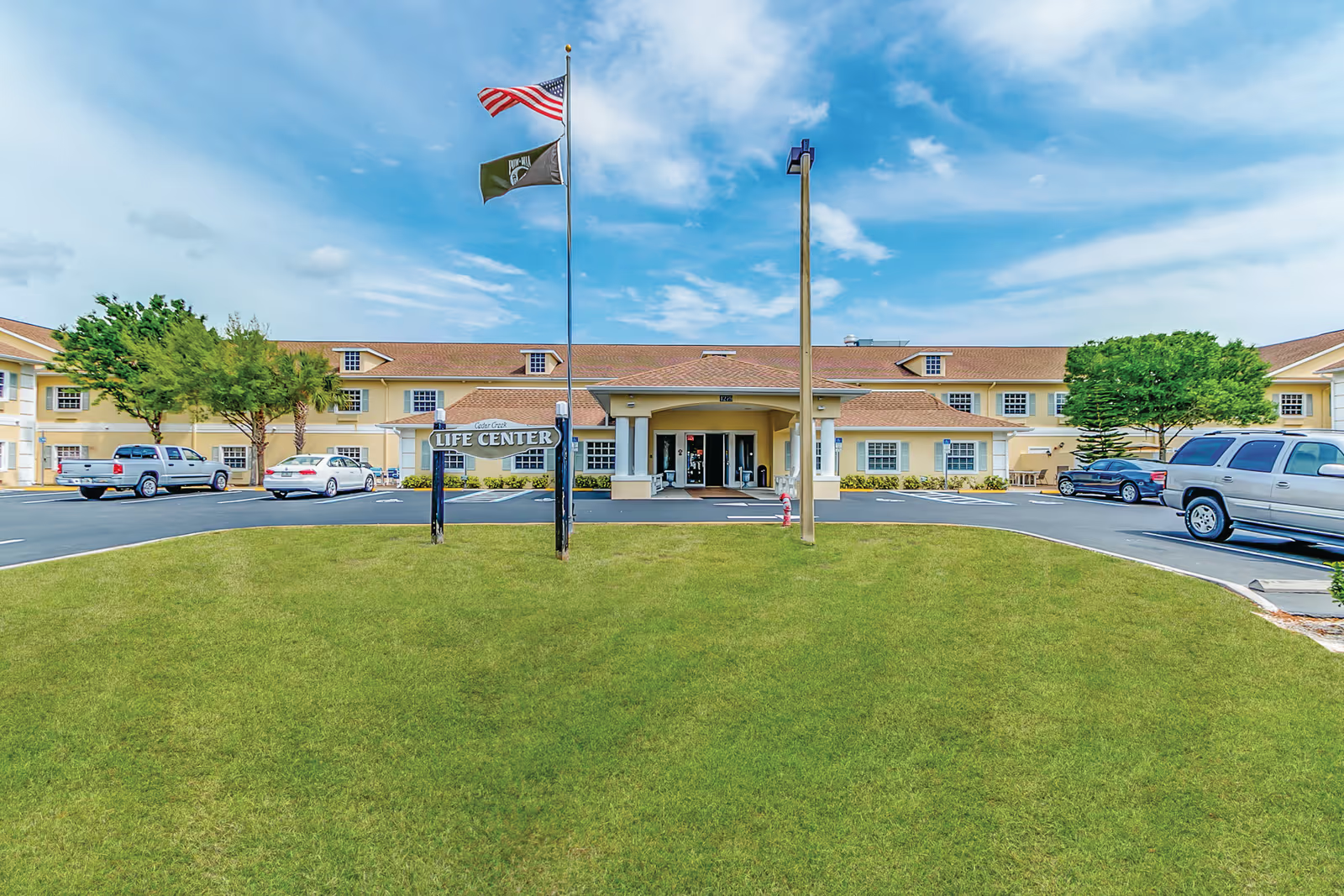
Facility condition and operations also show variability. The building is described as dated and in need of renovation; rooms are generally spacious but many are double-occupancy with shared bathrooms and limited private shower options, which may affect privacy and daily routines. Cleanliness and sanitation were uneven in accounts—some reviewers praised bathing assistance and cleanliness, while others raised sanitation concerns in areas and inconsistent attention to incontinence care. Dining experiences were similarly mixed: some reviewers appreciated the environment and meals, but others reported cold or overly processed items and an overreliance on starch-heavy menus, indicating inconsistent meal preparation and service practices.
Therapy and mobility programming receive both positive and critical remarks. While several families appreciated the therapy staff and observed good wound care or incision healing, others felt physical-therapy follow-through was inadequate for mobilizing certain residents. Management and communication practices appear inconsistent: some families received regular updates and documentation, while others described delayed or absent notifications about hospitalizations or serious events. Finally, reviewers mentioned issues during facility-wide lockdowns or isolation periods, noting food quality and communication problems during those times.
For prospective residents and families, the facility’s strengths lie in compassionate frontline caregivers, active therapy services, and a community-oriented activity program. Key areas to evaluate in person are staffing ratios and response times, medication-administration protocols, restroom/bathing arrangements for room types under consideration, kitchen and meal-service practices, and the facility’s incident-notification and contingency management procedures. Asking administrators about supervision, staff training, recent renovations, and documented emergency-response policies may help clarify whether the operational gaps identified in reviews have been addressed.