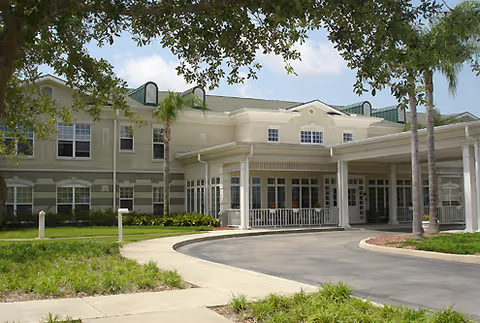
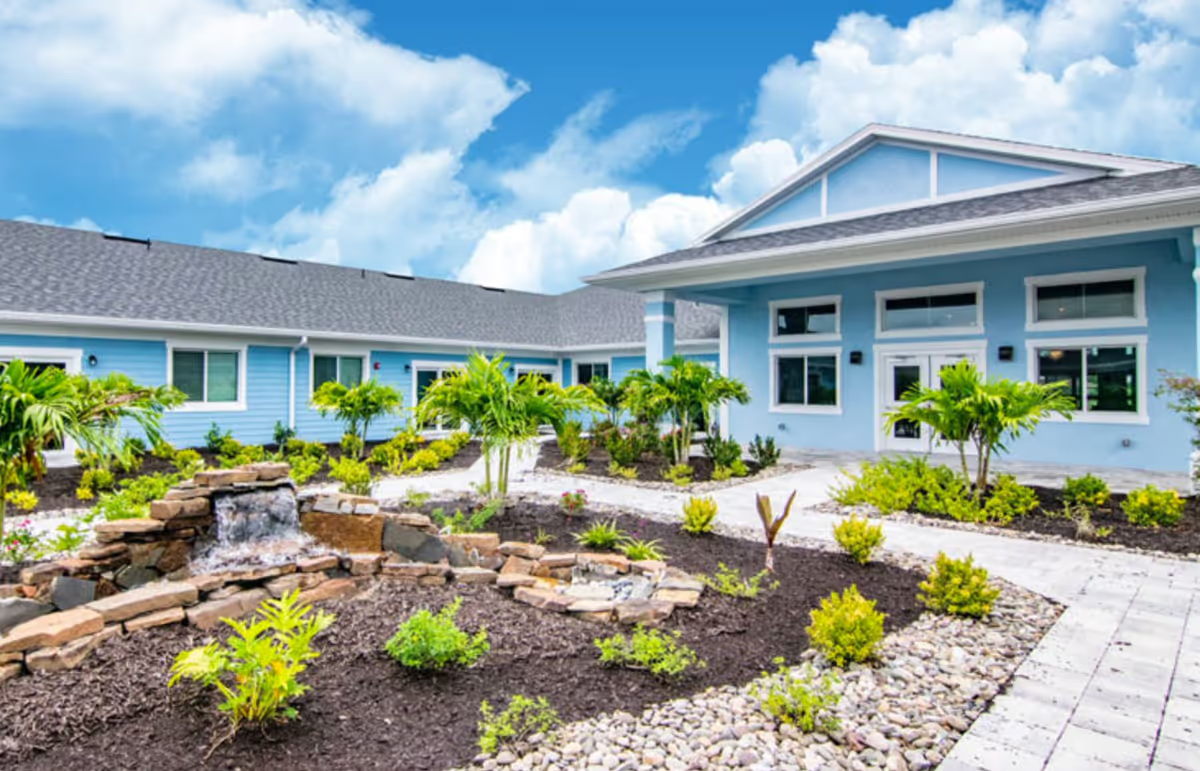
Overall impression: Solaris Healthcare Merritt Island presents as a facility with strong rehabilitation and long-term care capabilities alongside a number of operational inconsistencies. Many comments highlight effective therapy programs, skilled physical therapists, and a continuity of care from admission through discharge. Families and patients commonly praise individual caregivers — nurses, CNAs and social workers — for compassion, attentiveness, and long tenure. The facility’s physical environment, including bright interiors, gardens, and an attractive dining room, is frequently described as pleasant and well maintained, and maintenance staff receive positive mention for responsiveness.
Care quality and staff: Rehabilitation and therapy are consistently named strengths, with described progress during short-term stays and competent therapy teams. Nursing and CNA staff are often characterized as caring and attentive; several reviewers referenced specific staff members positively. At the same time, a recurring pattern ties variation in care quality to staffing levels. Comments indicate that limited staff availability can lead to delayed responses to resident needs, gaps in routine personal-care tasks, and uneven supervision. There are also notes about gaps in ongoing staff education and the need for more consistent clinical oversight.
Dining and nutrition: Meal offerings receive mixed but generally favorable feedback. Multiple accounts call the food good and valued, and the option for in-room dining as well as a dining room is appreciated. However, there are recurring operational issues around meal service attentiveness and presentation (for example, condiments or timely accommodation of requests), producing variable dining experiences.
Activities and social services: The facility’s activities program and social services team are described positively. Reviewers mention engaging programming, a supportive social-worker presence, and helpful case-management during admissions and transitions. These elements appear to contribute to a harmonious atmosphere when staffing allows.
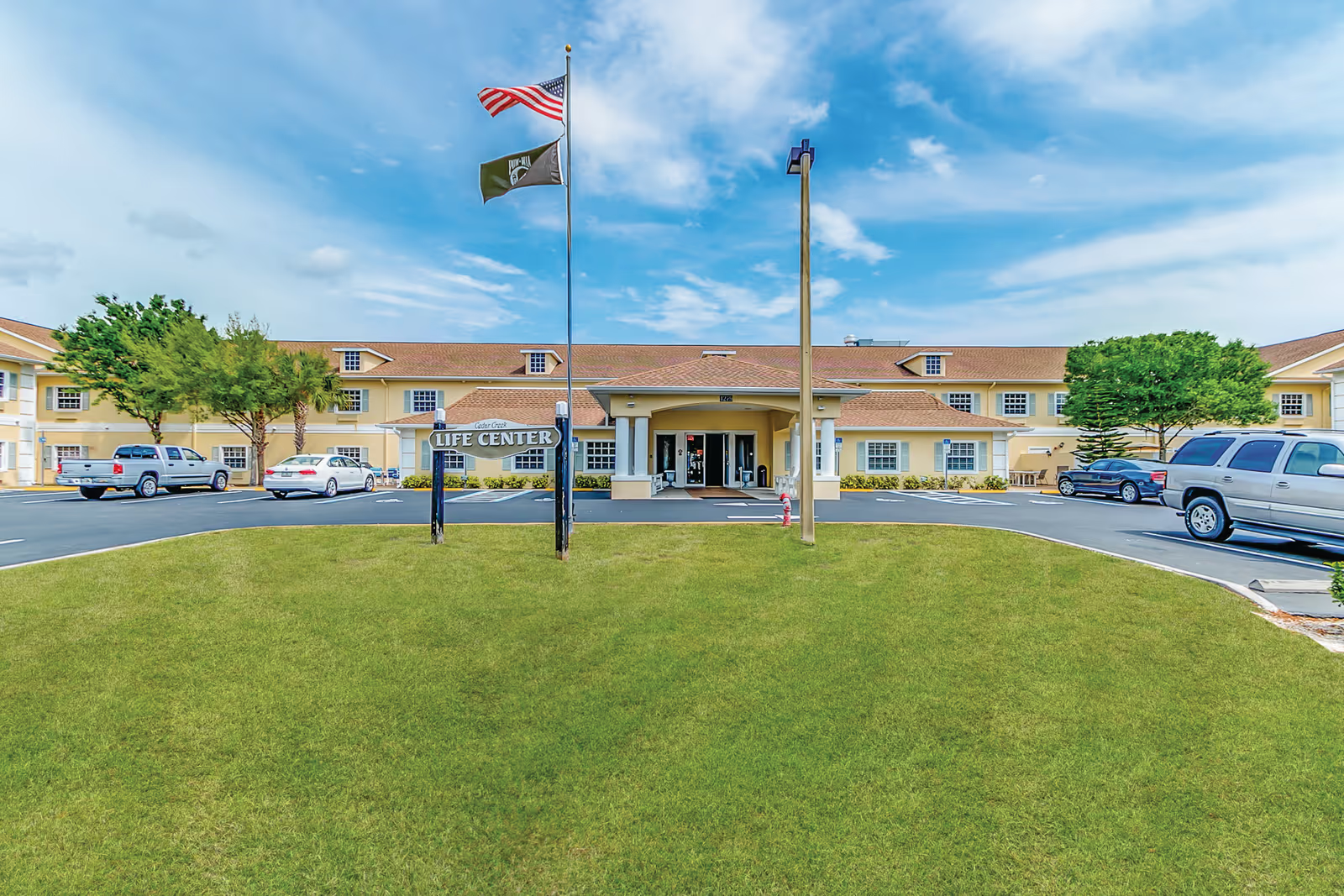
Facilities, maintenance, and housekeeping: The building and grounds are often described as bright, comfortable, and well maintained. Maintenance staff receive frequent praise for responsiveness. Conversely, some reviews point to cleanliness and odor concerns in specific common or clinical areas and to equipment in need of repair. These comments suggest unevenness between visible building maintenance and clinical equipment/upkeep or housekeeping in certain units.
Management and operational culture: Several comments raise concerns about workplace culture and management practices, including assertions of favoritism and punitive approaches to staff supervision. These cultural concerns are consequential because they can affect staff morale, retention, and ultimately consistency of care. Families also cited problems with laundry and personal-possession handling, which points to process and accountability gaps for resident belongings.
Safety, incident response, and communication: There are notable concerns about delays in incident response and family notification following clinical events. These are described as systemic communication and protocol gaps rather than isolated single elements. Prospective families should consider asking about incident-response procedures, on-shift staffing ratios, staff training programs, and protocols for family notification.
Notable patterns and guidance for families: The facility demonstrates clear strengths in rehabilitation, committed individual caregivers, and an overall pleasant physical environment. The principal weaknesses cluster around staffing consistency, housekeeping/sanitation in some areas, equipment maintenance, meal-service reliability, and management culture. When evaluating this facility in person, consider observing staffing levels during key times (meals, shift changes), asking for information on staff training and turnover, reviewing housekeeping and laundry procedures, and requesting the facility’s incident-response and notification policies. These targeted inquiries will help distinguish routine operational issues from patterns that could affect daily care quality.