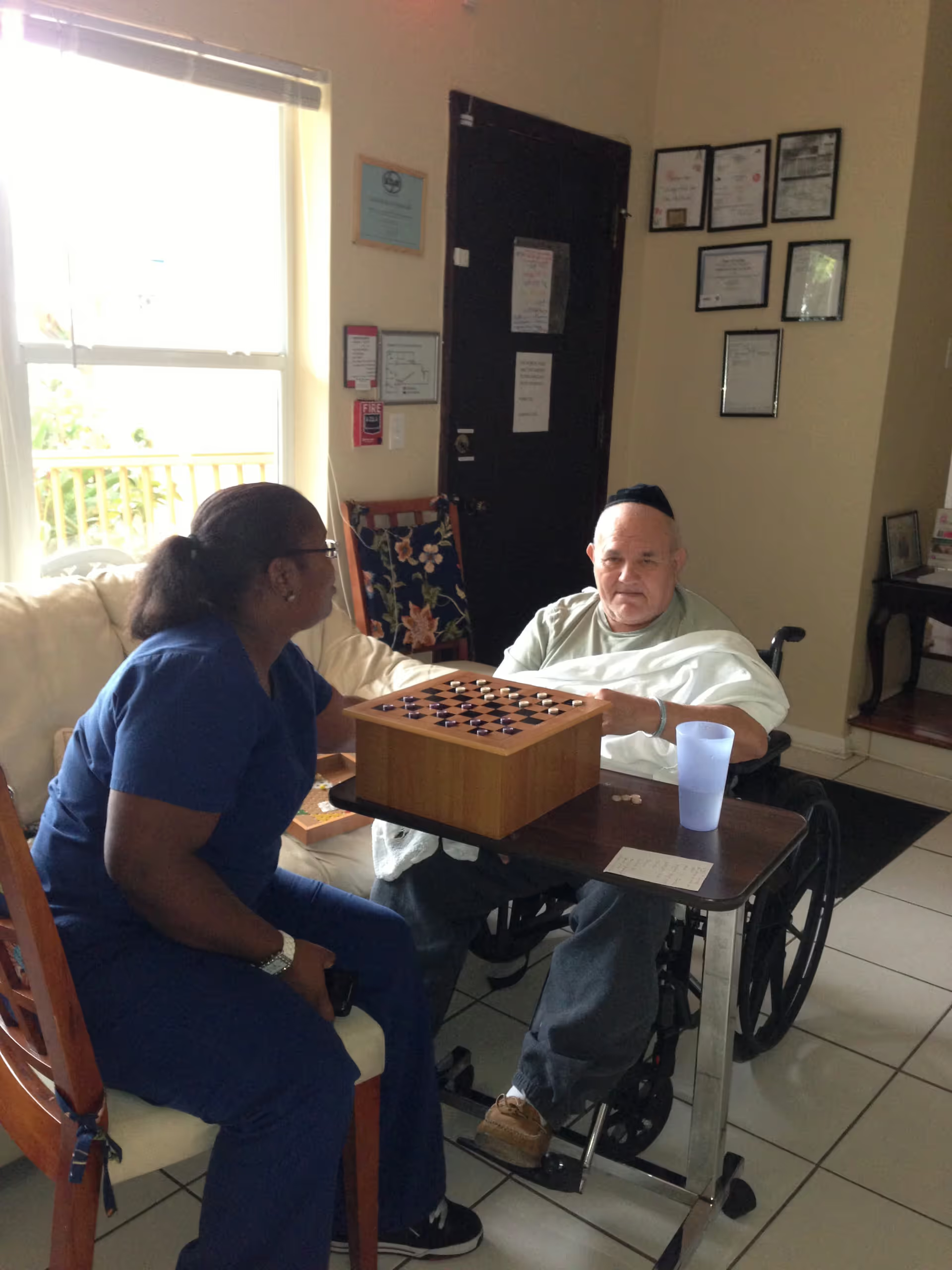
Reviews present a mixed but consistent pattern: the facility's therapy services and several direct-care employees receive repeated praise, while operational and environmental issues raise ongoing concerns. Physical and occupational therapy are commonly described as a strong point; multiple accounts highlight skilled, effective therapists and good outcomes from rehabilitation. Admissions and coordination staff, including bilingual assistance and family communication, also receive positive mention, and some caregivers and nurses are described as compassionate and attentive.
Despite those strengths, reviewers identify systemic staffing shortfalls that appear to affect nights and weekends in particular. Consequences cited include slow or difficult access to staff, scheduling delays, and limited responsiveness to family requests. Reviewers also raise concerns about clinical processes: gaps in routine monitoring (for example, irregular vital-sign checks) and delays in attending to incontinence needs. Several accounts describe problematic staff conduct or communication tone, and occasional difficulties with scheduling or follow-up on promised actions.
Dining and daily living receive mixed reports. Food quality is described positively when kitchen staff are engaged or when families advocate, but reviewers also report inconsistent meal and snack availability and interruptions to regular service. Descriptions of the social environment vary: some households note a comforting, welcoming atmosphere, while others find rooms and common areas outdated or depressing.
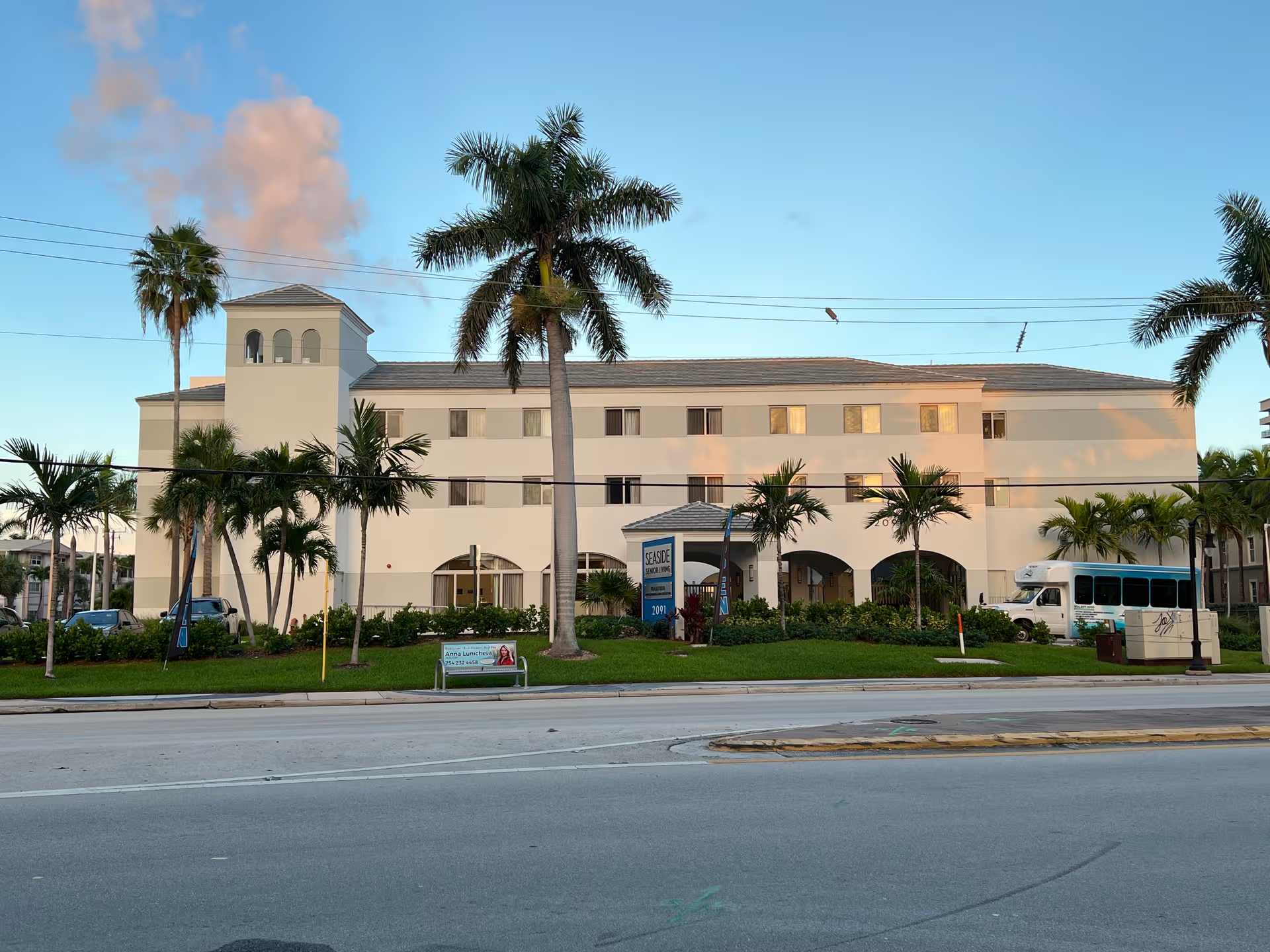
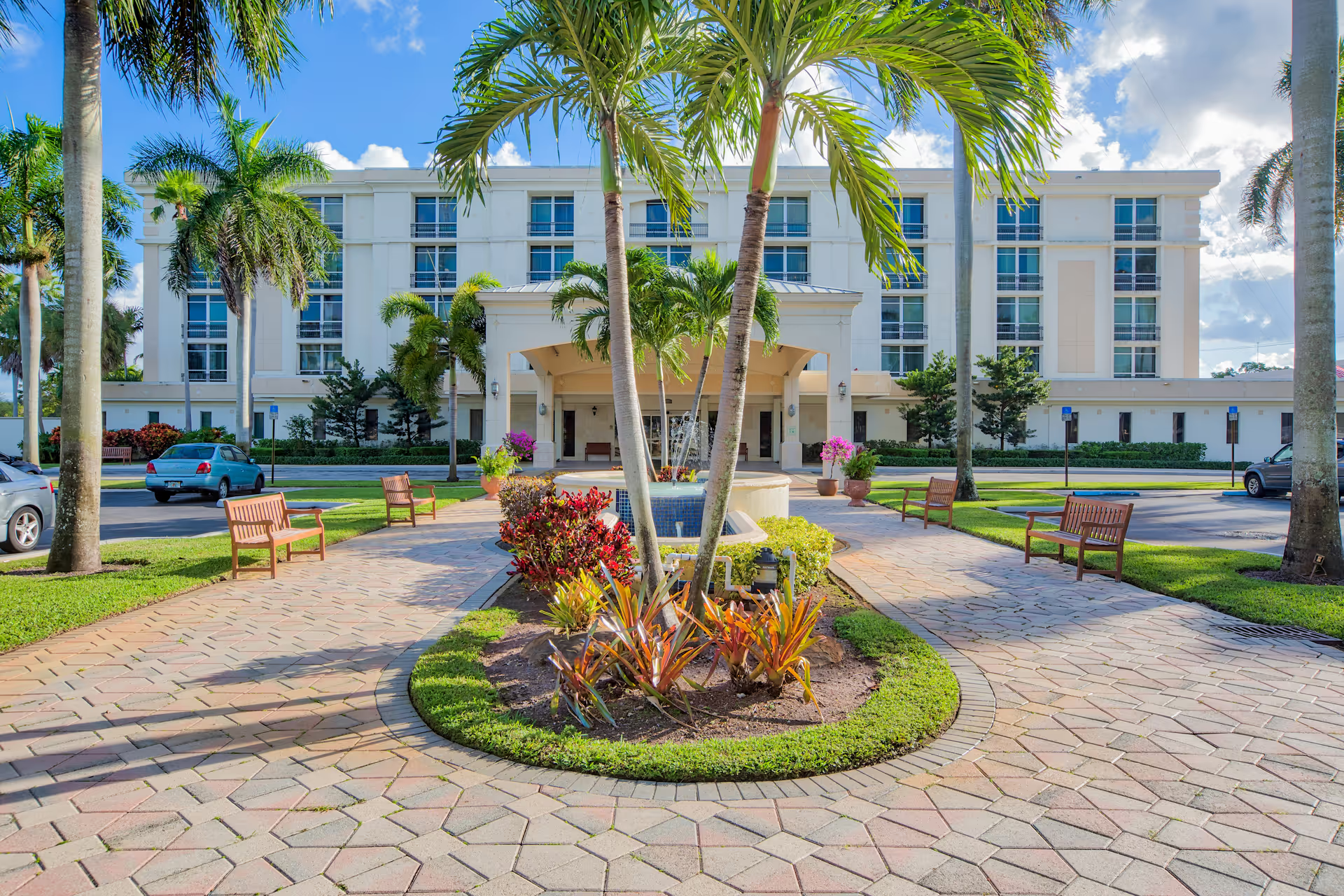
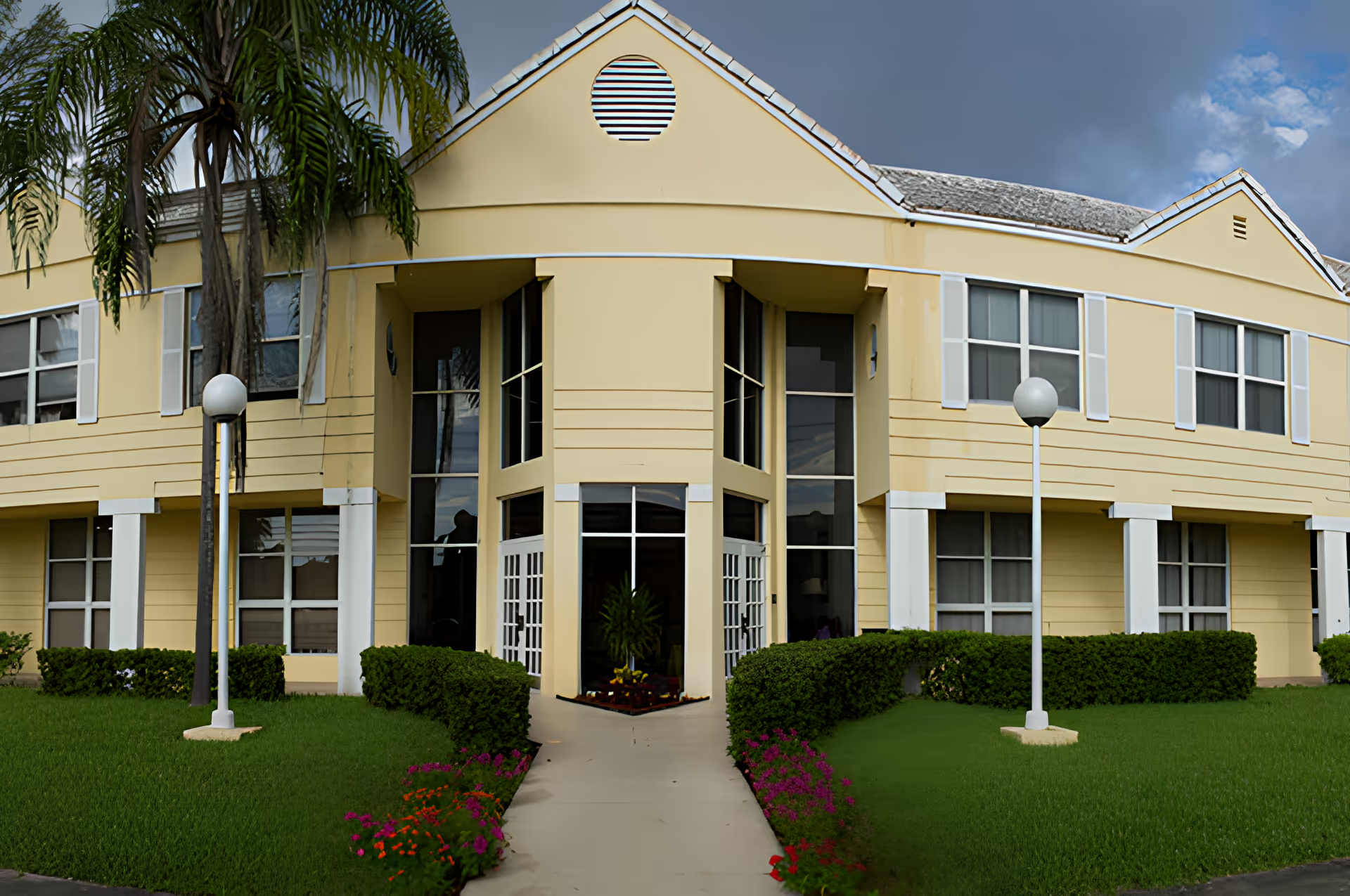
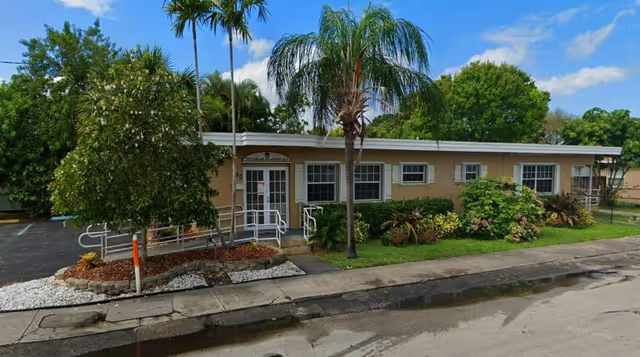
Facility condition and cleanliness are recurring issues. Reviews describe sanitation and odor concerns in resident and common areas, lack of adequate wash stations, and general maintenance deficits consistent with an older building. Safety hazards in corridors and rooms and overcrowded or outdated room layouts are raised as operational risks that merit inspection before placement.
Management responses are described inconsistently. Several reviewers note responsive administration and helpful admissions staff, while others describe broken promises, slow communication, and billing or financial-communication problems. Given the contrast between praised clinical programs (especially therapy) and the operational weaknesses (staffing, sanitation, maintenance, and communication), prospective residents and families should balance the facility's strong therapy and some high-quality caregiving against the reported infrastructure and staffing concerns.
Practical next steps for families: conduct an in-person visit at different times (day, evening, weekend), ask for current staffing ratios and weekend/night coverage, request documentation of cleaning and infection-control protocols, verify routine clinical-monitoring practices, review sample meal plans and snack policies, and obtain clear written explanations of billing procedures and guarantees of care commitments. These targeted questions will help clarify whether the facility's clinical strengths are supported by reliable day-to-day operations and administrative accountability.