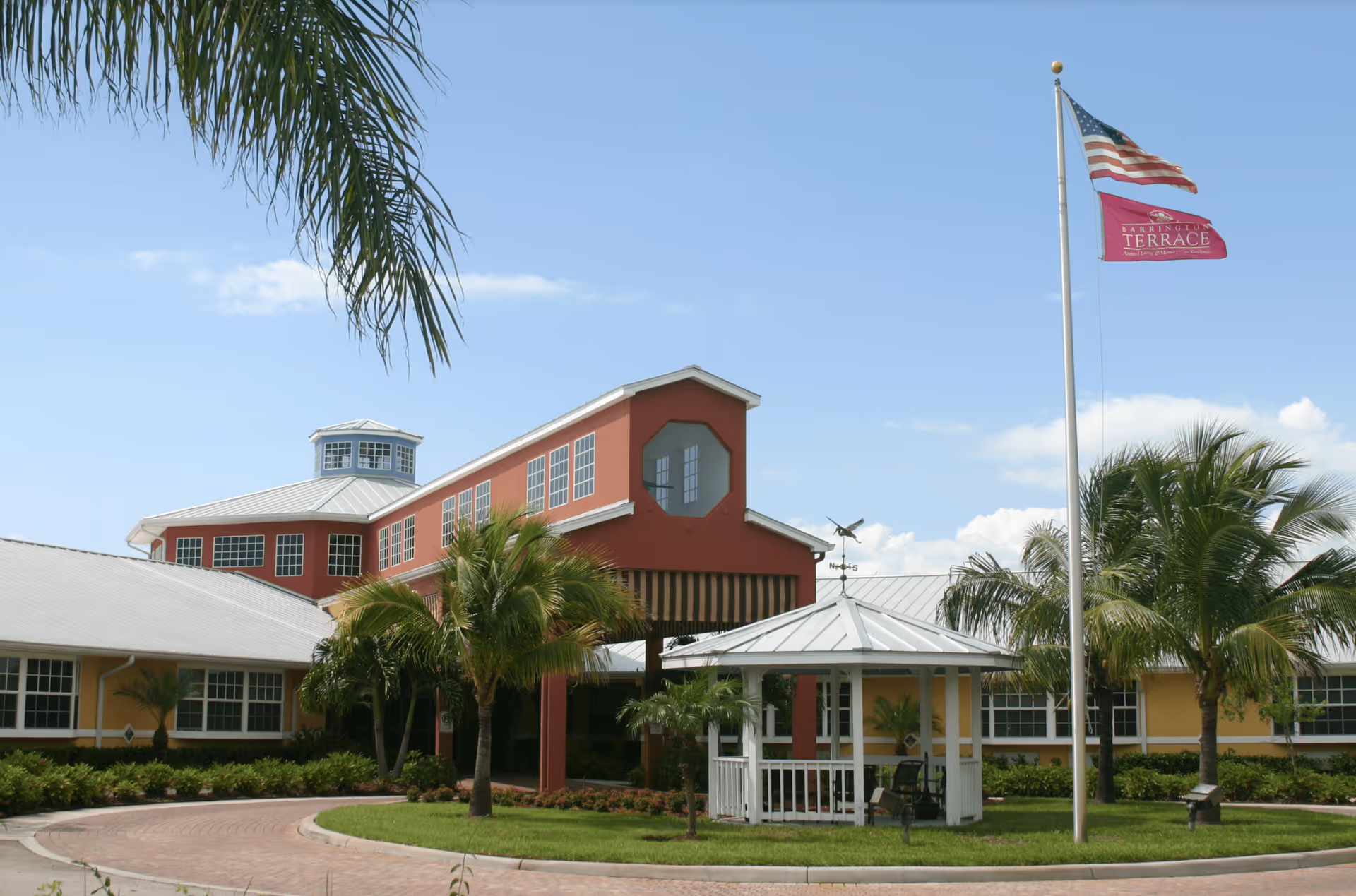
Clearday Living of Naples elicits strongly polarized impressions: many families and observers describe a warm, family-like environment with staff who are attentive, compassionate and knowledgeable about memory care; other accounts raise operational concerns that affect day-to-day resident experience. Clinical strengths cited include an attentive nursing team, 24/7 onsite medical coverage, access to external physicians, and on-site hospice services. Several reviewers praised the facility's memory-care focus, secure unit design, and staff who know residents' preferences — factors that contribute to perceived safety and satisfaction for people with cognitive impairment.
Activity and rehabilitation offerings are often highlighted as a positive. Reviewers describe a robust schedule of music, live entertainment, physical training, mobility and strength programs, and escorted outings to local venues. When programming is active, families report residents are engaged, socially connected, and benefit from physical and mental stimulation. Dining is likewise seen as a strength by many: nutritious meals, private dining options, and generally enjoyable menus and desserts were noted. Move-in and room-furnishing support and newer technology amenities such as a Zoom Room were also appreciated.
Counterbalancing those strengths are recurring operational weaknesses. Staffing levels and coverage were described as inconsistent, producing variability in responsiveness and care continuity. Reviewers described gaps in management oversight and family engagement; in some accounts administrative points of contact were accessible and communicative, while in others families experienced delays or unhelpful interactions. Related issues included front-desk responsiveness problems and reports of vendor- and payment-management concerns that suggest potential weaknesses in administrative processes.
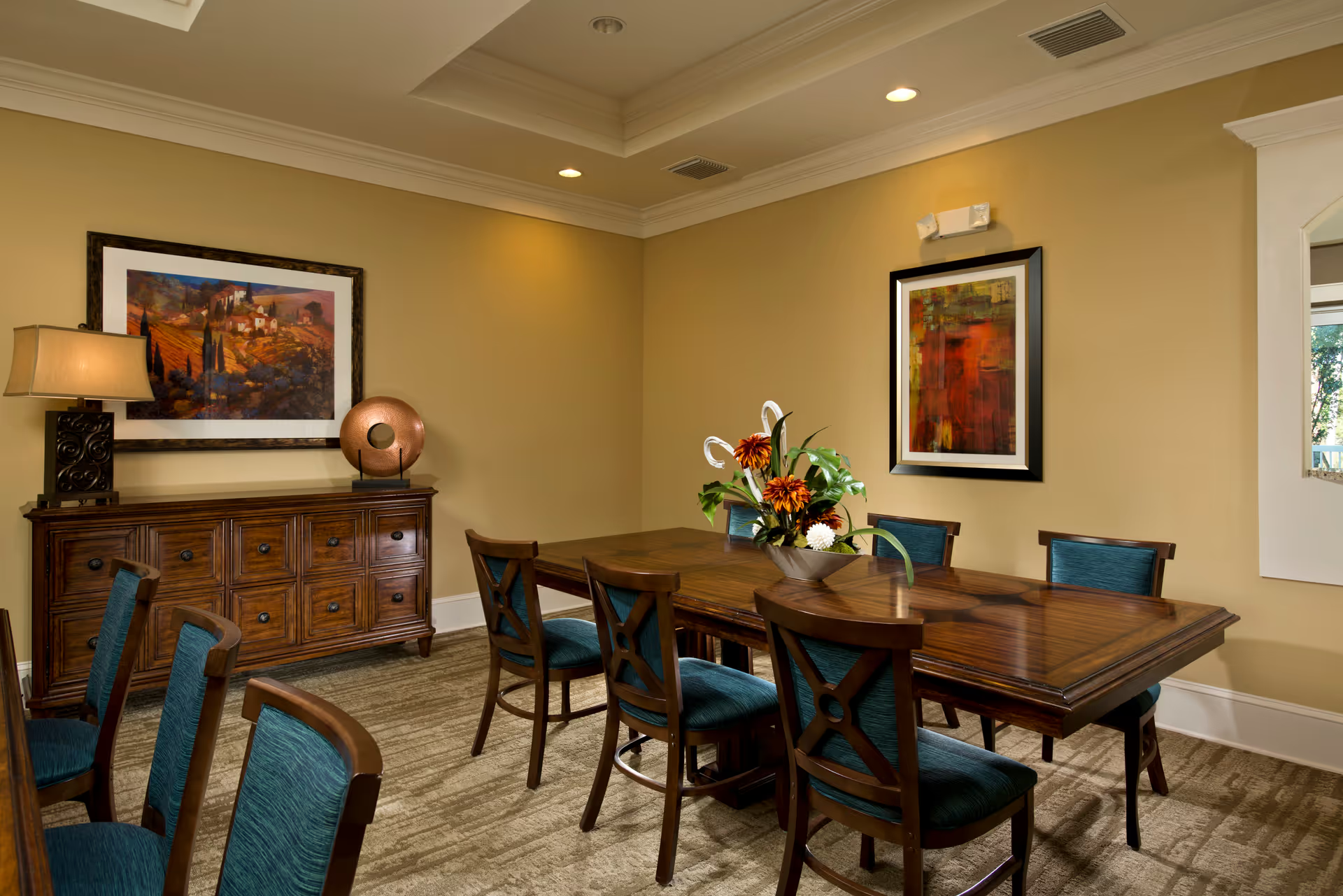
Sanitation and incontinence-care practices were a notable area of concern in some accounts: these were characterized as uneven across shifts or units, and there were mentions of odor and pest-control concerns. Dining operations also showed variability — while many praised the food, other experiences described long meal wait times or an inconsistent dining-service system. Facility layout and room size were appropriate for some residents but were described as small or awkward in certain units, which may affect fit depending on individual needs.
The overall pattern is one of contrasts: a clearly capable memory-care program with many committed caregivers and useful clinical supports coexists with operational and management lapses that can materially affect resident experience. Prospective residents and families would be well served by an in-person tour focused on specific operational questions: current staffing ratios and shift coverage, policies and audits for sanitation and pest control, protocols for incontinence and bathing schedules, daily activity and outing calendars, dining service logistics and menu planning, medication and clinical incident communication procedures, and clarity on billing and vendor/payment practices. That targeted inquiry will help determine whether the facility’s strong clinical and social offerings are consistently delivered for a given resident’s needs.