The Fairways at Naples is described by many families as a small, memory‑care–focused community with strengths in compassionate caregiving, engaged leadership, and a strong activity program. Reviewers commonly highlight the facility's boutique scale and capped capacity, which supports a personalized, family‑like atmosphere where staff know residents by name. Clinical support and rehabilitation services receive consistent praise; physical‑therapy outcomes and recovery‑focused care are cited as reliable strengths. Leadership involvement and approachable directors are also frequently noted as contributing to smoother transitions and ongoing family communication.
Staff quality is a dominant positive theme: caregivers, nurses, and directors are often characterized as kind, patient, and responsive. Families value the 24/7 accessibility of staff and specific clinicians (named in some accounts) who support medication management and care coordination. At the same time, reviewers describe variability in staff communication tone and responsiveness; language barriers with some staff members and occasional shortfalls in weekend coverage or staffing levels have been reported, which can affect perceived consistency of care.
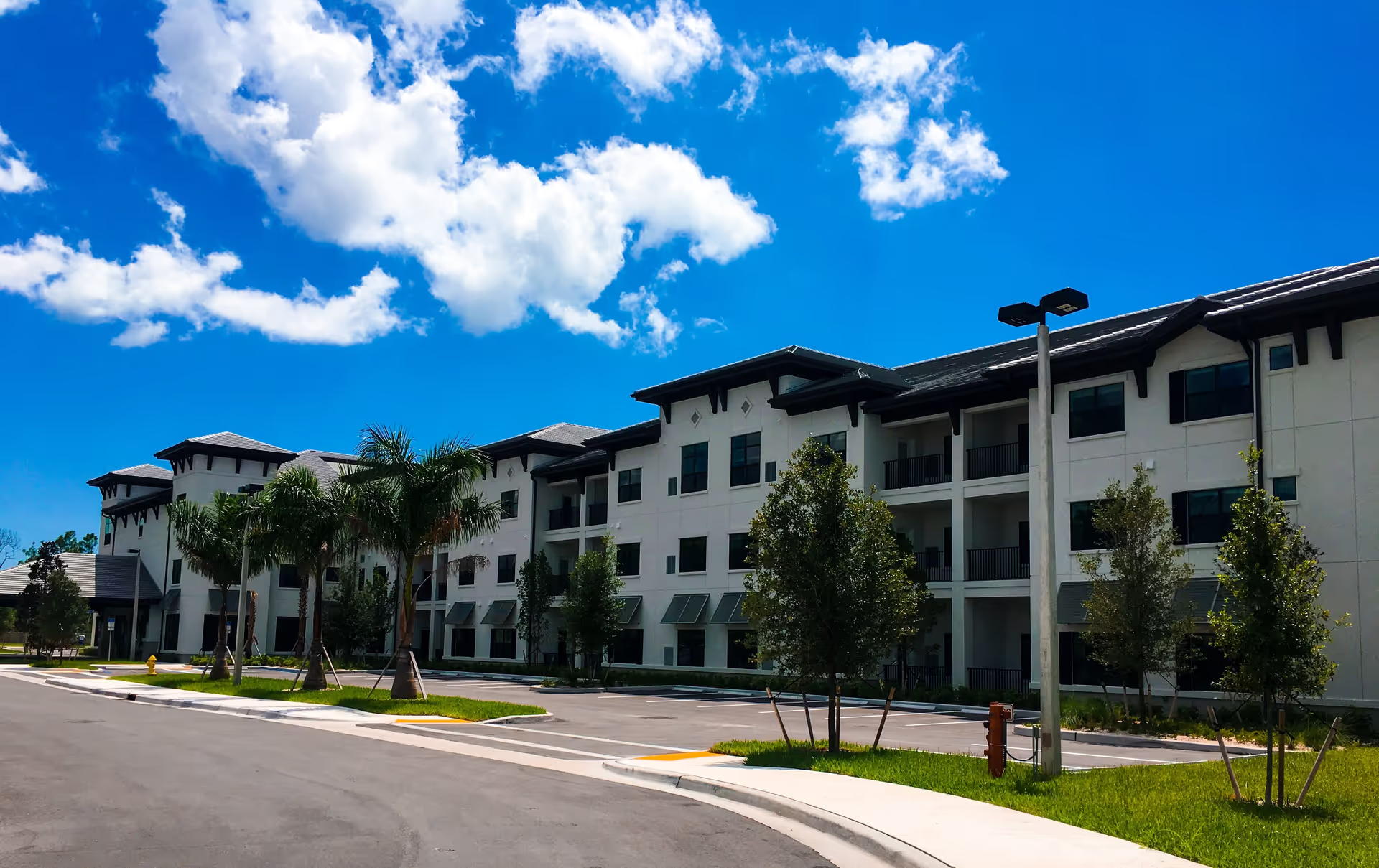
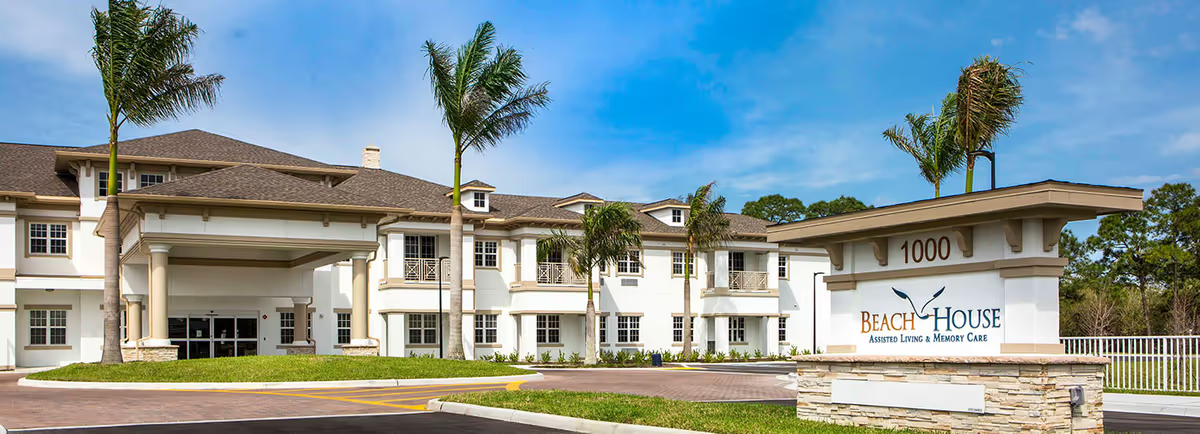
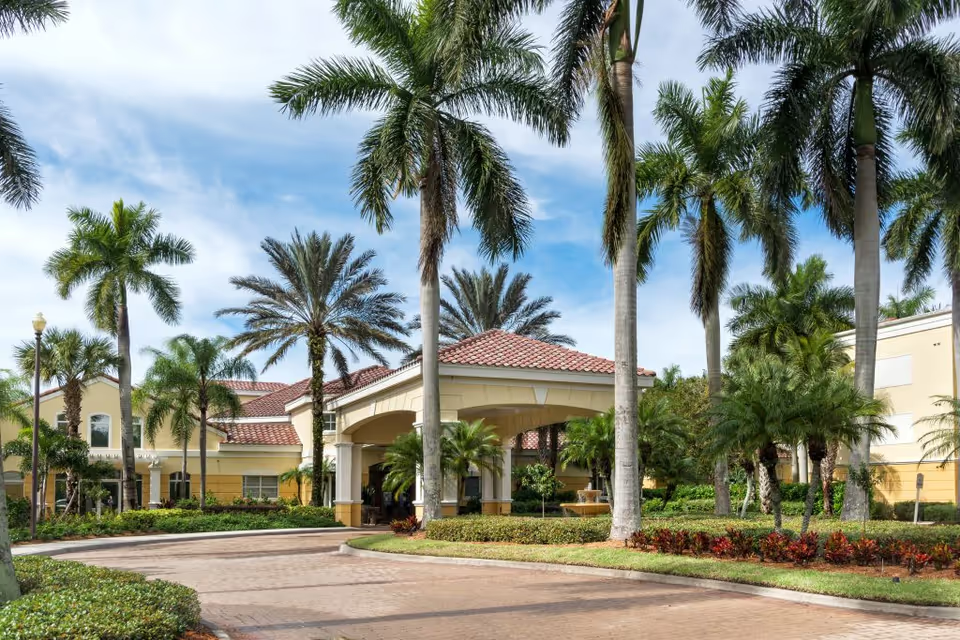
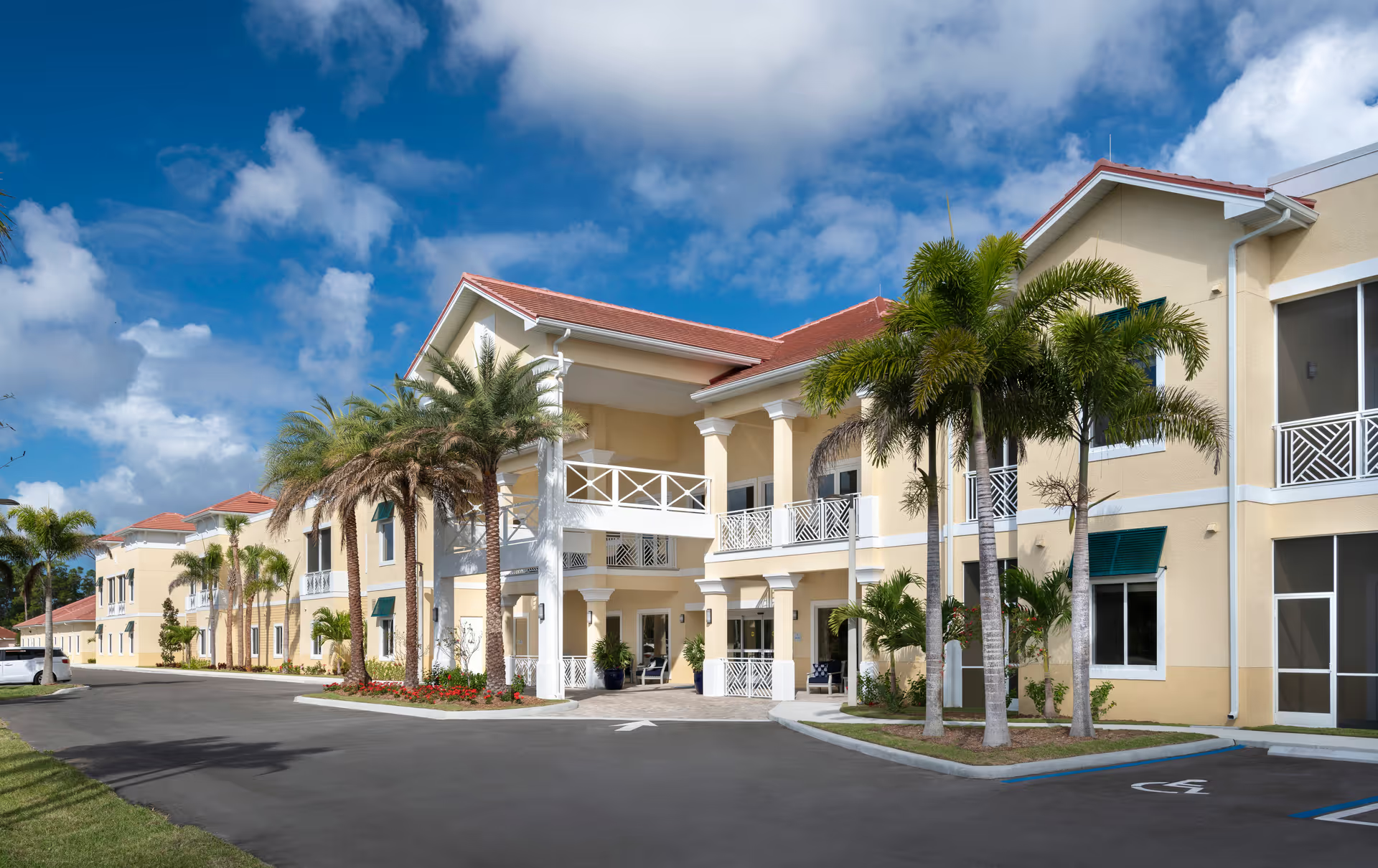
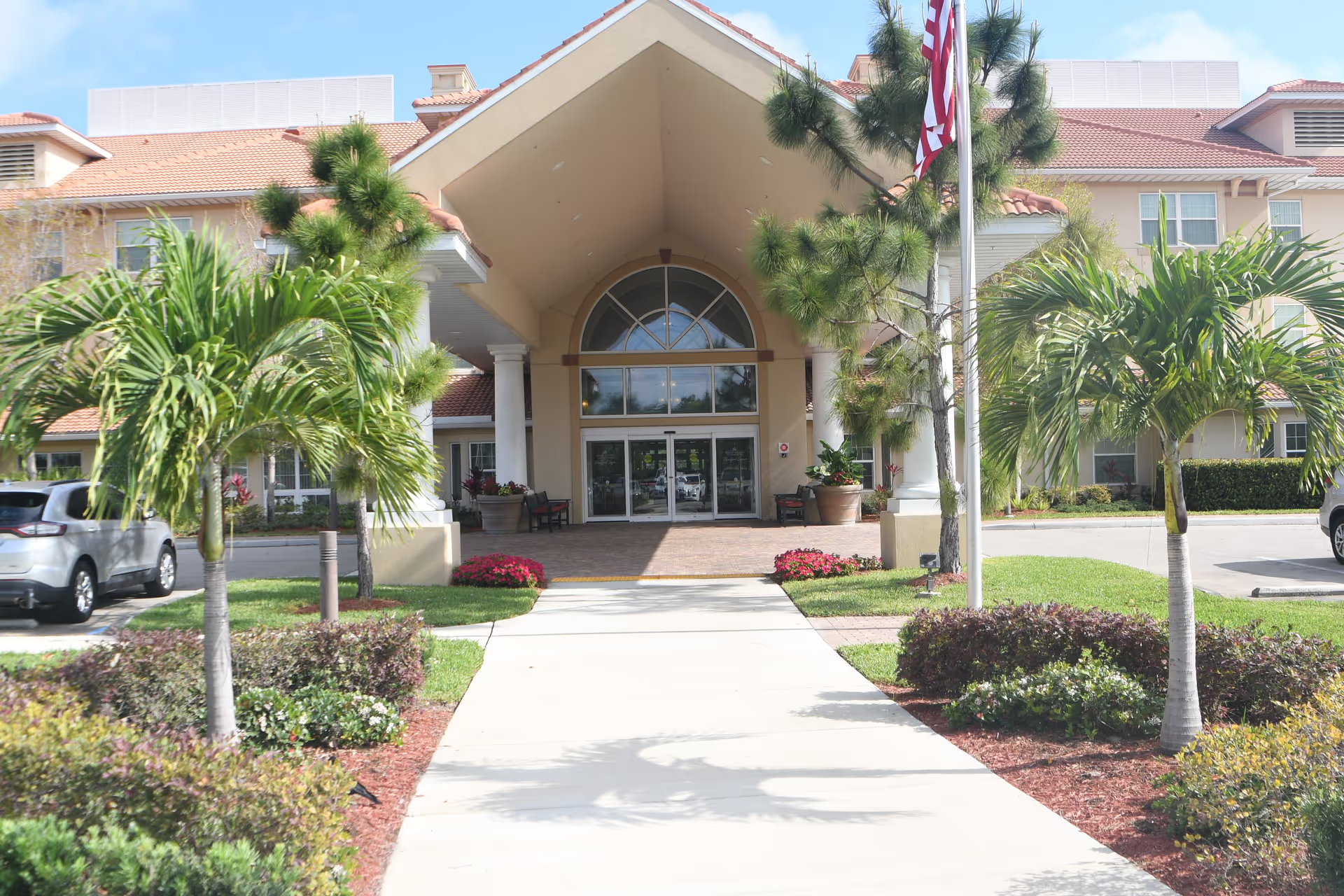
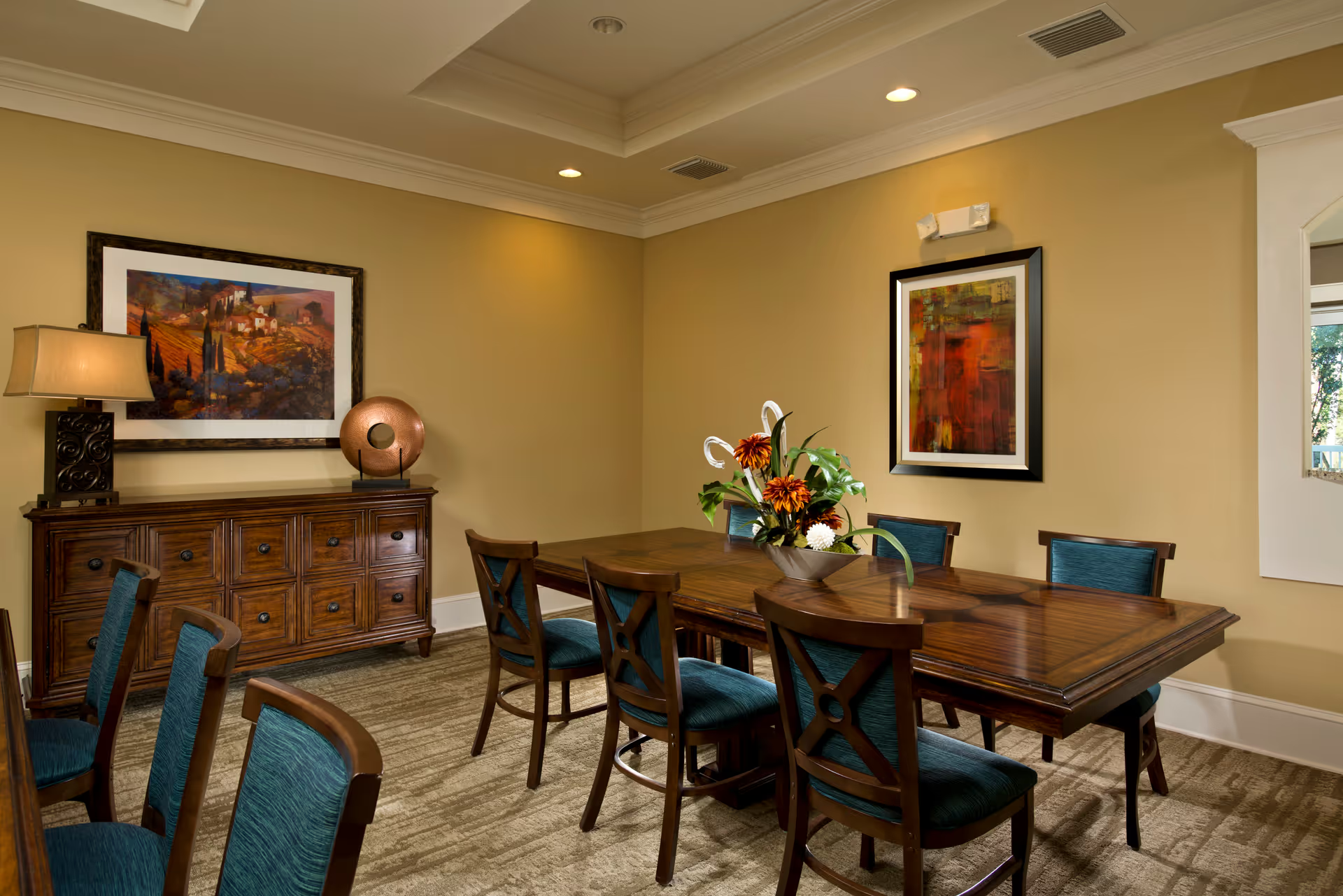
Dining, activities, and communal spaces are repeatedly identified as strong points. The dining program is described as nutritious, homemade, and appetizing, with leadership willing to accommodate dietary preferences; however, a number of families note menu repetition and inconsistent variety over time. The facility's physical environment—bright, clean interiors, inviting terraces, flowering plants, and an herb garden—supports outdoor engagement and a non‑institutional vibe. A broad activity calendar (walking clubs, art, music, parties) and on‑site services (barber shop, therapy) contribute to resident engagement and quality of life.
Operational weaknesses emerge as recurring themes that prospective families should weigh. Housekeeping and maintenance responsiveness are uneven: while many praise cleanliness and upkeep, others report intermittent missed room cleaning, delayed maintenance requests, and items misplaced or lost, including laundry mix‑ups. Safety and behavioral management have also been raised; there are mentions of falls and interactions with aggressive residents that point to opportunities for stronger behavioral‑safety protocols and staffing models aimed at higher‑acuity situations.
A small number of reviews include serious complaints about staff conduct and management that prompted calls for regulatory review; these appear to be isolated but significant enough for families to register concern. Overall, the dominant pattern is positive — strong, compassionate care in a small, well‑maintained memory‑care setting — tempered by operational inconsistencies in housekeeping, maintenance, communication, staffing coverage, and menu variety. Those considering The Fairways should weigh the facility's personalized care model and active programming against the potential for occasional lapses in operational consistency and should ask targeted questions about weekend staffing, language services, housekeeping protocols, and behavioral‑safety procedures during tours and admissions conversations.