The reviews for Lake Bennet Center for Rehabilitation and Healing present a mixed but informative picture. A recurring strength across many accounts is the clinical rehabilitation program: physical, occupational, and speech/voice therapy teams are frequently characterized as skilled and effective, and several families attribute measurable functional improvement and successful discharges to those services. Daytime nursing and many CNAs are often described as compassionate and attentive; reviewers cited examples of staff who provided personalized attention and helped residents progress during their stay.
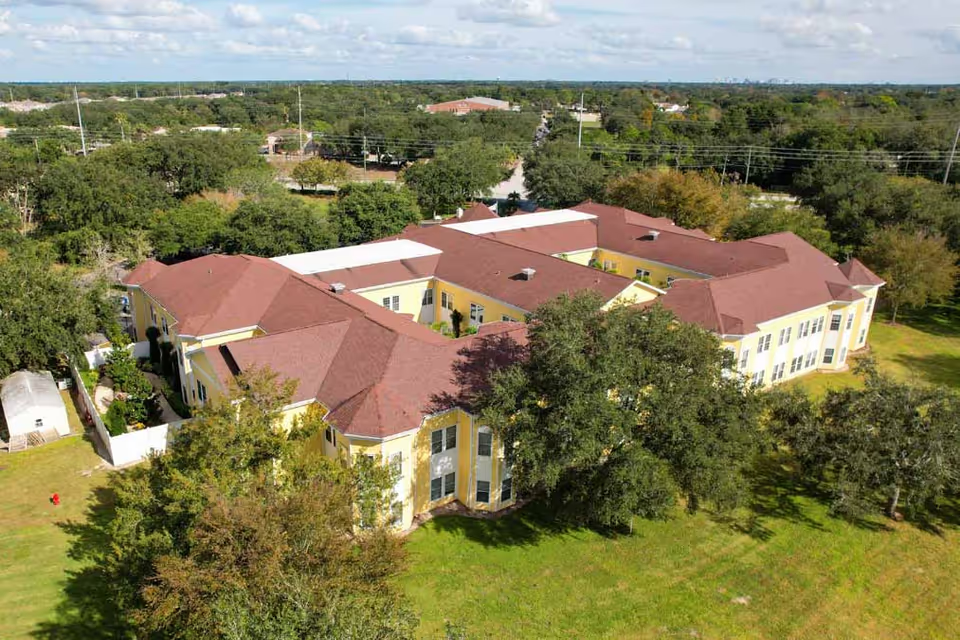
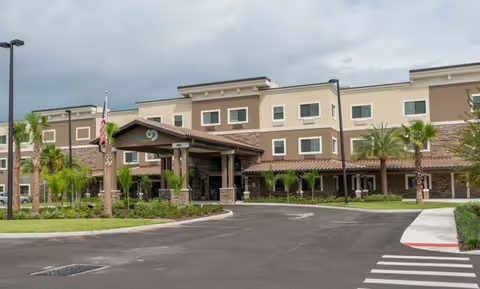
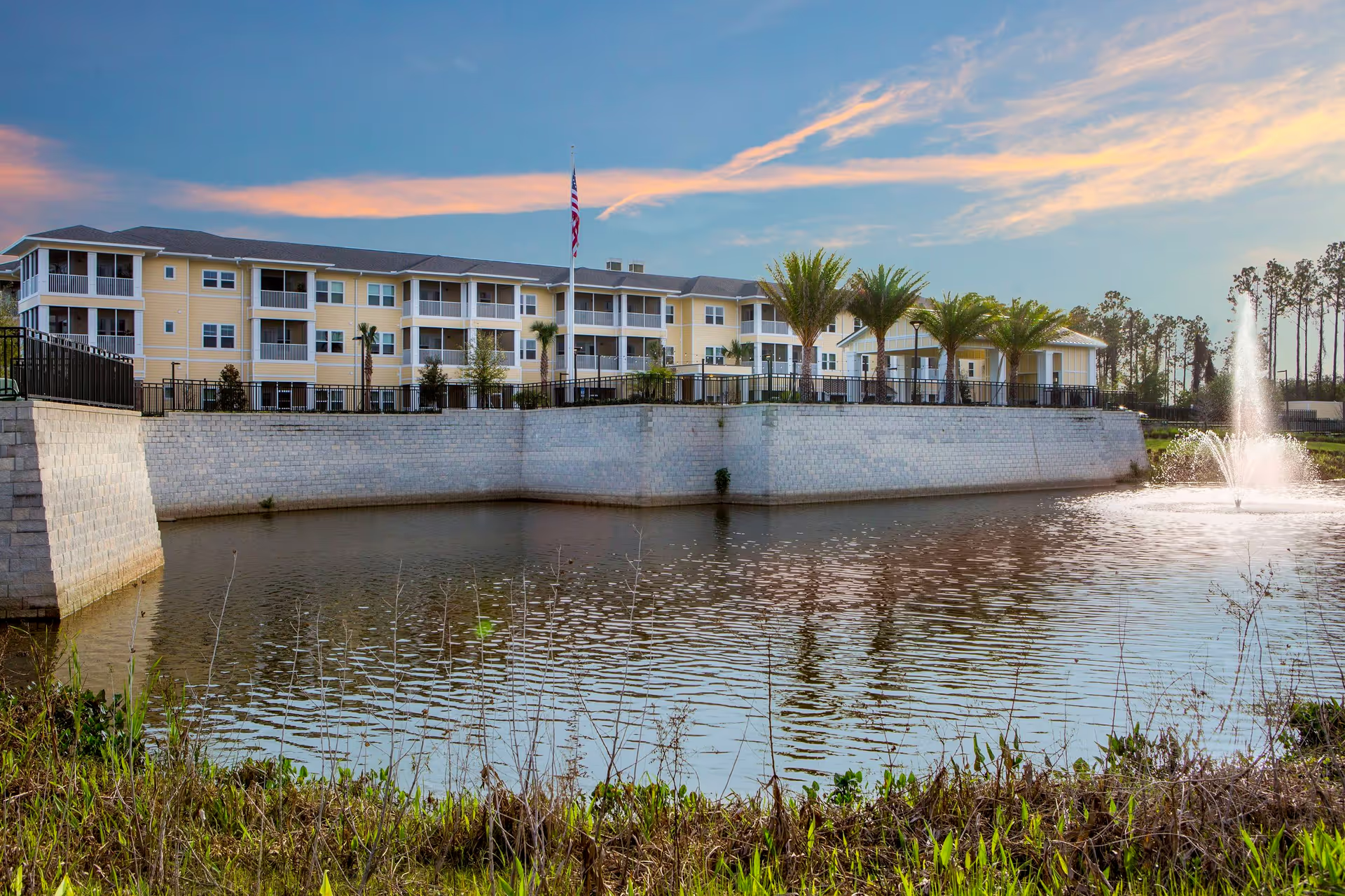
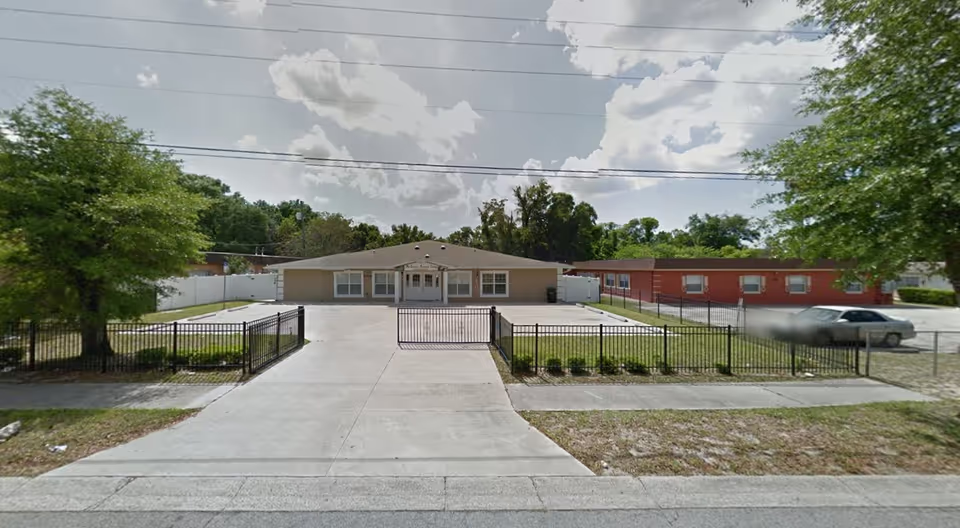
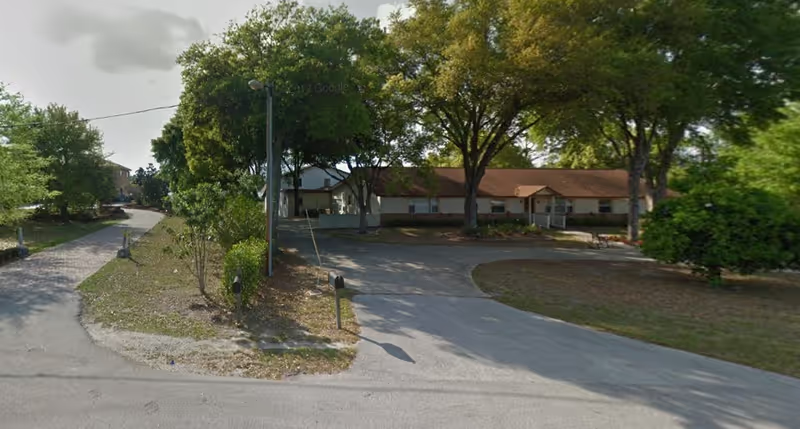
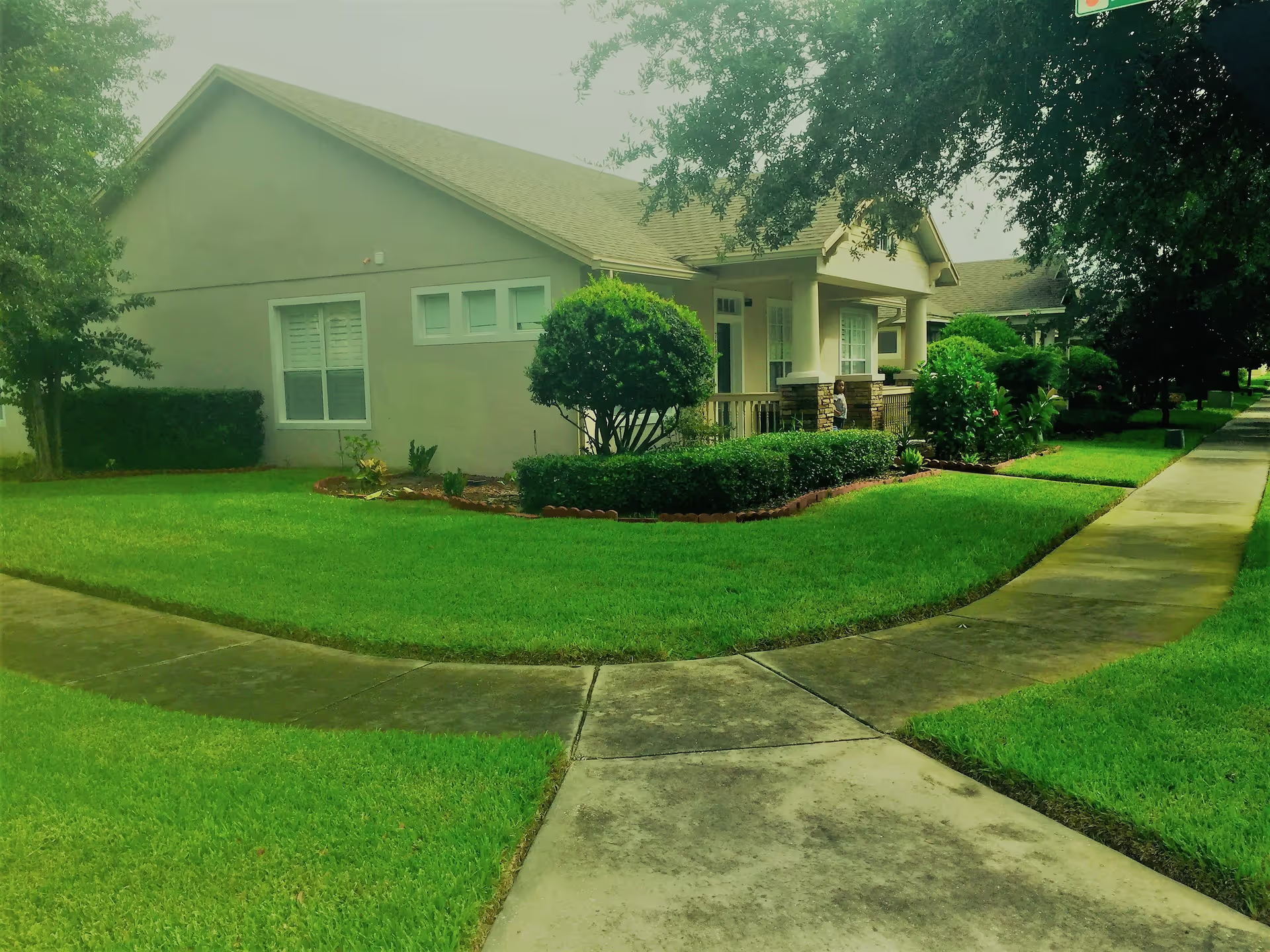
Facility condition and programming also receive consistent positive mention. Common areas and the building are commonly described as clean and well-maintained, the dining room and communal meals offer social opportunities, and recreational programming — including crafts and field trips — is viewed as a valuable part of residents' daily life. The facility is noted as pet-friendly and conveniently located, and some families praised admissions and front-desk staff for smoothing transitions into care.
Counterbalancing these strengths, a number of operational weaknesses appear repeatedly. The most notable pattern is variability: responsiveness and quality of care are reported to differ by shift and by individual staff member. Several accounts highlight slow call-bell response times and limited overnight attention. There are also consistent concerns about medication administration and clinical coordination, with a few families describing errors or inconsistencies in how medications and clinical issues were handled. Relatedly, some reviewers described delays in assistance with personal care and hygiene needs.
Dining and environmental issues were variable: some reviewers praised meals and the dining atmosphere, while others described inconsistent food quality, small portions, or cold meals. A subset of reviewers raised pest-control concerns in particular units and noted sleep disruption related to continuous television or communal noise. Logistic and administrative areas produced mixed feedback as well — while some families found administration and therapy coordination helpful, others reported communication lapses at admissions and front desk, unclear visitor/COVID policies, lost personal items or laundry issues, and perceptions that administrative responsiveness could improve. Weekend staffing and clinical coverage were also cited as a recurring limitation.
For prospective residents and families, the dominant theme is variability: many elements of care and the environment are strong — especially the therapy teams and daytime staff — but experiences differ depending on staffing patterns, shift, and unit. When evaluating Lake Bennet, consider asking about overnight staffing and call-response protocols, medication administration and documentation procedures, pest-control measures, private-room availability, weekend clinical coverage, and the facility’s process for family communication and incident escalation. Speaking directly with the therapy team and observing a mealtime and an activity session during a visit may help set expectations and clarify whether the facility’s strengths align with your relative’s care priorities.