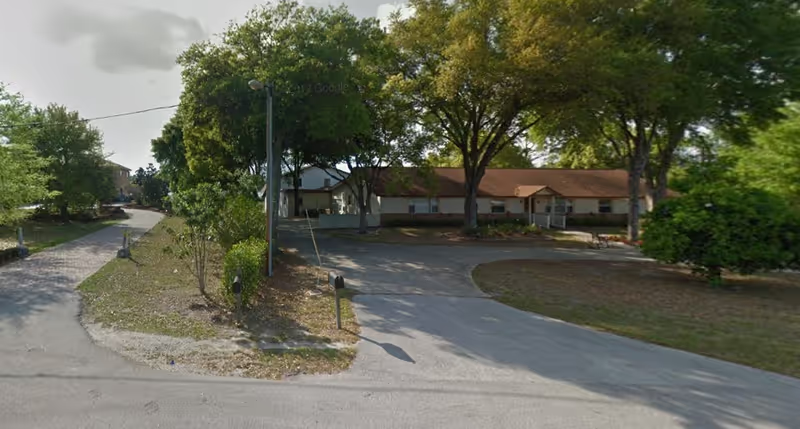
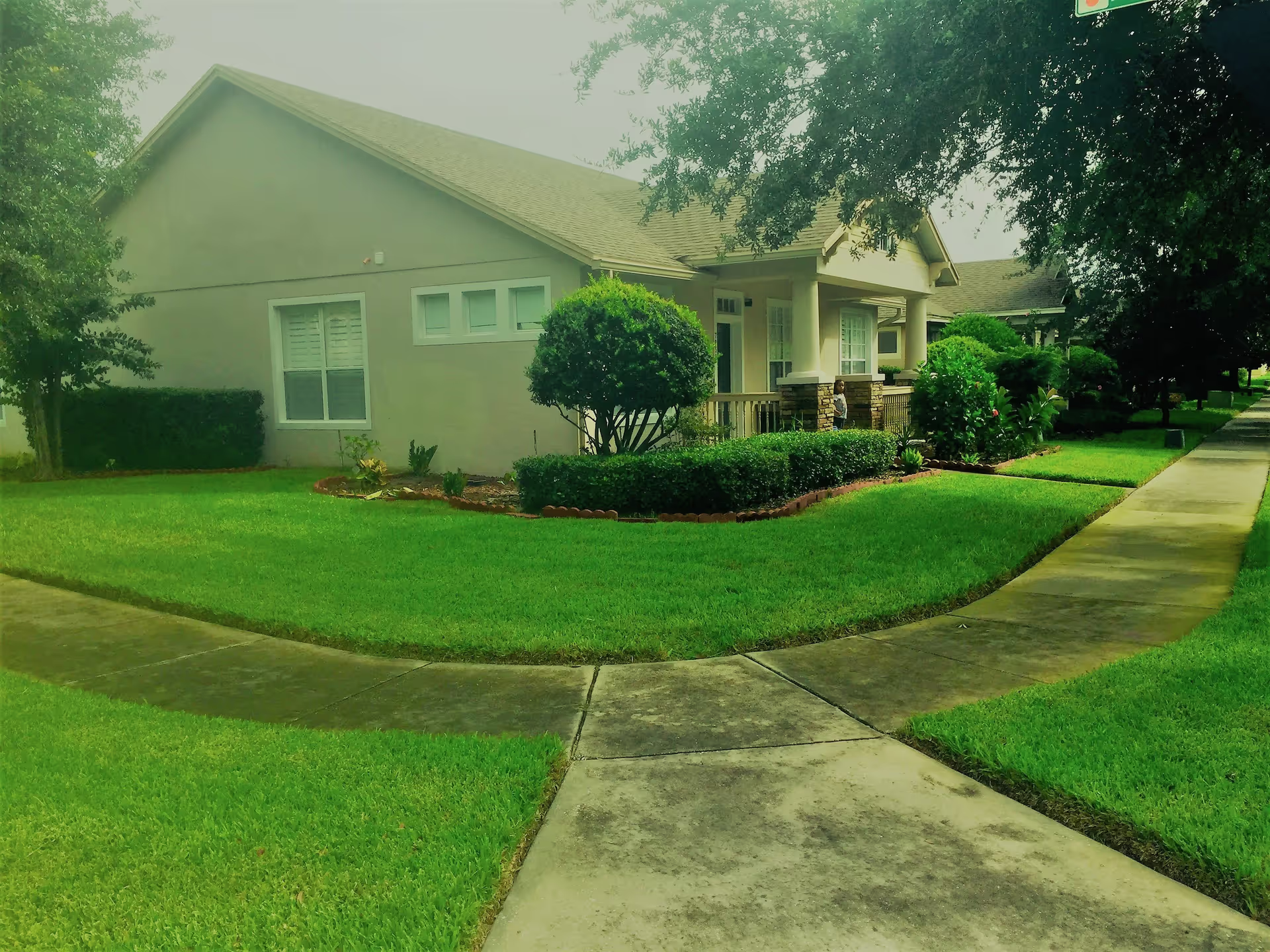
The reviews for this facility present a mixed but consistent pattern: a well-regarded rehabilitative program and many highly praised frontline staff coexist with recurring operational weaknesses. Therapy services (PT/OT/speech) are repeatedly described as a strength, with clinicians and therapists credited with measurable functional gains for patients. Several individual CNAs, nurses, and admissions staff are consistently singled out for compassionate, attentive care and for going beyond routine duties. The activities program and the rehabilitation gym also receive positive remarks for engagement and inclusivity.
At the same time, multiple threads point to uneven clinical and operational reliability. Call-button response times, delays in medication or breathing treatments, and inconsistent delivery of promised therapy minutes are described across accounts; these indicate variability in day-to-day nursing responsiveness and in therapy scheduling. Safety processes are a recurring concern: reviewers cite fall-risk events, failing bed alarms, and transfer challenges that suggest gaps in fall-prevention and lift/transfer procedures.
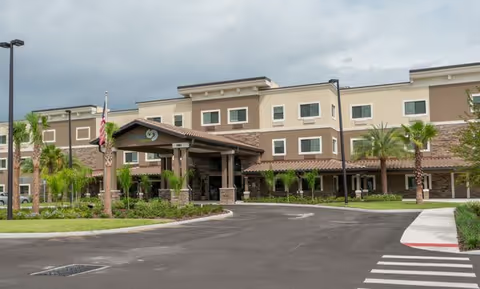
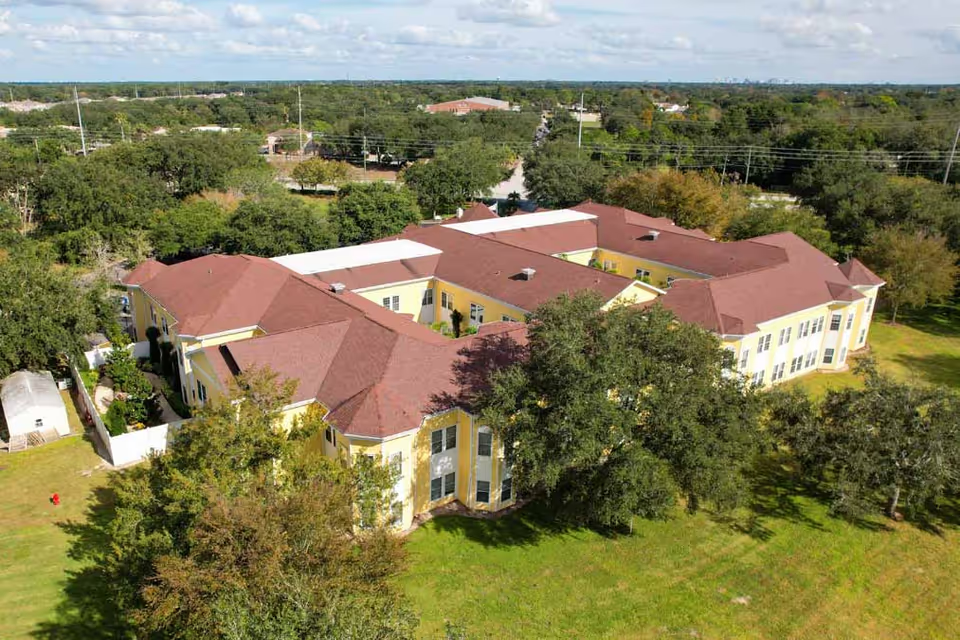
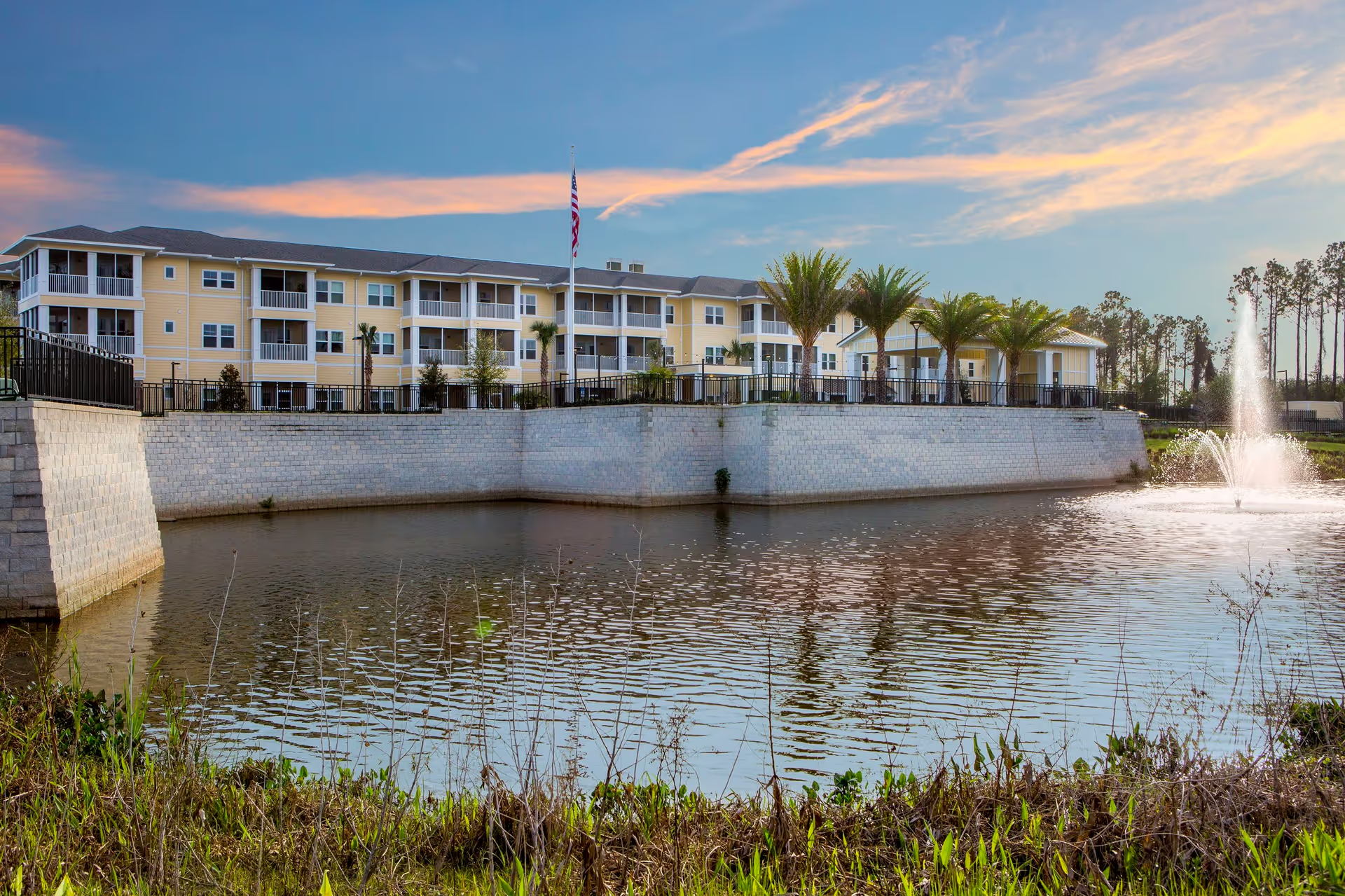
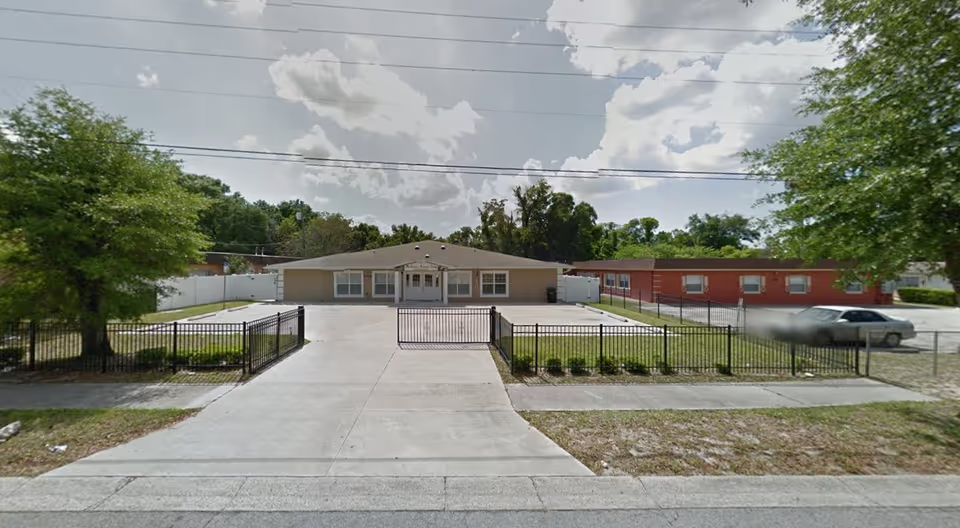
Facility condition and housekeeping emerge as varied by unit and shift. The main lobby and certain common areas are often noted as clean and welcoming, while other units are described as aged and inconsistently maintained. Reviewers report sanitation and odor concerns in specific areas, problems with pest control, and irregular housekeeping follow-through. Laundry and personal-belongings management is another practical weakness: misplaced or missing clothing and toiletries, delayed returns, and billing or reimbursement disputes are mentioned frequently enough to merit attention.
Dining receives mixed assessments: some visitors find meals adequate and filling, while others report cold plates, limited menu variety, and occasional missed or replaced meals. Food-service reliability appears inconsistent and has been flagged as an area for improvement. Conversely, salon services and some dining events receive positive comments.
Management, communication, and administrative processes are areas of clear divergence. Positive reports note helpful admissions representatives, responsive social work, and effective coordination in some cases. However, a substantial number of accounts describe poor follow-up from administration, delayed or absent discharge communication, billing disputes, and a lack of timely responses to family concerns. These administrative gaps amplify clinical and operational issues when they occur. A small number of reviews raise serious clinical and end-of-life care concerns; these are significant and have led some families to file complaints or seek alternative settings.
In summary, prospective residents and families should weigh the facility's strong rehabilitative resources and several dedicated staff members against recurring operational challenges: staffing variability, inconsistent nursing responsiveness, uneven cleanliness and pest-control performance, and lapses in discharge and belongings management. Experiences appear to vary by unit and by shift, so an in-person visit focusing on the intended unit, questions about staffing levels, therapy schedules, infection-control practices, and written discharge and belongings procedures is advisable. If possible, ask for recent staffing metrics, therapy minutes guarantees, and examples of steps taken to address sanitation and communication complaints before finalizing placement.