The reviews for Guardian Care Nursing & Rehabilitation Center describe a facility with a mix of notable strengths and recurring operational weaknesses. Many families and advocates praised direct-care staff — particularly CNAs and some nurses — for being caring and attentive, and several accounts highlight effective rehabilitation services, organized therapy programs, and timely emergency interventions. The facility supports an active calendar with bingo, movies, outings, socials and spiritual programming, and reviewers frequently referenced a welcoming, family-oriented atmosphere, bilingual staff, and administration that can be accessible and engaged.
Care quality appears uneven. Positive accounts describe round-the-clock assistance, prompt medication timing, effective wound rehabilitation, and supportive bathing and toileting help. Conversely, other accounts raise concerns about long delays in responding to call lights, inconsistent assistance with bathing and toileting, and instances that reviewers characterized as lapses in basic personal-care routines. There are also serious clinical concerns referenced, including gaps in medication administration and monitoring, and concerns following resident infections and sepsis; these items suggest that medication-management controls and clinical oversight are areas needing attention.
Staffing and staff training emerge as a central pattern. Multiple narratives indicate variability in staff competence, frequent use of newer or less-experienced personnel, and training gaps that translate into inconsistent care. Communication problems are also recurrent: families described difficulty reaching caseworkers or the front desk, uneven complaint follow-up, and at least one allegation of attempted concealment of an incident. Conversely, other reviewers praised specific staff members, an open-door administrative approach, and clear daily updates from certain caregivers — indicating the presence of strong leaders and team members alongside areas of turnover or inconsistency.
Dining and nutrition received mixed feedback. Some residents found meals flavorful and enjoyed dietitian involvement and satisfactory portions, while others described limited menu variety, portion concerns, and problematic carbohydrate content for diabetes management. A related theme is inconsistent allergy handling and special-diet management, which suggests that kitchen–clinical coordination can be inconsistent and may benefit from tighter protocols.
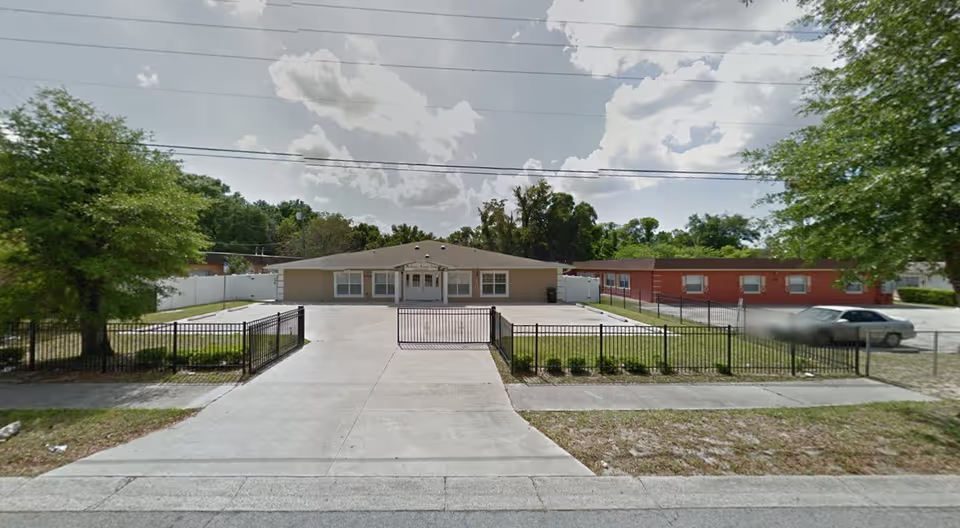
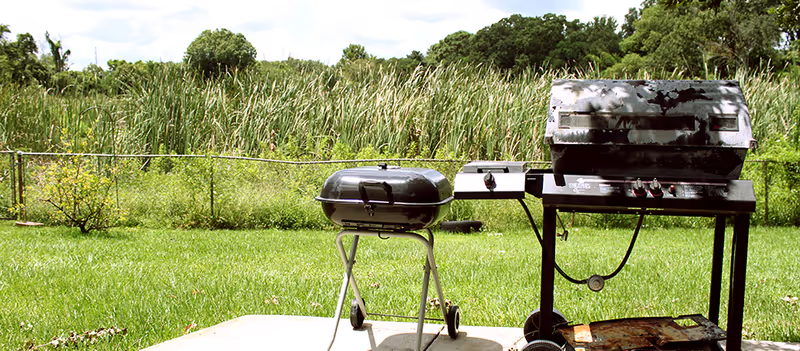
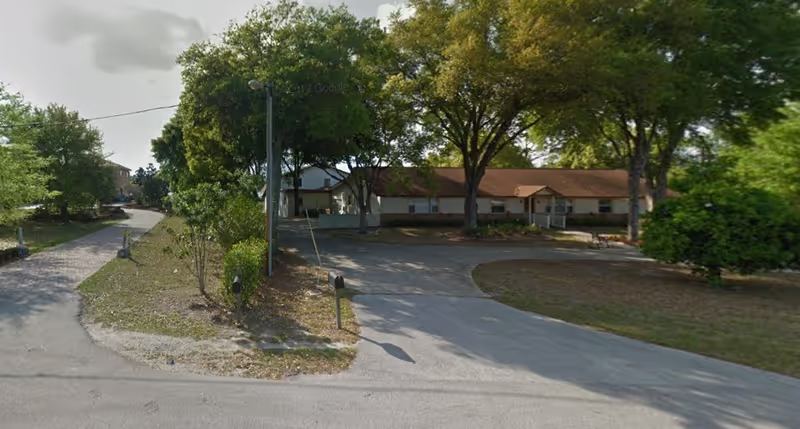
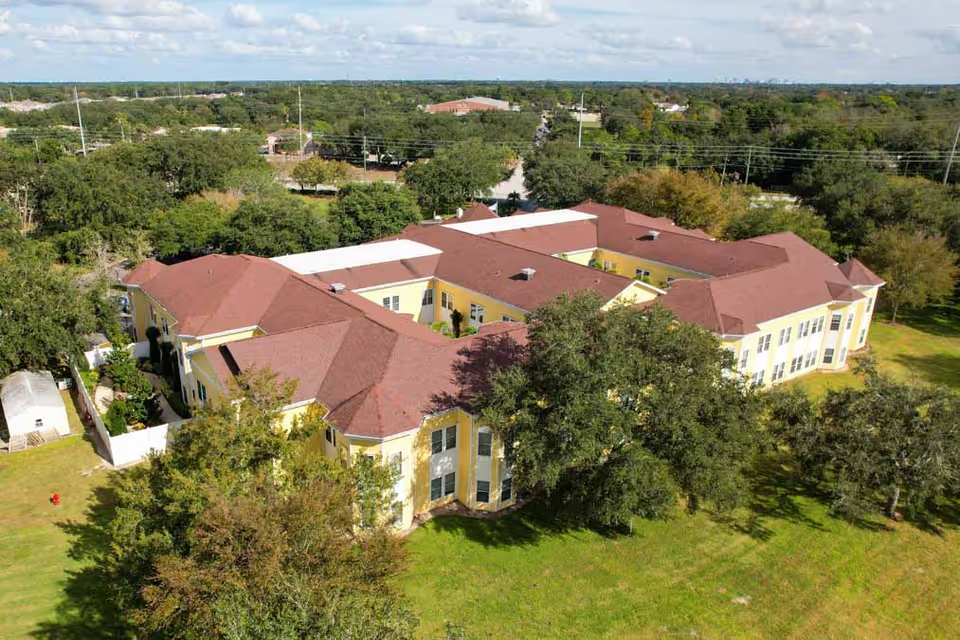
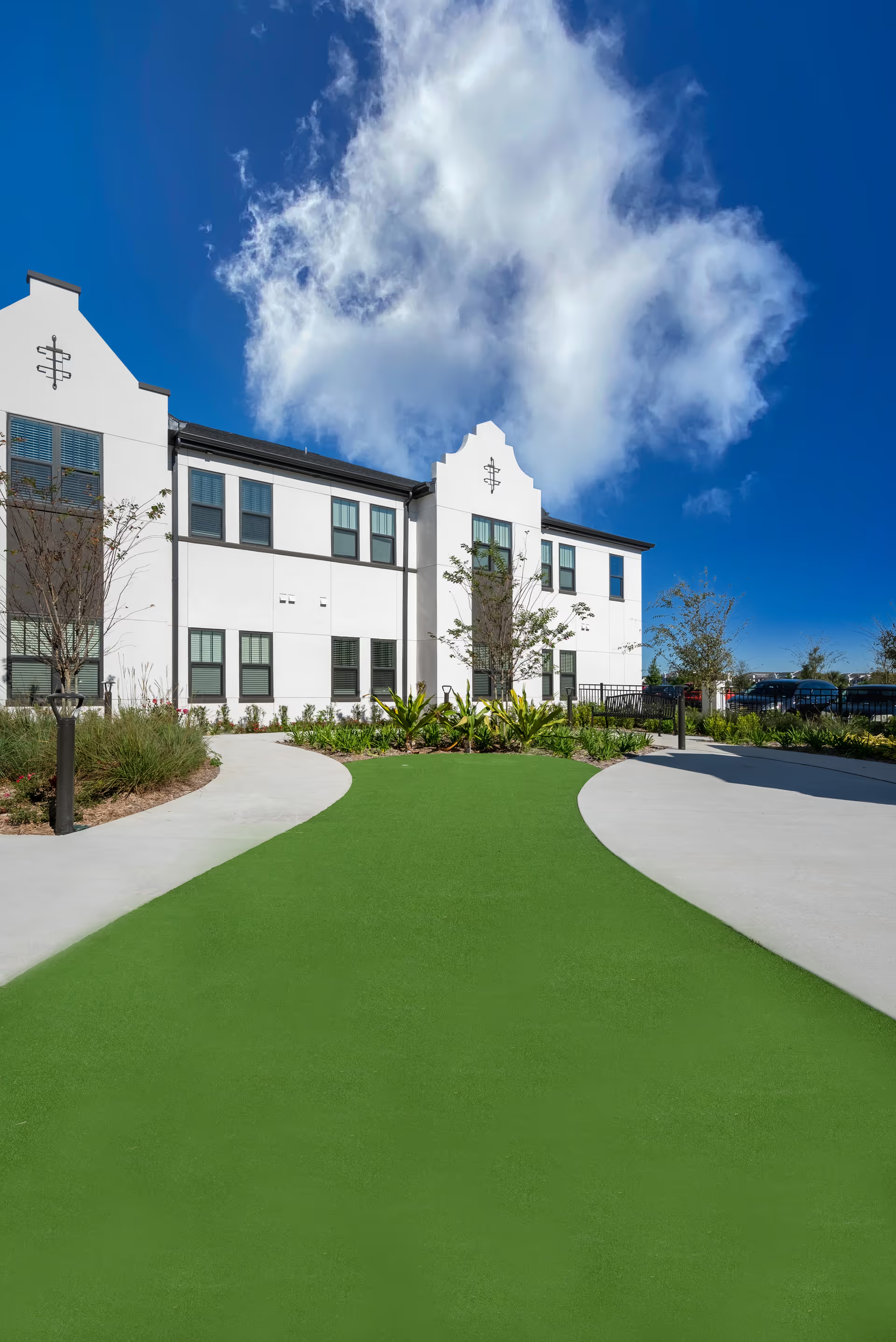
Facility and activities are generally seen as strengths in many accounts: reviewers noted clean, spacious rooms, a sizable dining and recreation area, a smoking area, and state-of-the-art equipment in parts of the building. At the same time, several comments flagged building maintenance needs, localized odor concerns, and perceived differences between wings (for example, differences between sub-acute and locked units), indicating uneven physical maintenance across the campus.
Taken together, the pattern across reviews is one of variability: clear examples of compassionate, competent care and strong rehabilitation coexist with recurring operational concerns around staffing consistency, medication and clinical controls, incontinence-care timeliness, communication, and some aspects of dining and maintenance. Prospective residents and families should consider conducting a focused tour at different times of day (including evenings and weekends), asking about staffing ratios, medication-safety protocols, allergy and special-diet procedures, therapy scheduling, and incident-reporting practices to gauge current performance and alignment with their care priorities.