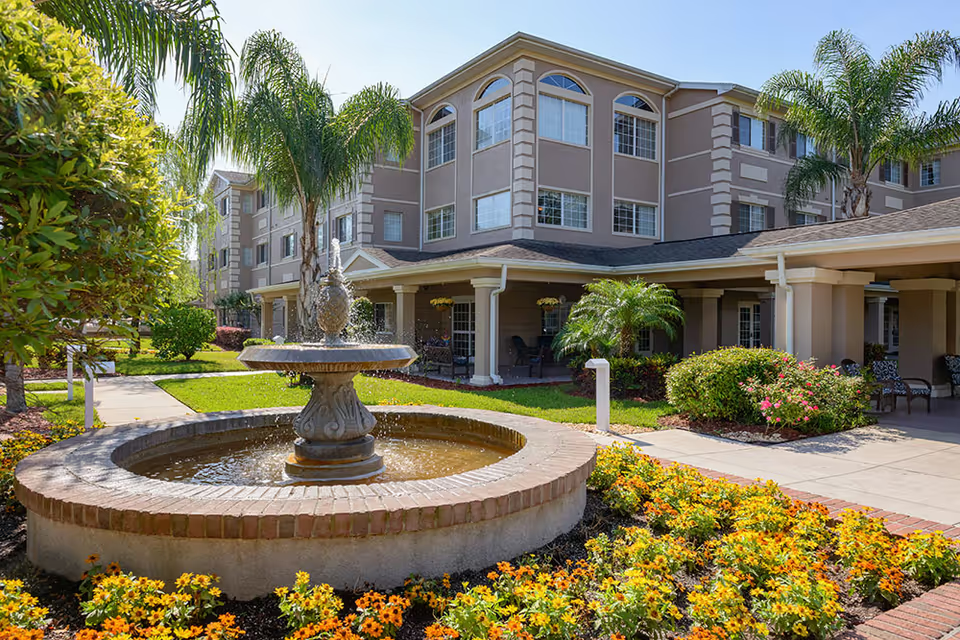
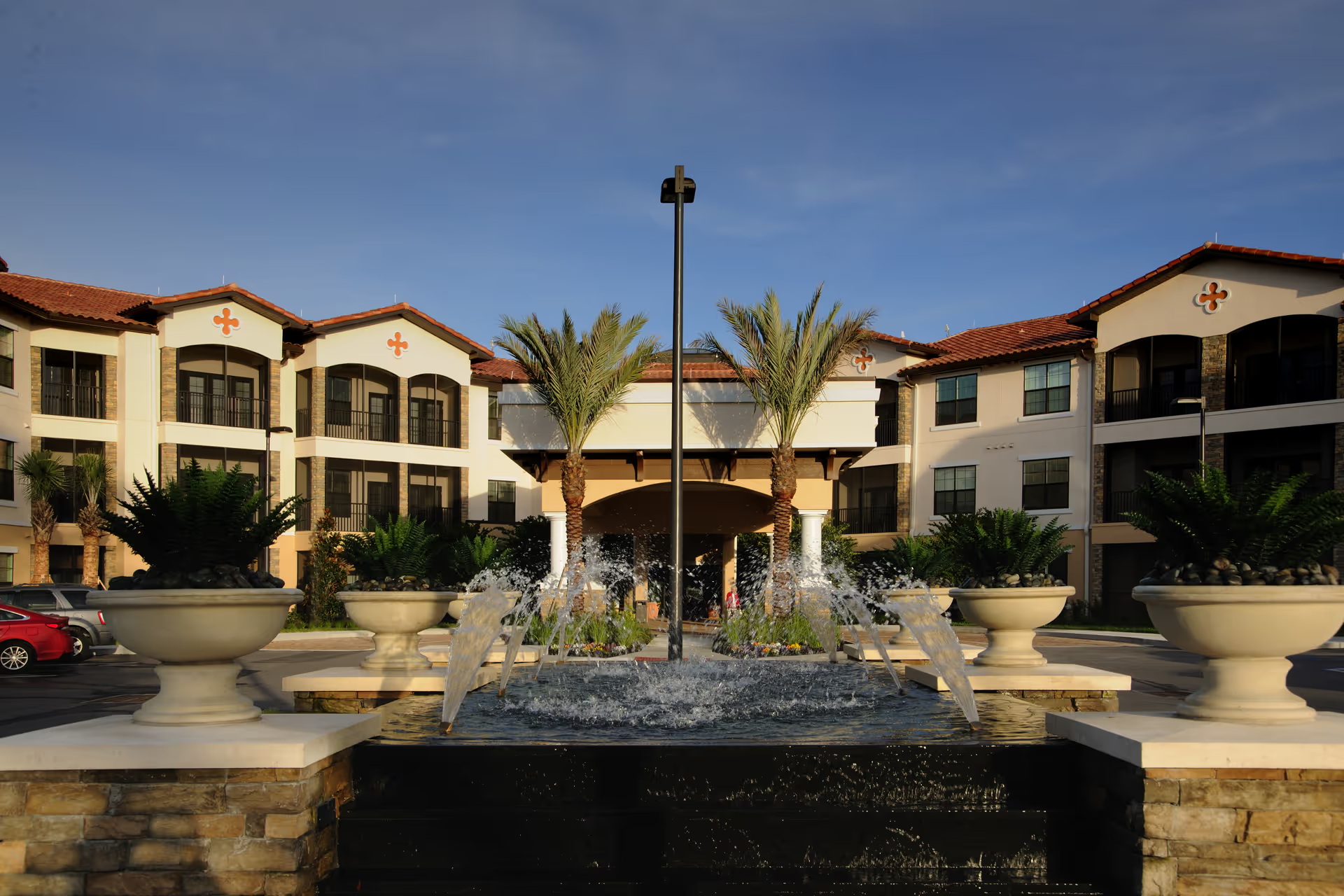
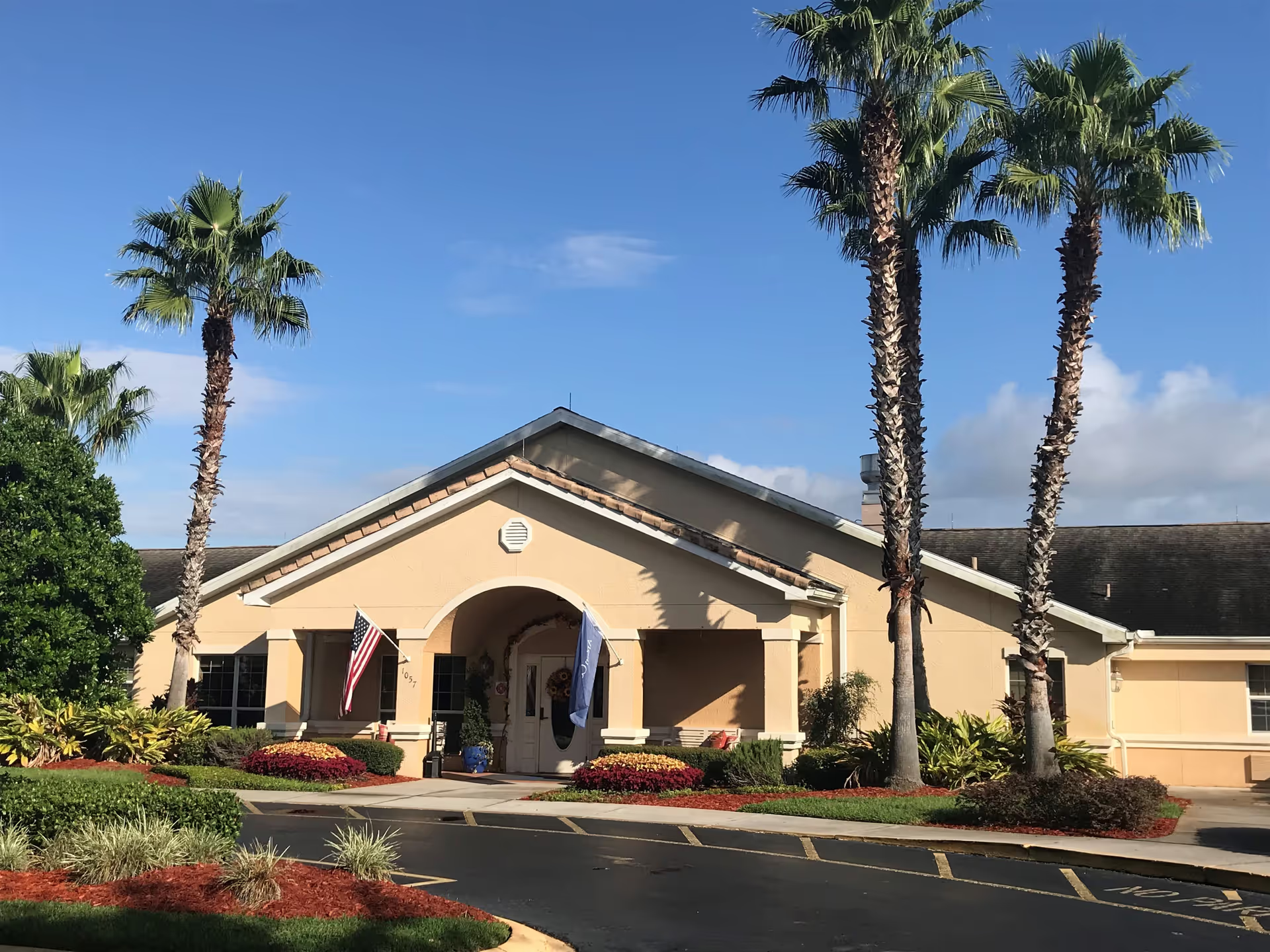
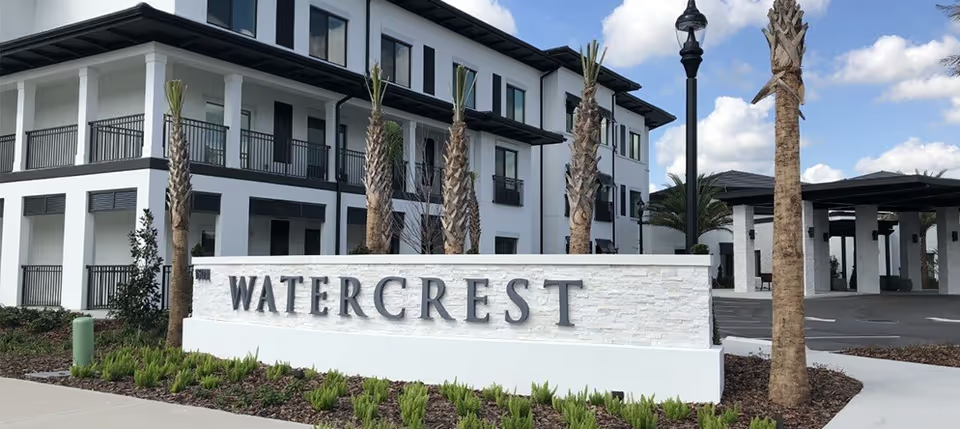
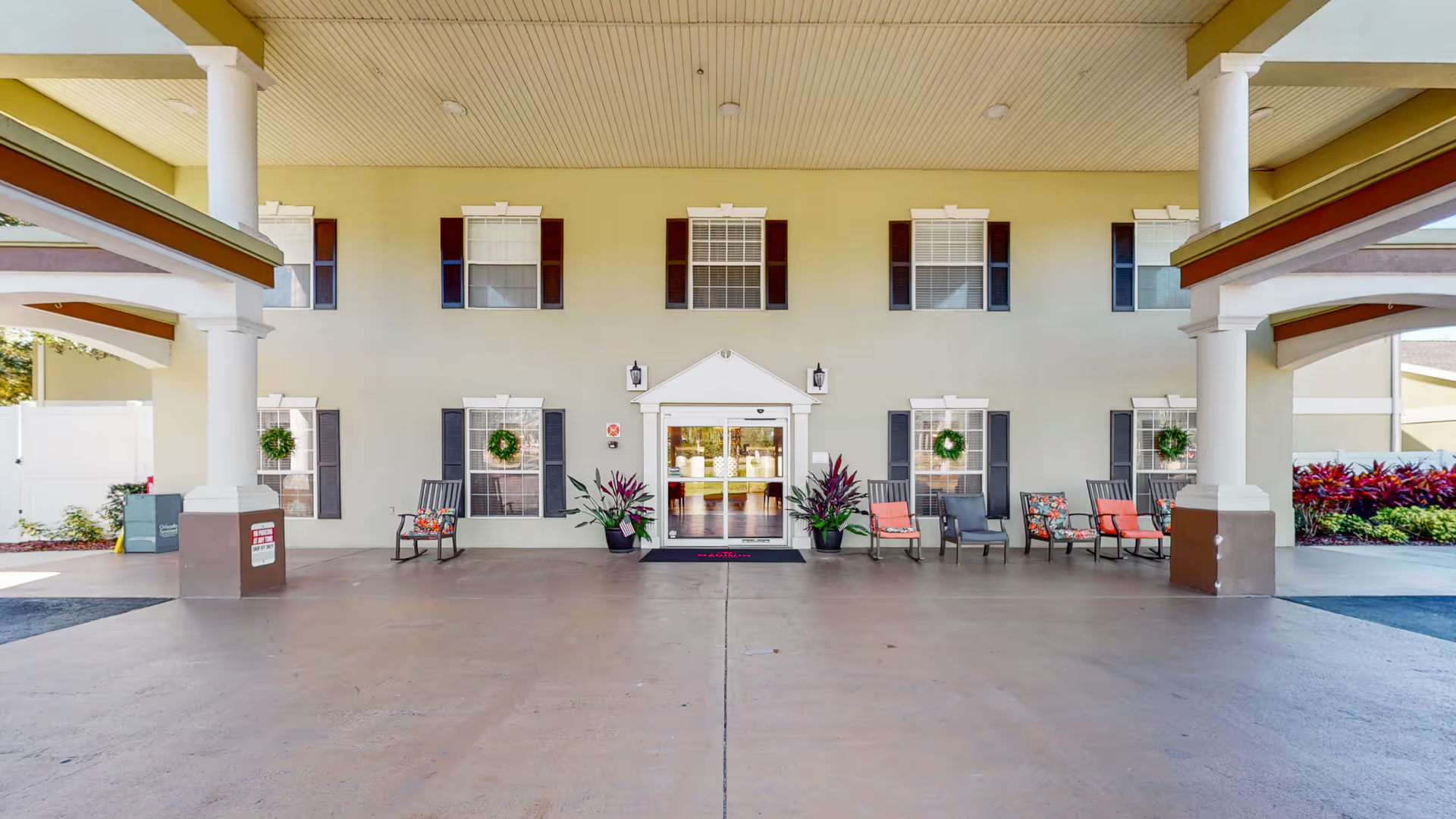
Solaris Healthcare East Orlando elicits a polarized set of impressions: many reviewers praise the facility’s rehabilitative services, cleanliness, and the interpersonal warmth of the caregiving teams, while other reviewers describe substantive operational and clinical concerns. The facility’s strengths are consistent with a modern short‑term/long‑term care provider focused on rehabilitation — reviewers commonly note effective physical and occupational therapy, on‑site medical specialists, private rooms with courtyard views, well‑kept grounds and outdoor seating, and an active program of recreational activities that residents look forward to.
Clinical care and staffing show mixed performance. Therapy teams are frequently described as competent, motivating, and central to positive recovery outcomes. At the same time, families reported variability in nursing performance: inconsistent medication administration, delays in responding to call signals, and uneven monitoring of changing conditions. These issues translate into gaps in day‑to‑day clinical oversight and occasional emergency‑response shortcomings. Several reviewers expressed serious concerns about how clinical incidents and end‑of‑life events were handled; there are also allegations regarding record access and medication changes that point to the need for clearer policies and transparent documentation.
Staff culture and communication present a similar contrast. Many staff members — from nurses and CNAs to admissions, social work, and front‑desk teams — receive specific praise for being compassionate, informative, and attentive. Named staff were highlighted as having provided exemplary support. Counterbalancing that, reviewers described chronic understaffing, language barriers that impeded effective communication, and instances where administration was slow to respond to family inquiries or to provide requested records. Discharge coordination and administrative follow‑through were recurring areas of dissatisfaction, with families noting rushed or poorly communicated transfers.
Dining and activities are important resident experience dimensions where opinions diverge. Activity programming and social engagement are repeatedly cited as positives that improve resident morale. Meal quality is inconsistent across reviews: some describe nutritious, thoughtfully prepared dishes, while others characterize food as institutional or intermittently poorly timed/cold. Operational issues such as early kitchen closures and inventory shortages were mentioned as undermining meal‑service continuity.
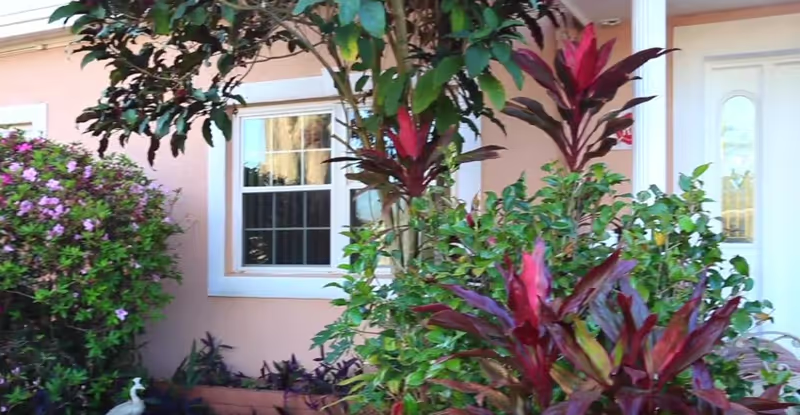
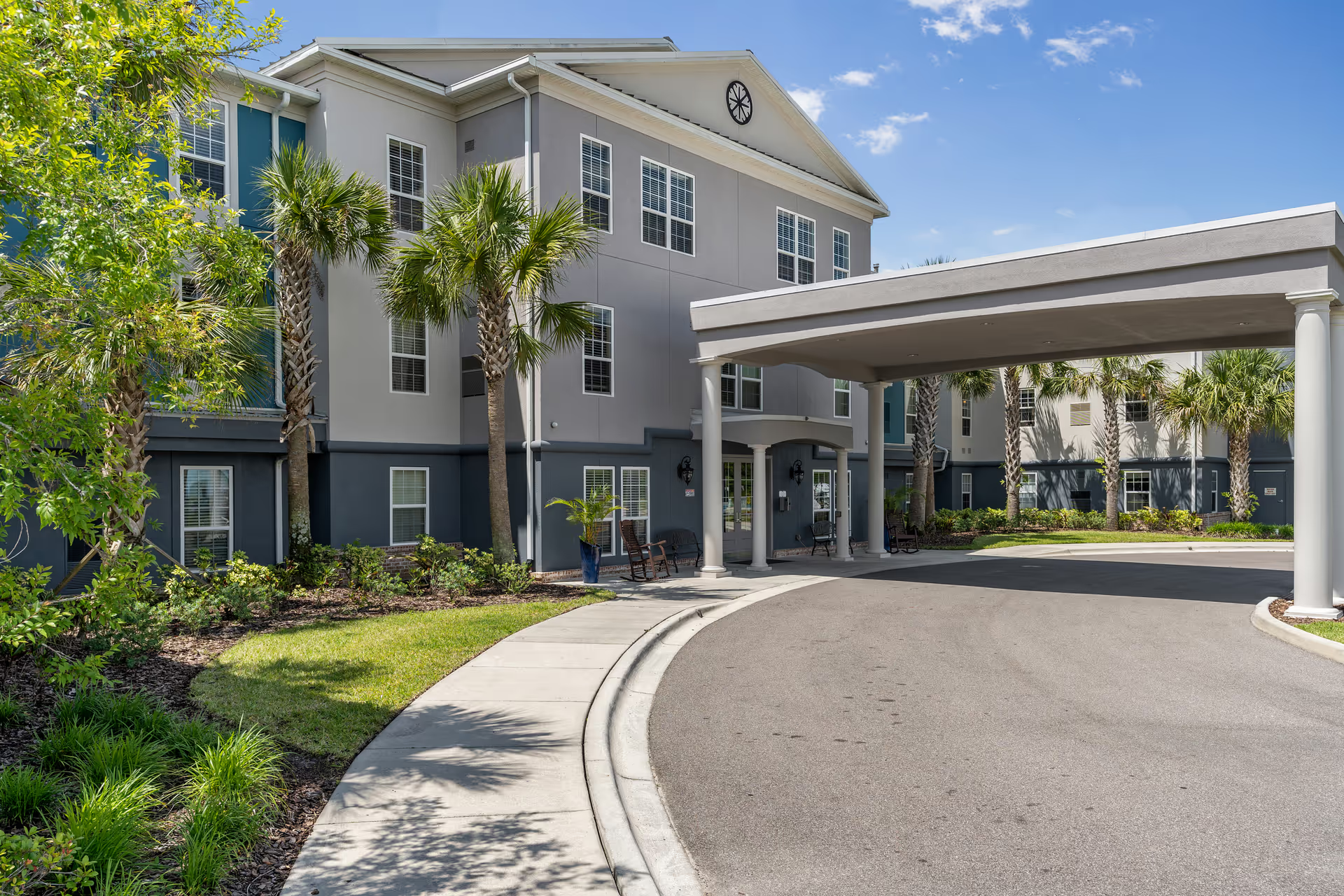
Facility amenities and operations are generally viewed favorably in terms of cleanliness, maintenance and environment; many reviewers describe a hotel‑like ambiance and tidy common areas. However, operational shortcomings were noted, including supply and linen shortages, occasional infection‑control and linen‑management issues, limited visitor parking, and logistical inconveniences (for example, distant keyed bathrooms). These are tangible facility‑level issues that affect resident comfort and family confidence.
Overall, Solaris East appears to offer strong rehabilitative services and has many staff members who provide compassionate, resident‑centered care. Families considering placement should weigh the facility’s therapy capabilities and cleanliness against documented variability in nursing responsiveness, medication management, administrative communication, and discharge practices. Prospective residents and families would be advised to ask targeted questions during a tour: staffing ratios on the intended unit and at night, medication‑administration policies and incident escalation procedures, timelines for medical‑record requests, discharge planning protocols, and how the facility addresses language needs and supply management. These inquiries can help determine whether the facility’s operational practices align with the level of clinical oversight and transparency a particular resident requires.