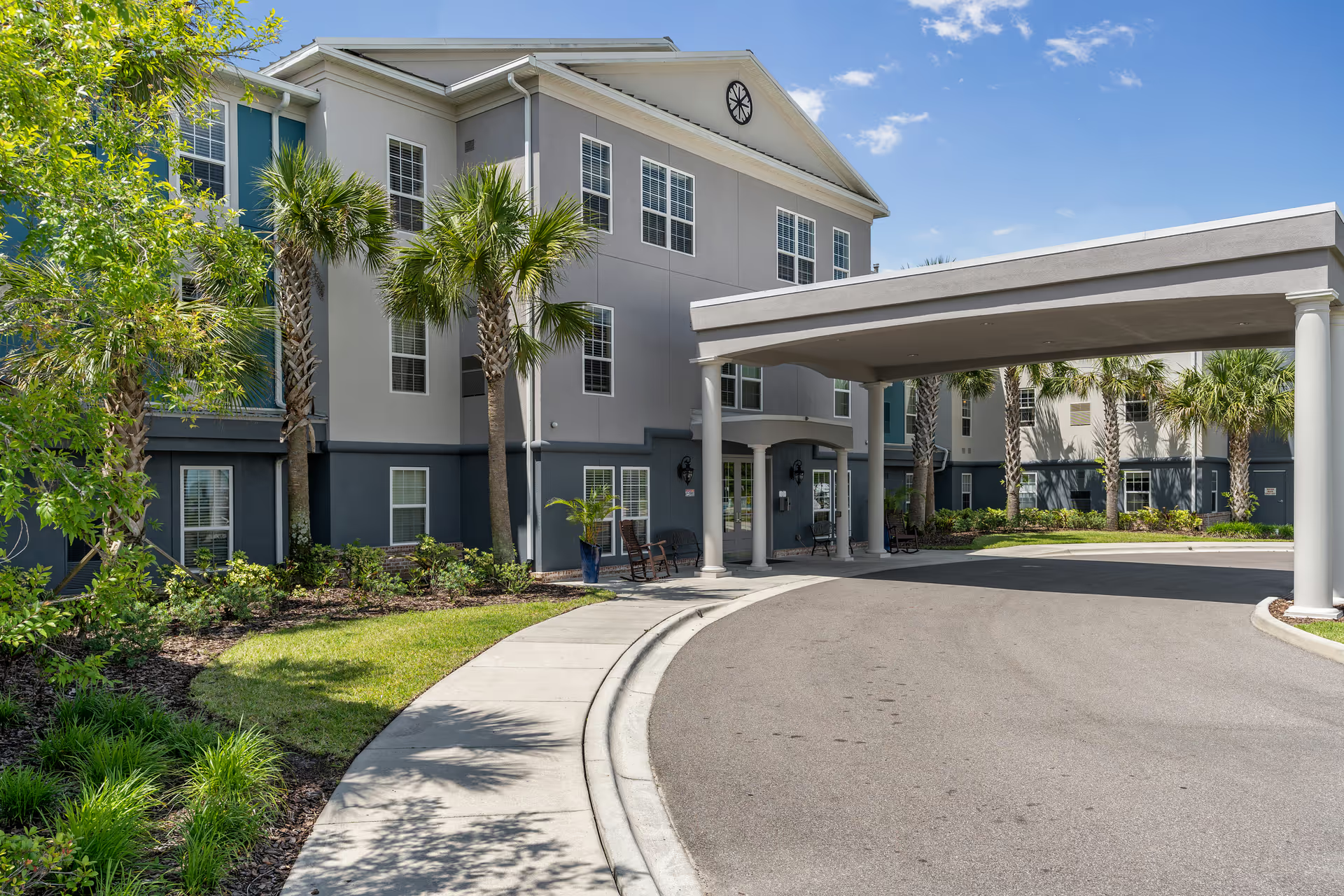
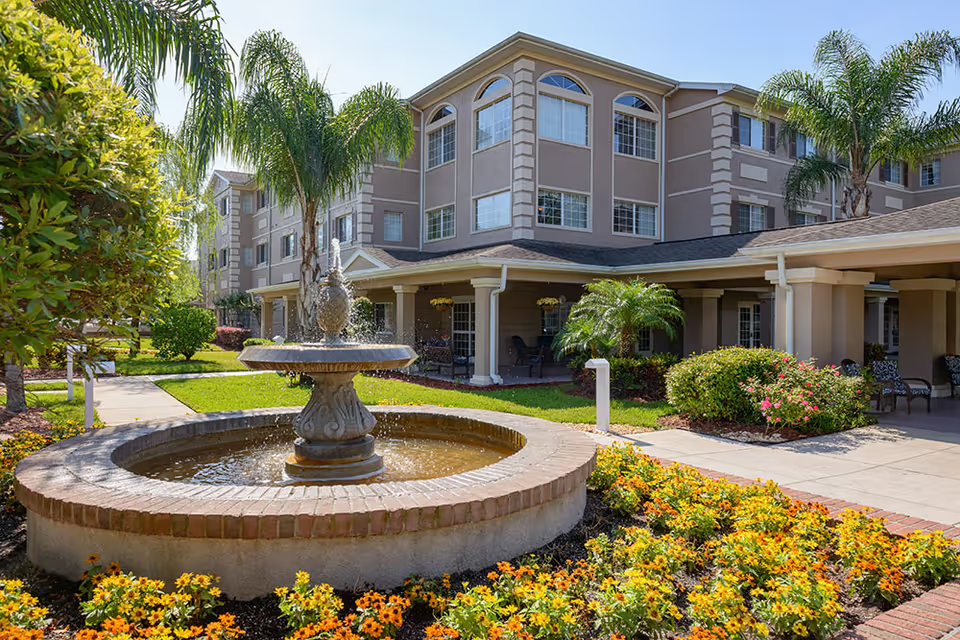
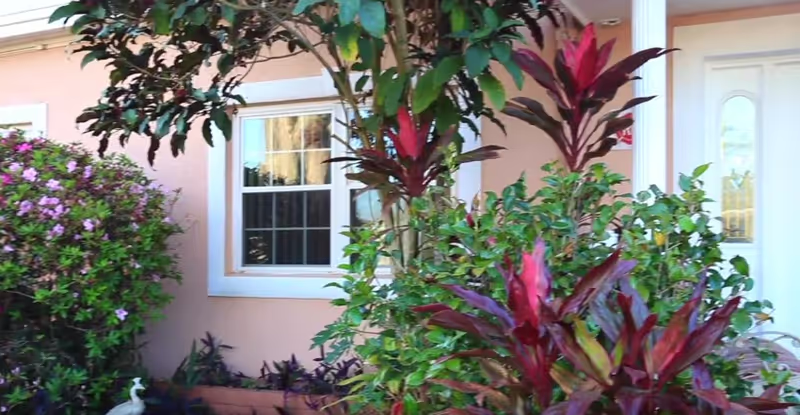
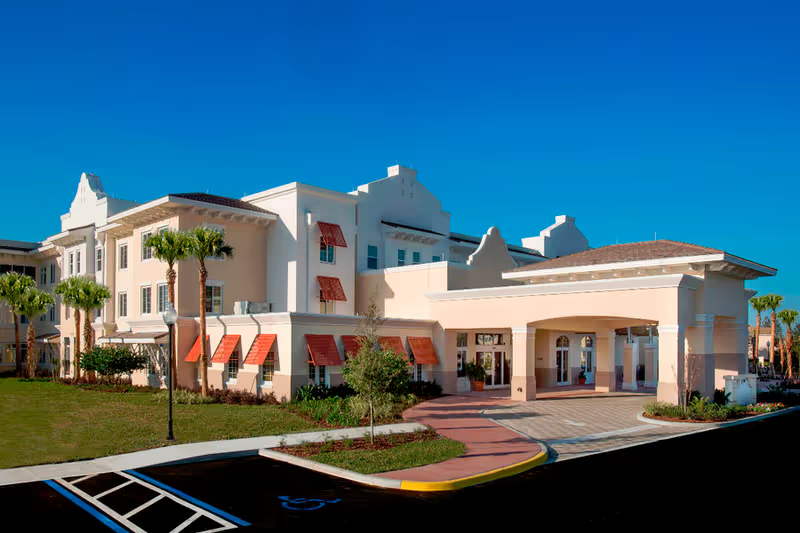
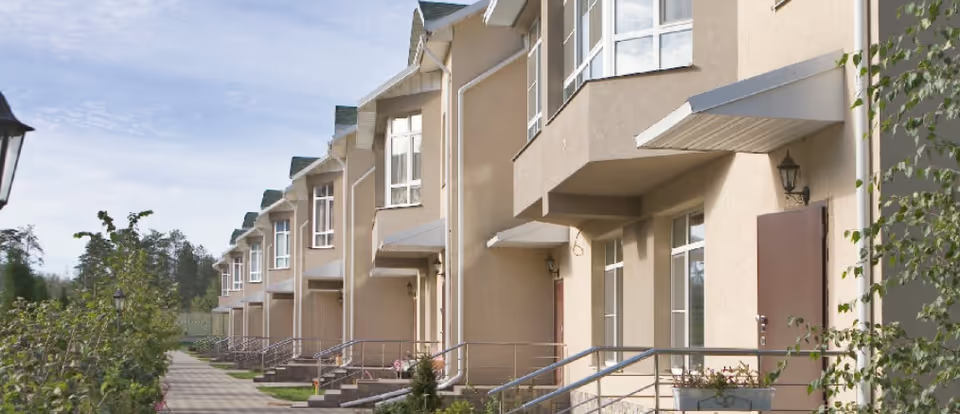
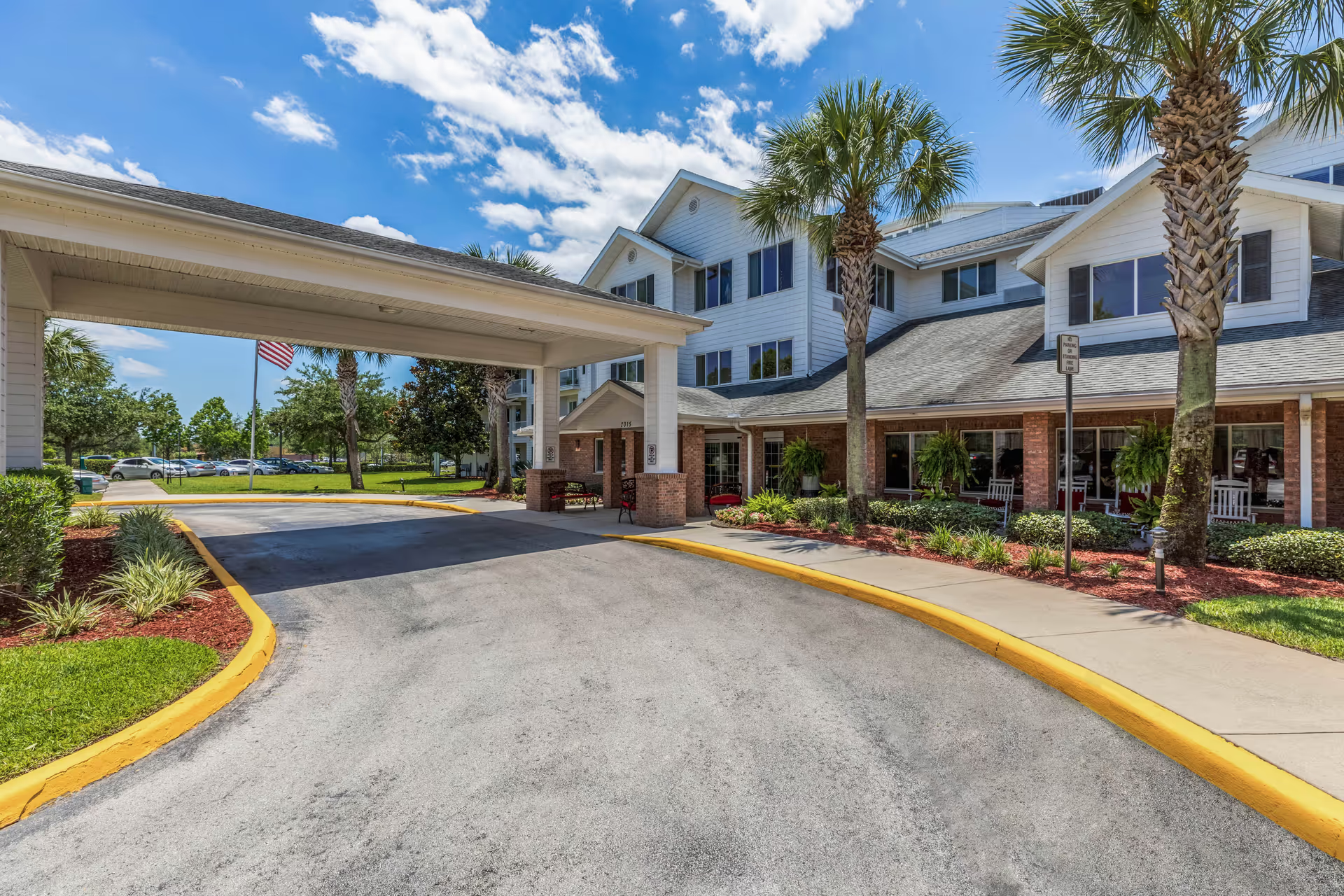
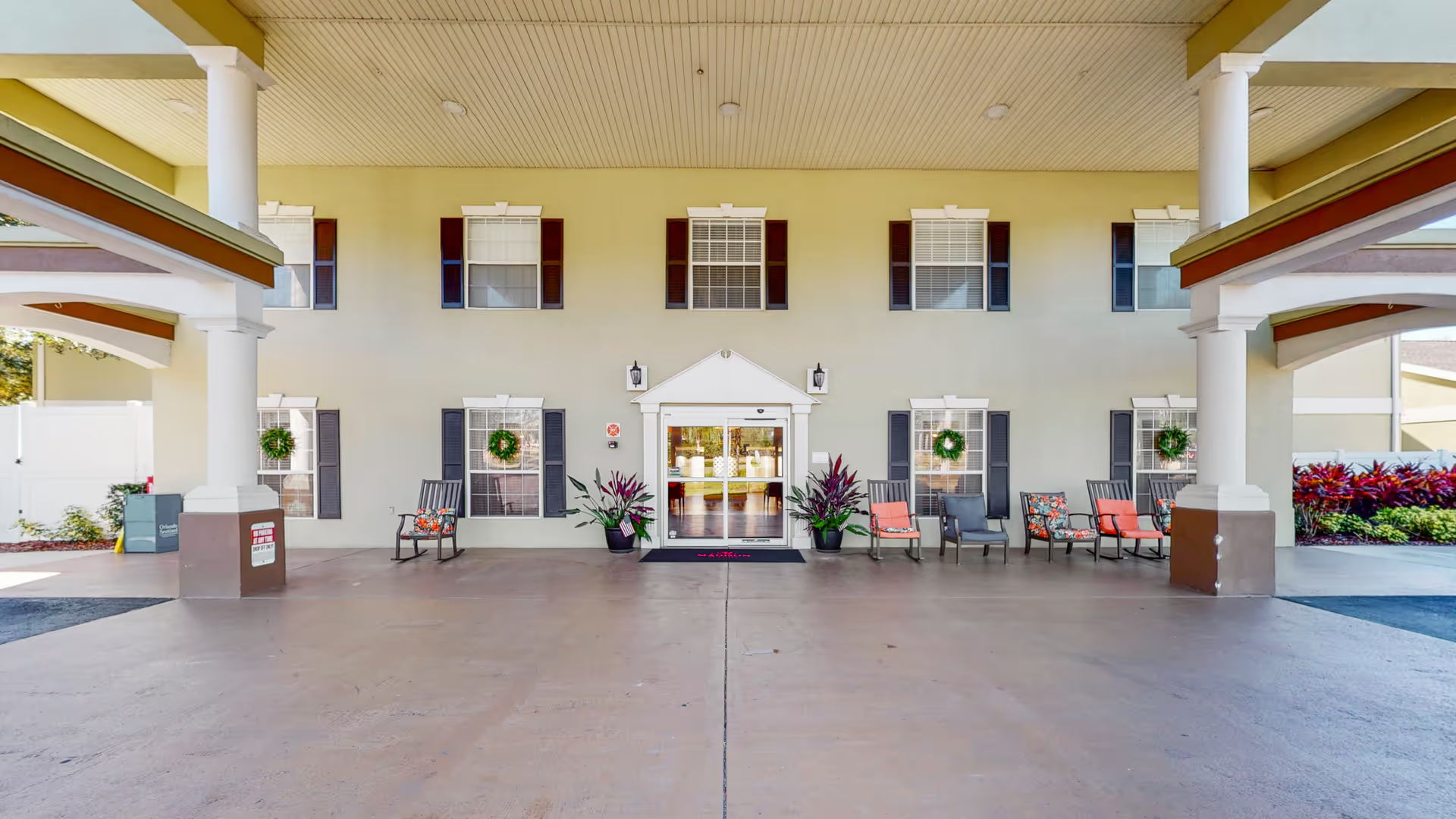
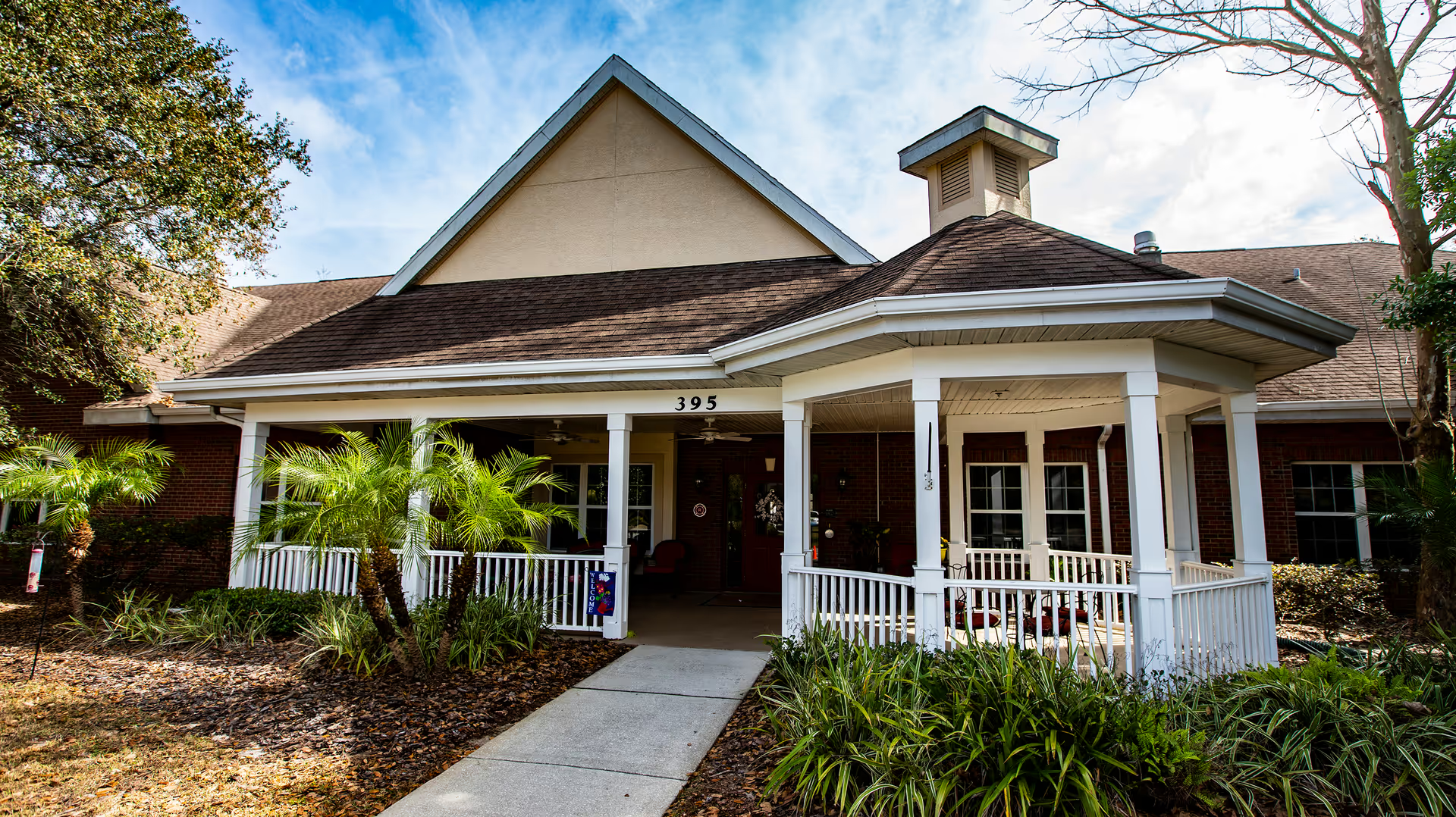
Certus Premier Memory Care Living is consistently described as a modern, purpose-built memory-care community with a strong emphasis on dementia-specific design and evidence-based programming. Families frequently highlight a warm, home-like atmosphere, a clean and well-maintained physical environment, and a range of amenities (salon, library, courtyard, PT-ready exercise room, communal dining areas) that support daily life and engagement. Safety features such as floor sensors, color-coded wayfinding, and routine monitoring are prominent elements of the facility’s design.
Care quality and staff performance are the most commonly praised aspects. Reviewers describe compassionate, attentive caregivers, engaged wellness and activity leadership, and nursing staff who keep families informed. Several accounts note effective medical oversight, on-site medical visits, and documented health improvements following placement. Staff continuity and relationship-building are often highlighted — residents are described as known by name and treated in a family-like manner. Activity programming is robust and varied (music, seated exercise, arts and crafts, outings and shuttle trips), and staff appear to prioritize individualized engagement and meaningful daily routines.
Dining and nutrition receive mixed but generally positive comments. The community employs a chef and offers made-from-scratch and flexible dietary accommodations; many families appreciate special meals and responsiveness to preferences. At the same time, some reviewers describe variability in meal appeal and nutrition over time, suggesting that culinary consistency may fluctuate and merits verification during a tour.
Facility operations and management show strengths and some areas for improvement. Reviewers cite organized leadership, helpful front-desk/concierge personnel, maintenance responsiveness, and preparedness for events such as hurricanes. Conversely, several operational issues recur across accounts: variability in staffing levels (particularly at night or during busy periods), inconsistent responsiveness for after-hours access or phone contact, and concerns about medication oversight and monitoring practices. Administrative friction has been described in relation to billing, move-out charges, pharmacy cost handling, and referral payments; families should clarify financial policies and invoicing procedures up front.
Safety and supervision present a mixed picture. The community incorporates multiple safety technologies and routines, but a few serious incidents referenced by families point to gaps in supervision and elopement-prevention practices at times. These accounts, together with isolated mentions of injuries and bruising, indicate that prospective families should inquire specifically about staffing ratios, incident-response protocols, fall-prevention measures, and recent safety audits.
Cost and accessibility are other consistent themes: the community is perceived as high quality but also high cost, which may limit affordability for some families. Language coverage among staff is generally positive but a few notes indicate a need for more English-speaking direct-care staff in some shifts.
Overall, Certus Premier is portrayed as a well-appointed, memory-care–focused community with strong interpersonal care, robust programming, and purposeful design features. Prospective residents and families would benefit from an in-person tour that includes: observation of staffing levels across shifts, review of medication and incident-response protocols, sampling recent menus, clarification of billing and move-out policies, and verification of room-placement and infection-control practices to ensure the community’s operational practices match the high level of environmental and clinical intent described by many families.