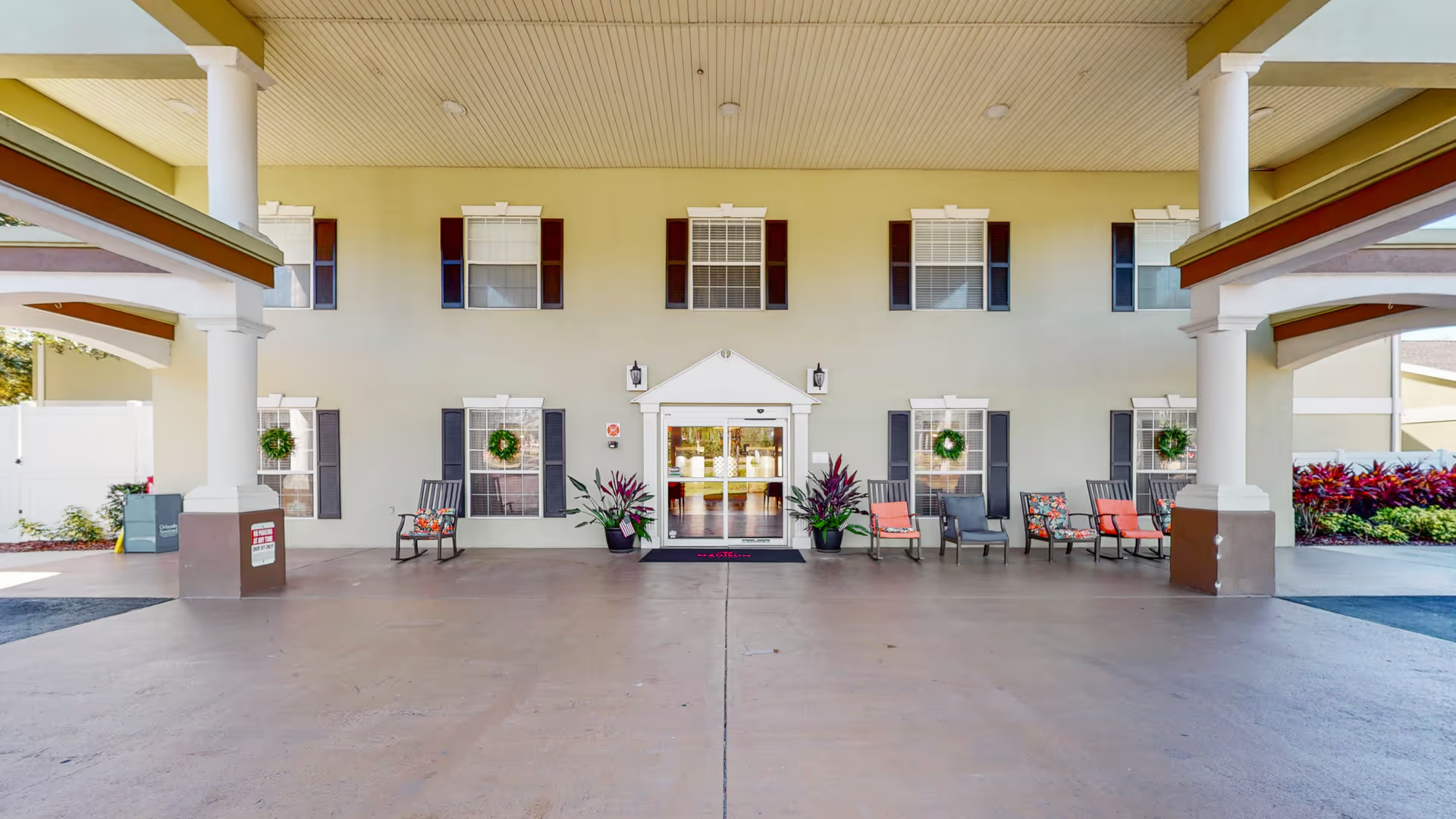
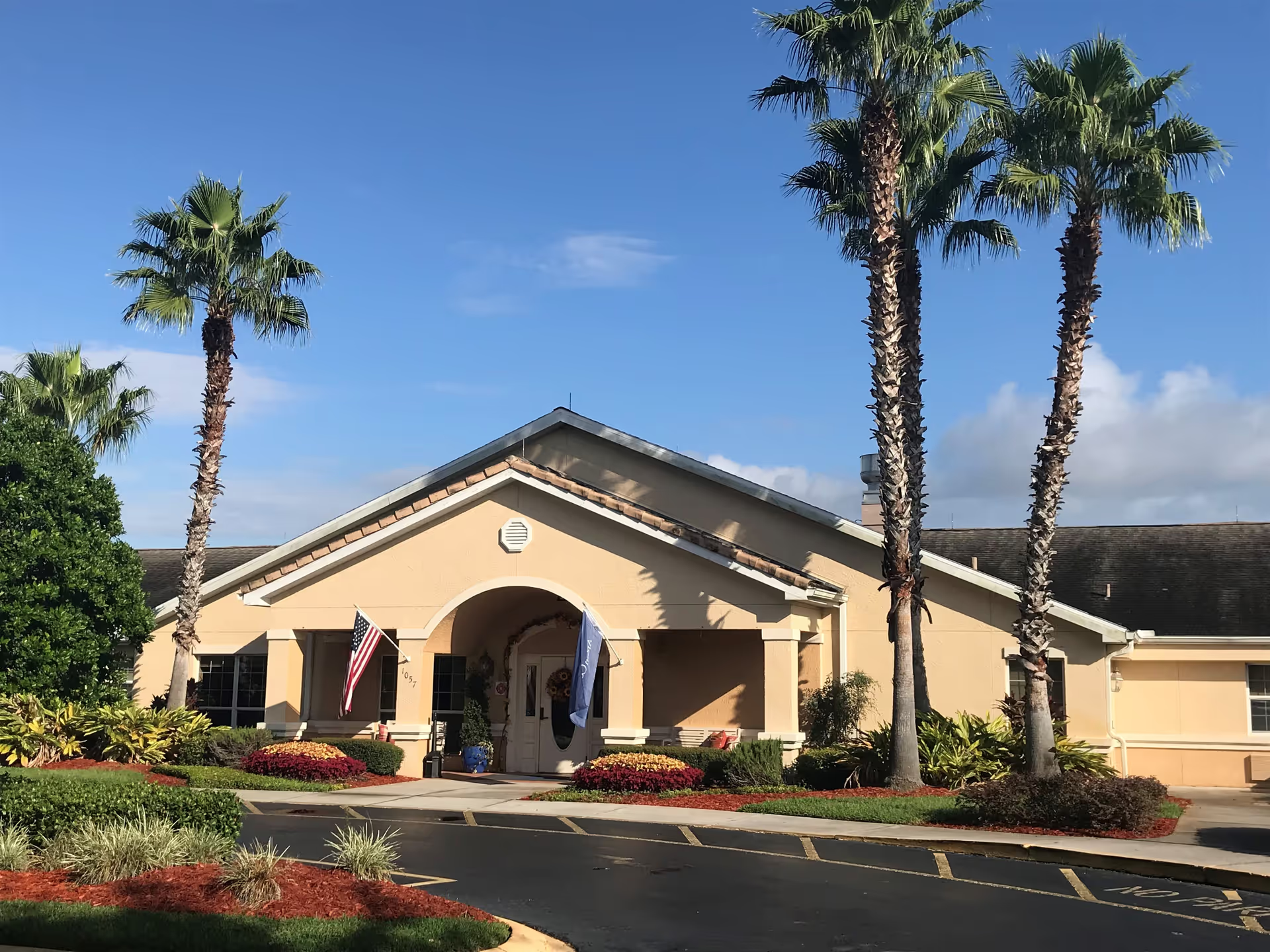
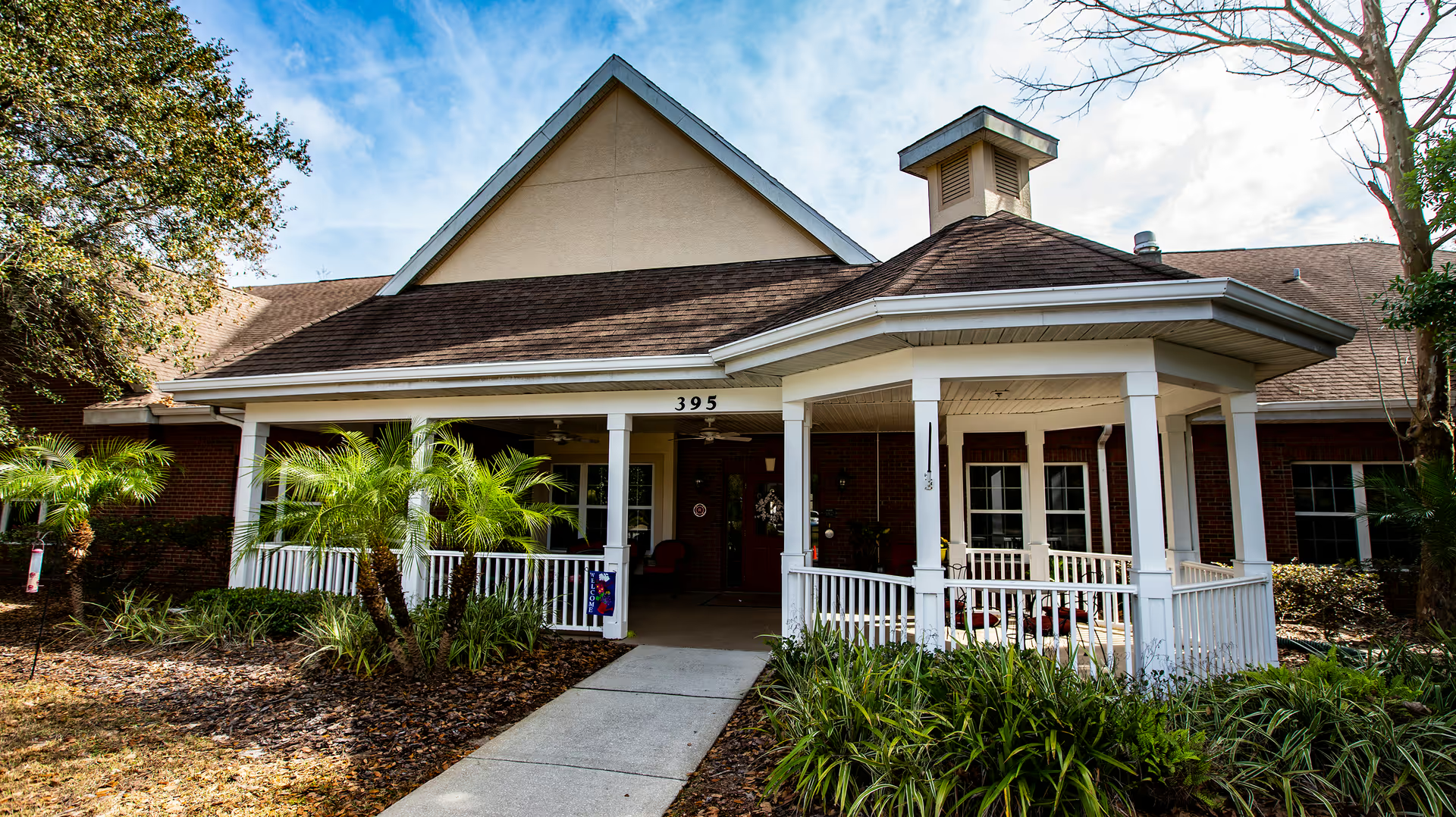
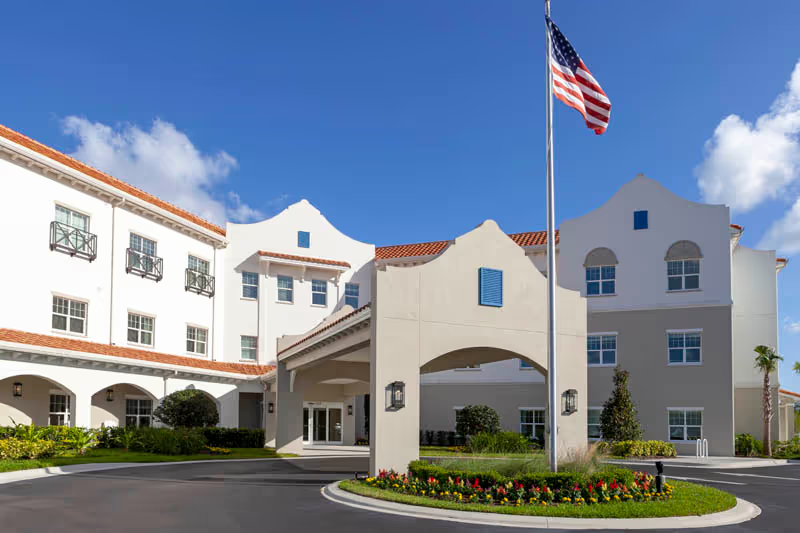
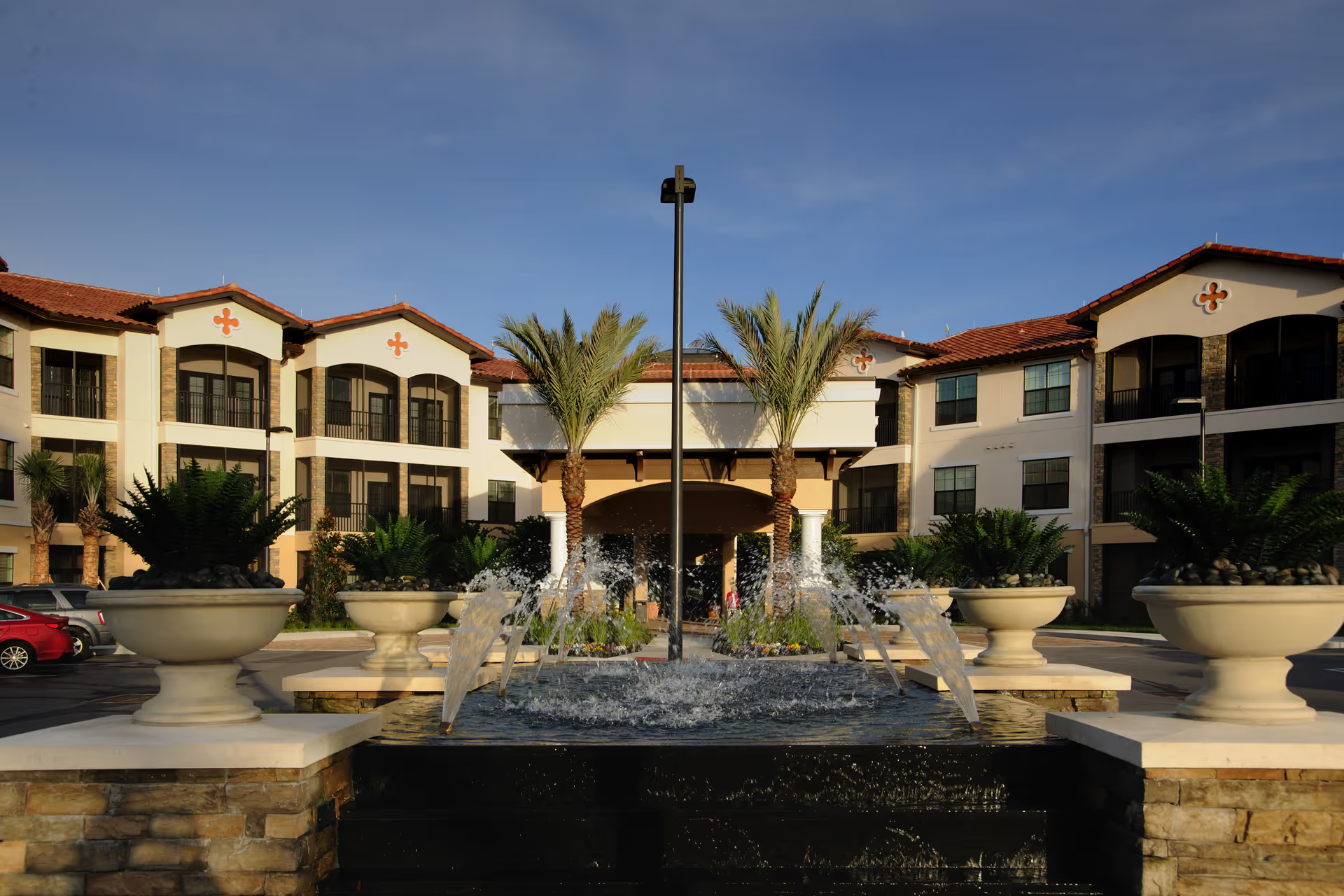
The Tremont presents as a resort-style independent-living community with many enduring strengths alongside several operational challenges. Strengths cited across the reviews include a welcoming, family-like staff culture, well-kept grounds and attractive common areas, and a broad slate of amenities: a pool, salon/barbershop, fitness room, chapel, library and multiple activity spaces. Apartments are offered in a range of sizes and layouts, and many families appreciate included services such as three chef-prepared meals per day, housekeeping and linen service, on-site therapy, and age-in-place features that allow residents to remain in the community while care needs evolve.
Staff and care: Staff are the most frequently praised element. Many comments describe staff as kind, helpful, and personally engaged; some employees have long tenure and there are named staff members singled out for positive impact. At the same time, multiple reviews indicate staffing is stretched at times, with turnover and occasional gaps in clinical coverage. The community offers on-site therapy and a memory-care connection, but there are recurring concerns about the consistency of medical oversight and the community’s processes for responding to clinical incidents and notifying families. Prospective residents should clarify current clinical staffing models, emergency response procedures, and policies for family communication.
Dining and activities: Dining is a central selling point for many residents—chef-prepared meals, abundant choices on some days, and included three-meal plans are repeatedly cited as benefits. However, there is a clear pattern of inconsistent culinary experiences: several accounts note limited menu variety, intermittent declines in quality, set meal times without restaurant-style flexibility, and occasional reliance on less-fresh offerings. Activities programming is robust in scope—bingo, arts and crafts, fitness, water exercise, outings and shopping trips are common—and many residents describe a lively social atmosphere. Yet some reviewers describe underfunded or predictable programming, early end times for activities, and occasional reductions in outings when staff or drivers are unavailable.
Facilities and operations: The property’s physical plant and grounds are often described as attractive and well-maintained; public spaces and dining rooms receive strong positive remarks. At the facility level there are also recurring operational issues: maintenance delays for unit repairs, inconsistent housekeeping and laundry follow-through, and sanitation and pest-control concerns in some reports. Apartment configurations vary; several units lack in-unit kitchens, which is consistent with an independent-living model but may not meet expectations for those seeking self-catering options. Transportation and outing reliability has been inconsistent in some accounts, including extended periods when a driver or scheduled trips were unavailable.
Management and transparency: Reviews reflect a mixed picture of leadership. Many families praise specific managers and leasing staff for responsiveness and personalized attention; others describe management turnover, slow responsiveness, and limited follow-through on billing and fee explanations. There are also isolated but serious claims raising questions about regulatory compliance and health-code matters; while such claims require verification, they point to the importance of reviewing inspection records and complaint histories during any evaluation.
Notable patterns and recommended questions: Overall, The Tremont is perceived by many residents as a comfortable, activity-rich independent-living community with strong social life and several on-site supports. However, the most consistent concerns relate to variable clinical oversight, staffing pressures, inconsistent dining quality, maintenance and sanitation control gaps, and occasional communication or billing opacity. Prospective residents and families should ask specific, documentable questions during a tour: current staffing ratios and clinical coverage (including nurse availability and emergency response), timelines and records for pest control and building inspections, sample activity calendars and transportation schedules, meal-plan options and dining flexibility, housekeeping and laundry frequency, contract terms and fee disclosure, and written incident-notification policies. Verifying recent health inspections and speaking directly with current residents and family members about day-to-day operations will help clarify whether the community’s strengths align with a prospective resident’s priorities.