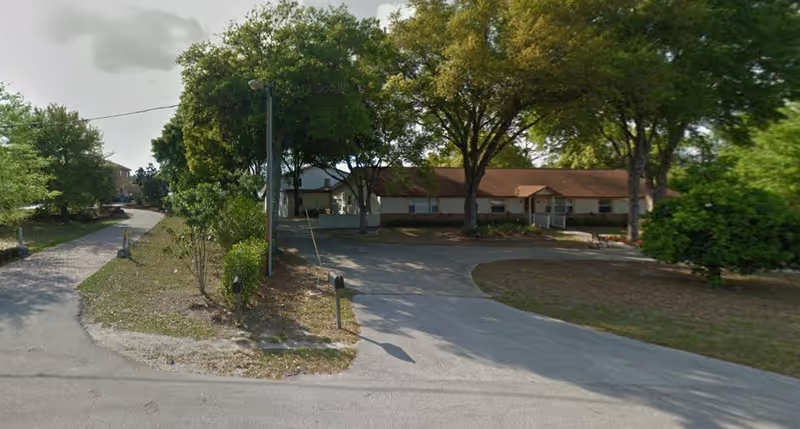
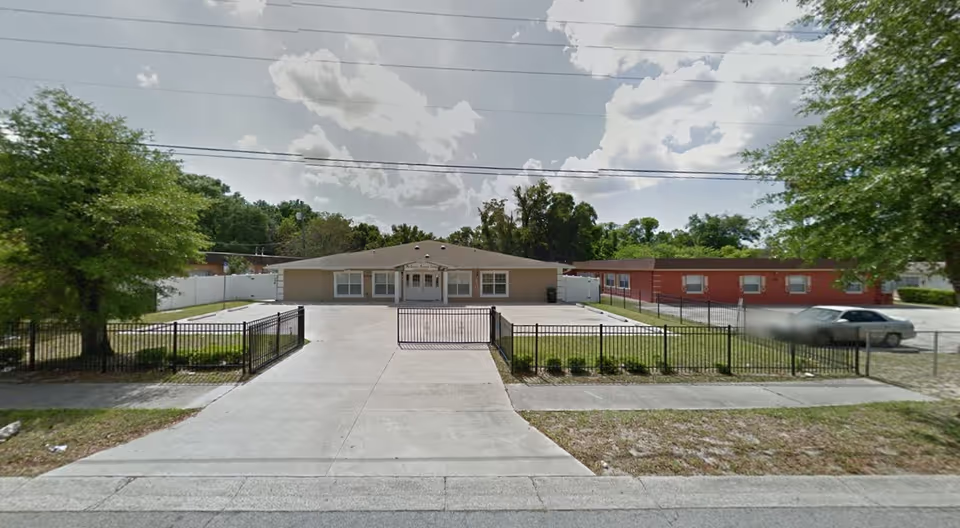
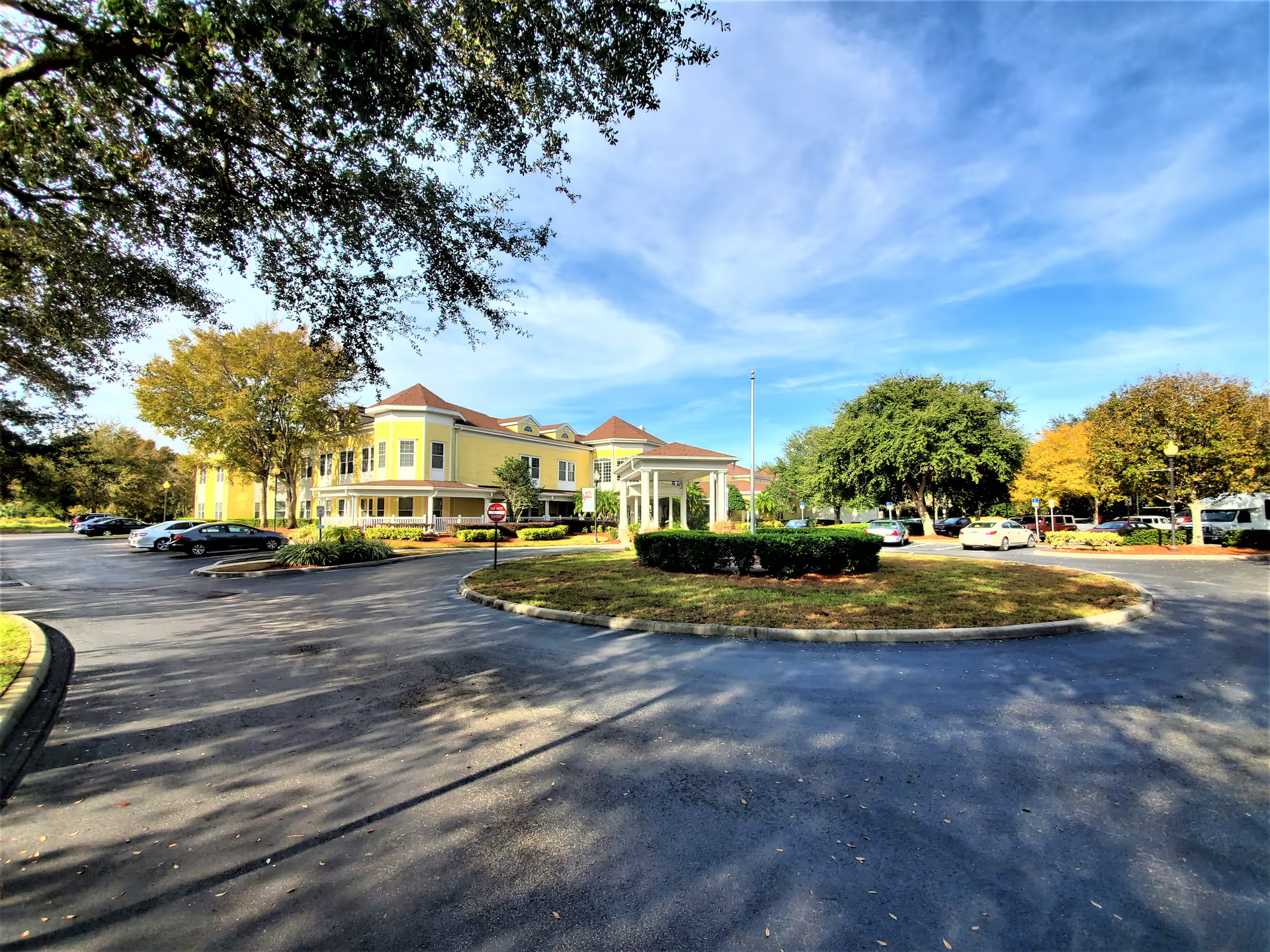
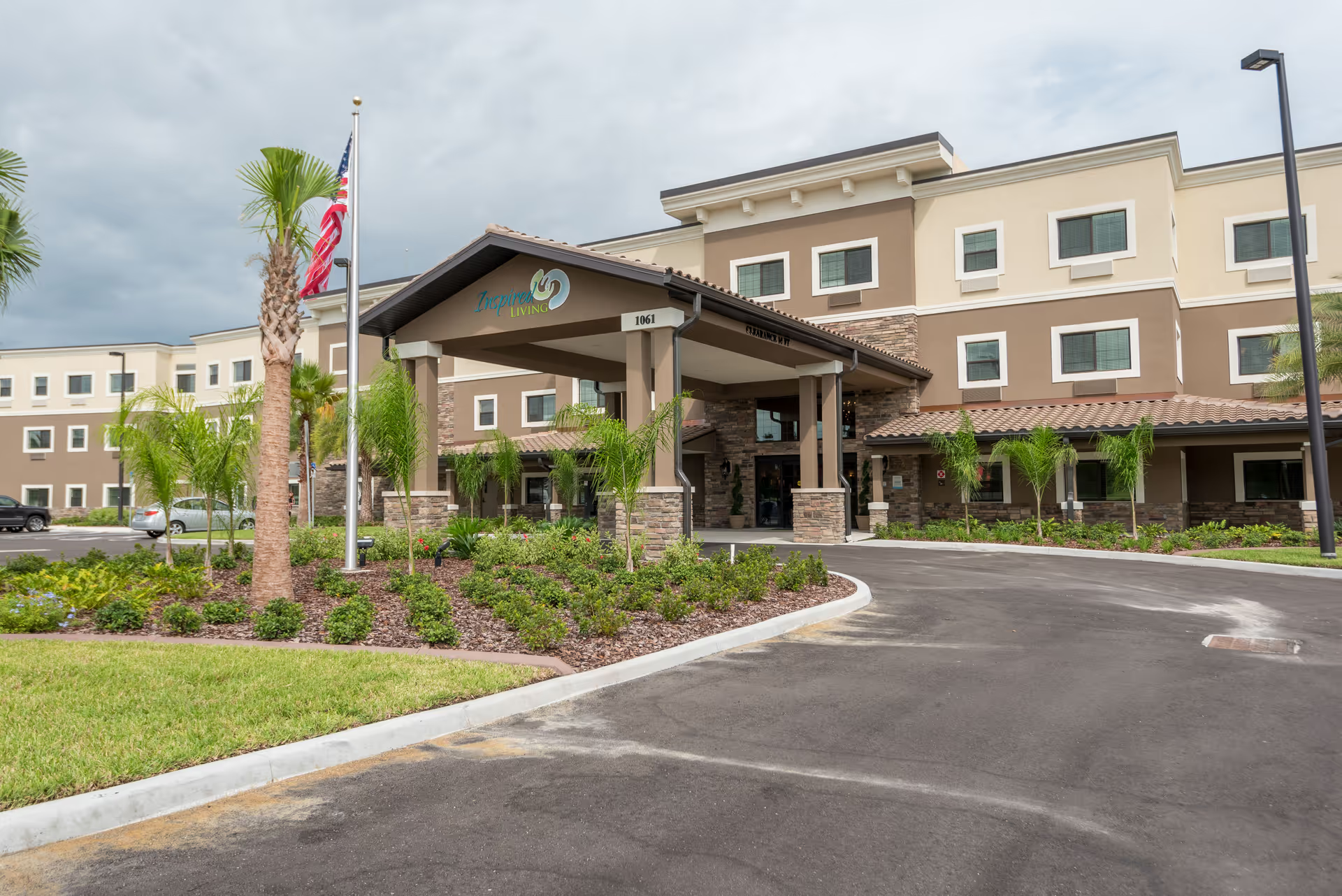
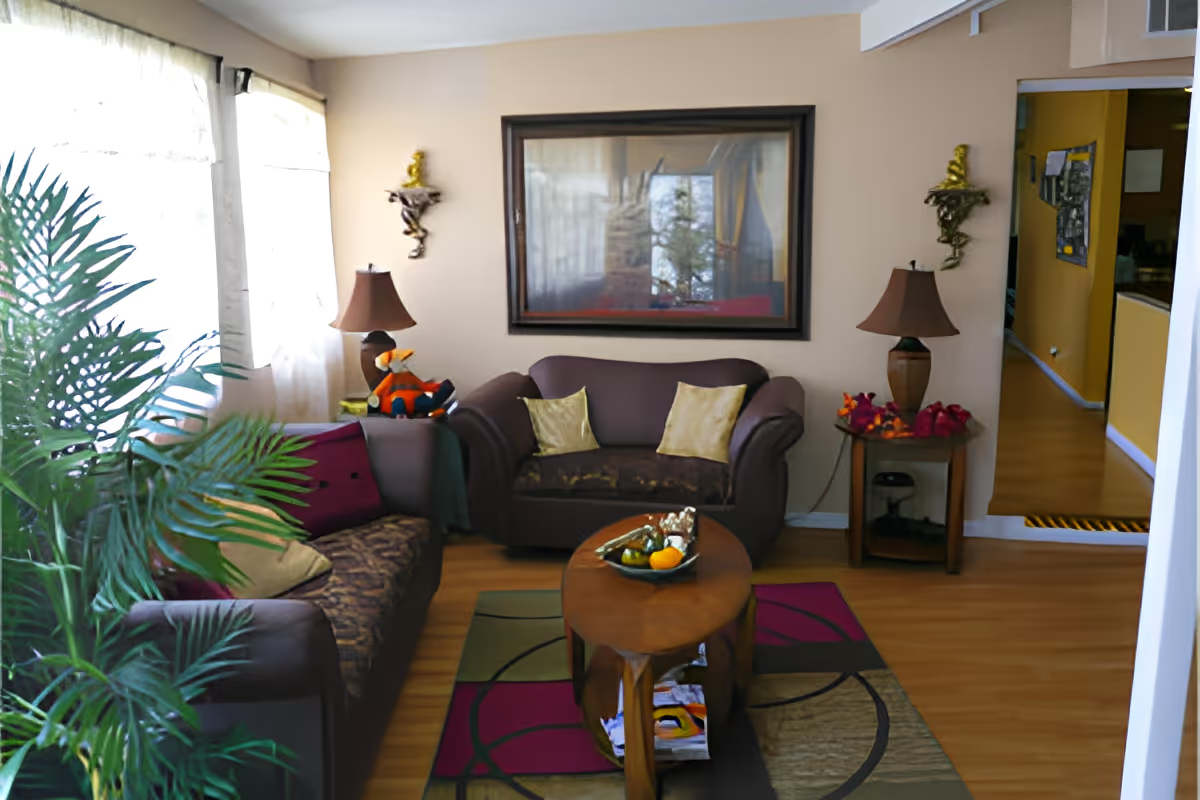
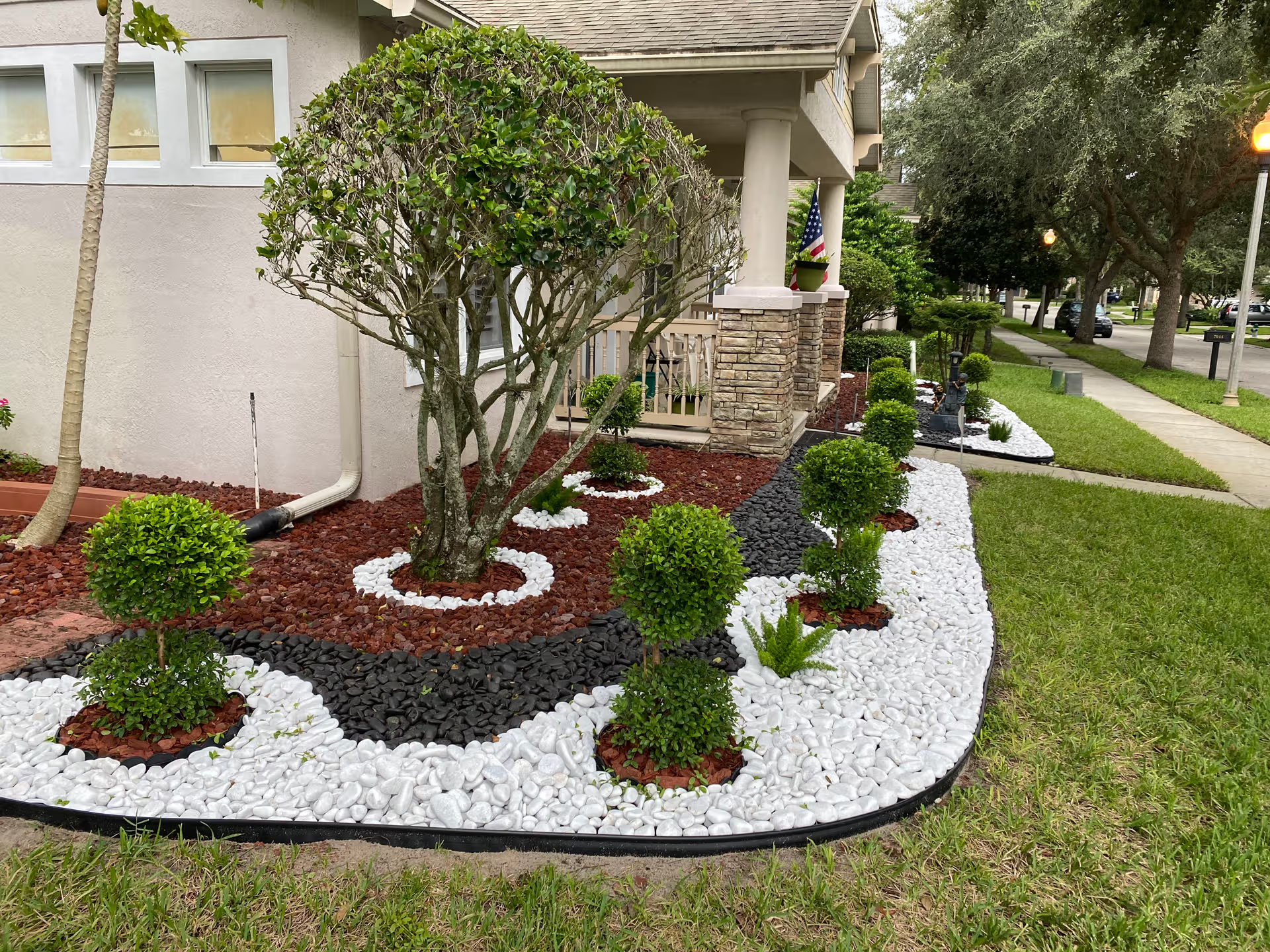
Solaris HealthCare Windermere elicits a mixed but distinct pattern: many families and short-term rehab patients report very positive clinical outcomes and warm, attentive staff interactions, while others describe operational inconsistencies that materially affect day-to-day experience. Strengths repeatedly cited include a robust therapy program (physical, occupational, and speech), individualized rehabilitation progress, and several named caregivers and administrators who provide clear communication and hands-on follow-up. Admissions and discharge processes are frequently described as smooth and well-managed, and the facility's layout, outdoor spaces, and private rooms with en-suite bathrooms are commonly seen as comfortable and hotel-like.
Care quality shows two parallel trends. On the positive side, therapy teams are frequently credited with helping patients regain mobility and function, and many families praise specific nurses and CNAs for compassionate, competent care. On the negative side, reviewers describe variability in nursing and aide responsiveness—notably on nights and weekends—leading to delays in routine checks and incontinence-care support. Medication-administration issues and pharmacy delays are a recurring concern; families are advised to monitor medication timing and reconciliation. There are also serious allegations regarding clinical documentation practices; these are significant and warrant scrutiny by prospective families and regulators.
Dining and activities are a relative strength in many accounts. The facility offers a broad activity calendar, family events, arts and music programs, and opportunities for social engagement that many residents and families appreciate. Dining takes place in attractive spaces, and while some guests praise the food (including specific favored dishes), others find meal quality inconsistent, indicating variability in menu execution and service continuity.
Facilities and environmental maintenance receive similarly mixed feedback. Many reviewers describe the building as clean, with fresh linens, safe showers, grab bars, and pleasant common areas. At the same time, there are intermittent maintenance and HVAC reliability issues—rooms becoming uncomfortably warm, spotty air-conditioning, television and equipment problems—and isolated sanitation concerns. Infection-control practices were questioned in the context of a COVID-era staffing outbreak and PPE use; this suggests variability in adherence to protocols at certain times.
Management and operational oversight appear uneven. Several families commend administrators and care coordinators for responsiveness and personal engagement, while others describe difficulty reaching leadership, inconsistent follow-through on supplies and staffing, and unhelpful front-desk communication. Night and weekend supervision is a recurring operational gap. Taken together, the pattern is one of a facility capable of providing very good rehabilitation and individualized care when staffing and leadership align, but also susceptible to lapses in routine operations (staffing, housekeeping, medication coordination, infection control, and maintenance) that can degrade the resident experience.
For prospective residents and families: Solaris Windermere may be a strong option for short-term rehab and therapy, especially if your plan includes close engagement with therapy staff and proactive communication with nursing leadership. When considering placement, families should ask about current staffing levels for nights/weekends, medication-administration safeguards, infection-control protocols, documentation audit practices, and recent maintenance work on HVAC systems. Regular family communication and periodic bedside checks can help mitigate variability in responsiveness and ensure care plans are executed as intended.