Spring Hills Hunters Creek presents a clear pattern of strong hospitality- and lifestyle-oriented strengths alongside several operational and clinical challenges. Many families describe a warm, home-like atmosphere supported by a visible, compassionate frontline team; long-tenured employees; concierge-style admissions; and a broad set of amenities such as restaurant-quality dining, live music and entertainment, gardening opportunities, on-site therapy, salon services, library and media rooms, and secured outdoor spaces. Move-ins and transitions are frequently described as smooth, with active follow-up from community relations and executive-level staff in many cases.
Care quality and staff: The facility receives substantial praise for the warmth, responsiveness, and personal attention provided by nurses, CNAs, dining servers, and maintenance personnel. Multiple accounts highlight staff who learn residents' preferences and who proactively engage residents in activities. At the same time, there is a recurring theme of variability in clinical oversight and staffing consistency. Reviewers describe instances where nursing supervision, transfers, and in-room assistance were perceived as uneven; these accounts translate into a facility-level concern about inconsistent clinical oversight and the operational impact of staffing shortages and turnover. There are also isolated but serious family complaints about communication after clinical incidents and about the conduct or tone of specific supervisory staff; these have contributed to perceptions of uneven leadership responsiveness.
Dining and activities: Dining is a standout amenity for many residents. The on-site culinary program is frequently called "restaurant-style," offering a wide menu and made-to-order entrees that appeal to picky eaters. However, several comments point to inconsistent meal quality or portion control, occasional slow service, and different experiences between independent-living and memory-care dining. Activities programming is robust and well attended in independent living and assisted living—offering live performers, outings, exercise classes, arts and crafts, and gardening—but program consistency in the memory-care unit and after staffing changes has been noted as weaker by some families.
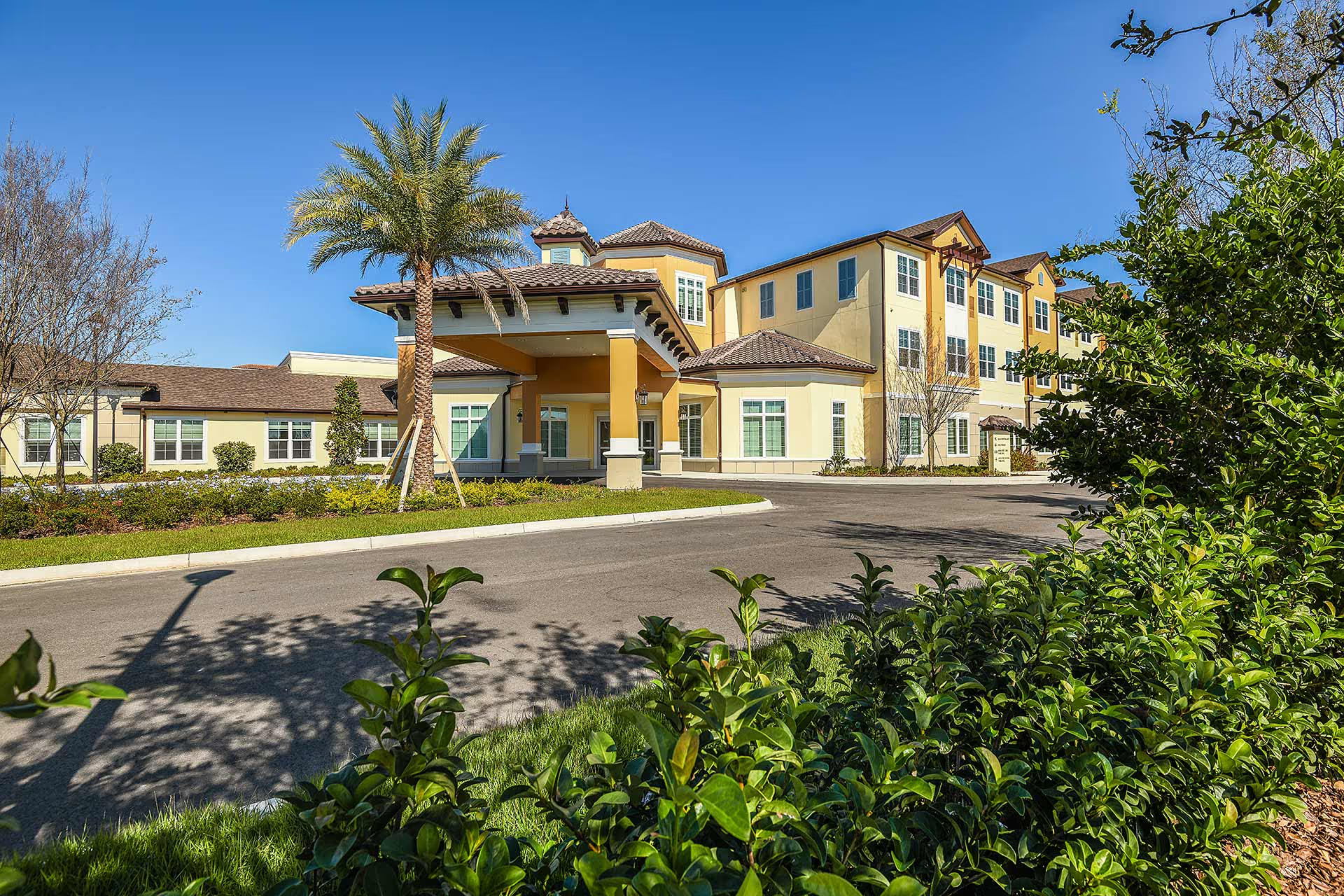
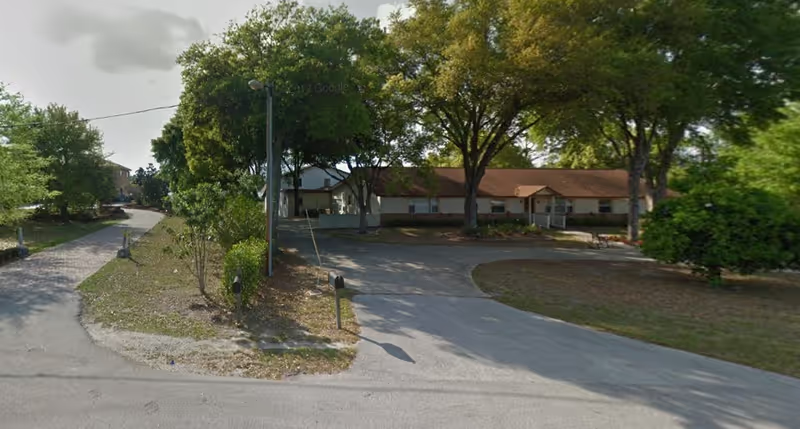
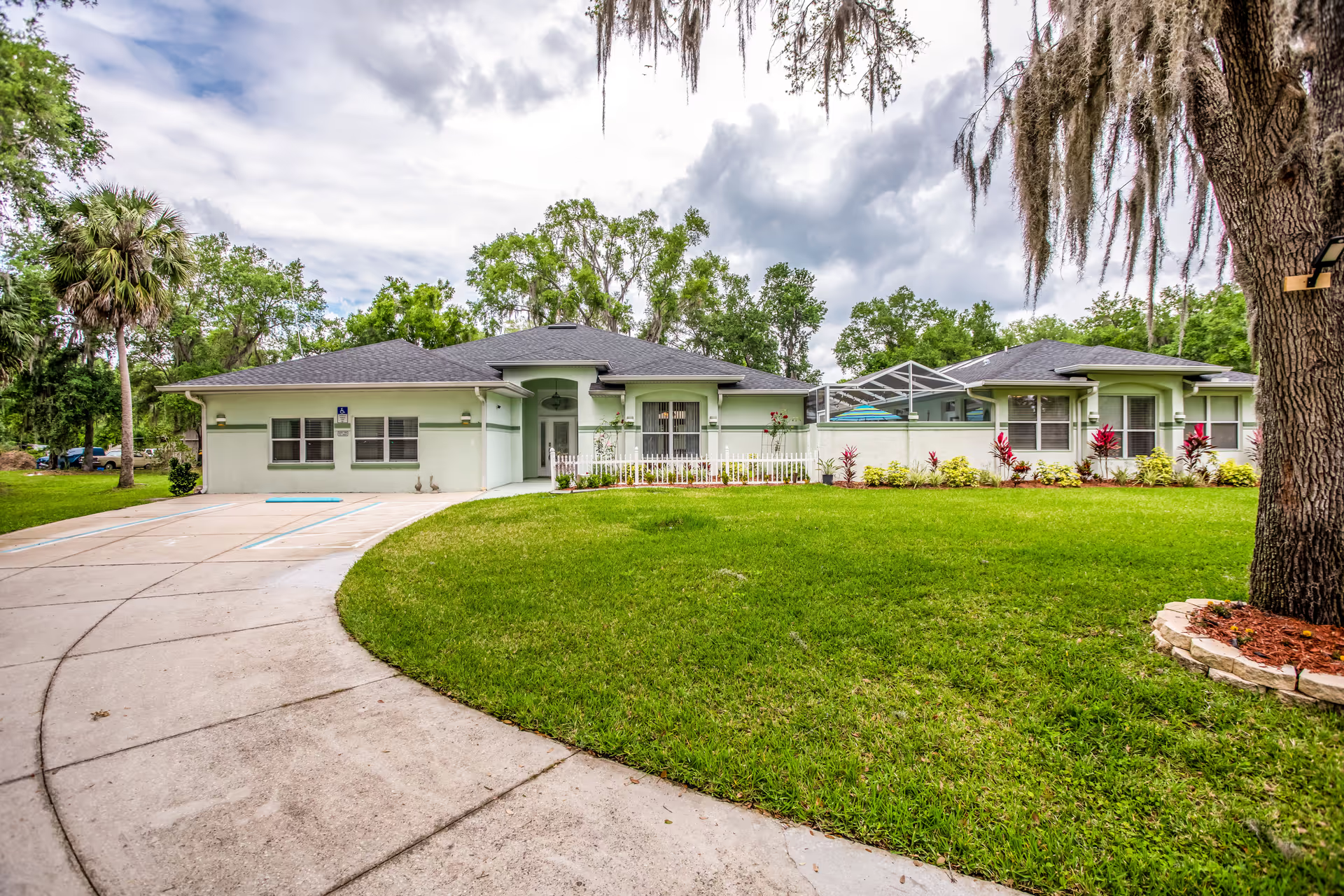
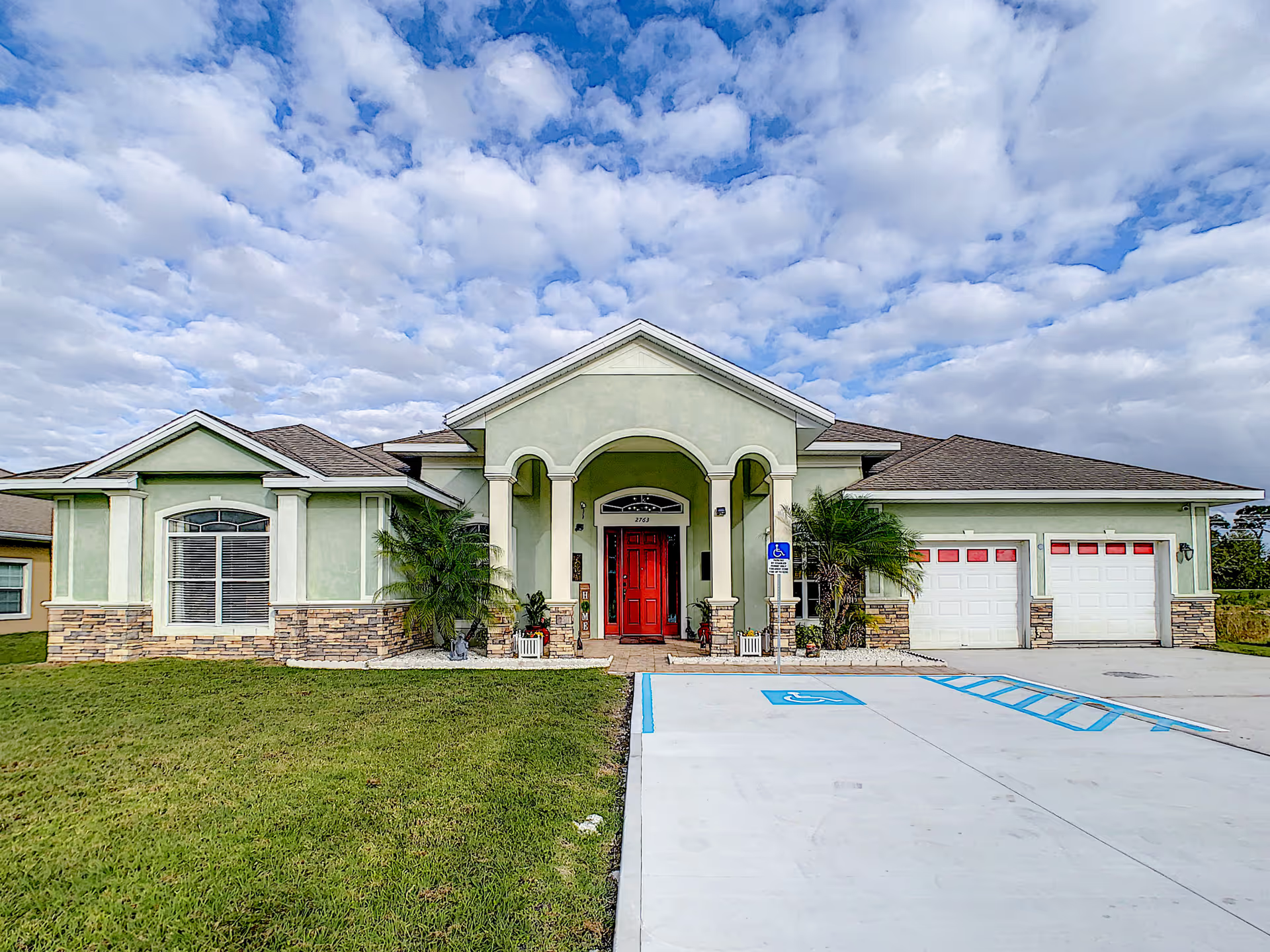
Facilities and maintenance: Reviewers describe an overall clean and attractive campus with boutique-hotel touches, good landscaping, and well-maintained dining and activity areas. Facilities strengths include secure entry systems and ample indoor/outdoor social spaces. Counterbalancing those positives are recurring comments about dated finishes, small apartment footprints relative to price, carpet wear or stains in some areas, and delays in completing repairs. Significant HVAC and temperature-control issues were raised in several accounts, including prolonged system failures that affected resident comfort. These suggest a need for ongoing capital attention to the physical plant.
Management, communication, and fees: Experiences with management and administration are mixed. Some families describe accessible, communicative executive directors and community-relations staff who respond promptly; others describe poor responsiveness, unanswered calls, billing confusion, and lack of follow-up on concerns. Pricing transparency is another item to review carefully—some families reported higher-than-expected care charges after assessment and found the fee structure insufficiently clear at admission. There are also notes about limited weekend management coverage and front-desk availability gaps that affect family access to leadership.
Overall impression and guidance for families: Spring Hills Hunters Creek offers strong lifestyle programming, an attentive frontline culture, and comprehensive amenities that many families value highly—particularly for residents who thrive on social programming, music, dining variety, and on-site therapy. Prospective residents and families should weigh those strengths against documented operational issues: assess current nursing staffing ratios and weekend coverage, clarify fee structures and potential post-admission charges in writing, ask about plans and timelines for HVAC and maintenance improvements, and evaluate memory-care programming consistency. For families prioritizing hospitality, active engagement, and a restaurant-quality dining experience, this community frequently scores well; for those whose primary concern is consistently high clinical oversight and transparent administration, additional due diligence is recommended.