Reviews portray a facility with a clear divide between many positive caregiving experiences and a number of serious operational concerns. On the positive side, reviewers frequently highlight a caring, welcoming staff culture: registered nurses, CNAs, therapists, and social work personnel are repeatedly described as skilled, attentive, and compassionate. Several families praised the physical- and occupational-therapy teams for effective rehabilitation, and admissions staff and on-site leadership were often credited with facilitating clean, organized transitions and timely complaint resolution. Multiple accounts also cite bilingual staff, engaging activities, and visible renovation or updating of common areas as contributors to a calmer, more comfortable environment.
Conversely, a pattern of operational weaknesses emerges in areas that affect resident safety and daily comfort. Staffing consistency is a prominent concern: reviewers described weekend shortages and periods when call lights were not promptly answered. Related operational issues include inconsistent medication administration and documentation, irregular personal-care routines (including bathing and linen/diaper changes), and delays in providing beverages or basic assistance. These process gaps were sometimes associated with adverse clinical outcomes in individual accounts, and a few reviews raised particularly serious concerns following a resident's death.
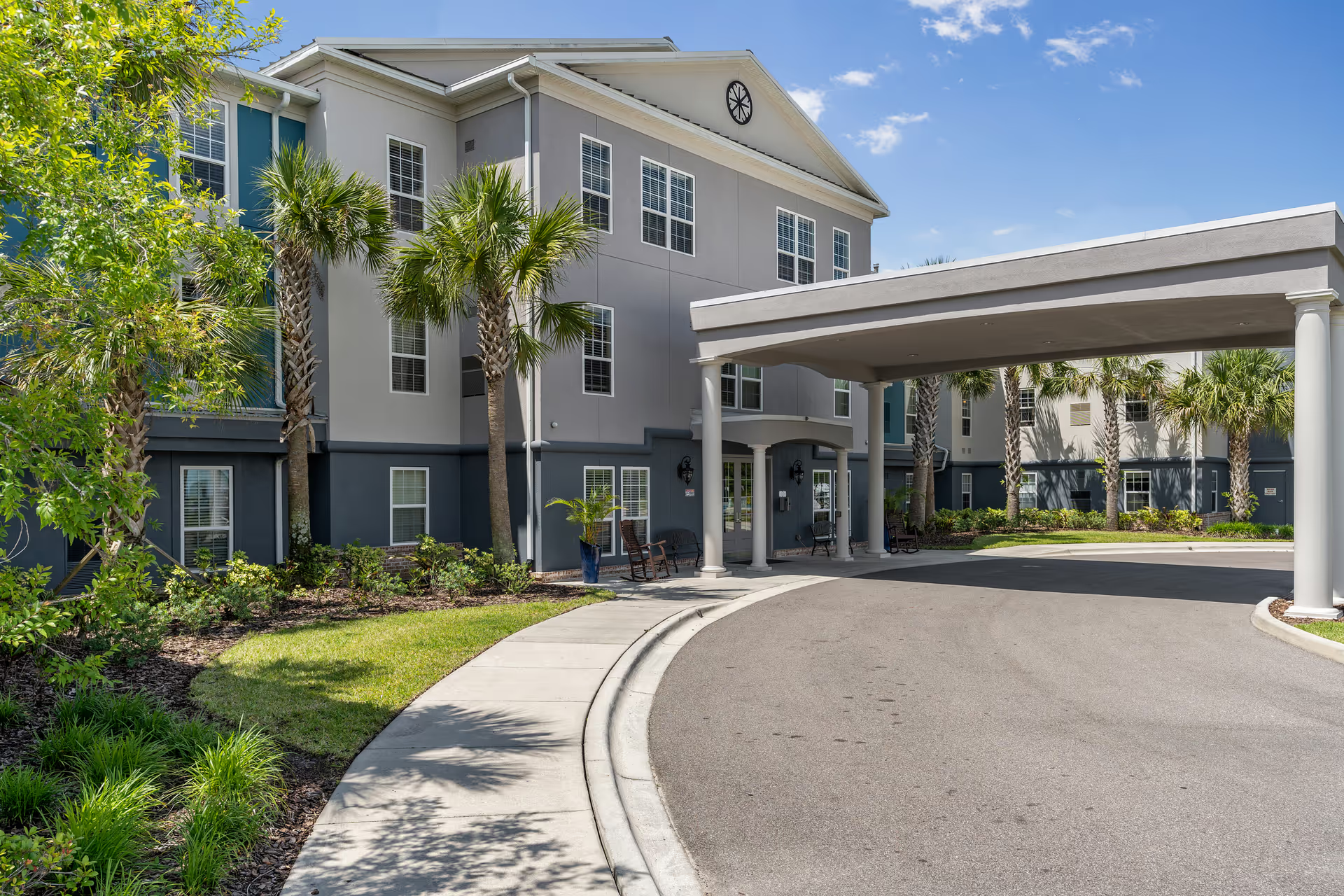
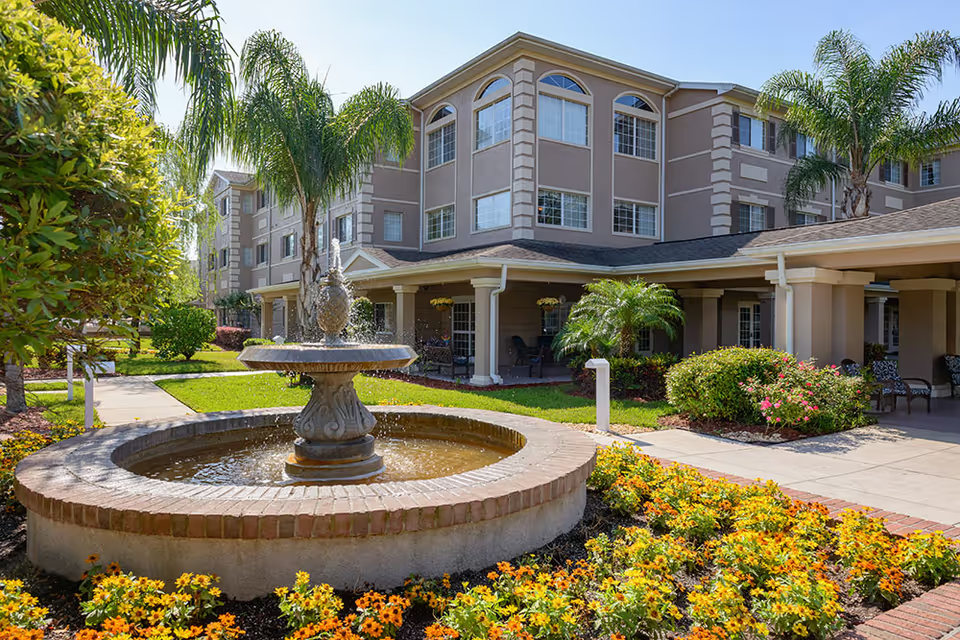
Dining and environmental maintenance show mixed results. Some reviewers reported hot meals and improved menu options under newer leadership, while others described variable food quality and slow meal-service responsiveness. Facility maintenance and sanitation also showed conflicting reports: several families praised clean, updated common areas, but others documented ongoing maintenance lapses such as corroded fixtures, furniture in need of replacement, and pest-control concerns. These inconsistencies suggest uneven housekeeping and facilities-management processes across units or shifts.
Management and communication present a similarly mixed picture. Some reviewers noted a hands-on executive director and a responsive director of nursing who addressed issues promptly; others described poor corporate-level communication, unresponsiveness, and perceptions that administrative priorities could be more aligned with resident needs. Billing and admission processes were also called out as overly focused on Medicare procedures in a way that some families found frustrating.
In sum, the facility demonstrates meaningful strengths in direct caregiving, therapy services, and certain aspects of admissions and leadership, which have produced strong recoveries and positive family experiences for many residents. At the same time, recurring operational themes—staffing variability, response-time gaps, inconsistencies in medication and personal-care routines, and uneven housekeeping and maintenance—warrant careful inquiry by prospective residents and families. Visiting the unit(s) of interest, asking about staffing patterns by shift and weekend coverage, reviewing current infection-control and pest-control measures, and requesting clarification on medication-administration protocols and recent quality-improvement actions will help clarify whether the facility’s positive elements are consistent for a particular room or care team.