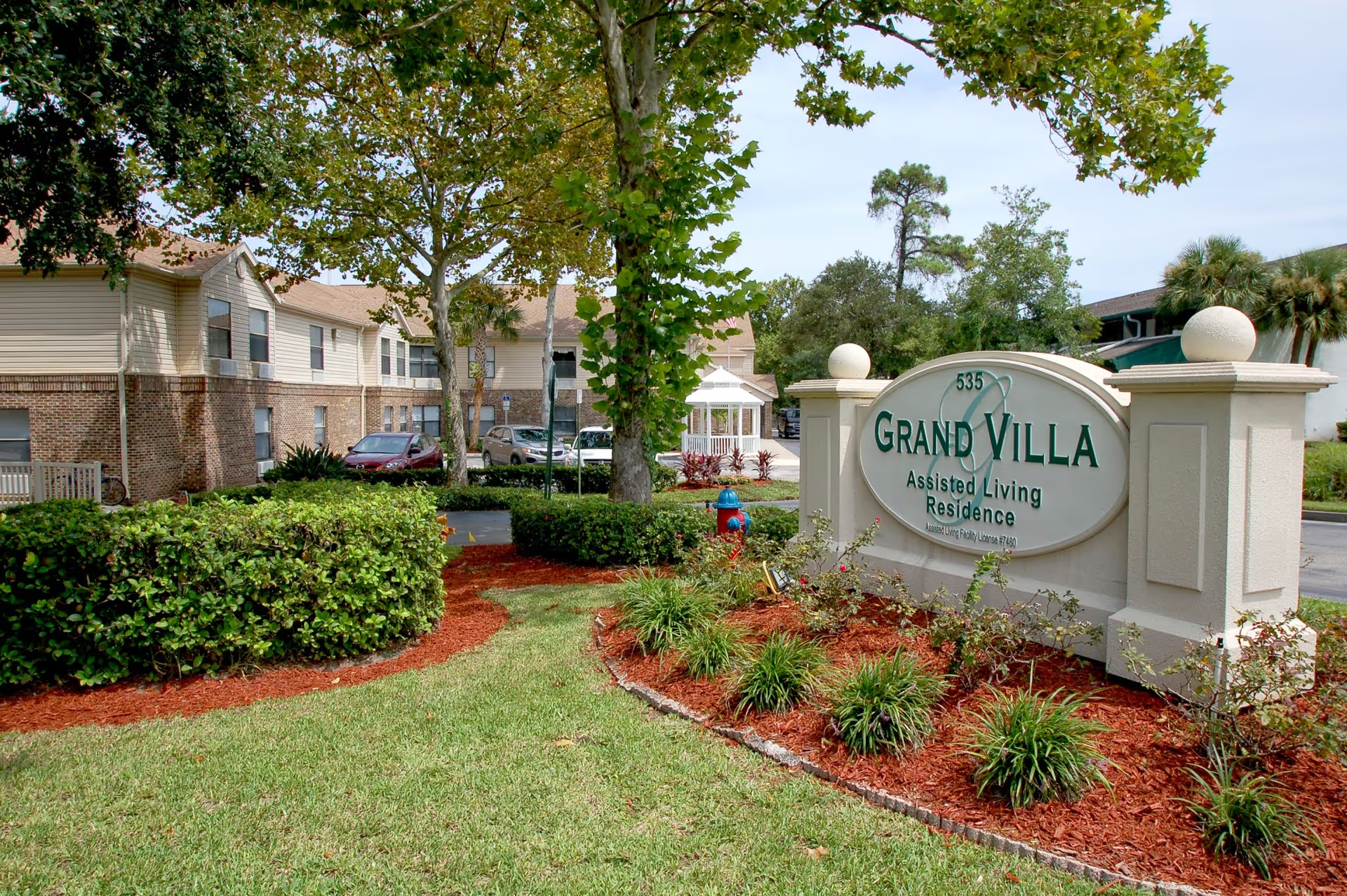
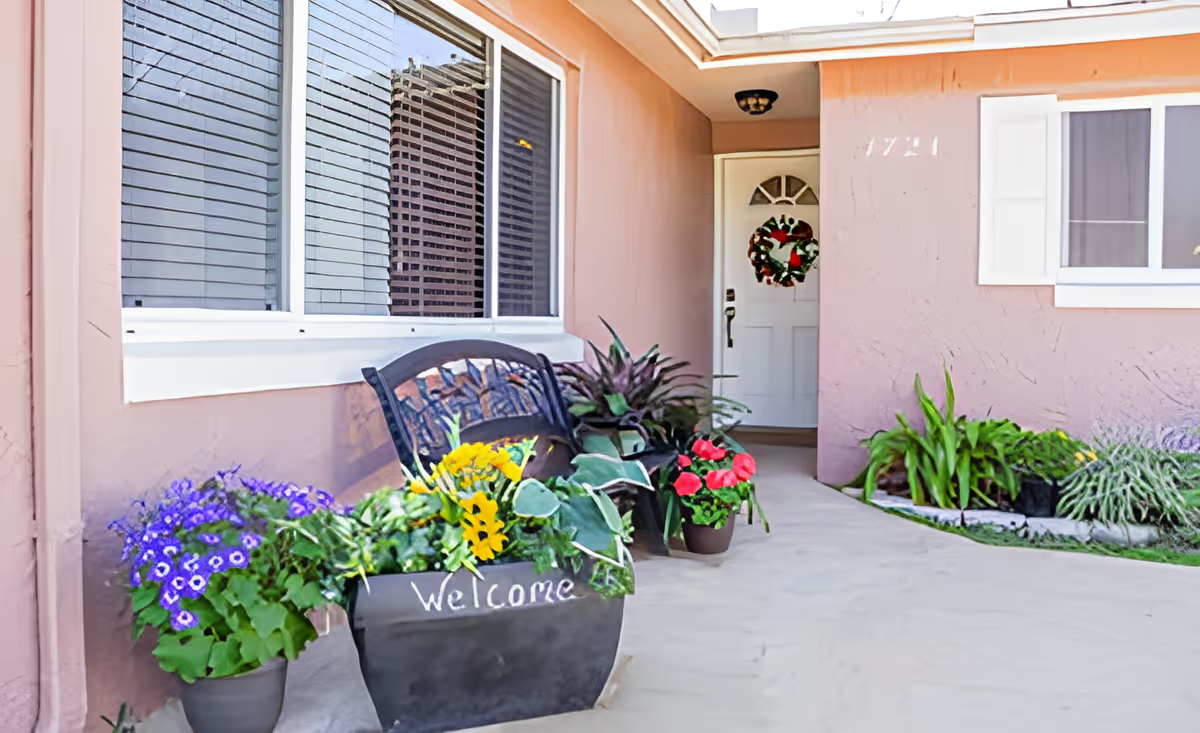
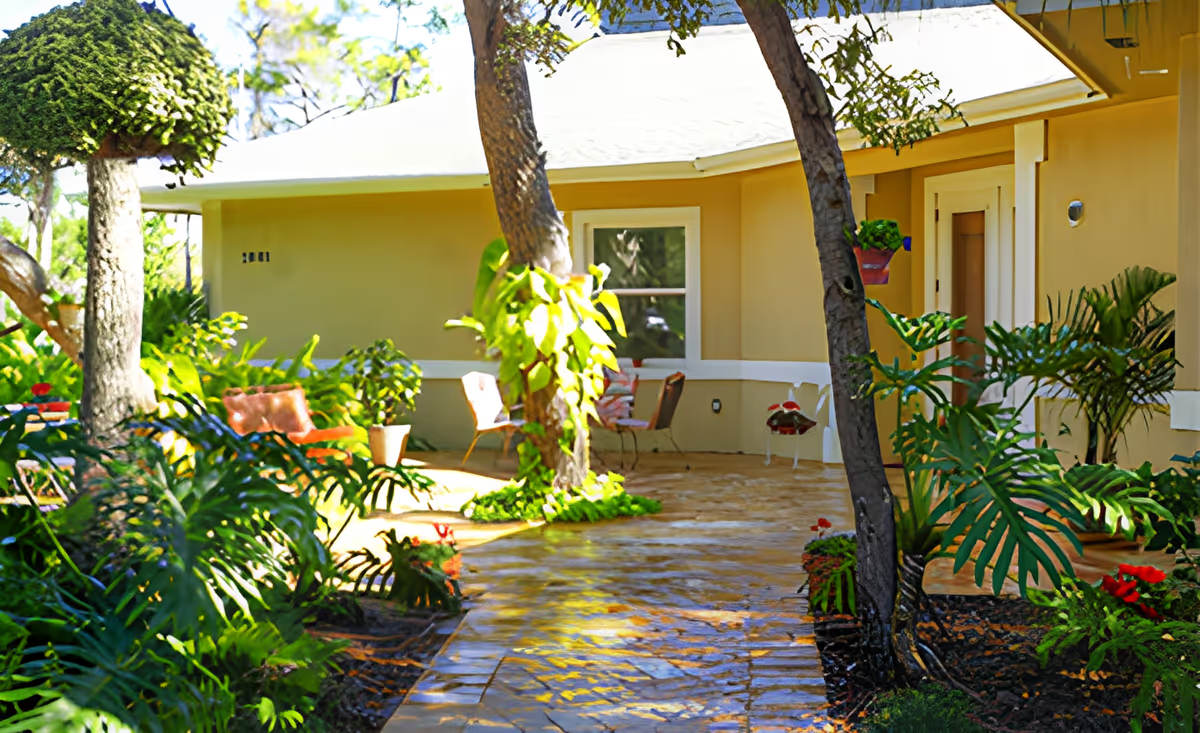
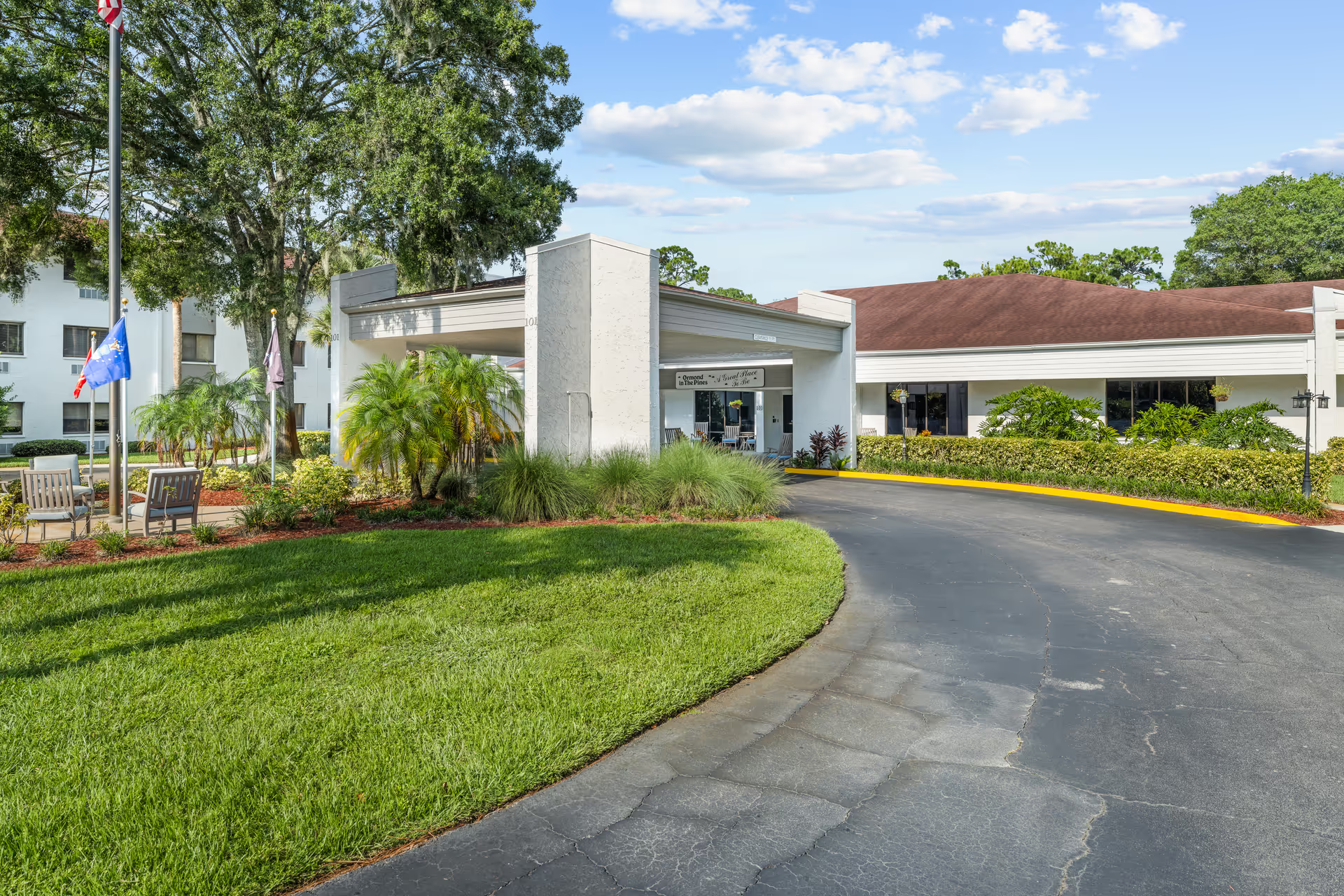
Bridgeview Center elicits strongly mixed impressions. Many families and visitors praise individual caregivers — nurses, CNAs and therapy staff — for compassionate, hands-on care, good clinical responsiveness in some cases, and active engagement with families. The facility offers a range of services that appeal to families seeking short-term rehabilitation or memory care, including on-site therapy, a memory-care unit, an activities program, snacks and regular meals, a hair salon, and accessible outdoor landscaping. Several accounts describe clean, orderly units with helpful staff, effective recreation, and comfortable, climate-controlled rooms.
At the same time, a recurring pattern of operational weaknesses emerges. Staffing levels and continuity are repeatedly identified as inconsistent: high turnover and reliance on agency or contract personnel appear to contribute to uneven care delivery and gaps in supervision. Families describe delayed responses to call buttons, variable assistance with bathing and dressing, and delays in incontinence care. There are also concerns about wound and pressure-injury management and about communication when clinical status changes or medications are adjusted; families report that medication changes are sometimes not communicated clearly.
Dining and activities are strengths for some residents but inconsistent overall. Several reviewers describe appetizing meals, adequate snacks, and an active recreation schedule; others report small portions, food served at inappropriate temperatures, or meals that a resident would not eat. The activities program and memory-care programming receive frequent praise when staffed and led well, but effectiveness appears to depend on staffing levels and unit leadership.
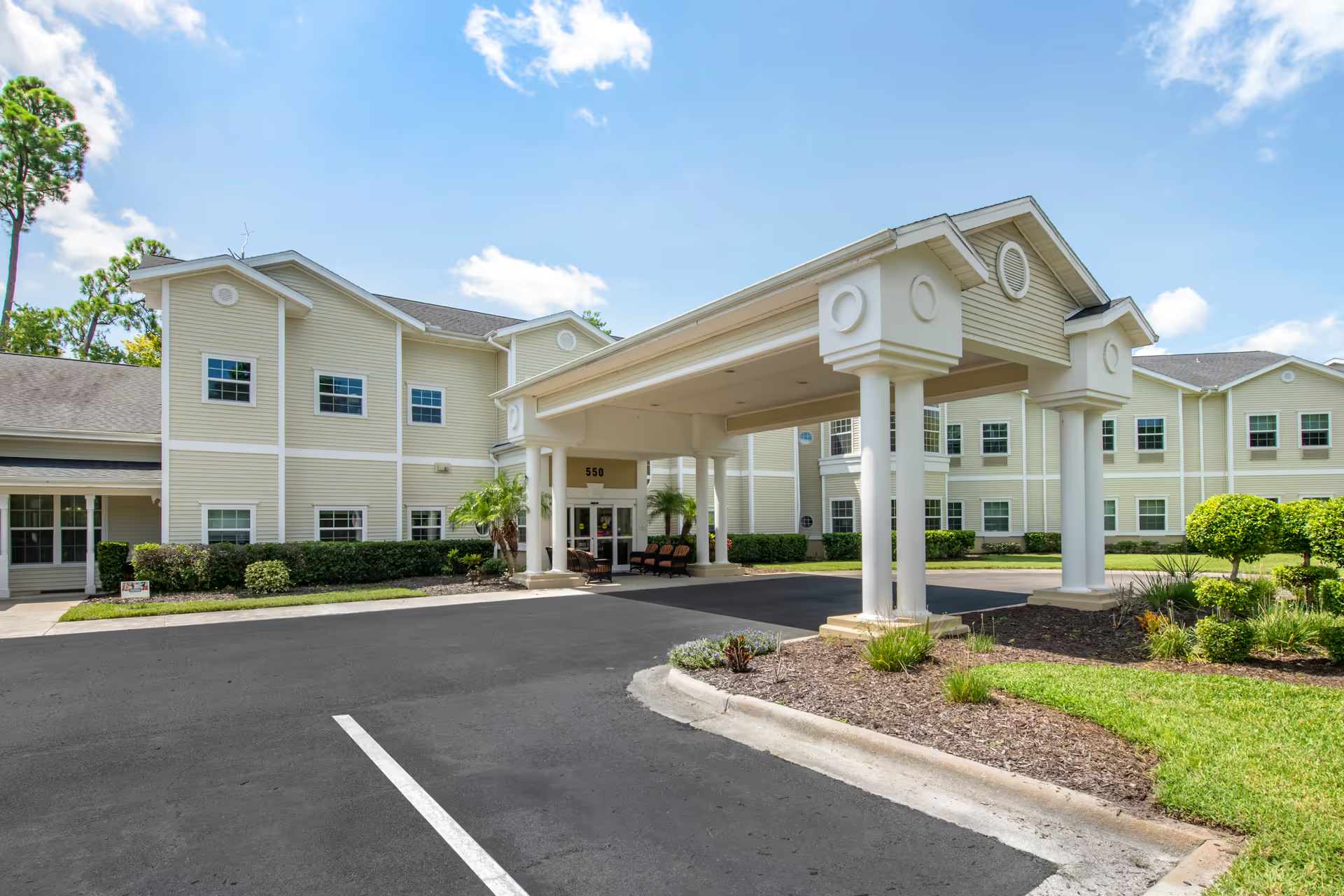
Facility condition and environmental management show variability. The building is described as older, with maintenance and sanitation concerns in certain areas, including broken fixtures, worn furnishings, and odor concerns reported by families. There are also isolated pest-control concerns and complaints about cleanliness in some rooms and bathrooms. Security and supervision processes merit attention: accounts note wandering residents, open doors or unsecured areas, missing personal items, and uneven front-desk availability, all of which affect family confidence in safety and property security.
Administrative and management issues are a frequent source of dissatisfaction. Common themes include inconsistent communication from administration, billing and invoicing errors or delays, slow refund processing, and perceived cost-cutting measures. A small number of serious, individual claims (including missing belongings and concerns following a resident's death) have prompted strong family distress; there are also allegations of theft and financial misconduct in some cases. Conversely, some families report positive, responsive interactions with named administrators and social-work staff, indicating variability in leadership responsiveness.
Taken together, the pattern is one of polarized experiences: where staffing is sufficient and unit leadership is engaged, families describe good care, cleanliness, and active programming; where staffing, communication and maintenance fall short, families describe lapses in personal care, clinical oversight, and property security. Prospective residents and families should weigh the facility's service offerings and positive caregiver reports against the documented operational inconsistencies. If considering Bridgeview Center, ask for unit-specific staffing levels, turnover rates, recent inspection or infection-control reports, written policies on medication handling and property security, and clear billing explanations; arrange multiple visits at different times (including weekends and evenings) and speak directly with nursing leadership about clinical protocols and family communication plans.