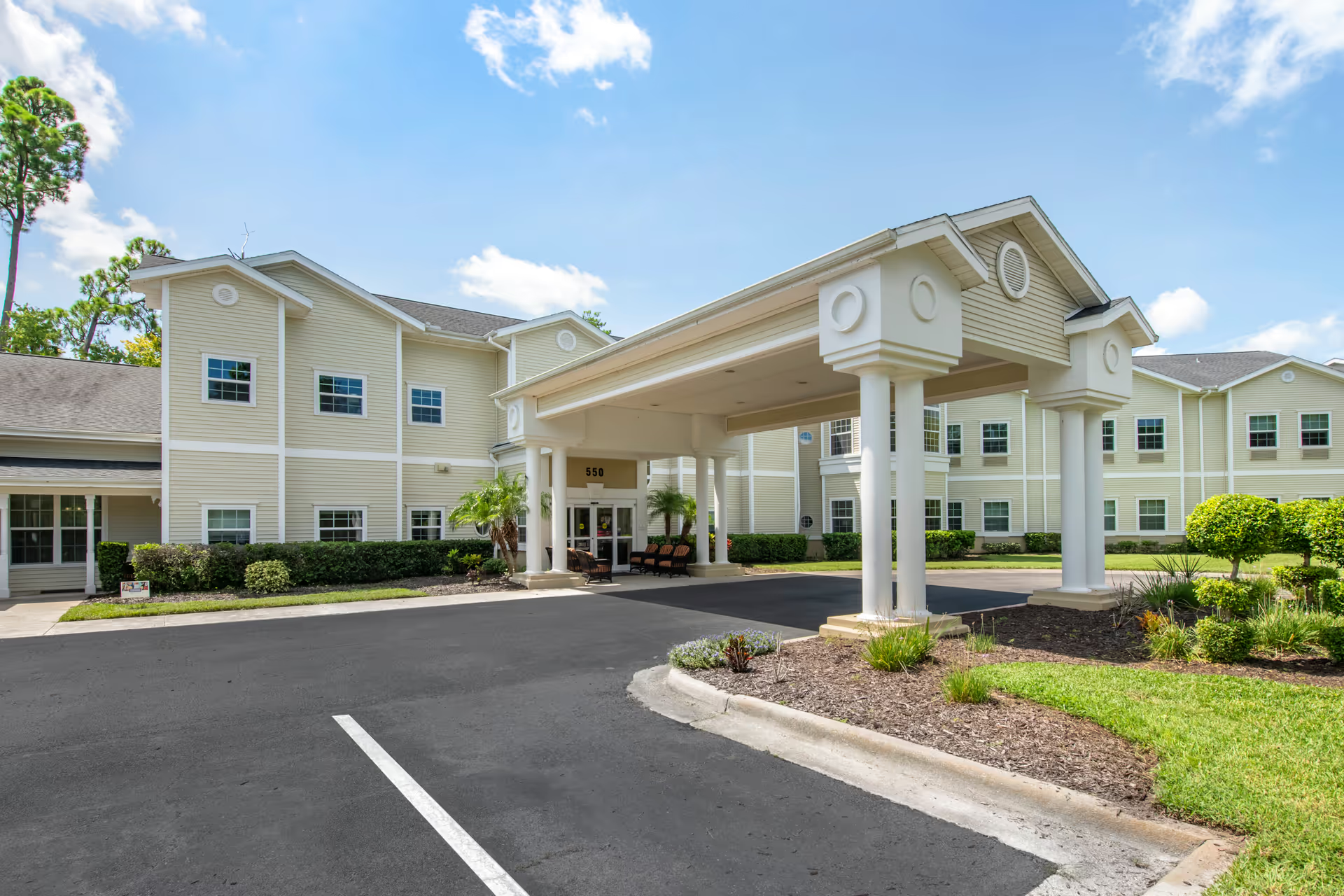
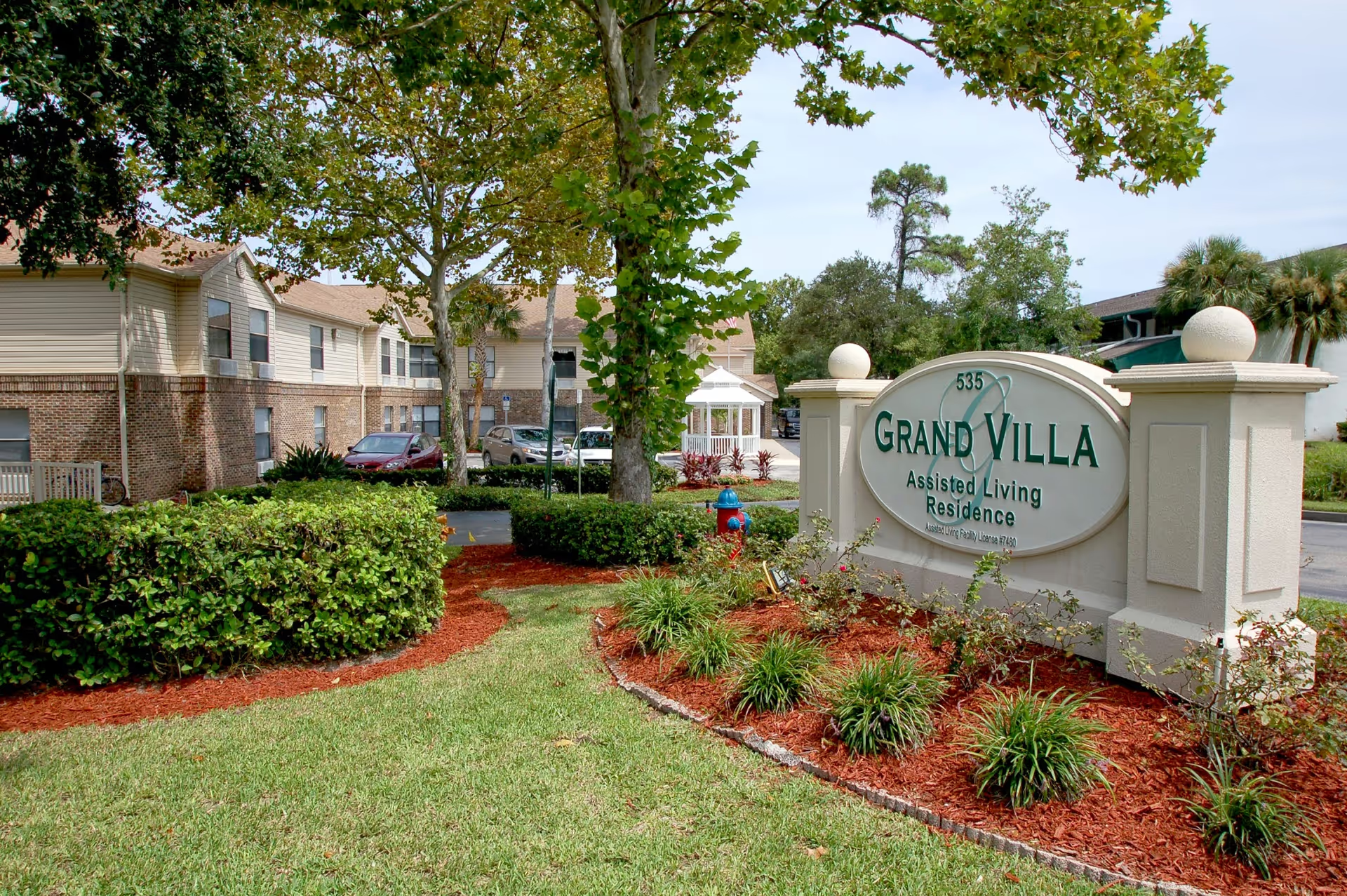
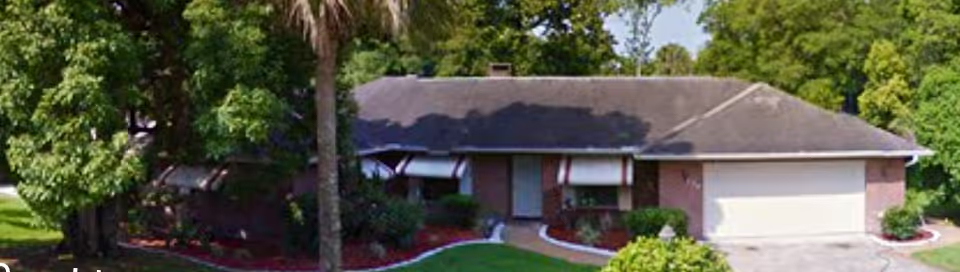
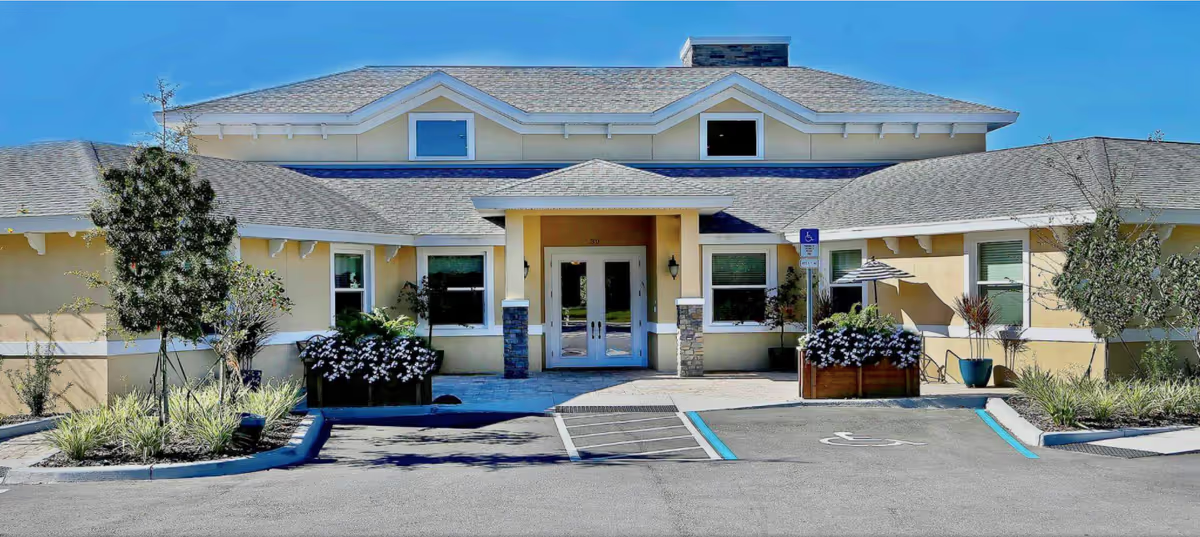
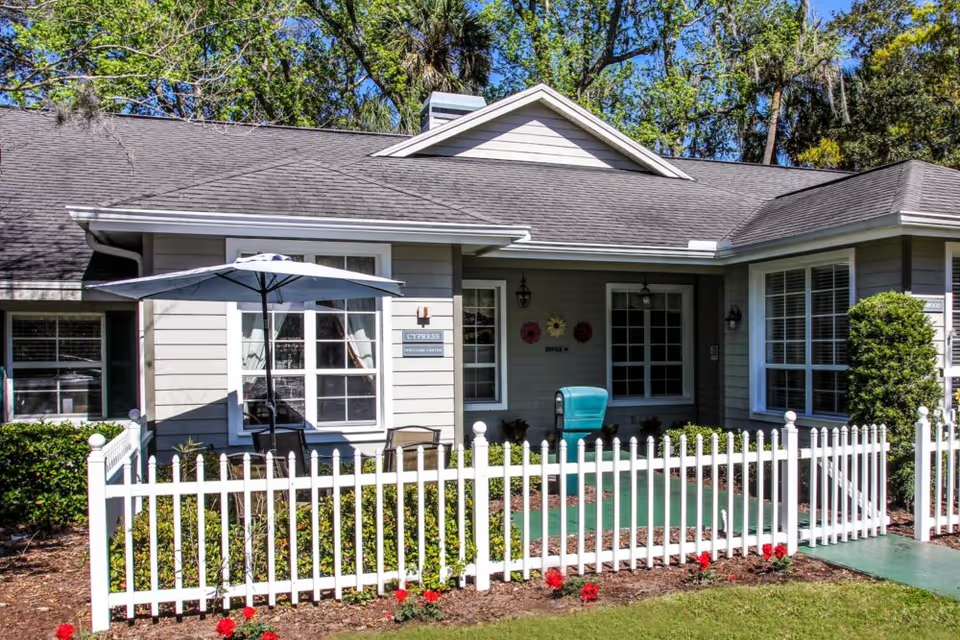
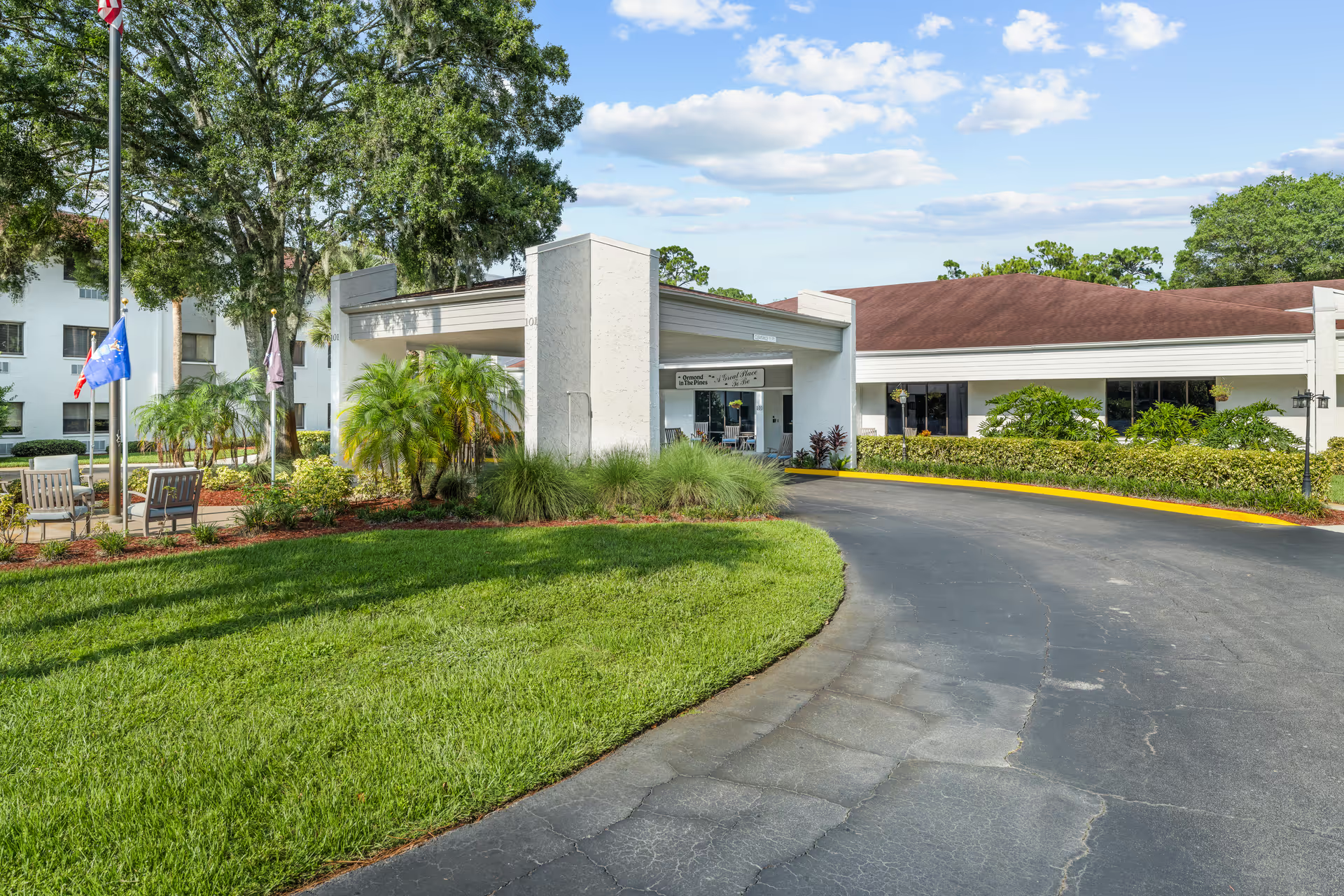
The reviews present a mixed and evolving picture of Seaside Manor of Ormond Beach. Several reviewers described positive elements such as compassionate, personable staff, a warm entry experience, spacious apartments, and a generally safe, home-like interior. Others noted that these strengths were uneven across time and units: while some residents and families experienced attentive communication and a welcoming, pet-friendly environment, others described a marked decline in operational consistency following management and ownership changes.
Care and staffing: Experiences with direct care staff vary. Positive comments emphasize staff who know residents by name and provide individualized attention; named leaders were praised for family communication. However, a persistent theme is high staff turnover and chronic understaffing, which reviewers linked to delays in responsiveness, staff burnout, inconsistencies in following care instructions, and occasions when residents' needs were not met in a timely manner. There are also concerns about gaps in clinical oversight and how the facility escalates or documents incidents; a few reviewers described significant adverse outcomes tied to these operational gaps.
Dining and nutrition: Comments on dining are inconsistent. Some reviewers praised the dining area and past meal quality; others reported cold or poorly prepared meals, overcrowded dining times, mandatory seating practices, and variability in menu satisfaction. These contrasting impressions suggest uneven meal-service management and occasional disruptions to meal continuity.
Activities and transportation: Activity programming was described as lively in earlier periods but declined for some reviewers after ownership changes. Limitations cited include reduced outings, fewer newsletters and organized events, small or single-purpose recreation spaces, and little to no dedicated activity space on certain floors. Transportation was singled out as a frequent operational weakness — unreliable shuttle service and bus breakdowns were linked to missed doctor appointments and reduced off-site engagement.
Facilities and cleanliness: The physical environment receives mixed assessments. Many reviewers complimented the size of apartments and the general sense of safety, while others raised sanitation and housekeeping concerns, pest-control issues in some areas, and deferred maintenance or cosmetic shortfalls. Common-area space constraints (small dining and recreation rooms, limited library) and elevator/accessibility limitations were mentioned as practical impediments to daily life for some residents.
Management and administration: Reviews indicate notable instability in leadership and ownership over time. Concerns include billing and price transparency (discrepancies between quoted and charged amounts), perceived profit-driven decisions that affected staffing and services, poor family communication in some cases, and inconsistent follow-through on promised improvements. There is at least one reference to a regulatory action and eventual closure, which underscores the importance of reviewing facility licensure and inspection history when evaluating the site.
Overall pattern and guidance: The overall pattern is heterogenous: families and residents reported both very positive, family-like care experiences and substantive operational shortcomings. Strengths are concentrated in staff-resident relationships and the home's scale; weaknesses cluster around workforce stability, consistent housekeeping and pest control, transportation reliability, activity continuity, and management transparency. Prospective residents and families should verify current ownership and leadership, ask for recent state inspection reports and staffing ratios, review billing contracts closely, evaluate transportation arrangements, and perform an on-site visit focused on cleanliness, activity offerings, and meal service at typical mealtimes to determine whether the facility’s current operations align with their needs.