Experiences at Palatka Center for Rehabilitation and Healing are notably mixed, with accounts ranging from strong satisfaction to serious concerns about day-to-day care. Positive reviews describe staff as kind, attentive, and supportive, and families and residents praise therapy services, social-services assistance, and help navigating admissions or transitions. Some residents and family members describe feeling welcomed and treated with dignity. Other accounts, however, identify delayed responses to call lights, inconsistent personal care, and difficulty getting concerns addressed. These differences suggest that care experiences may vary by unit, shift, service, and time; families considering the facility may wish to ask about current staffing and how care concerns are tracked and resolved.
Rehabilitation is a recurring strength in favorable accounts. Reviewers describe physical and occupational therapy as encouraging and effective, including support with regaining strength and preparing for discharge. Positive feedback also covers individualized attention and staff coordination for residents with complex needs. At the same time, families raise concerns about medication administration, continuation of prescribed medications, and consistency in clinical monitoring or treatments. Given these conflicting accounts, prospective residents and families may want to review medication-reconciliation procedures, monitoring plans, and how changes in a resident’s condition are escalated and communicated. Some families also describe serious concerns about care during periods of decline and around end-of-life needs.
Dining feedback varies. Some residents and families report enjoyable meals, timely service, and choices, while others describe meals as cold or unappealing and say preferences, snacks, or special dietary needs were not consistently accommodated. Activities mentioned include bingo, cards, crafts, puzzles, therapy, and spaces for television, music, computer use, and family visits. These details point to opportunities for social engagement, though reviews provide less consistent information about how regularly activities are available to individual residents.
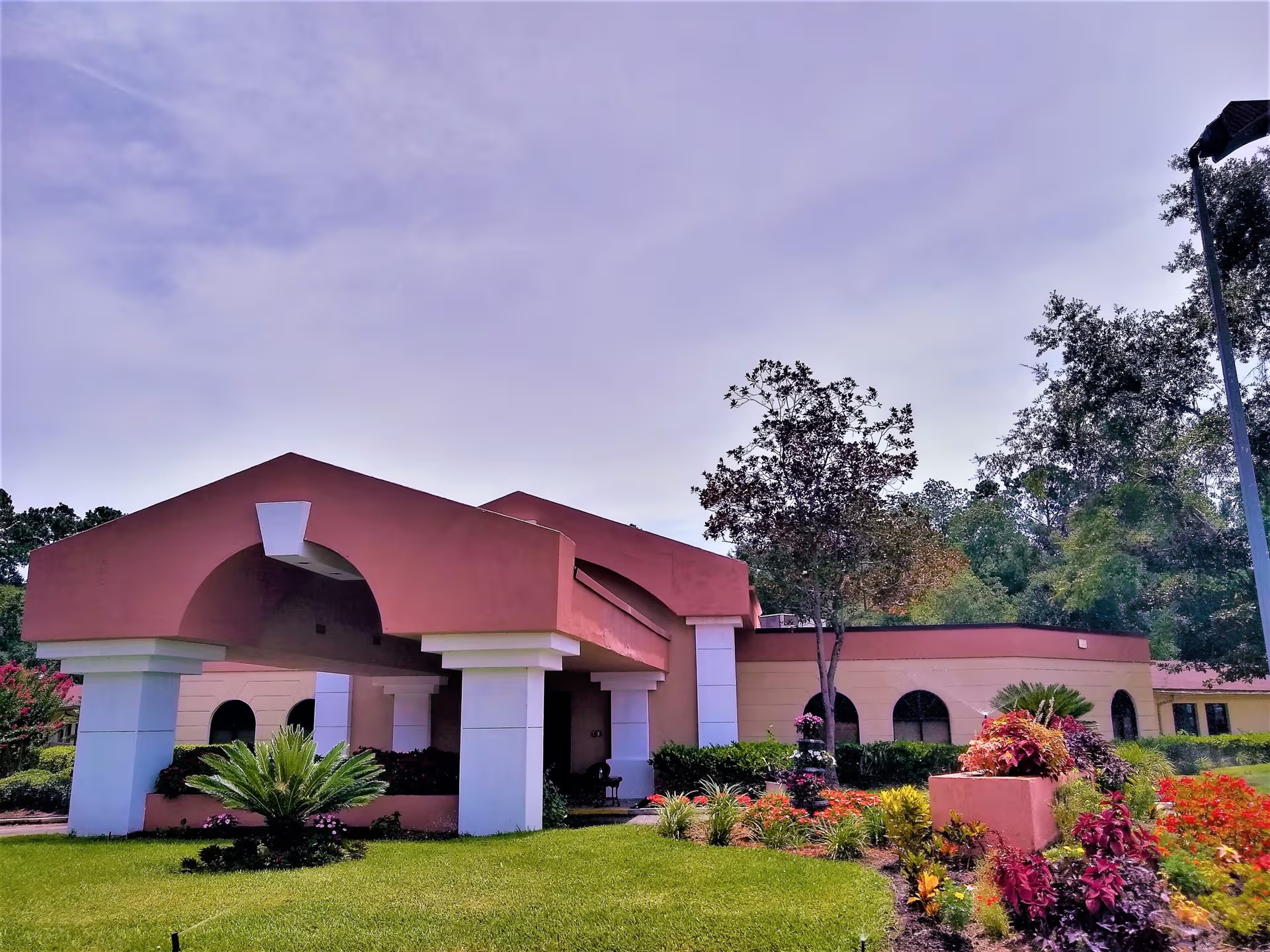
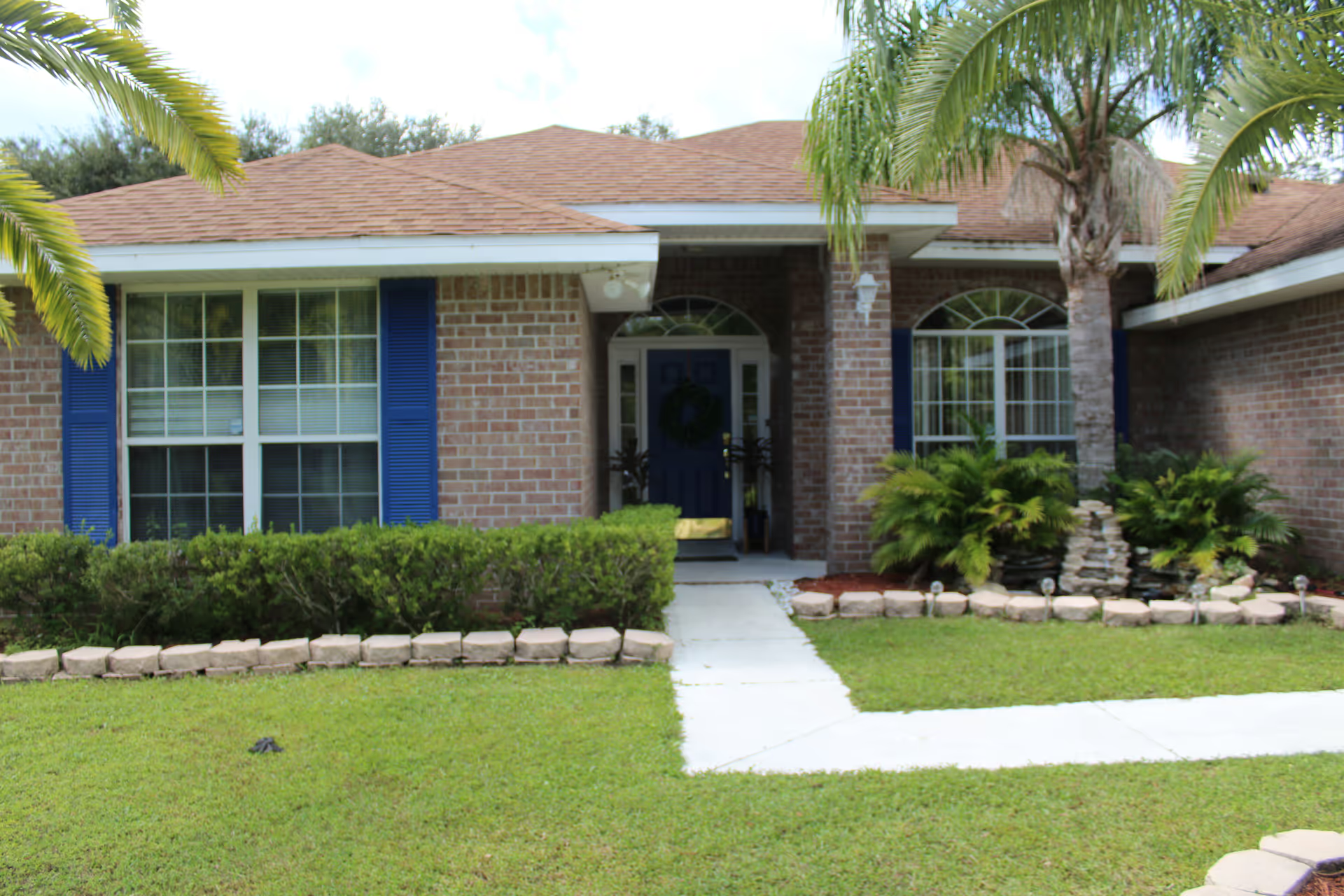
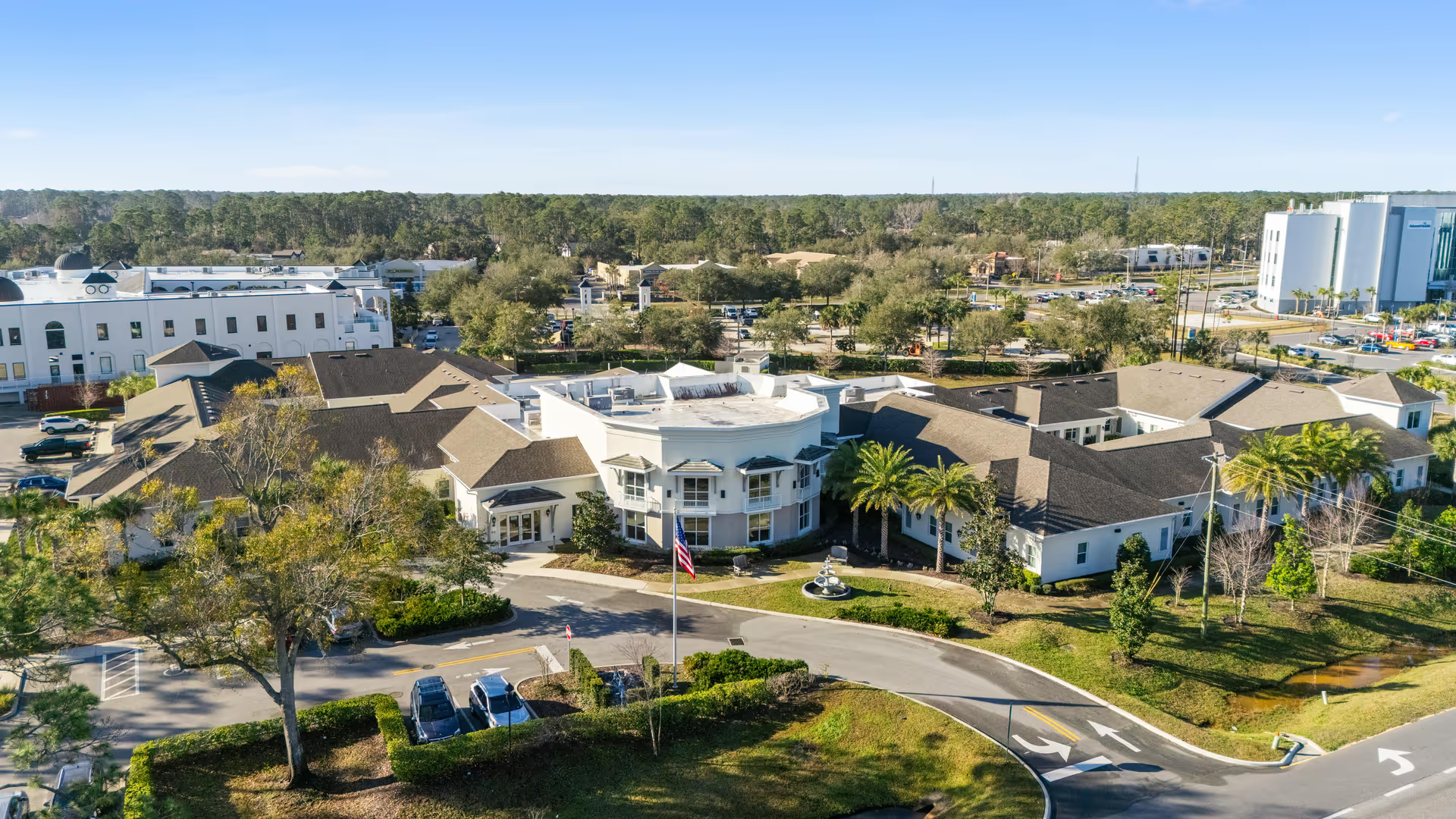
Facility descriptions range from clean, welcoming, and well-kept to concerns about odors, room cleanliness, and building maintenance. Some reviewers note renovations and improvements, while others describe aging areas or maintenance problems. Management feedback is similarly divided: some praise leadership, accessibility, and recent positive changes; others say meetings and written concerns did not lead to timely or visible follow-up. Phone access is another practical concern, with families describing difficulty reaching residents. Reviews span different periods and use prior facility names, so they may reflect changing management and conditions. Families may benefit from an in-person visit and direct questions about the resident’s unit, dining and care plans, communication channels, and procedures for follow-up.