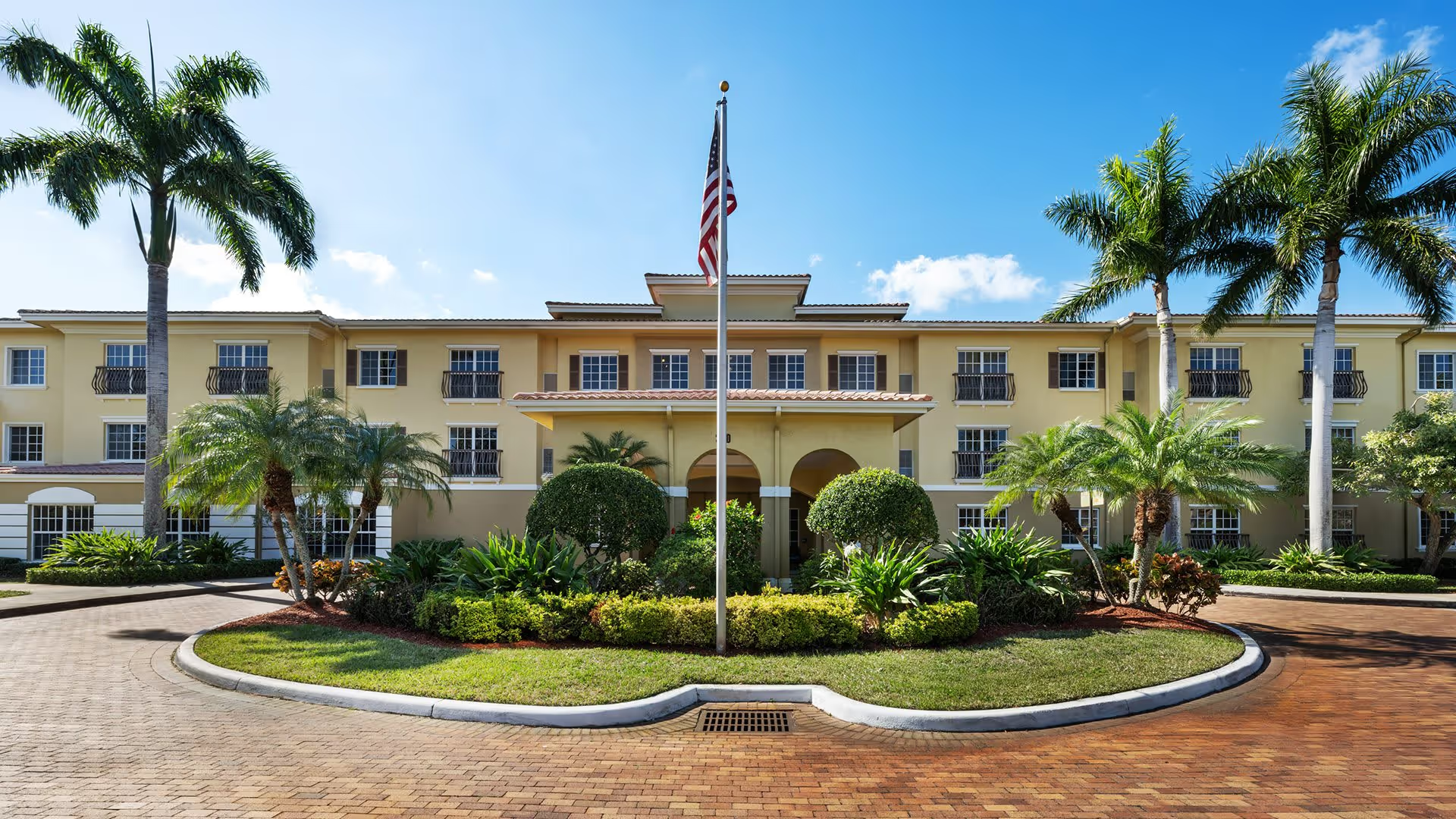
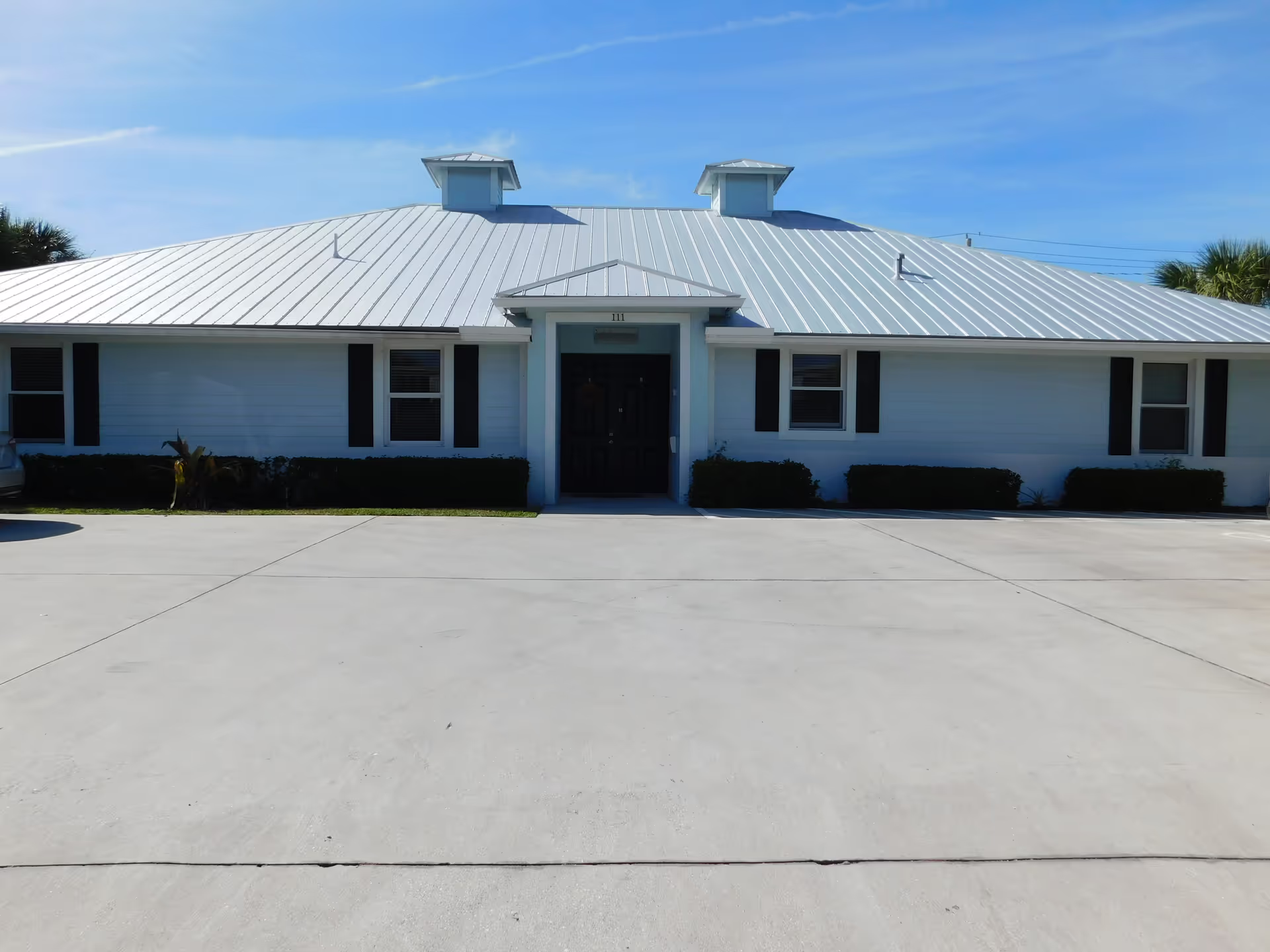
Reviews for HarborChase of Palm Beach Gardens describe a facility with strong amenities and many staff members who are praised for kindness and hands-on attention, alongside recurring operational concerns that prospective families should evaluate closely.
Care quality is described in mixed terms. Numerous families highlight compassionate, attentive caregivers and several named staff who went beyond expectations to assist residents and families. Memory-care programming earns positive notes in many accounts for meaningful activities and structured engagement; however, other accounts indicate variability in how memory care is delivered, including limited outings and activity posting/communication in some units. Clinical strengths cited include on-site specialists and an attentive Director of Resident Care in some reporting, but there are also recurring concerns about medication administration practices, documentation, and gaps in clinical oversight that have contributed to delayed responses and, in at least a few instances, formal complaints to oversight authorities.
Staffing and responsiveness emerge as a central pattern. Positive comments praise specific employees and newer management initiatives that improved warmth, communication, and staff attentiveness. Conversely, reviewers frequently cite inconsistent staffing levels, high turnover among nursing staff, and reliance on temporary contractors, which are linked to delays in attending to calls, inconsistent night monitoring, and variability in basic personal-care routines. Family communication is inconsistent: some families describe proactive, transparent interactions, while others report poor follow-through, difficulty reaching administration, and front-desk handling problems that raise privacy and coordination concerns.
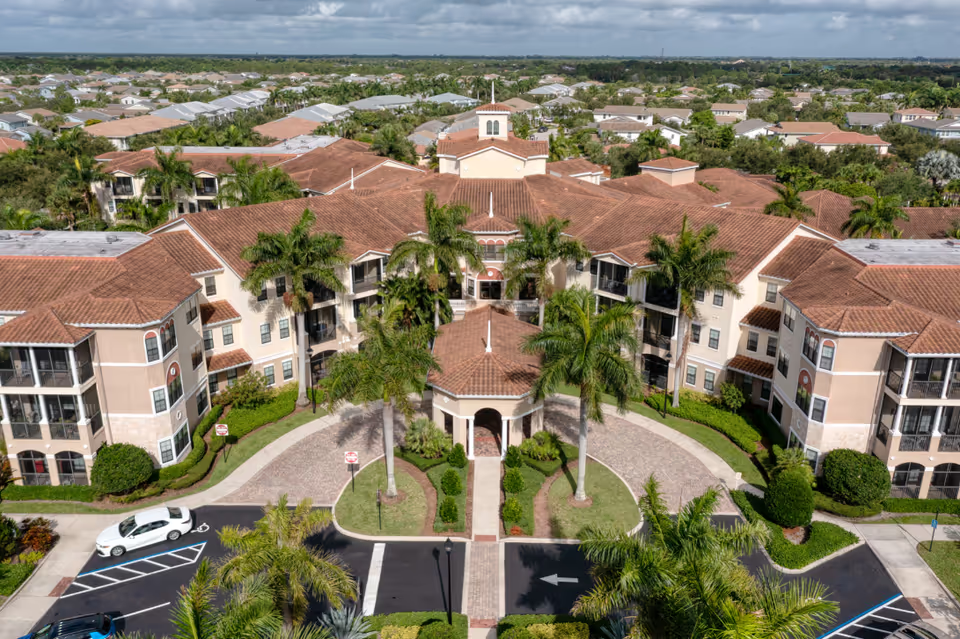
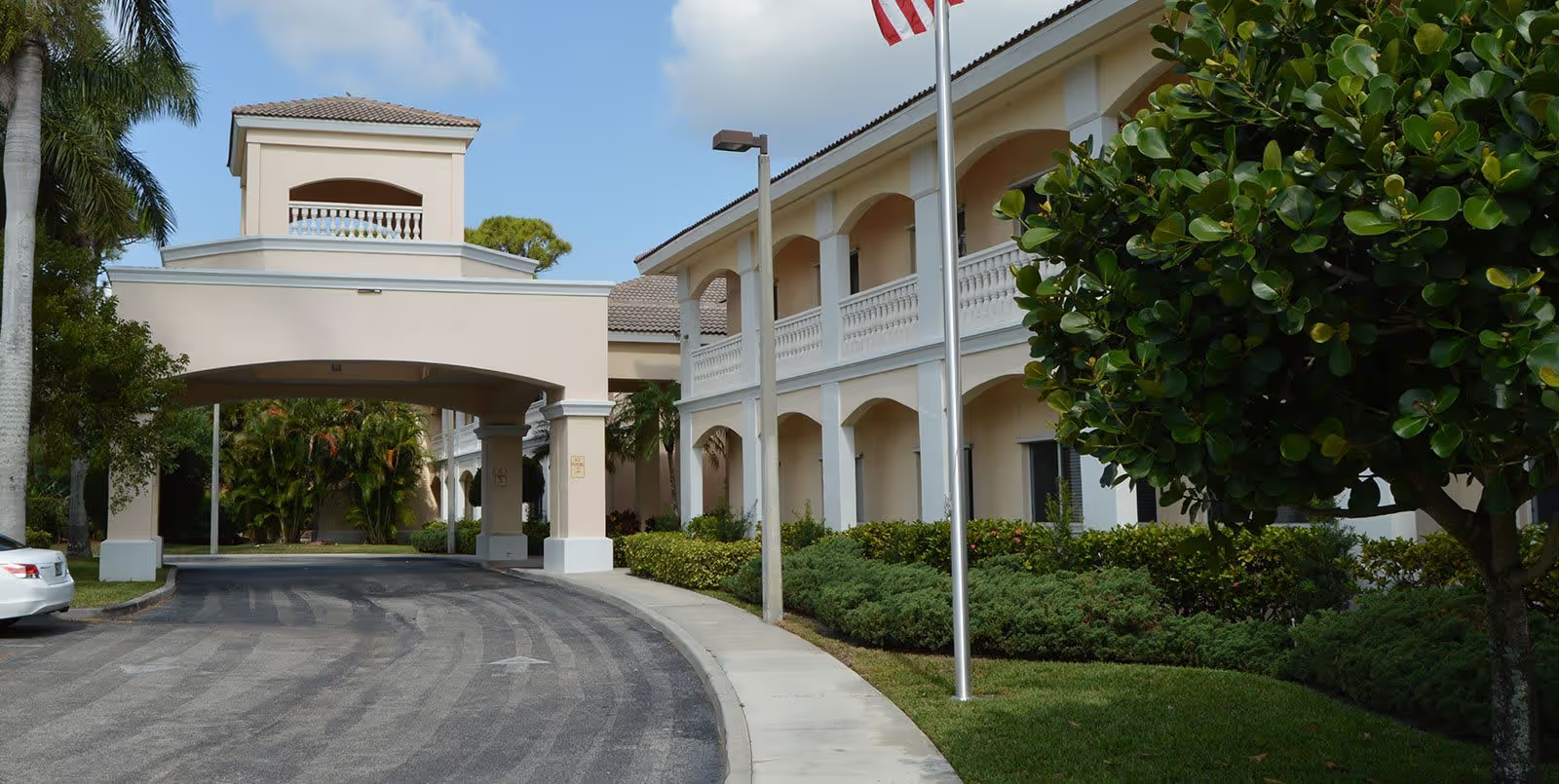
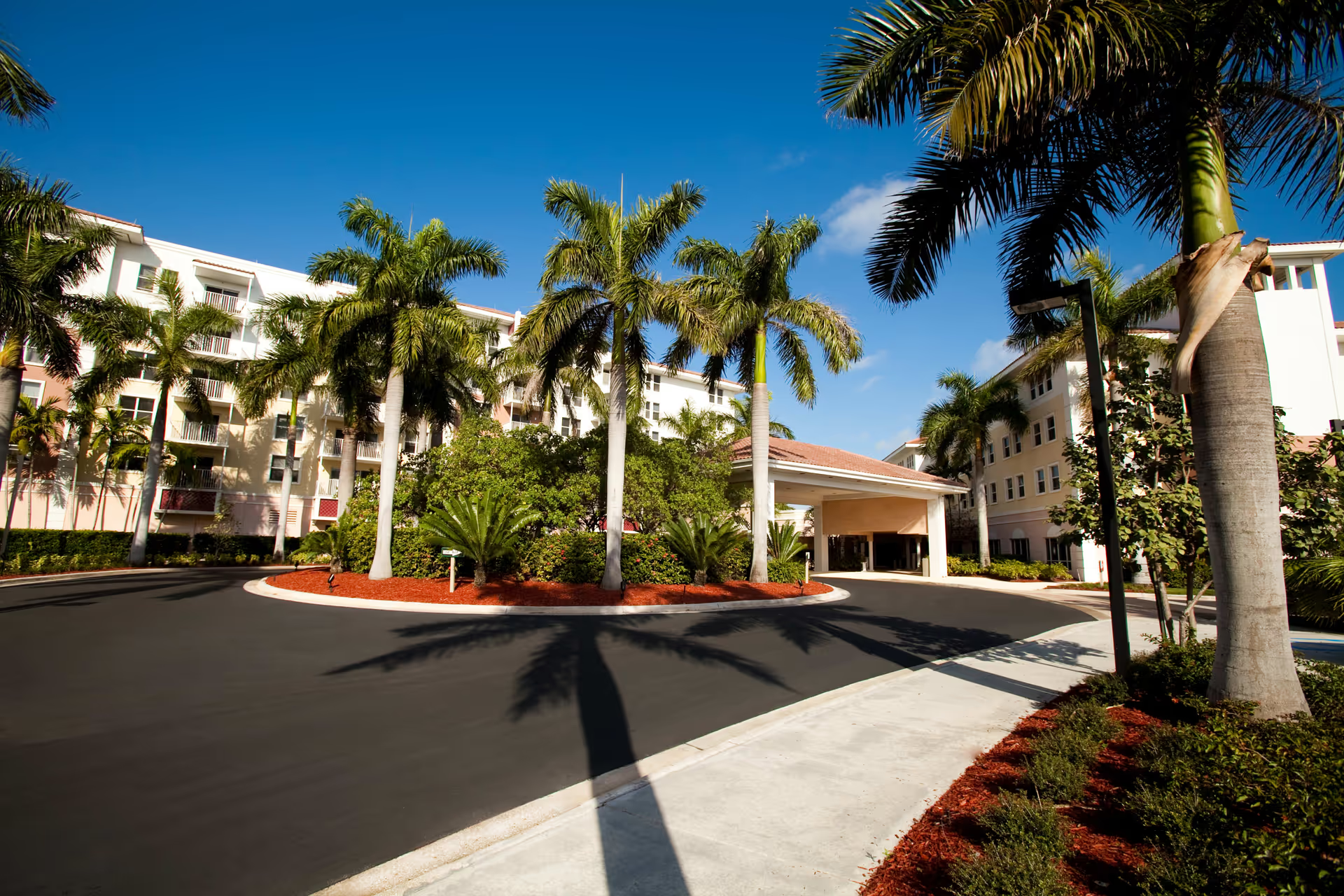
Dining, activities, and facilities are generally seen as strengths. Many reviews emphasize excellent dining with multiple venues, varied menus, and pleasant dining rooms; an active social calendar with entertainment, classes, excursions, and holiday events; and an upscale, well-maintained physical environment with attractive decor and outdoor areas. Maintenance and move-in assistance receive positive mentions. At the same time, there are localized cleanliness and odor concerns reported particularly in some memory-care areas, along with specific housekeeping inconsistencies (for example, linens and incontinence-care protections) that contrast with praise for the facility’s overall appearance.
Management and operational control receive mixed assessments. Some families note visible improvements under new leadership, including better communication and staff engagement. Other accounts describe weak executive follow-through, slow incident escalation, billing disputes, and limited transparency after clinical incidents. Infection-control practices are also a recurring worry in connection with illness events; reviewers cite both policy and execution gaps during respiratory seasons. Pricing is described as high by some families, and a few reviewers felt the value did not match expectations when operational weaknesses were experienced.
Notable overall pattern: experiences are polarized — many families are strongly satisfied and highlight exceptional individual caregivers, robust programming, attractive amenities, and recent leadership improvements; a contrasting subset of reviews describe operational lapses in staffing, medication management, cleanliness within some memory units, and inconsistent communication that materially affected trust. Prospective families should consider an in-person tour, ask specific questions about staffing ratios (especially at night), medication-safety protocols, incident escalation procedures, housekeeping schedules for memory care, infection-control policies, and recent regulatory history to determine whether the facility’s current practices align with their care expectations.