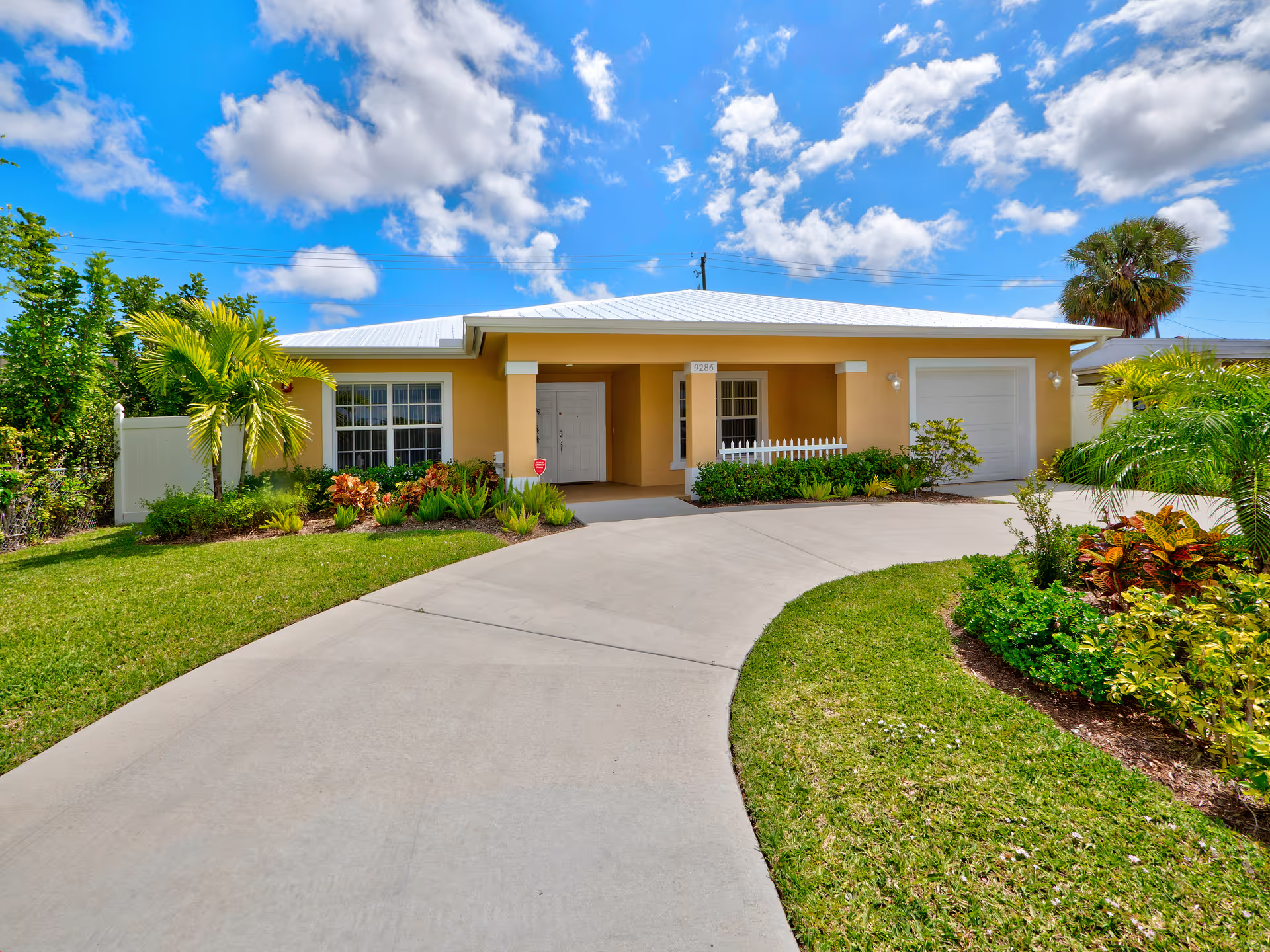
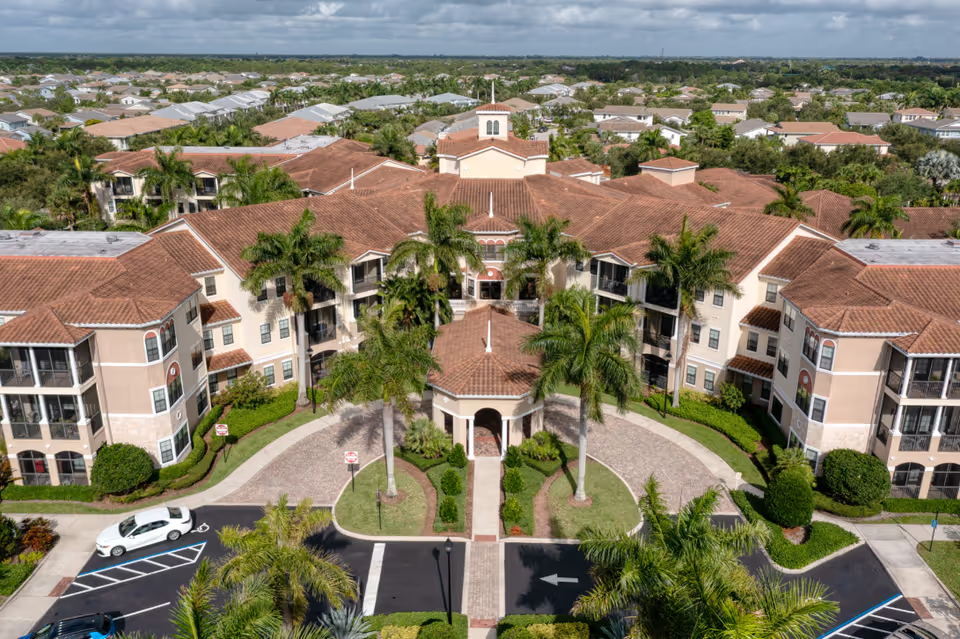
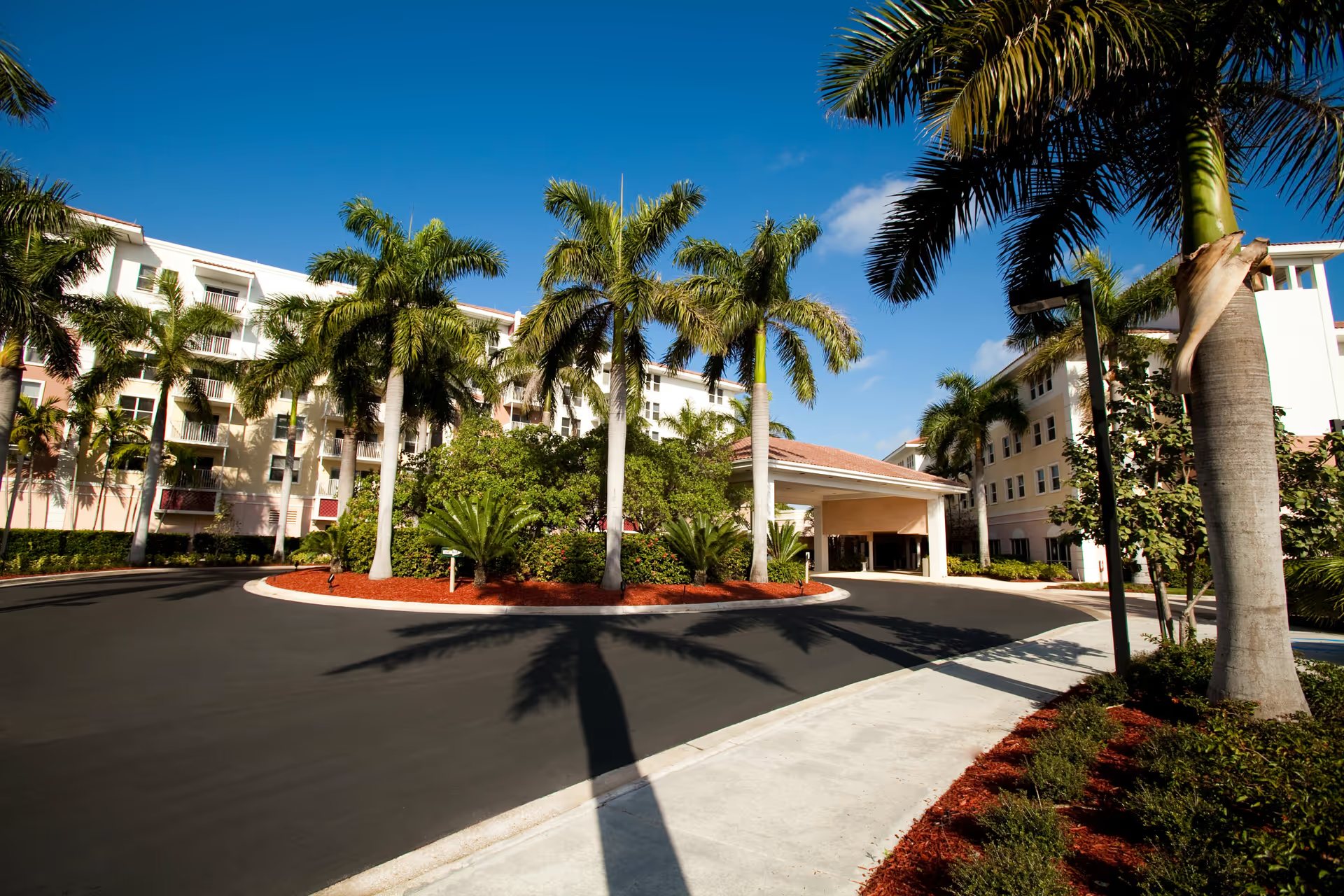
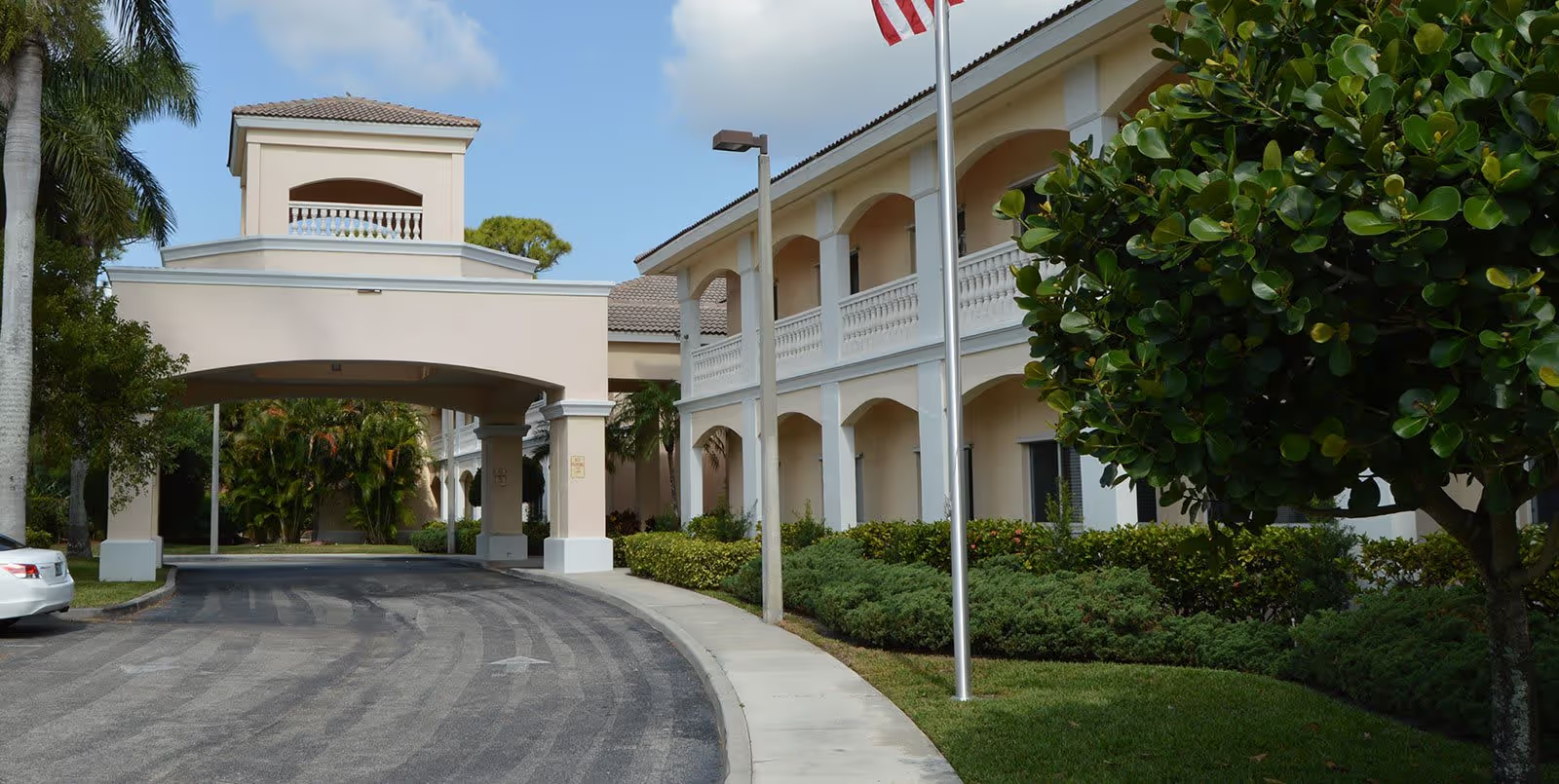
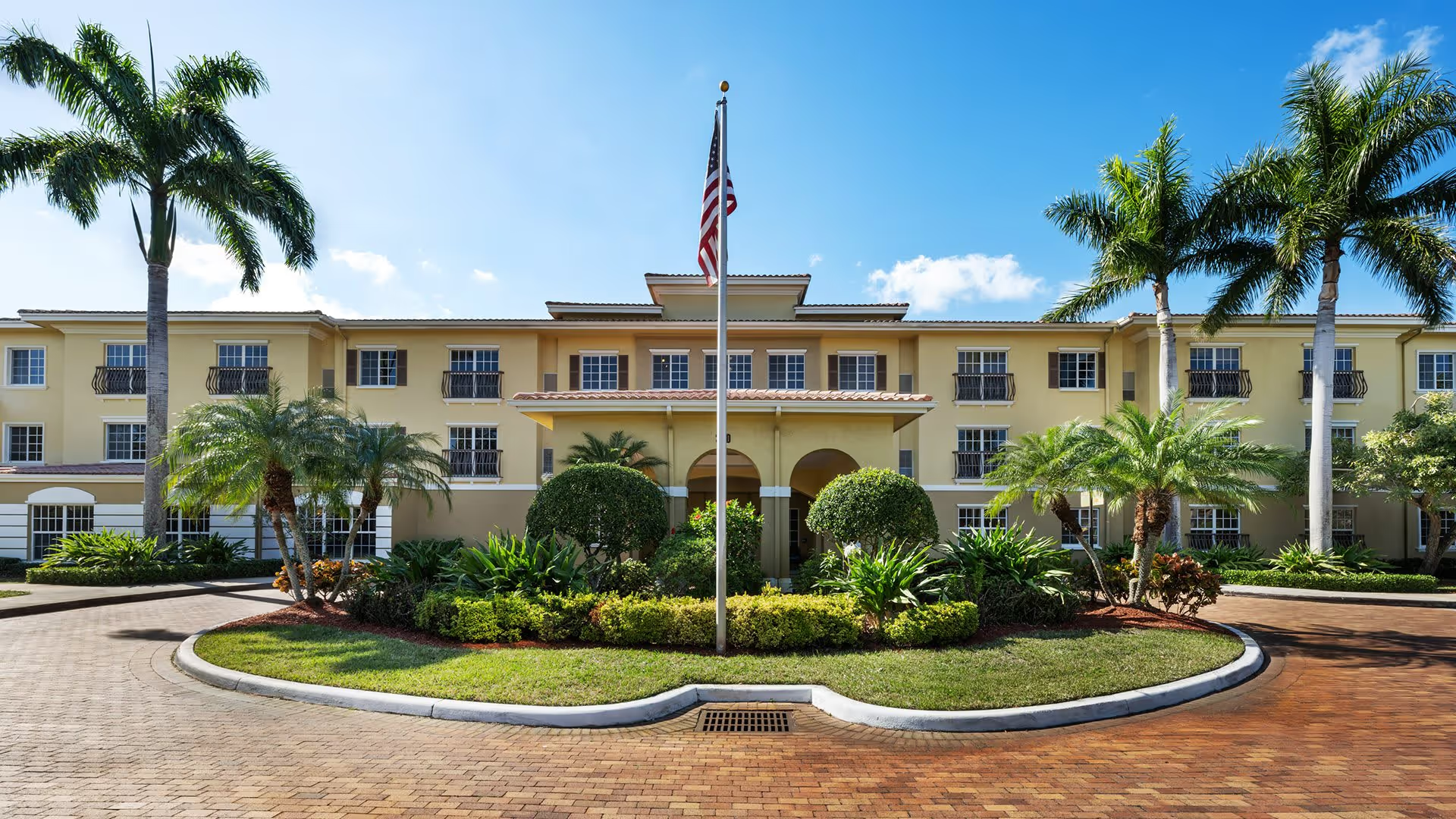
La Posada presents as a high-end continuing care community with many attributes that appeal to residents seeking an active, service-rich lifestyle. Strengths repeatedly cited include extensive amenities (exercise rooms, banquet and multipurpose spaces, golf and pool access), well-kept grounds and landscaping, and a range of apartment types—many of which are renovated and include full kitchens, balconies, and scenic views. The campus is gated and offers multiple dining venues, frequent activities and clubs, and proximity to local retail and services, which together create a socially active environment for independent residents.
Care and clinical services elicit a broad range of experiences. Several accounts praise the rehabilitation program, physical and occupational therapy, and skilled nursing support as excellent and outcomes-focused. At the same time, there are serious concerns from other families about inconsistent clinical performance: delays in response to call buttons, gaps in medication administration and documentation, incontinence-care lapses, and incidents that families described as resulting from inadequate monitoring or transfer-safety practices. There are also a limited number of accounts describing very serious clinical incidents; these constitute material concerns that warrant direct inquiry during a tour and in conversations with clinical leadership and regulators.
Staffing and interpersonal conduct are similarly mixed. Many reviews commend courteous, compassionate, and engaged front-line staff and identify specific administrators and departments for exemplary responsiveness. Conversely, others describe understaffing, perceived roughness or unprofessional conduct by some aides, and variability in front-desk and security interactions. This pattern suggests that day-to-day resident experience may depend substantially on staffing levels, shift coverage, and individual employees.
Dining and hospitality are another area of divergence. Several reviewers describe an elevated, chef-driven dining experience with attractive presentation and flexibility for dietary needs. Others report operational lapses: order inaccuracies, meals missing or limited, and declining consistency in quality or service speed. Housekeeping and apartment maintenance likewise vary by unit—many apartments are clean and well-serviced, but other accounts highlight cleanliness issues, odor concerns, and aging fixtures or HVAC in specific units.
Activities, programming, and community life are consistent strengths. The community offers a wide spectrum of clubs, performances, classes, and outings that support social engagement and mental stimulation. Families often cite the vibrancy of activities and the ease of making friends as major positives.
Management and contractual matters are a recurring source of friction in the feedback. While leadership and some administrators receive praise for problem-solving and proactive measures (particularly during infection-control events), there are also allegations about sales practices, buy-in cost transparency, unexpected fee increases, restrictive access policies, and short-notice discharge coordination. Transportation access and parking logistics are additional operational concerns cited by families.
Recommendation for prospective residents and families: conduct an on-site tour at multiple times of day, request a meal sample, meet nursing leadership and ask about staffing ratios and incident-response protocols, review contracts closely for buy-in and skilled-care coverage, and ask to see a typical apartment (including older and renovated units) rather than a model. Request copies of recent state inspection reports, inquire about turnover and training for direct-care staff, and ask how the community documents and communicates clinical incidents and discharges. Given the polarized feedback, these targeted questions will help determine whether La Posada’s strengths align with an individual resident’s clinical needs and lifestyle expectations.