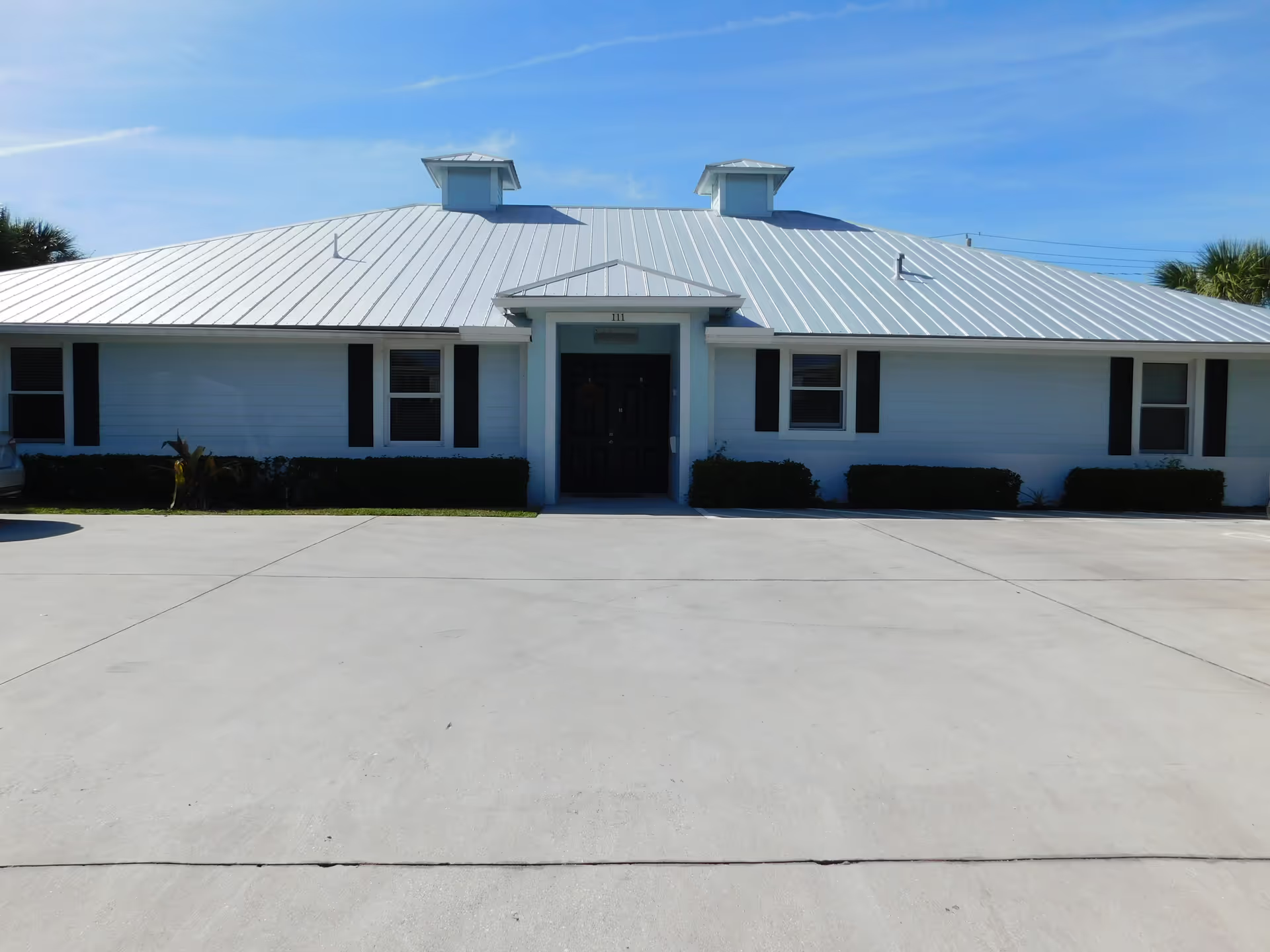
The Gardens Court elicits strongly mixed impressions. Many families and residents describe a high-quality rehabilitation and hospice environment: skilled physical, occupational and speech therapy staff are repeatedly praised, and several accounts note punctual, effective therapy sessions that support functional recovery. Nursing and caregiving staff are frequently described as compassionate and attentive, with particular staff members and CNA teams singled out for positive, individualized care. The facility’s physical environment is often characterized as clean, bright and hotel-like, with private rooms available, an outdoor courtyard, engaging activities, café/chef-prepared dining options, and a pet-friendly policy.
Despite these positives, reviewers describe consistent operational patterns that undermine care reliability. Understaffing and inconsistent staffing across shifts and floors are recurring concerns; families report delays in responding to call bells, restroom assistance, and bathing. Staff conduct and professionalism are reported as variable between day, night, and weekend shifts, and between units, which creates uneven resident experiences. Clinical-process weaknesses are also noted: gaps in medication management and communication, inconsistencies in wound/dressing care, irregular personal-care schedules, and problems with transfer and mobility-assistance practices.
Dining and activities receive both praise and criticism. The facility’s dining program and café are described as strengths by many—fresh, chef-prepared options and a pleasant dining environment are cited—yet some reviewers describe poor meal quality, cold or incorrect meals, and frequent substitutions. Activities and social programming are generally regarded as positive contributors to resident quality of life, with daily engagement and holiday events highlighted.
Facility appearance and management responses are similarly mixed. The building and public areas are often described as well maintained and pleasant, but some rooms and certain units are described as dated or in need of maintenance and better wayfinding. Administrative responsiveness varies: some families report regular care-plan meetings and clear, helpful communication from administration and clinical leaders, while others describe slow or inadequate follow-up on complaints, confusion during admissions and discharges, and inconsistent resolution of issues. A small number of reviews include serious allegations and concerns following critical incidents; those concerns suggest the importance of independent verification when assessing safety and clinical oversight.
Notable patterns for prospective residents and families: the facility appears to be strong for rehabilitation-focused short stays and for families who value proactive therapy teams and individualized hospice support. However, variability in staffing, clinical consistency, and night/weekend coverage may affect long-term placements or residents with higher care needs. Visitors considering Gardens Court should observe staffing levels across shifts, inquire specifically about medication and wound-care protocols, review recent incident resolution and complaint-handling processes, and confirm how the unit of placement (short-term rehab versus long-term care) is staffed and supervised. An on-site visit and direct questions to therapy, nursing leadership, and administration can help determine whether the facility’s strengths align with a prospective resident’s needs.