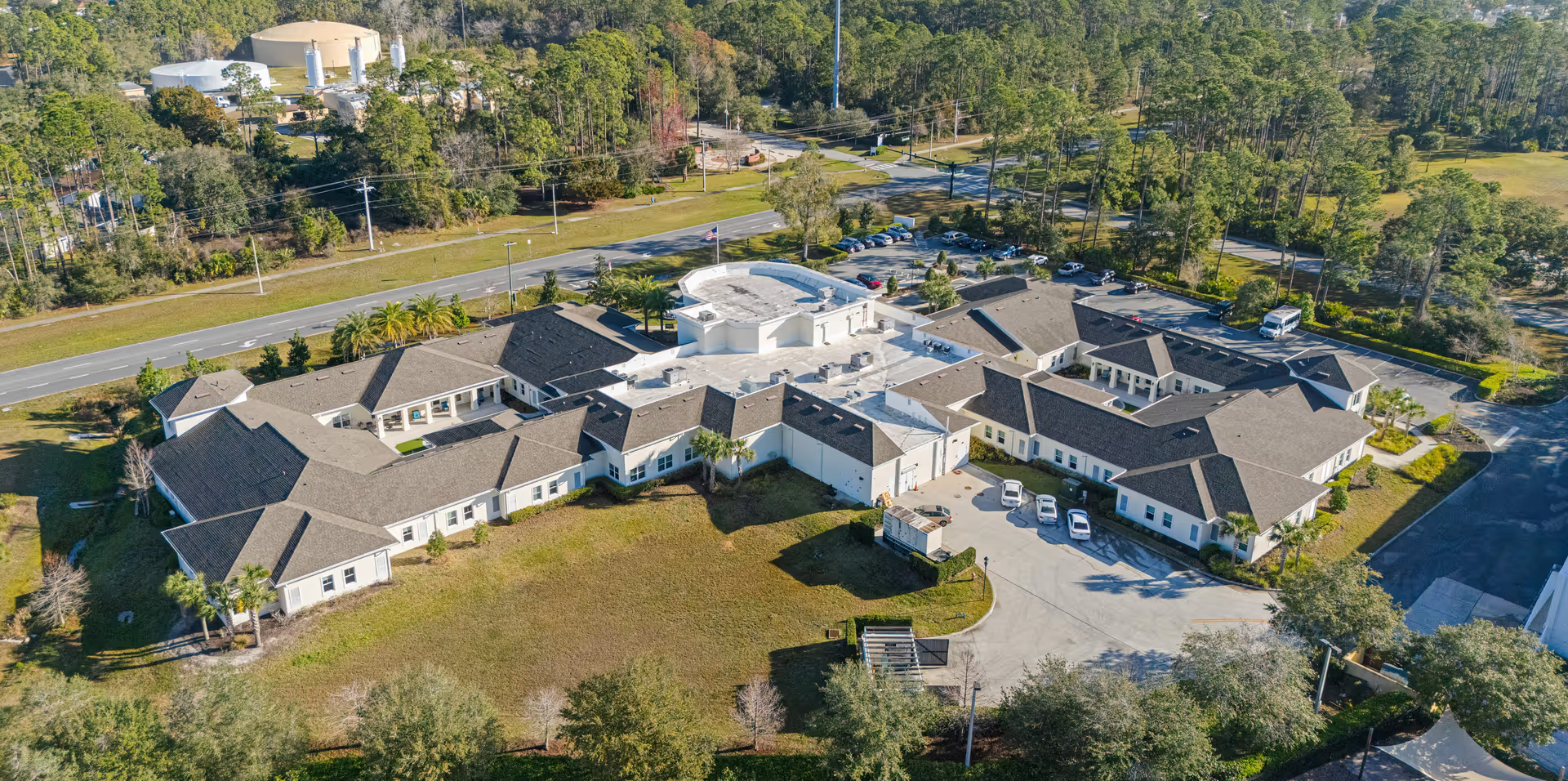
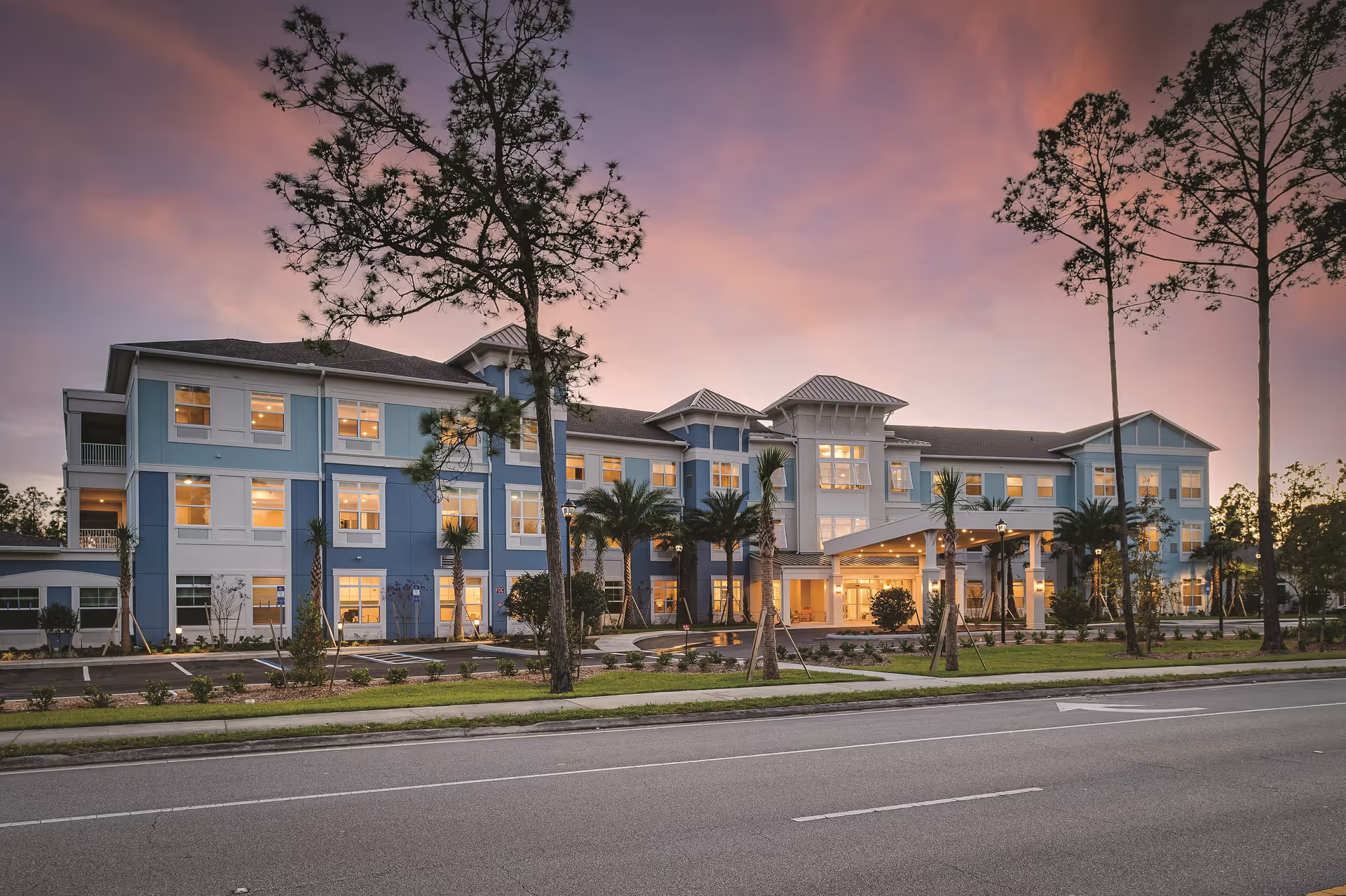
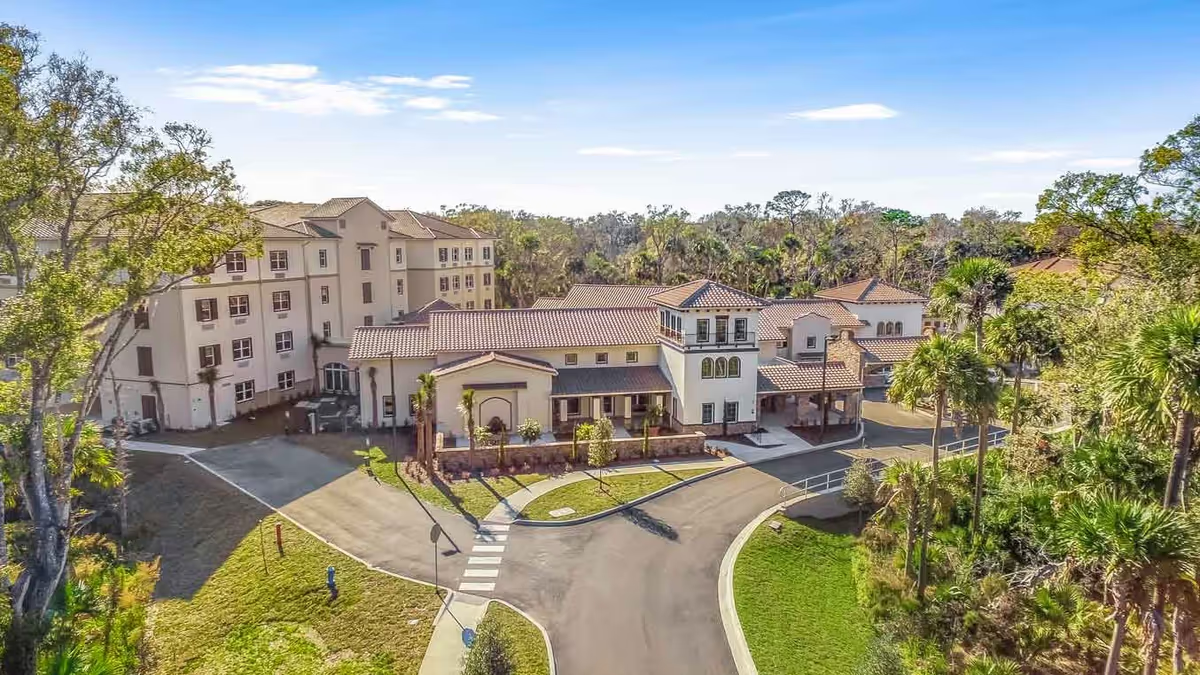
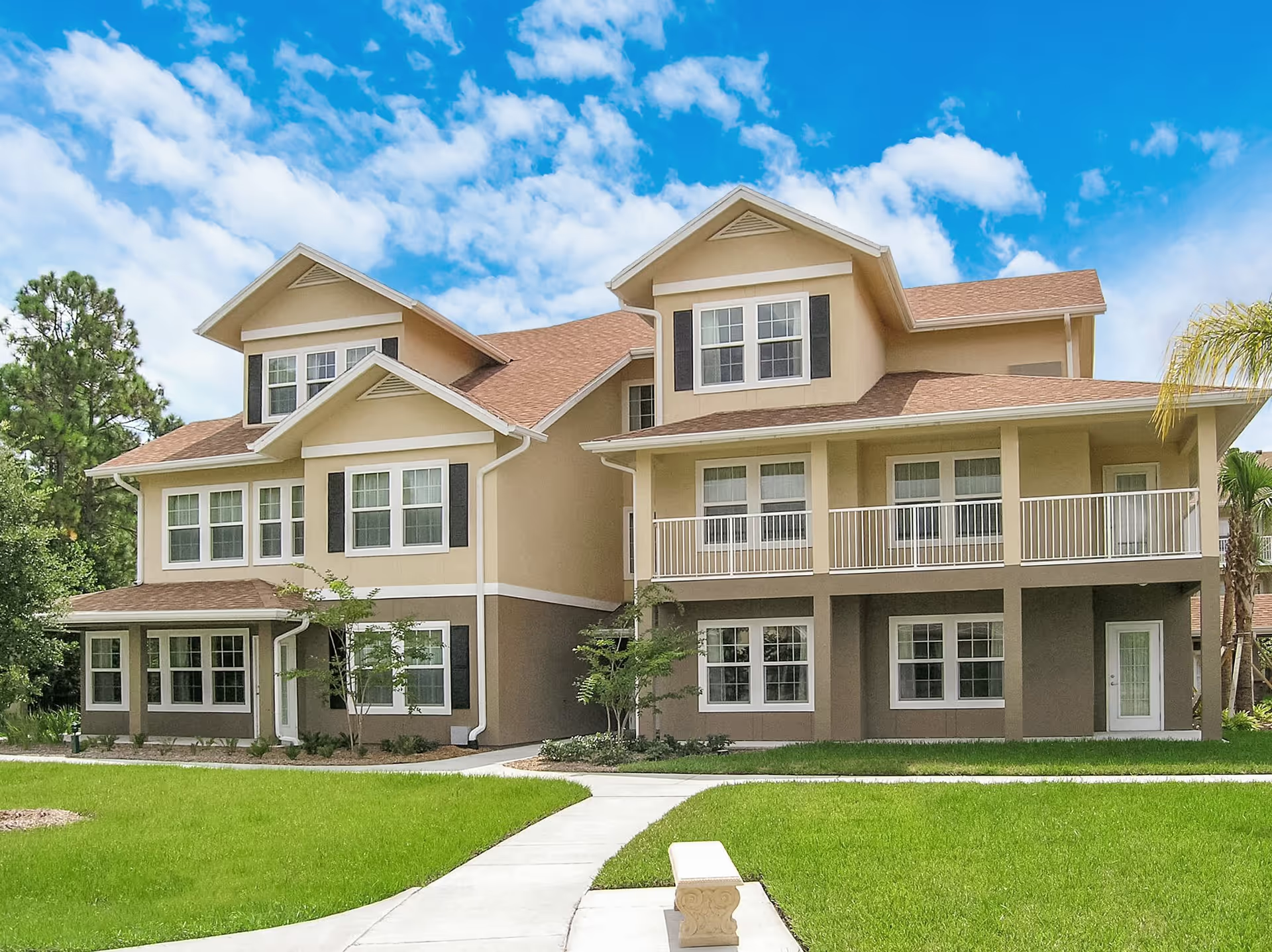
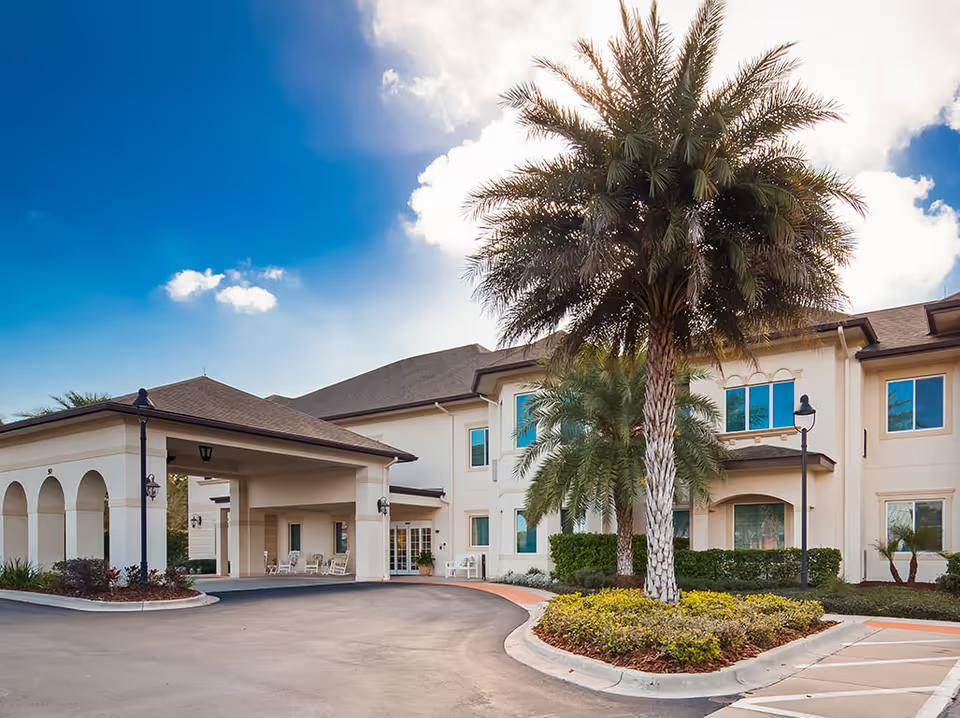
HarborChase of Palm Coast is consistently described as a newly built, upscale community with modern, hotel-like finishes and an extensive set of amenities. Many families and visitors praised the grounds, spacious and well-appointed rooms, multiple common areas (movie theater, activity rooms, salon, courtyard), and the restaurant-style dining environment. The on-site rehabilitation and therapy teams receive positive mentions for skill and advocacy, and several accounts highlight helpful placement and community-relations staff who facilitate moves and communications.
Care and clinical services present a mixed picture. A substantial number of reviewers describe attentive, empathetic caregiving and individualized memory-care programming, with staff who learn residents’ names and provide consistent updates to families. Conversely, there are repeated accounts indicating inconsistent care quality across shifts, including delays in bathing and dressing assistance and concerns about medication administration. These reports point to gaps in medication-management controls and inconsistent personal-care responsiveness rather than a single type of failure; prospective families should therefore verify medication-safety protocols, staffing ratios, and clinical oversight during a tour.
Staff and management impressions are similarly polarized. Numerous reviews praise specific leaders and front-line staff for responsiveness, compassion, and effective communication. At the same time, other reviews describe high staff turnover, leadership changes, and episodes of poor supervision or unprofessional conduct. These contrasts suggest variability tied to management stability and staffing levels. There are also comments about internal culture issues such as favoritism and drama, and a small number of serious claims (including allegations of theft and property mishandling) that merit further inquiry by families and regulators as appropriate.
Dining and activities receive mixed marks. The facility’s dining rooms and private dining options create an upscale atmosphere that many residents enjoy, and therapy-supported meal plans have helped some residents regain weight and appetite. However, food quality and service consistency are uneven in multiple reports—examples include slow service, cold plates, and limited snack-bar choices. Programming ranges from robust, engaging activities and outings to accounts that memory-care programming lacks sufficient cognitive stimulation; activity quality appears to vary by unit and by staffing on any given day.
Facilities, accessibility, and equipment are generally strengths: the building is new, interiors are well maintained, and outdoor walking areas are pleasant. Practical gaps are noted, however—some reviewers observed missing transfer-assist equipment (for example, no Hoyer lift), limited two-bedroom availability, small in-room refrigerators, occasional sanitation or odor concerns in particular areas, and parking limitations. These operational details can materially affect residents with higher care needs and should be checked during an in-person assessment.
Notable patterns emerging from the reviews are the degree of variability in experience and the polarization of opinions. Many families report excellent outcomes and high satisfaction; a smaller but consequential group reports clinically significant lapses and management problems. For prospective residents and families, recommended next steps include multiple tours (including off-peak times), direct questions about staffing ratios and turnover, review of medication-management and transfer protocols, observation of mealtimes and activities, and clarification of move-in practices and financial policies. This will help balance the facility’s clear physical and programmatic strengths against the operational inconsistencies that some reviewers have identified.