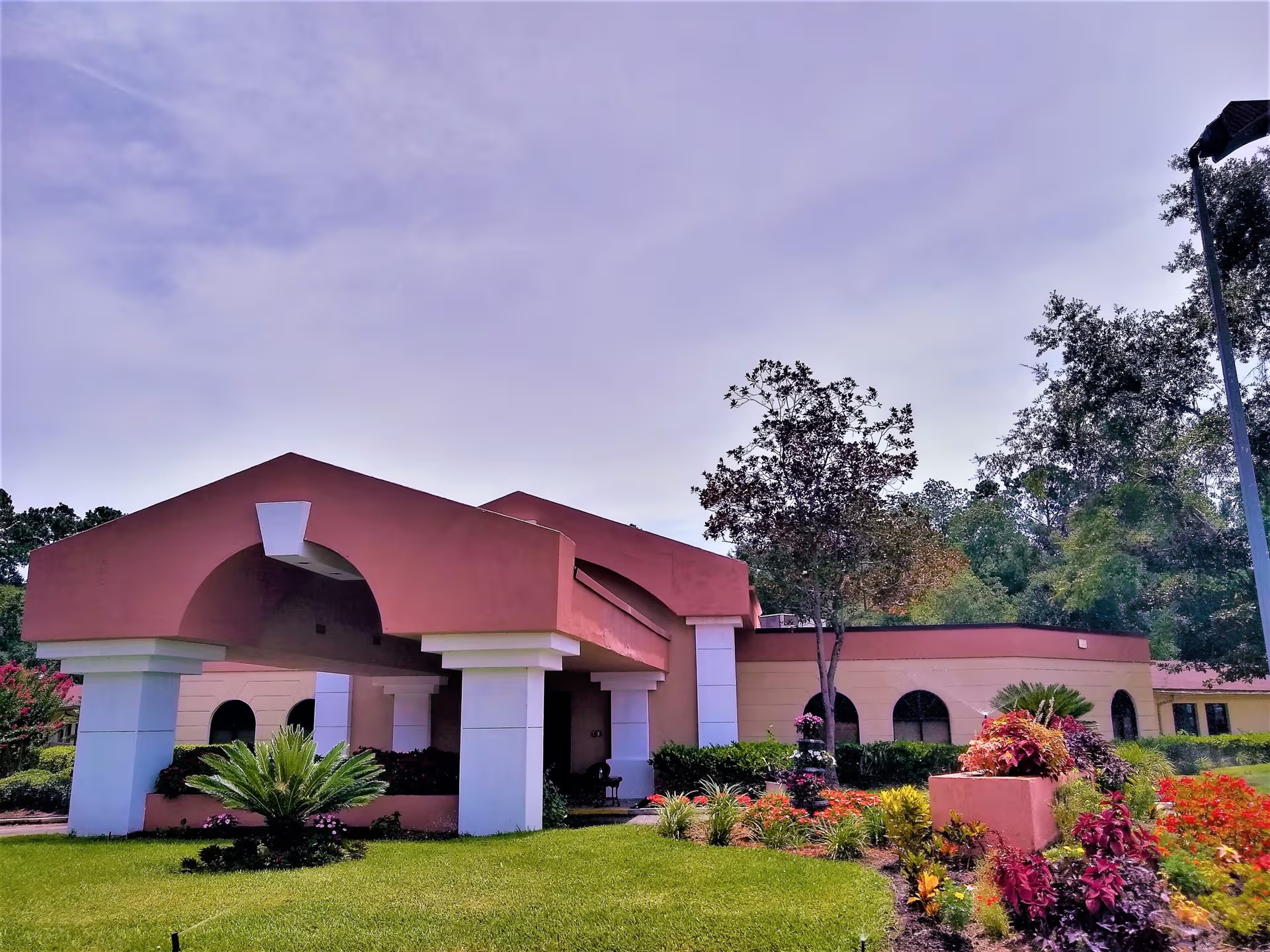
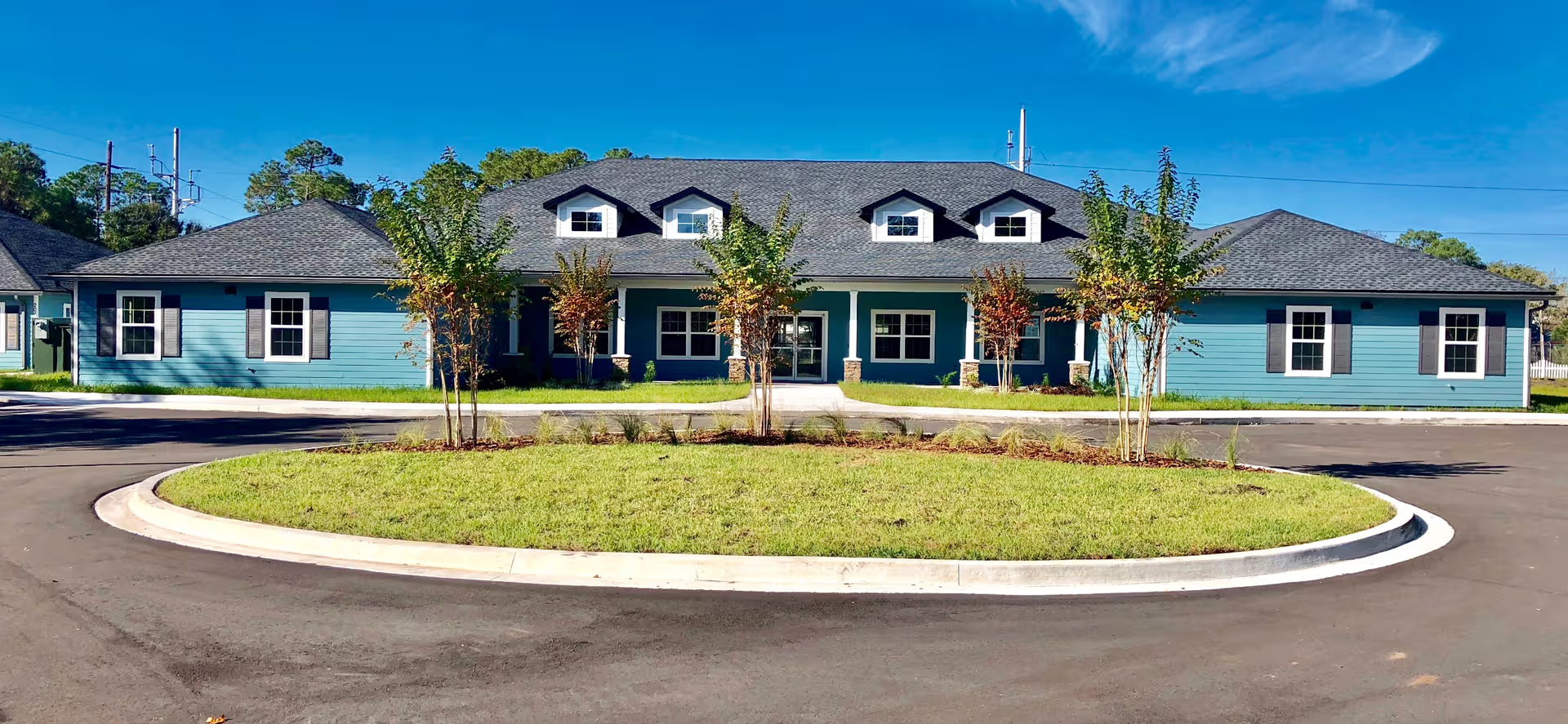
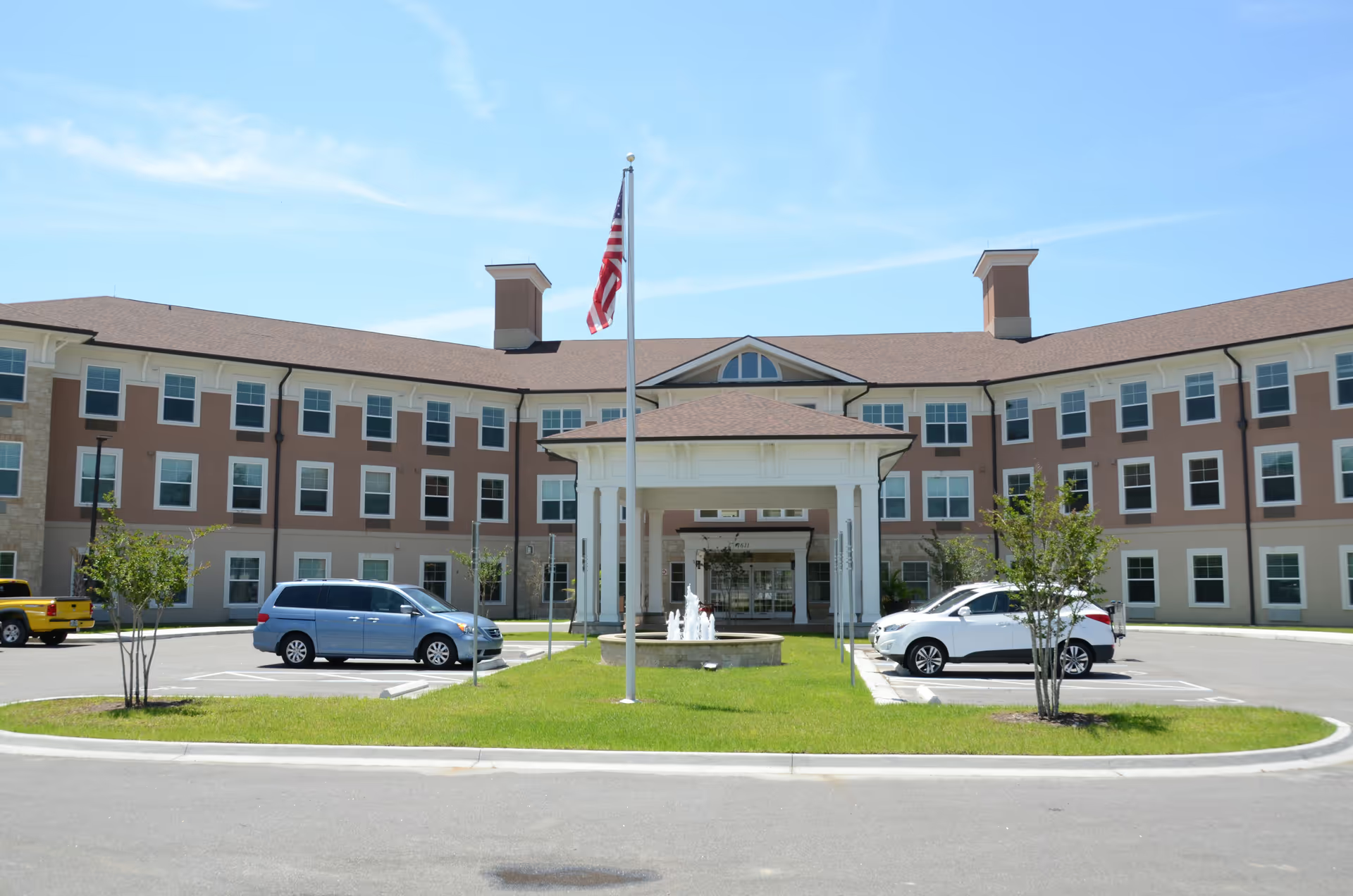
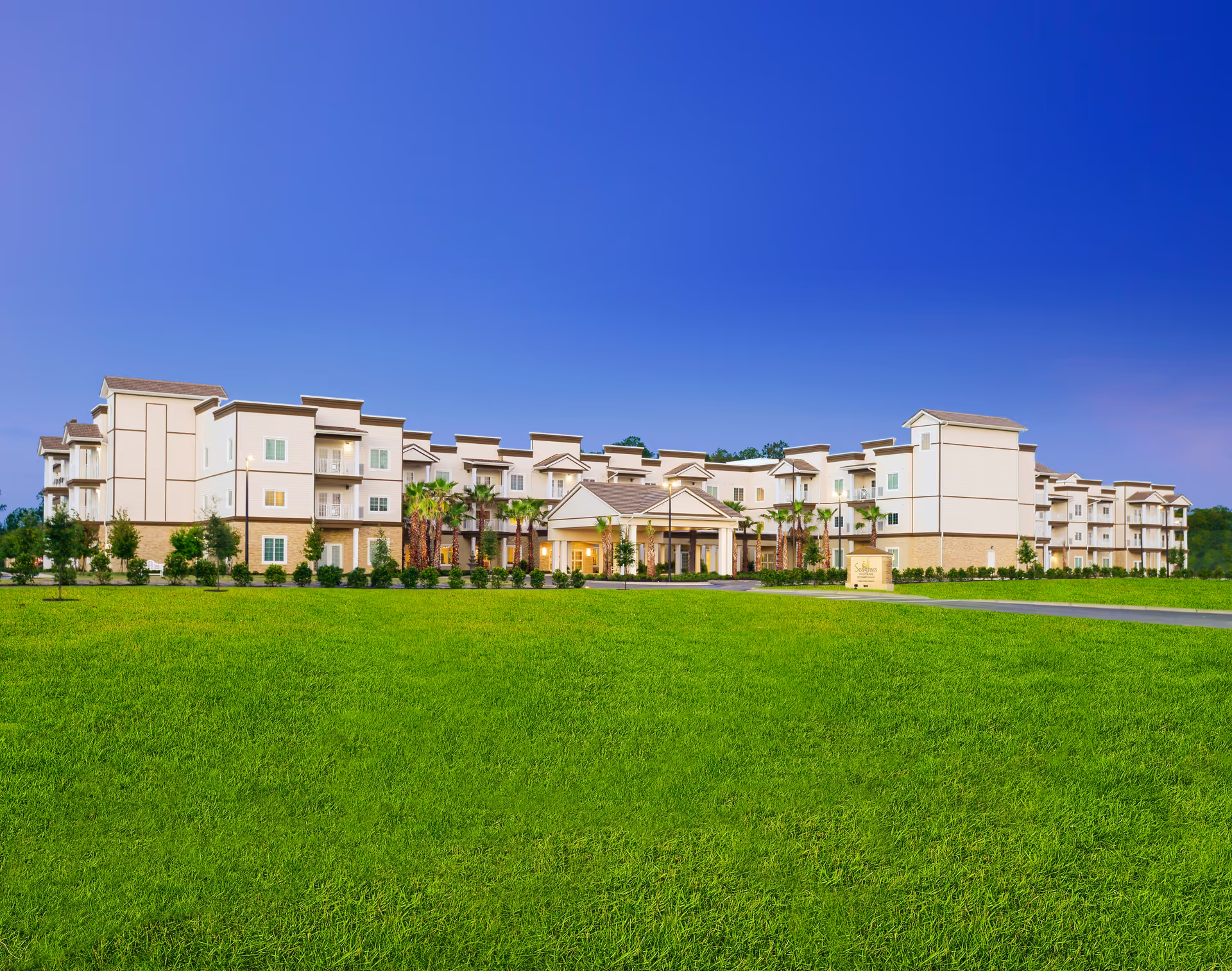
Penney Retirement Community presents as a large, campus-style nonprofit retirement community with an extensive set of amenities and a visible continuum of clinical care. Reviewers consistently describe a warm, resident-centered culture supported by caregiving teams who are attentive and personable; the community provides 24-hour nursing and on-site clinical services, plus regular physical, occupational and speech therapy. The operational model supports flexible transitions between independent, assisted, and skilled nursing care, which is useful for residents expecting changing care needs over time.
Staff and care quality are repeatedly highlighted as strengths. Visitors and family members describe staff as kind, helpful, and engaged; administration and direct-care personnel receive frequent praise for responsiveness during shifts and for establishing a homelike atmosphere. The community also markets itself as a desirable place to work, which corresponds with comments about staff dedication and low turnover in some areas.
Dining and food service show mixed impressions. The facility offers multiple dining formats (formal dining room with notable architecture and buffet/cafeteria options) and many reviewers praised the variety and nutrition of meals. At the same time, others expressed dissatisfaction with specific meal presentations or a particular lunch experience. The overall pattern suggests generally good food with occasional inconsistencies in preparation or presentation; prospective residents should sample meals and ask about menu rotation and dining management.
Activities and programs are extensive and a clear selling point. The community supports an active lifestyle through a comprehensive roster of arts and hobby spaces (woodworking, stained glass, painting, quilting, a model train building), fitness and aquatic programs, educational classes, organized volunteer opportunities, religious services and Bible studies, and social events such as festivals and parades. Resident involvement in programming and governance is emphasized, creating an active, engaged population with many peer-led options.
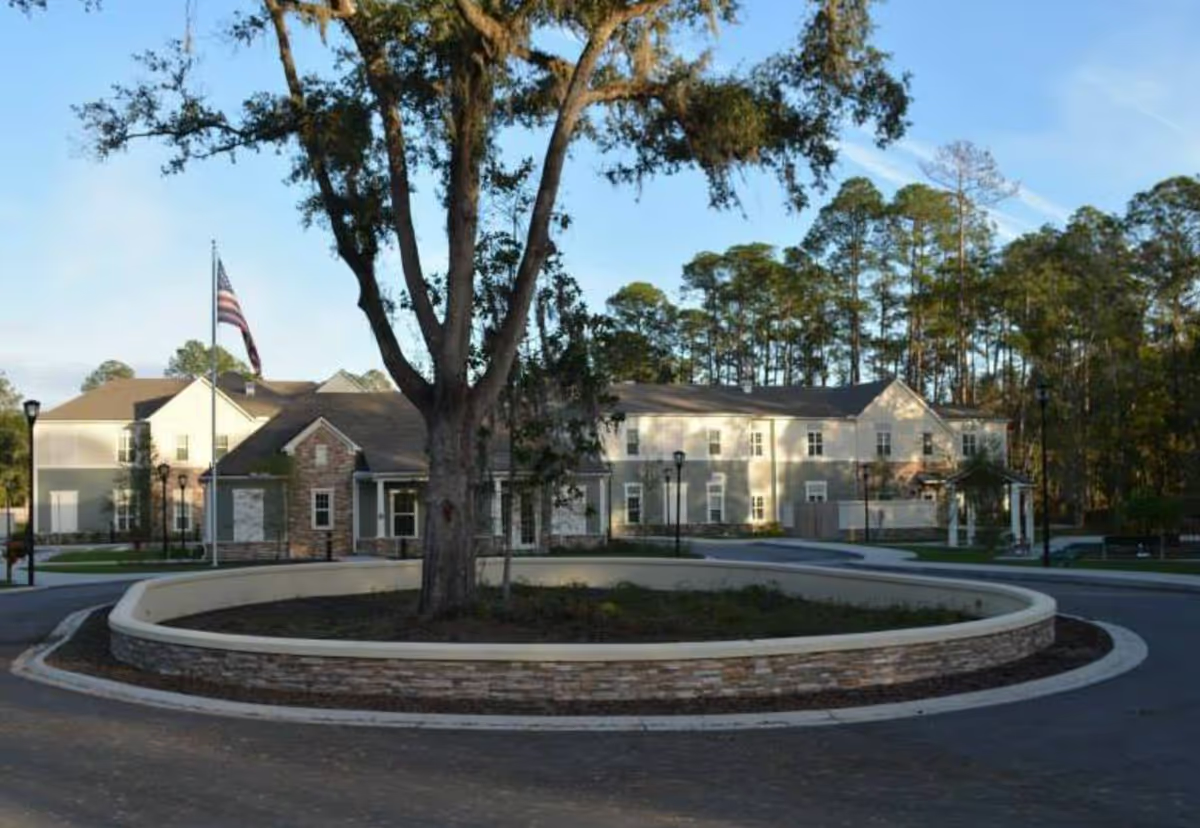
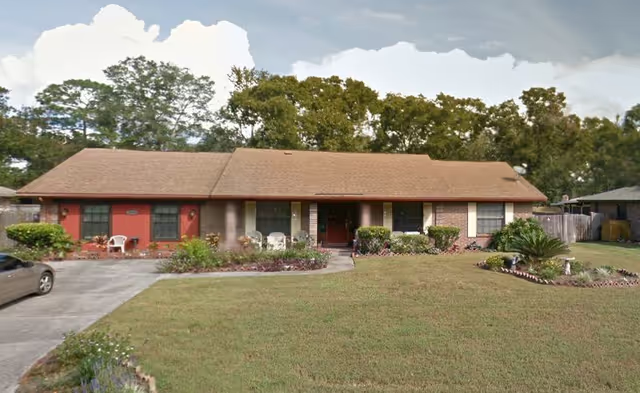
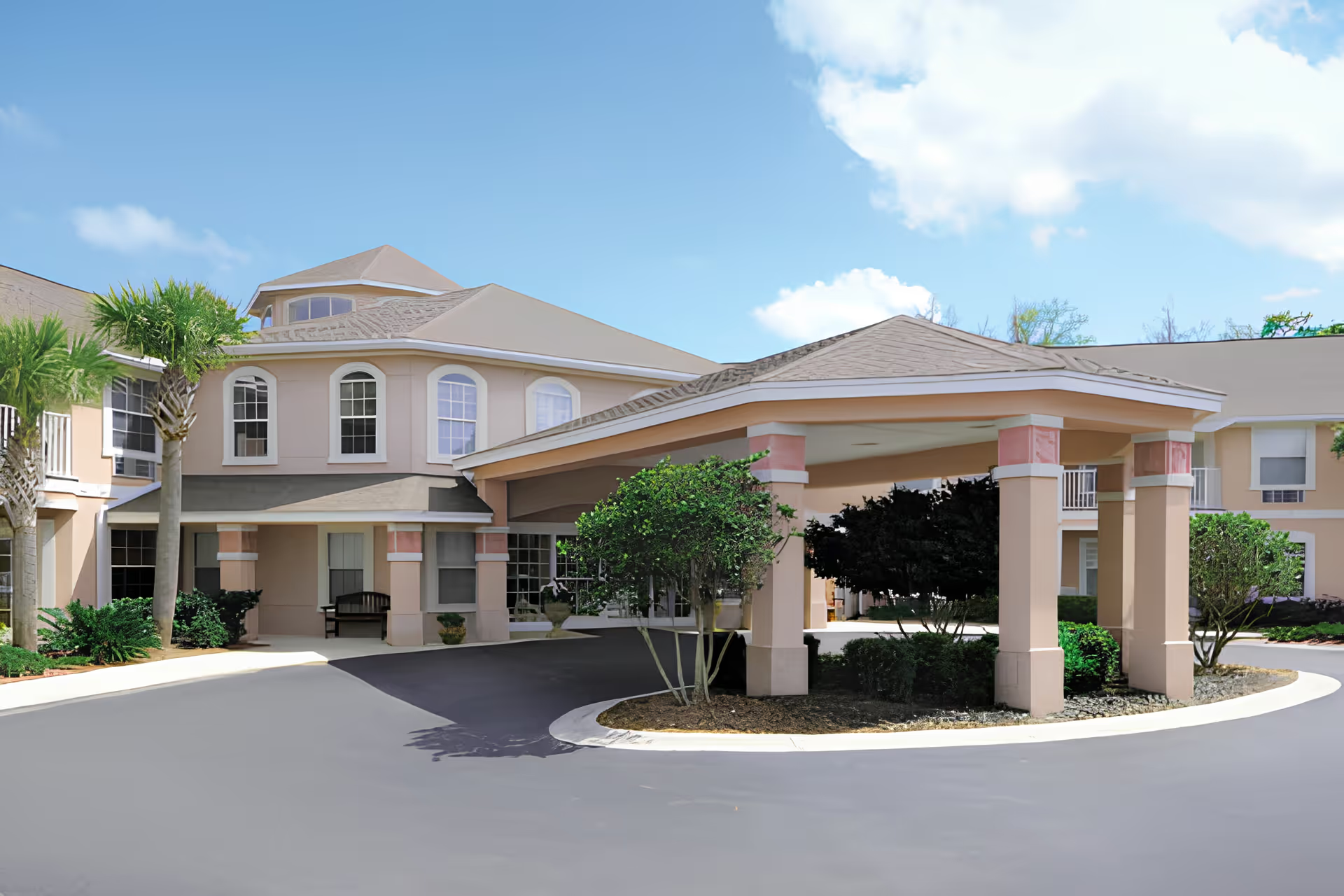
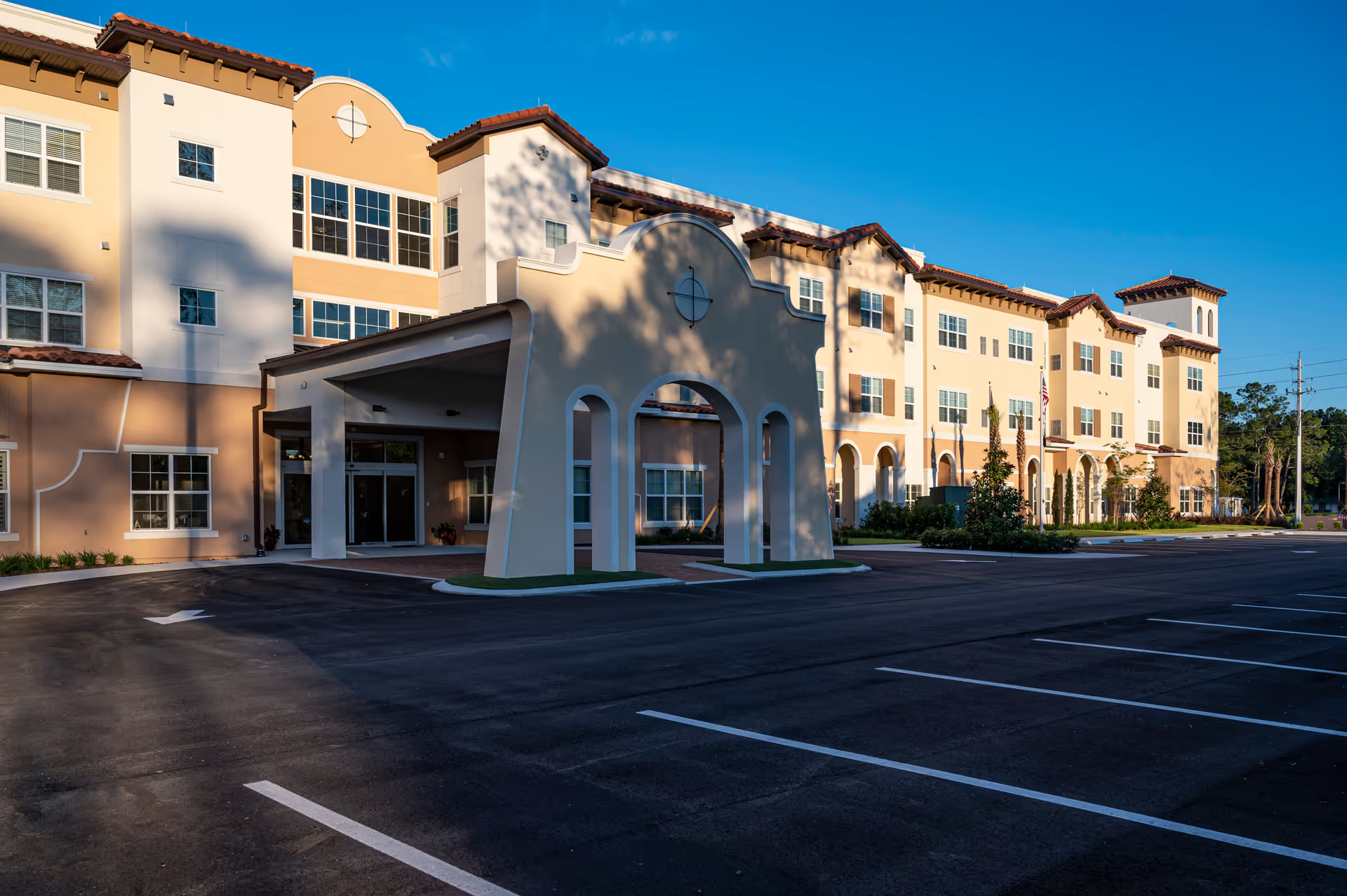
Facilities are expansive and well maintained. The campus is described as attractive and landscaped across roughly 200 acres, with a broad mix of housing types (cottages, duplexes, apartments) and guest accommodations. On-site town-style amenities — post office, bank, salon, grocery-style services, coffee shop, and resale store — contribute to a small-town feel. Recreational assets include a large heated indoor pool, a 9‑hole golf course, fitness center, library, and classroom spaces. The nonprofit status and private ownership are noted as organizational features that influence governance and pricing.
Notable operational patterns that merit attention include communication and amenity-access issues. Multiple comments indicate intermittent lapses in phone or email responsiveness and isolated instances of amenities being closed or having limited hours; these point to variability in operational consistency rather than a pervasive failure of services. Transportation availability and the campus' rural location were also raised as drawbacks: residents who rely on frequent off-campus access should evaluate transportation options carefully. Finally, cost perceptions vary—while nonprofit status provides some financial advantages, several reviewers described the community as expensive; prospective residents should request a detailed fee schedule and inquire about what is included.
Overall, Penney Retirement Community is portrayed as a well-resourced, community-oriented option with strong clinical supports and a rich activity program, suitable for older adults who value an active, faith-friendly, arts-oriented environment and who may require a predictable care continuum. Visitors and decision-makers should prioritize direct assessment of meal service, confirm amenity hours/availability, and verify transportation arrangements and current pricing to ensure alignment with individual needs and expectations.