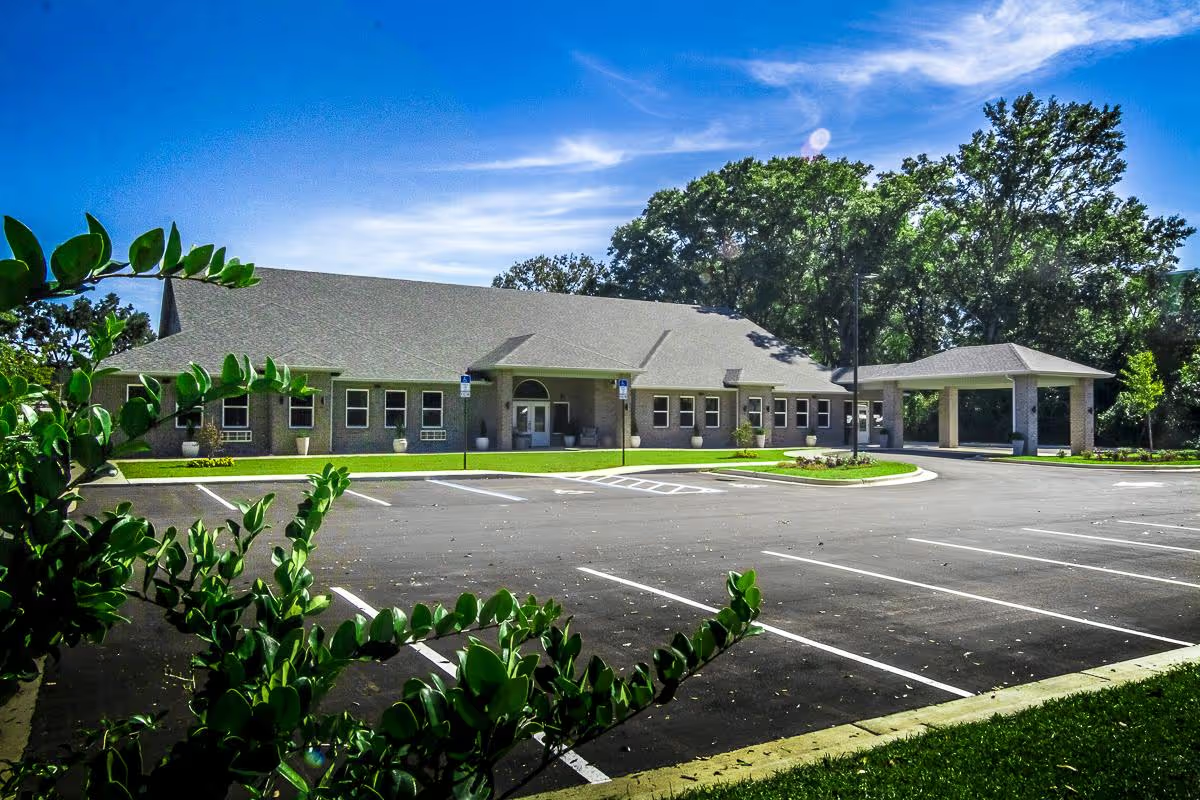
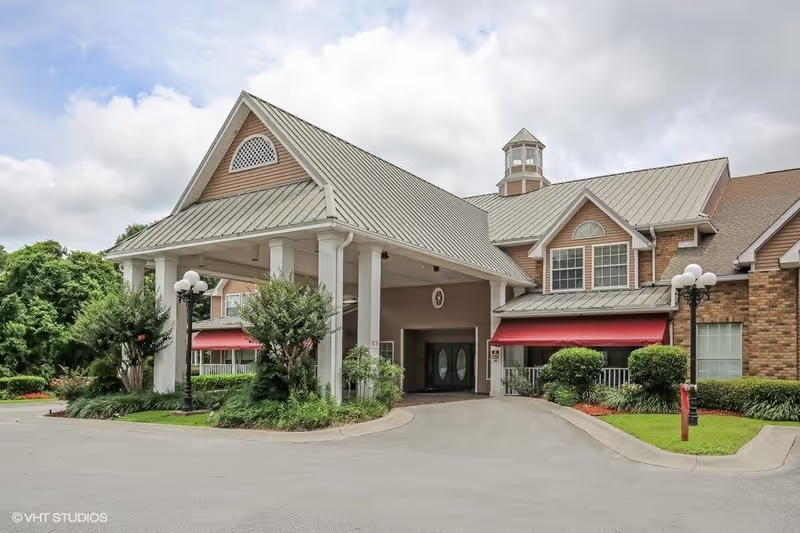
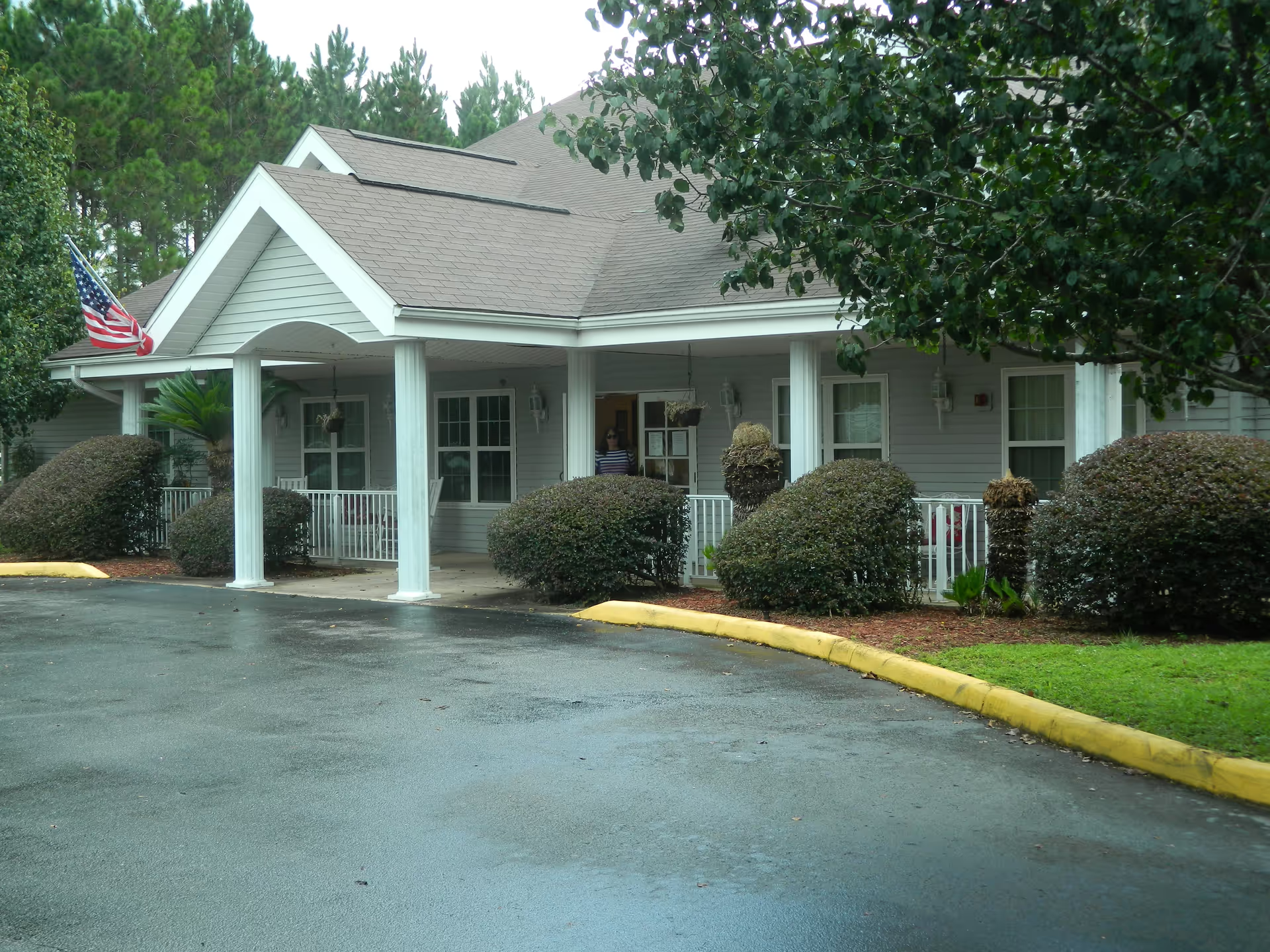
Reviews describe a facility with a mixed but distinct pattern of strengths and operational vulnerabilities. Strengths commonly cited include a cohort of caring nurses and CNAs, effective physical and occupational therapy services that produce measurable functional gains, and an active activities program featuring parties, musical entertainment, crafts, church services, and excursions. Families frequently mentioned helpful social-work support and administrative staff who assisted with paperwork and coordination, as well as personalized meal accommodations and available virtual-contact options such as FaceTime.
At the same time, multiple accounts point to persistent operational weaknesses. Staffing consistency is a recurring concern, with night shifts and weekend coverage noted as weaker than daytime staffing; this inconsistency is linked to delays in assistance, missed checks, and uneven caregiver responsiveness. Several reviews raise clinical oversight issues related to skin integrity and wound management, and there are multiple descriptions of medication-administration errors or monitoring lapses. Related concerns include delayed delivery of essential equipment and supplies, which can affect pressure-injury prevention and comfort.
Environmental and safety issues appear uneven. While many families describe clean, orderly common areas and attentive housekeeping, other accounts cite sanitation and incontinence-care concerns, pest-control worries, and aging room furnishings or maintenance problems (peeling surfaces, broken furniture). Security and property-protection deficits are also mentioned, including allegations of stolen personal items. There are additionally reports of unsafe transfer or mobility-assistance practices and inconsistent adherence to dietary texture/temperature needs for residents with chewing or swallowing limitations.
Communication and management responsiveness show variability. Some reviewers praise administrators who handled misunderstandings and paperwork promptly; others describe poor after-hours communication, delayed family notification during critical events, and frustration with discharge timing or transportation arrangements. Staff conduct and tone are described as inconsistent: many families report respectful, kind caregivers, while others recount brusque or confrontational interactions, particularly during shift changes or at night.
For prospective residents and families, the pattern suggests that quality can depend heavily on individual units, shifts, and specific staff assignments. When considering admissions, it may be helpful to ask about current staffing ratios by shift, skin-integrity and pressure-injury prevention protocols, medication-administration safeguards, property-security measures, pest-control policies, equipment-delivery timelines, and how the facility handles family notification during clinical changes. The facility offers substantive rehabilitation and programming strengths, but families should verify operational controls and communication practices that most directly affect safety and day-to-day care.