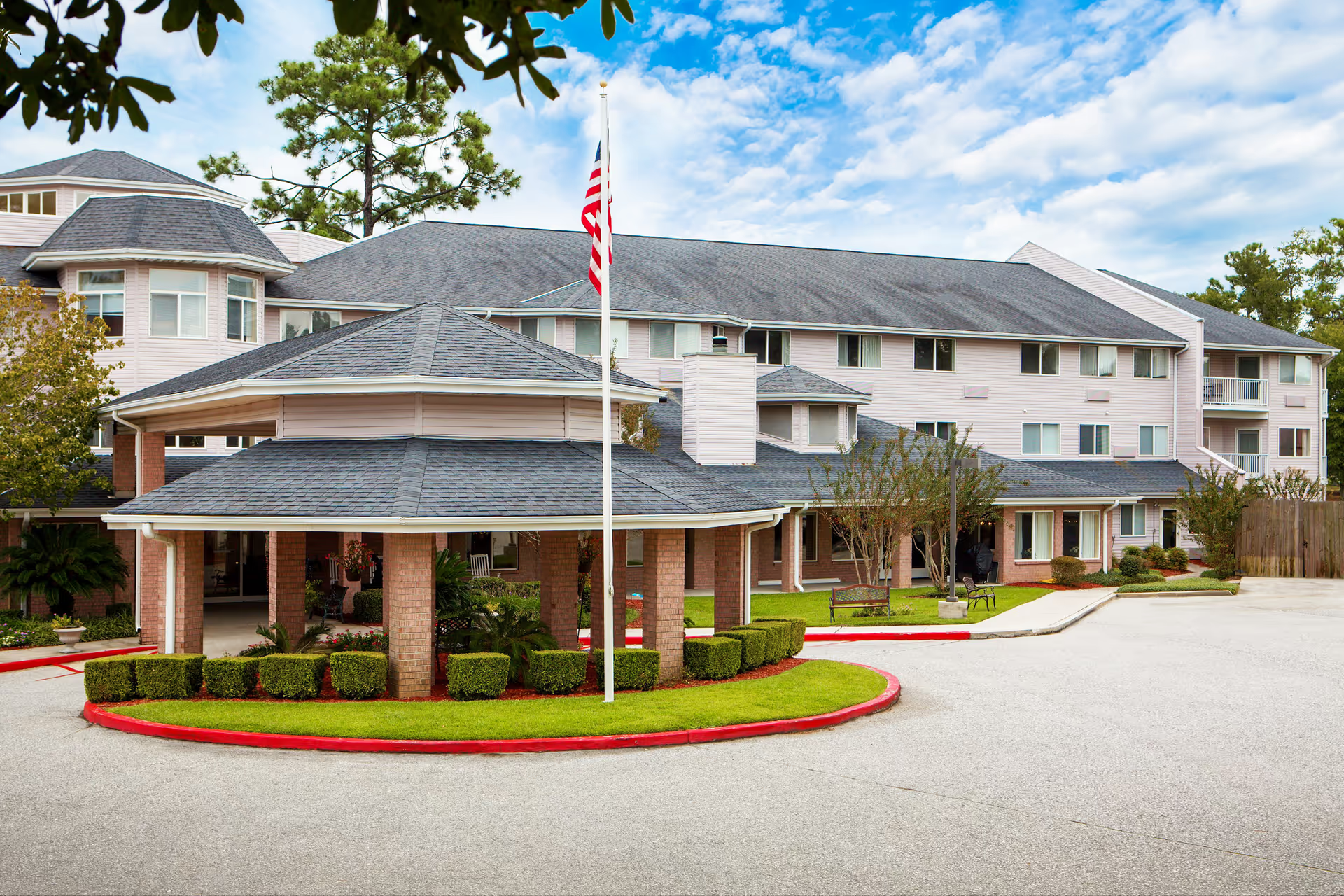
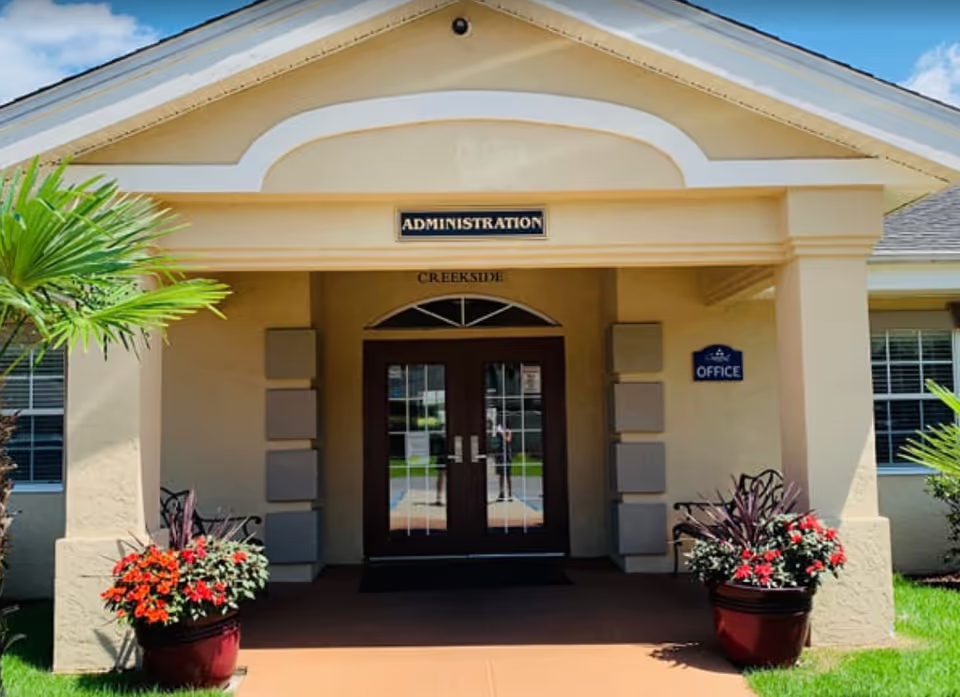
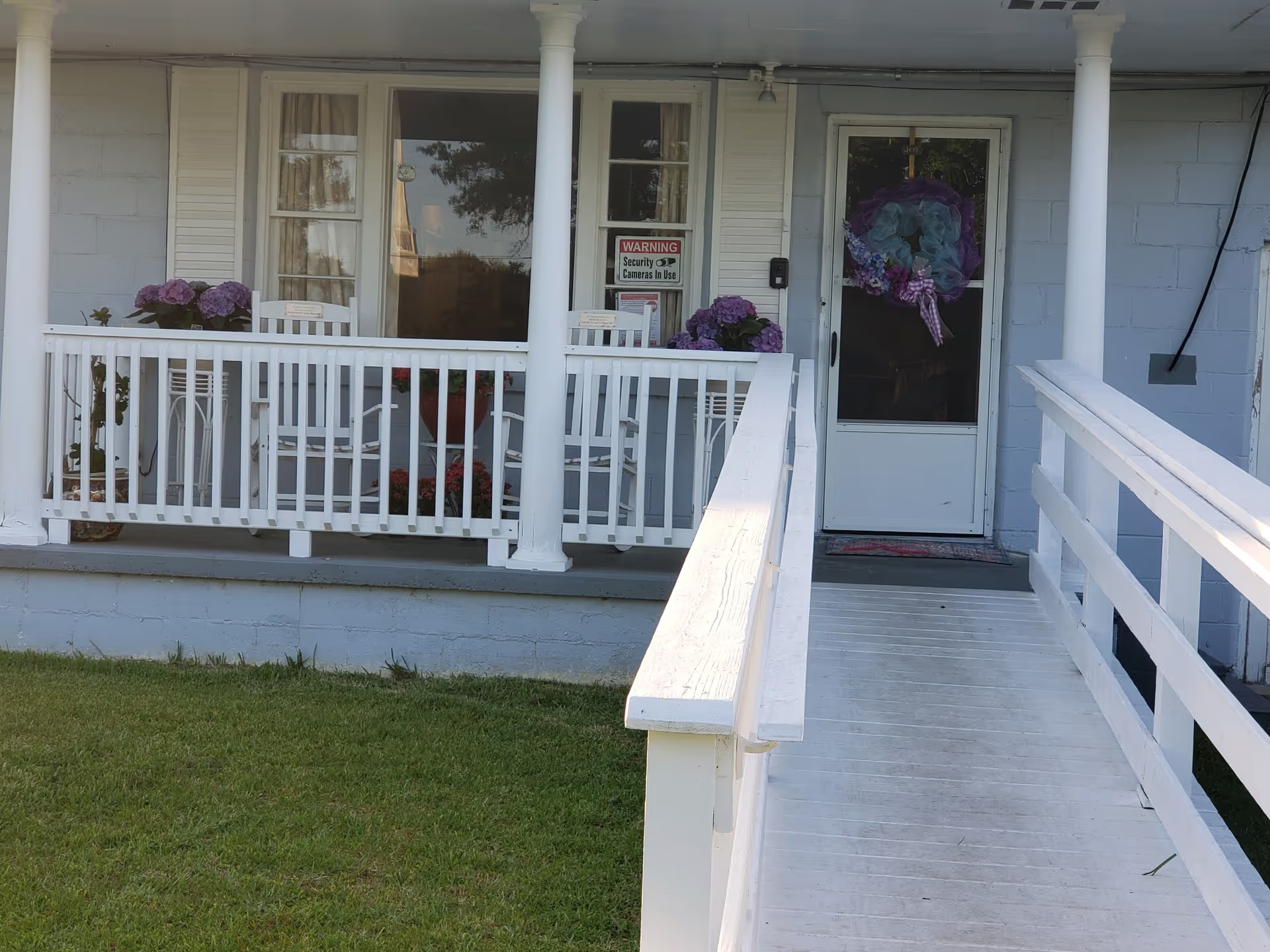
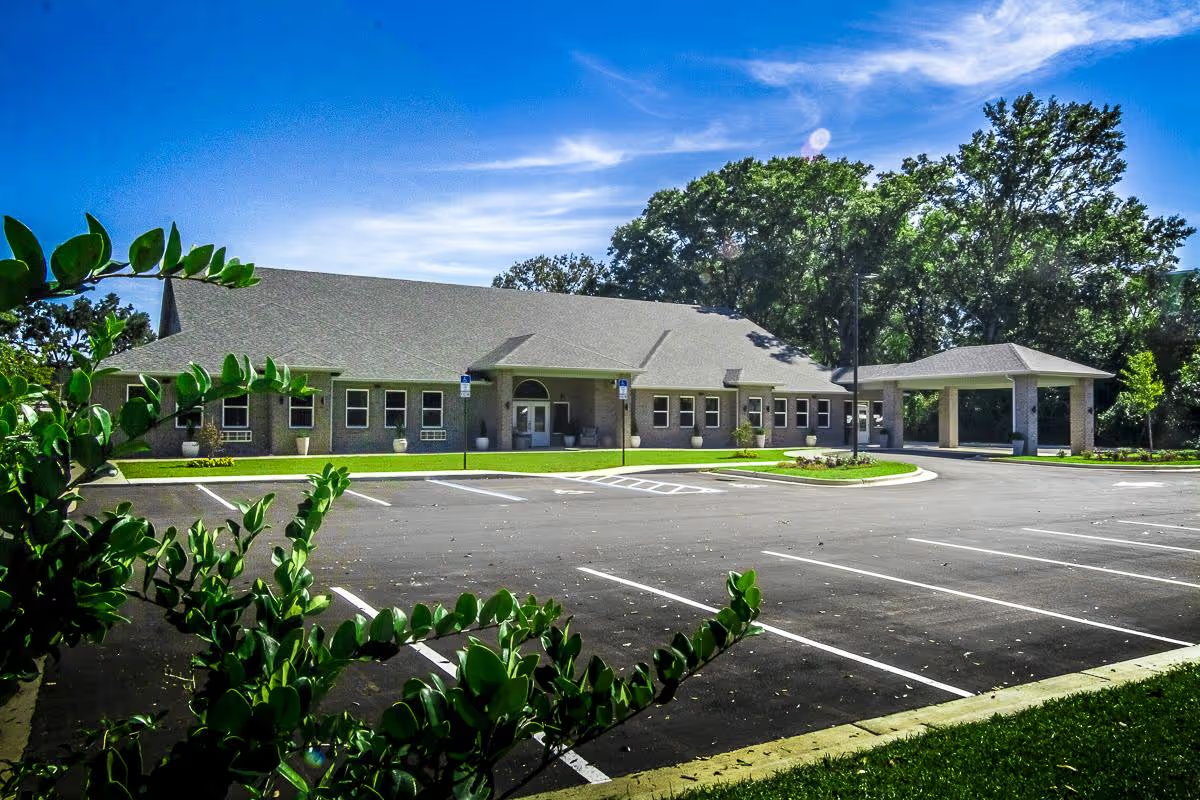
Bayside Health and Rehabilitation Center presents a mixed picture. Its rehabilitative services are consistently cited as a strength: an experienced physical and occupational therapy department, efficient short-term rehabilitation transitions, and staff who can help residents regain function. Many families praised individualized dietary accommodations, varied meal offerings, and an active kitchen team. The activities program is also a notable asset, with daily offerings, excursions, live music, group events, and pet therapy that contribute to resident engagement and a community atmosphere.
Care quality descriptions are variable. Several families described compassionate, attentive nursing and clinical staff who supported residents through transitions and end-of-life needs. At the same time, others described operational gaps that affected daily care—particularly inconsistent performance among direct-care staff (CNA-level), delayed responses to call lights, and concerns about medication follow-through and clinical orders. Some reviews flagged advanced wound/pressure-injury management and timeliness of clinical interventions as areas requiring verification during a tour.
Staffing and communication patterns are uneven. Positive accounts emphasize staff who go above and beyond, clear discharge planning, and front-line personnel who are accessible and helpful. Contrasting accounts describe high CNA turnover, periods of short staffing, and problematic communication with families—missed callbacks, cancelled or unheld care meetings, and strained tone during interactions. These patterns suggest that staffing stability and family-facing communication practices are important questions for prospective families to address directly with administrators.
Dining and activities earn generally favorable comments but with inconsistency. Multiple reviews highlight appealing food variety and accommodating menus, while other accounts describe variable meal quality and service problems tied to staffing or unit-level differences. The activities department is a clear strength where present, delivering frequent, well-attended programs and off-site trips; however, a few reports indicate that activity offerings can be uneven depending on unit assignment or staffing on a given day.
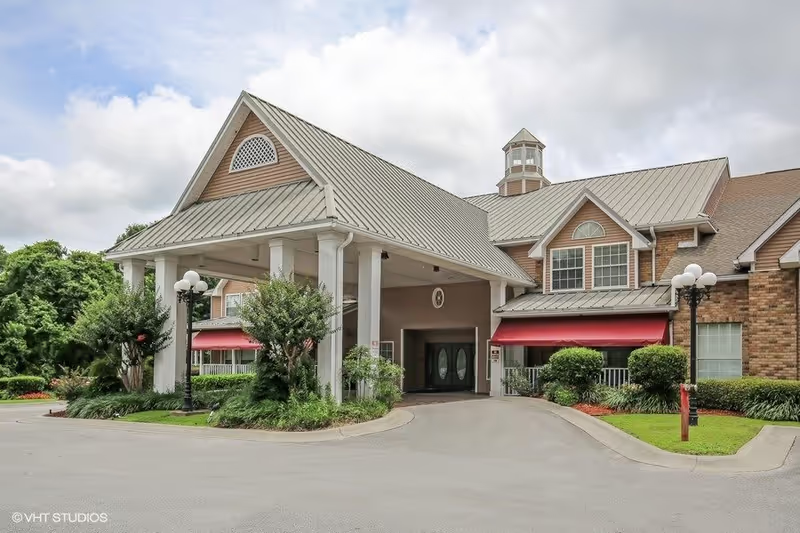
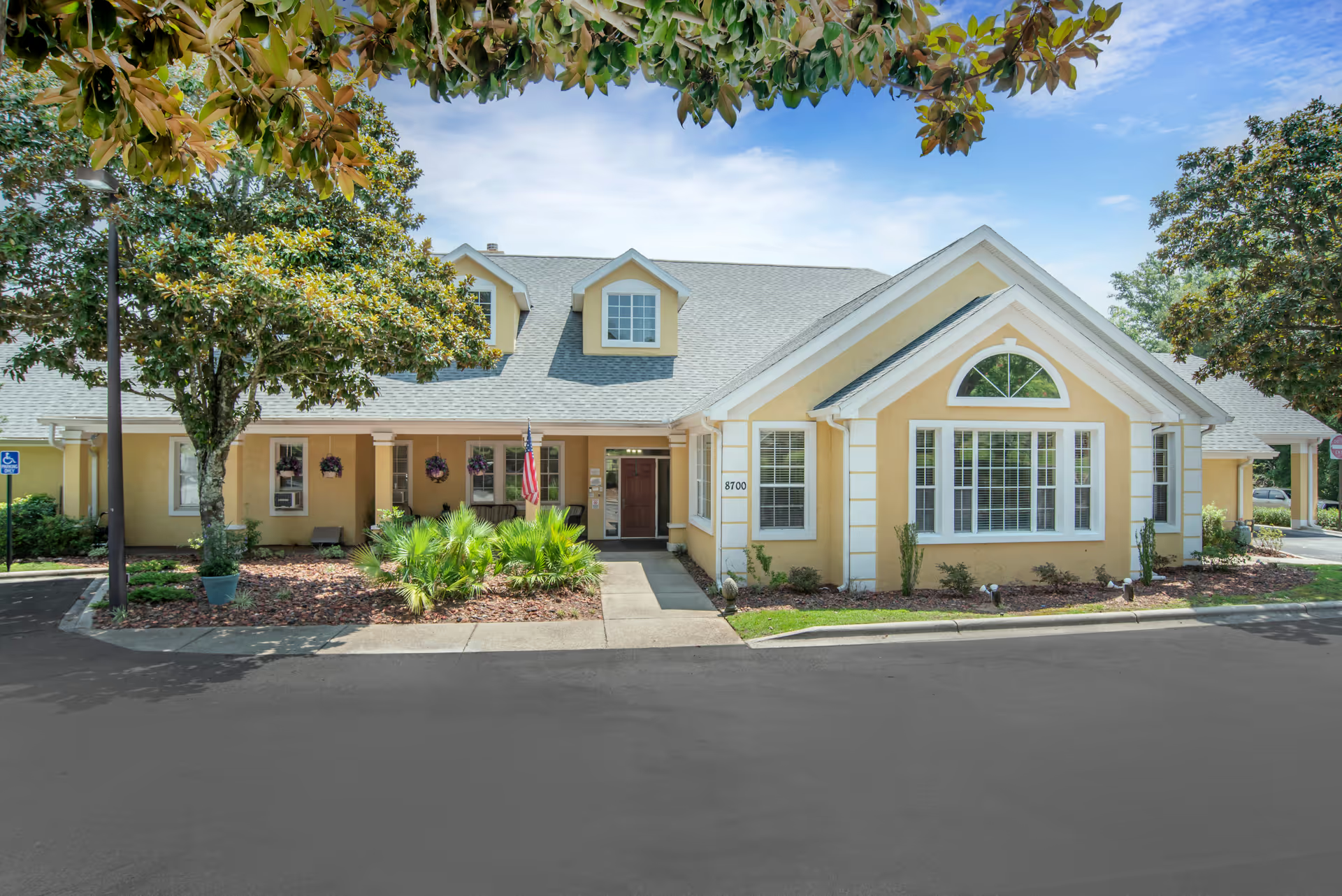
Facility condition and maintenance are a recurrent concern. The campus is described as older and in need of upgrades in some areas: aging clinical equipment, intermittent HVAC failures, ceiling and leak issues, and malfunctioning in-room systems such as call buttons, phones, and televisions. Several reviews noted pest-control concerns and cleanliness or sanitation issues in resident rooms and shared bathrooms. Conversely, other reviewers praised clean, sunlit common areas and an effective maintenance team—indicating variability between units and shifts.
Management and administrative responsiveness show mixed signals. Some families experienced engaged, compassionate administrators who facilitated care and supported families; others described difficulty getting timely responses, dissatisfaction with meeting follow-through, billing or refund delays, and serious allegations regarding review manipulation and legal concerns. Prospective families should request documentation about staffing ratios, infection-control procedures, complaint resolution protocols, and any active regulatory actions.
Notable patterns: there is a consistent contrast between strong rehabilitation/therapy and activity programming on one hand, and operational vulnerabilities on the other—especially around maintenance/infrastructure, sanitation in certain areas, staffing stability, and timely bedside responsiveness. Practical next steps for families considering Bayside include touring multiple units at different times of day to observe staffing levels and cleanliness, testing call-button and phone systems in a prospective room, asking for recent infection-control and pest-control records, reviewing staffing turnover rates and orientation/competency processes for CNAs, and confirming how the facility documents and communicates medication and wound-care plans. These checks will help clarify whether the facility’s strengths align with a prospective resident’s needs and safety expectations.