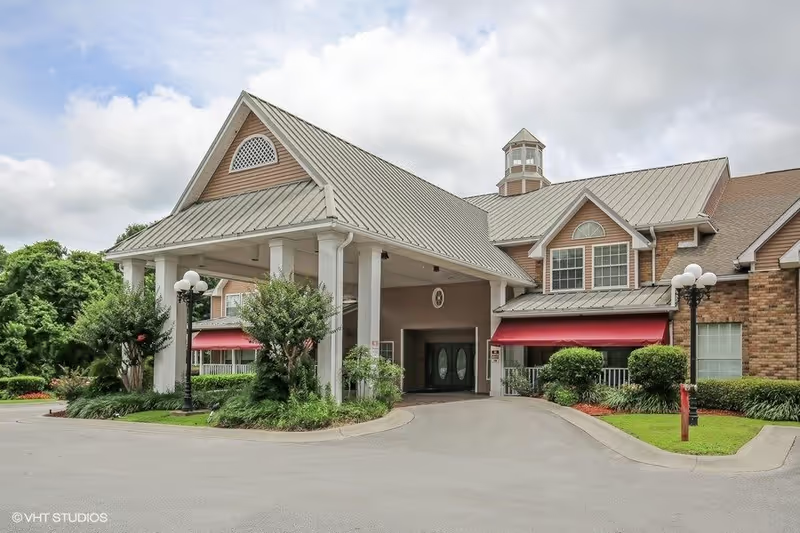
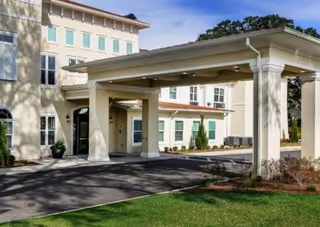
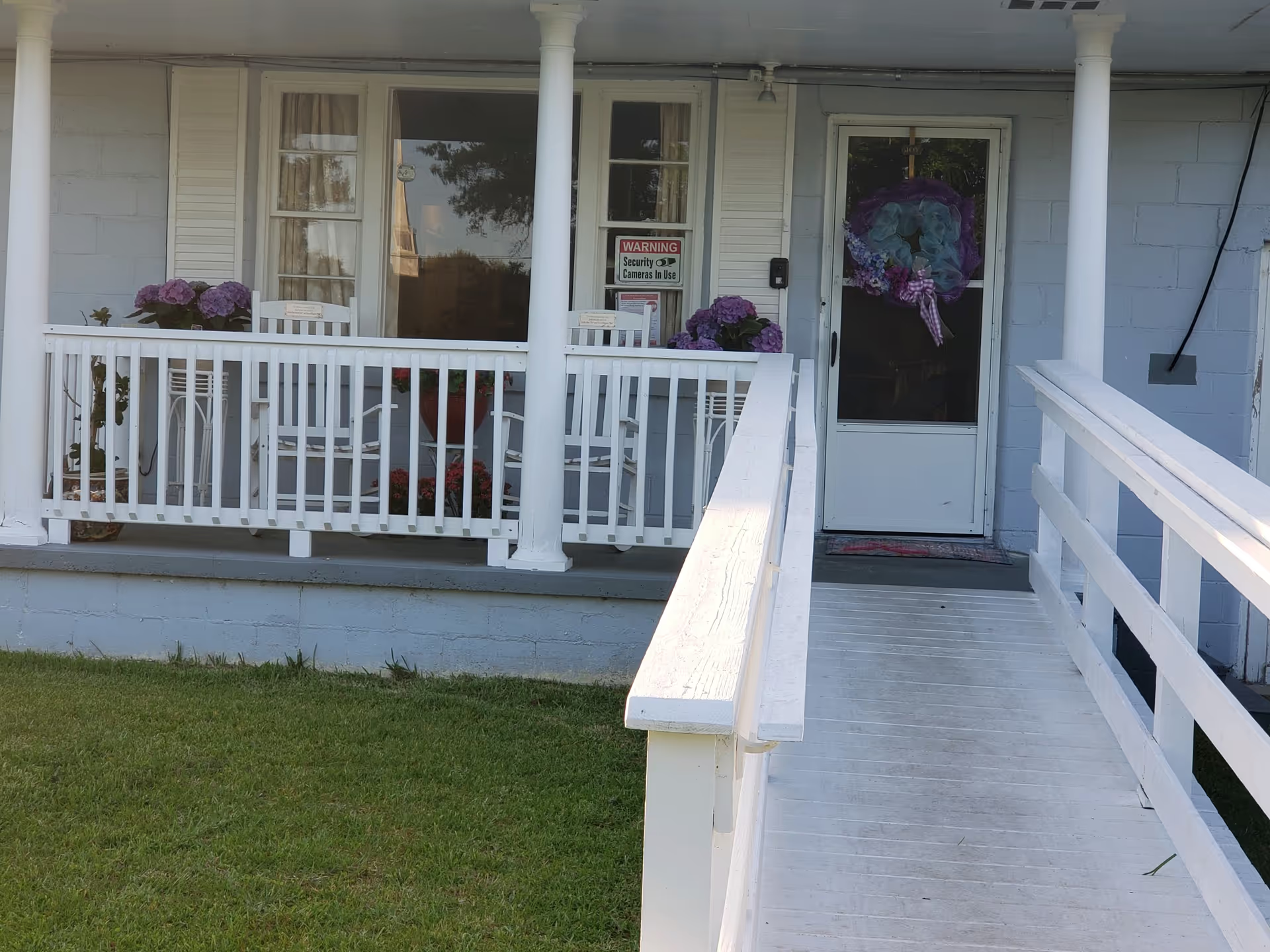
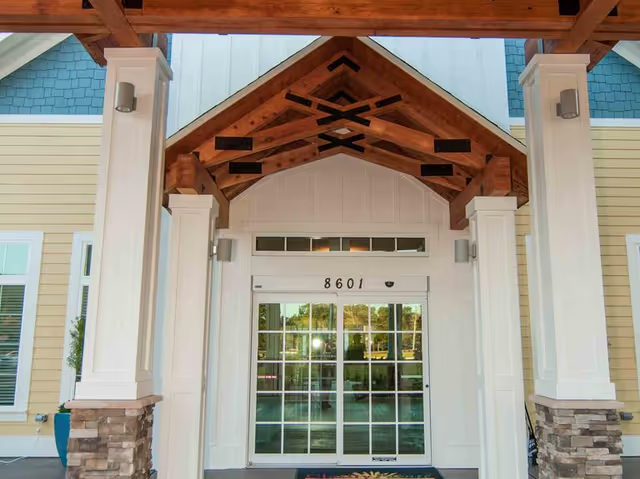
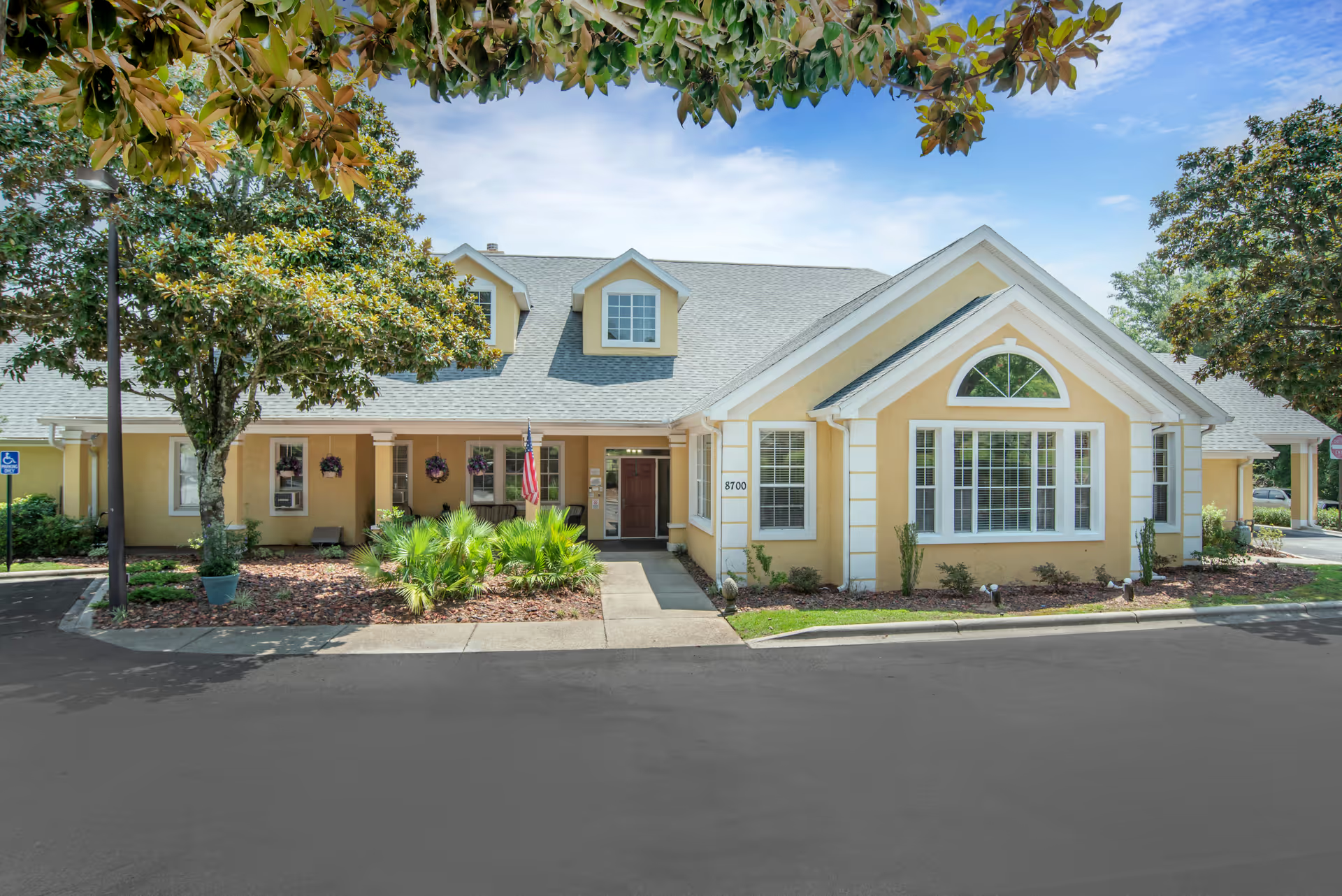
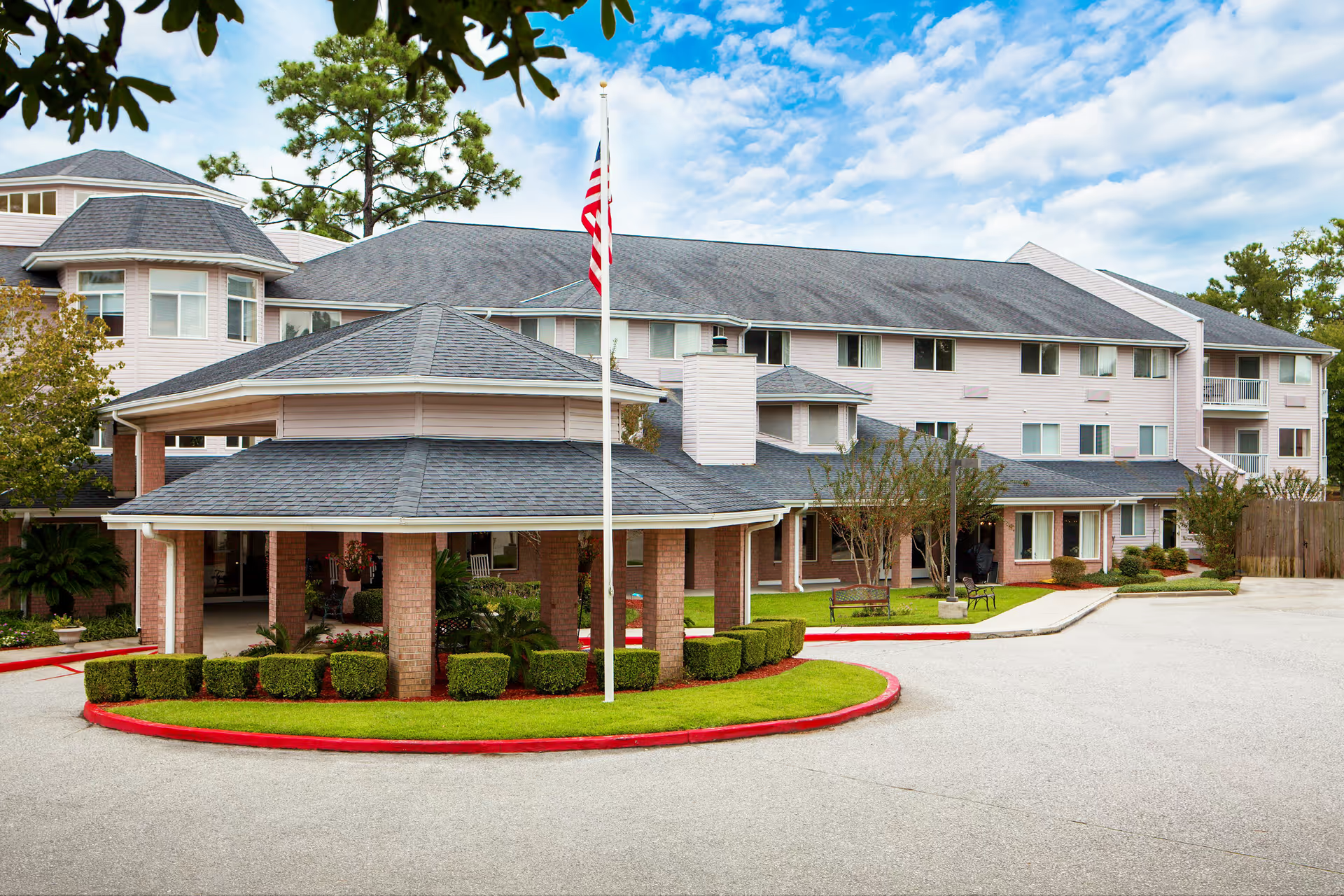
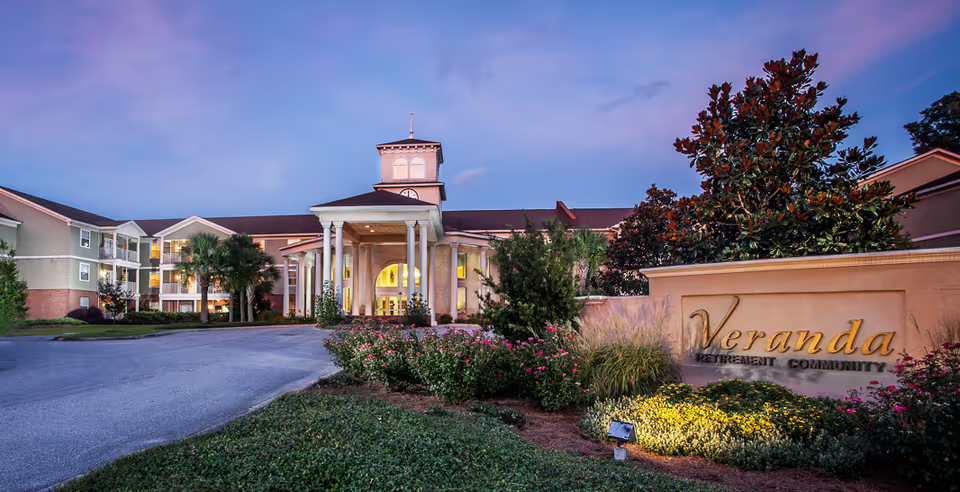
Havens at Pensacola receives broadly mixed feedback characterized by strong hands-on care in some areas and notable operational weaknesses in others. Positive accounts frequently highlight compassionate, attentive nurses and CNAs, an effective rehabilitation program (PT/OT) that produces measurable mobility gains, and clean, well-maintained common areas. The facility provides multiple levels of care—skilled nursing, short-term rehab, assisted living and memory care—which many families find convenient. Admissions and post-discharge follow-up are often described as supportive, and the activities program and social opportunities are cited as meaningful for resident engagement.
Care quality appears to vary by unit and shift. Day-shift clinical and therapy teams are often praised for responsiveness and therapeutic outcomes; therapists are credited with clear goal-setting and functional improvements. Conversely, reviewers identify consistent staffing shortfalls—particularly overnight and on weekends—that correlate with delays in attending to resident needs, extended response times to call lights, and uneven supervision for higher-risk residents. Several reviewers described concerns with incontinence care, bathing schedules, and assistance with toileting and mobilization; these were framed as operational delays rather than isolated incidents in many accounts.
Dining and amenities receive mixed comments. Many families find the meals homestyle and nutritious, and special events (for example, holiday buffets) are noted positively. At the same time, reviewers report variability in meal temperature, menu consistency, and timely delivery to rooms. Activities and social programming are generally viewed as strengths, with staff taking individualized approaches to resident interests when possible. Room size constraints and limited private-room availability are practical limitations cited by prospective residents and families.
Facility condition and infection-control themes are mixed. Multiple reviewers praise overall cleanliness and the facility’s pleasant ambiance, while others raise sanitation and odor concerns in particular units, and a few describe maintenance issues (sticky carpeting, isolated pest-control concerns). Memory-care areas are singled out in some comments for being darker or less welcoming than other wings.
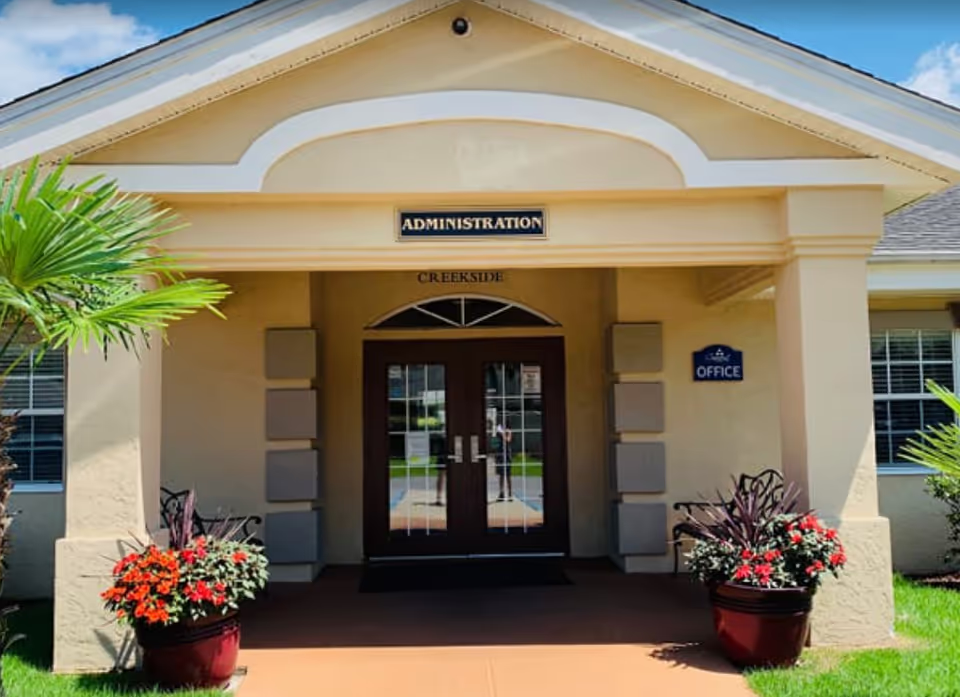
Management and communication emerge as recurring themes. Families describe variability in shift-to-shift communication, cancelled or uncommunicated meetings, and perceived weaknesses in leadership oversight. Several accounts describe delayed or incomplete clinical documentation and gaps in care coordination that led to hospital transfers or other adverse outcomes; a minority of reviewers described serious clinical events and hospital transfers, and such allegations underscore concerns about clinical-incident response and family communication. Staff professionalism is generally praised in many reports, but variability exists: some reviewers note unprofessional conduct or poor bedside manner from individual employees.
Overall, Havens at Pensacola appears to offer strong rehabilitation services and many dedicated caregivers, but prospective residents and families should weigh those strengths against documented operational issues—primarily inconsistent staffing, communication and management gaps, and localized cleanliness or maintenance concerns. Visiting multiple units at different times of day, asking about staffing ratios for nights and weekends, confirming private-room availability, and reviewing recent quality and incident records with administration are recommended steps for families considering this facility.