Reviews of Homestead Village of Pensacola present a mixed picture: many families and residents describe a warm, home-like environment with caring staff, active social programming, and comfortable living spaces, while others report operational and management shortcomings that affected their confidence in long-term care.
Care and staff: Numerous accounts emphasize compassionate caregivers, attentive nurses and physical-therapy staff, hospice support, and staff who create a friendly, familial atmosphere. These strengths are linked to resident wellbeing in several accounts (improved appetite, weight gain, medication management success). However, other reviews describe inconsistent clinical oversight, staffing instability, and gaps in after-hours supervision. Concerns include variable medication knowledge, delays in responding to clinical issues, failures in fall-reporting processes, and instances where families felt emergency response systems were unreliable. Prospective families should confirm current staffing levels, clinical coverage hours, and emergency protocols.
Dining and activities: The facility offers an active activities calendar with outings, bingo, fitness and social events; many residents appear engaged and socially connected. Dining experiences are divergent: some reviewers praise monitored meals and improved appetite, while others cite declining food quality and informal presentation. The pattern suggests dining consistency varies by unit and timeframe; ask about current dining menus, meal presentation standards, and nutrition monitoring during a visit.
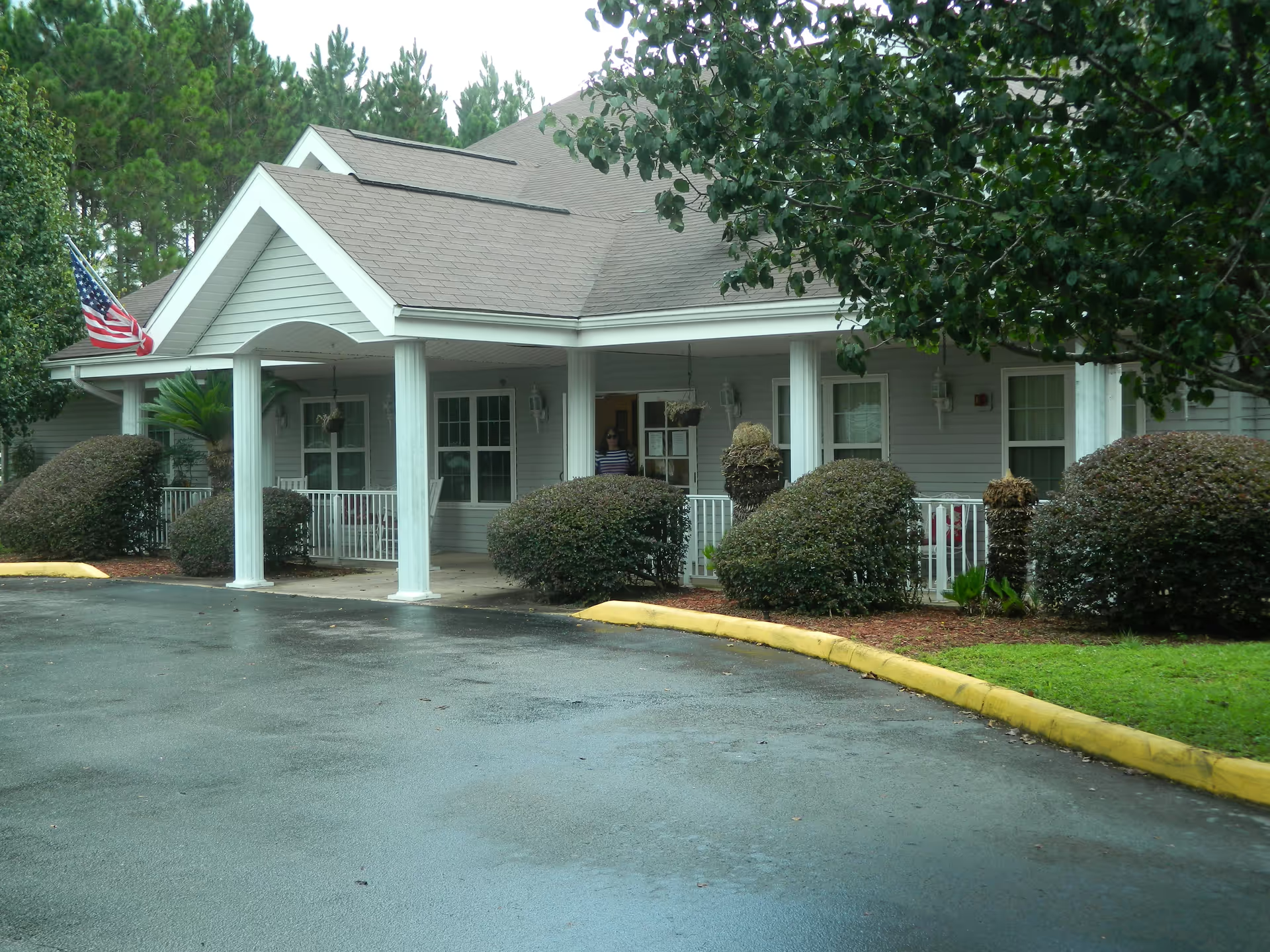
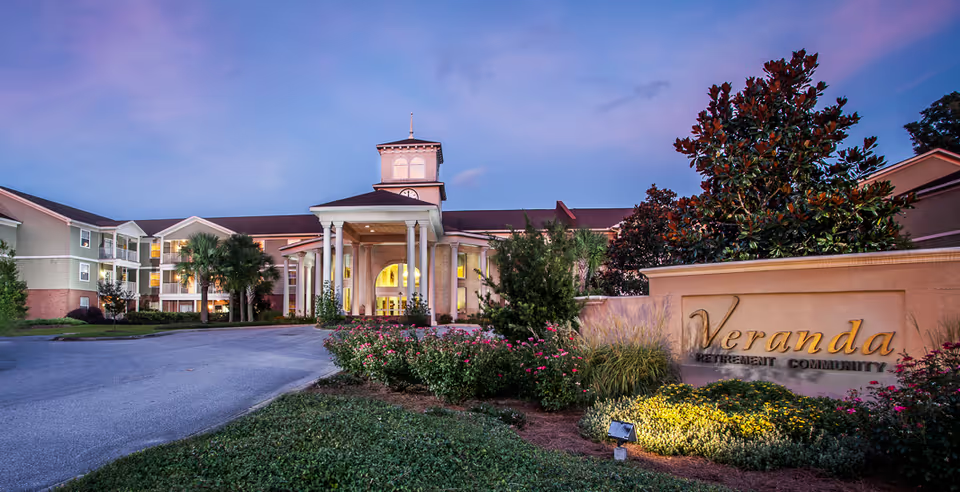
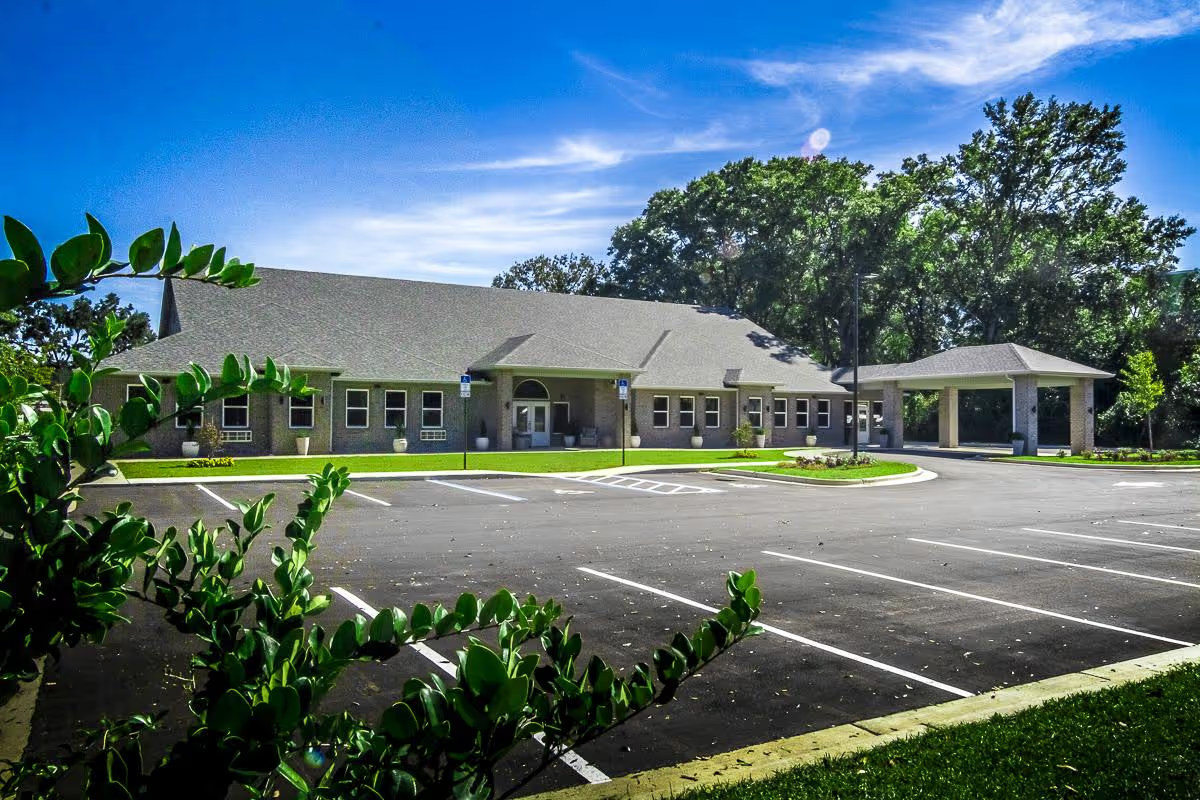
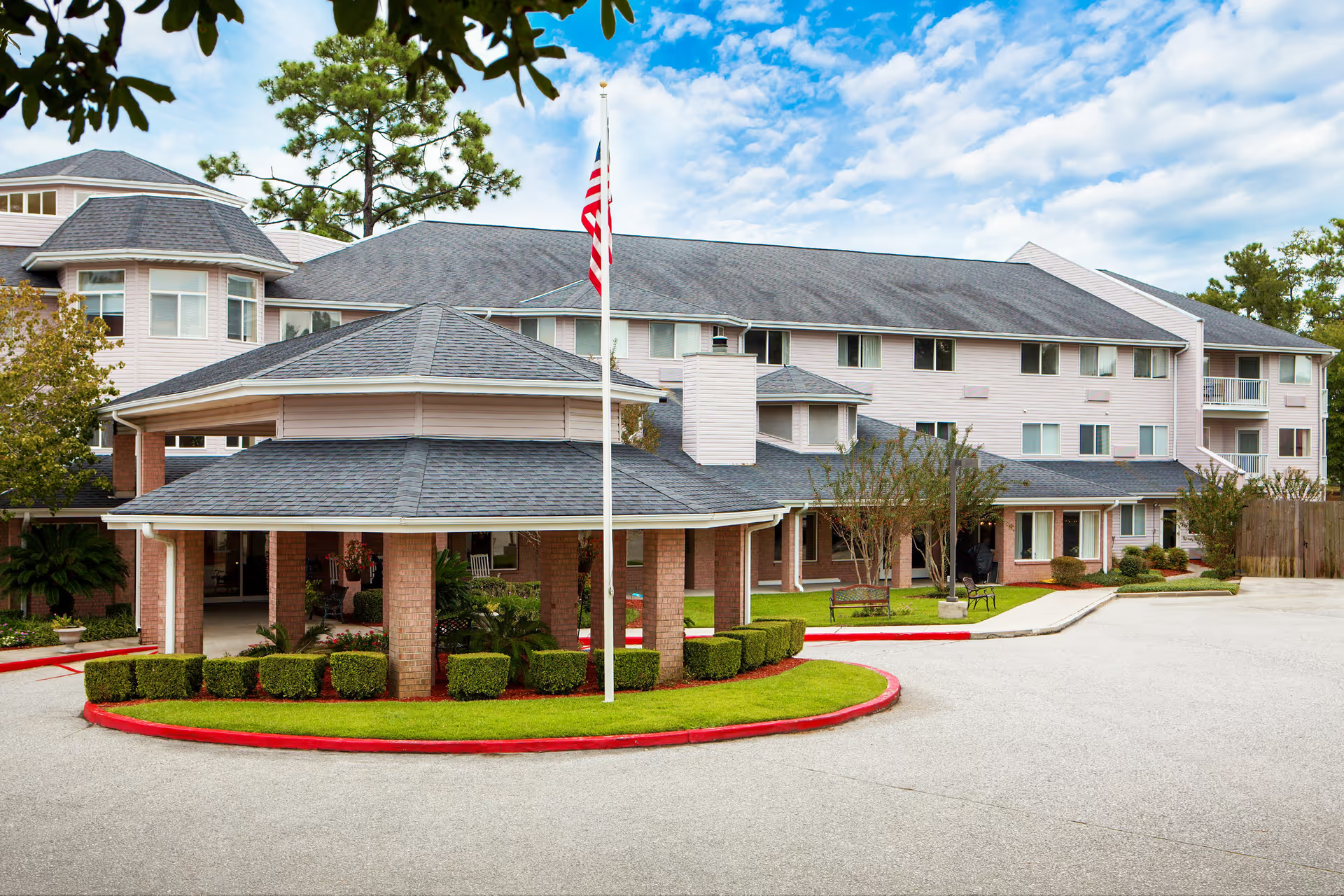
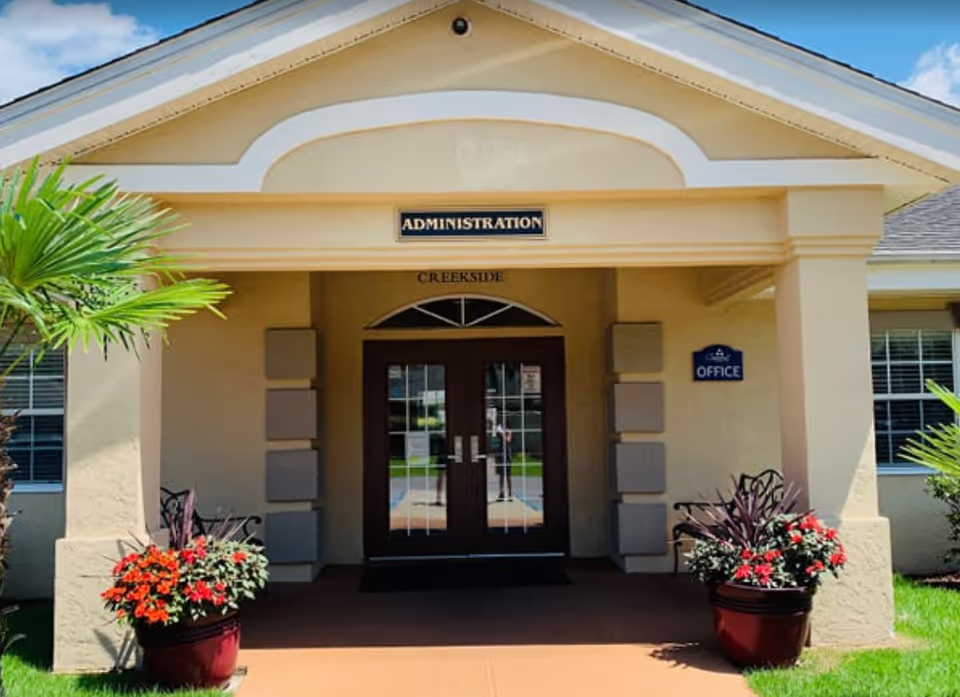
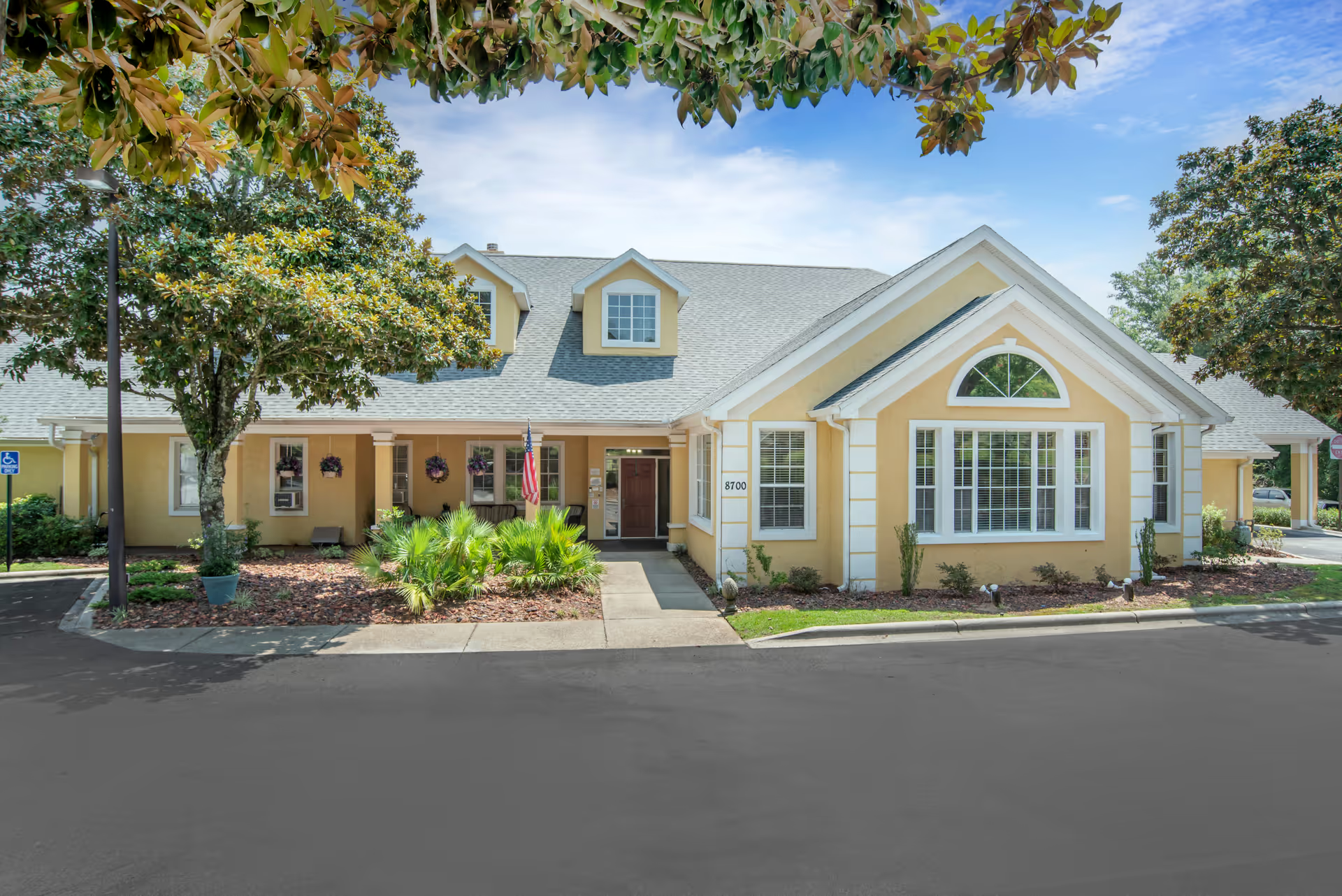
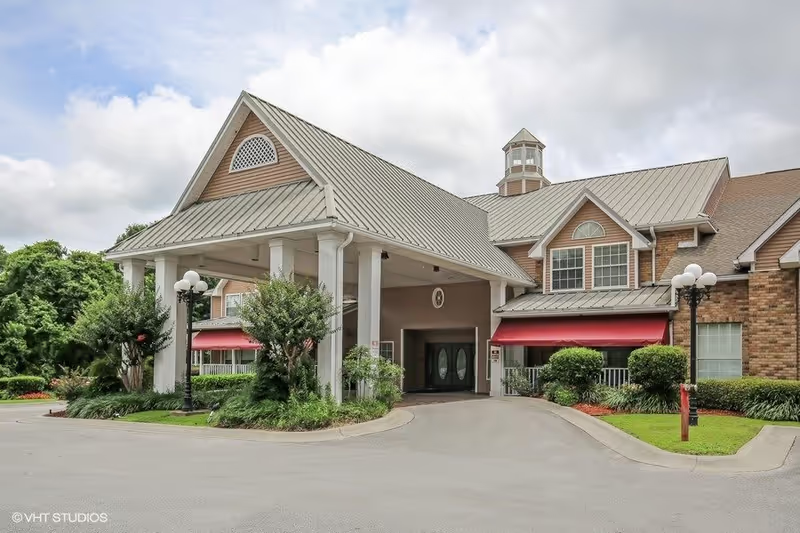
Facilities and maintenance: Positive comments highlight cottage-style living, spacious rooms, kitchenettes, and attractive exterior grounds. At the same time, several reviews flag maintenance and sanitation concerns such as broken equipment, mold or rust in some areas, unreliable laundry machines, pest-control concerns, and intermittent internet or infrastructure outages. Physical-condition reports appear inconsistent across buildings, suggesting that condition may depend on building/wing and recent maintenance investments.
Management and operations: Opinions about leadership are polarized. Some reviewers describe approachable leadership, collaborative staff culture, and well-managed operations; others raise significant administrative concerns including poor communication, resistance to providing information, contested billing and deposit practices, and aggressive collection actions. There are also isolated allegations regarding personal-property security. These items point to variability in administrative responsiveness and financial-policy clarity — important topics to clarify in written agreements and during tours.
Notable patterns and guidance: The dominant pattern is variability — strong, compassionate care and robust programs exist alongside recurring operational weaknesses. Several reviewers noted that perceived quality changed after ownership or management shifts. For prospective residents and families, useful due-diligence steps include touring specific buildings, reviewing current staffing ratios and after-hours clinical coverage, testing emergency-call systems, asking about recent maintenance and pest-control logs, requesting written billing and refund policies, and speaking with current residents and family members about recent trends. These steps can help determine whether the aspects most important to your family align with current practice at this community.