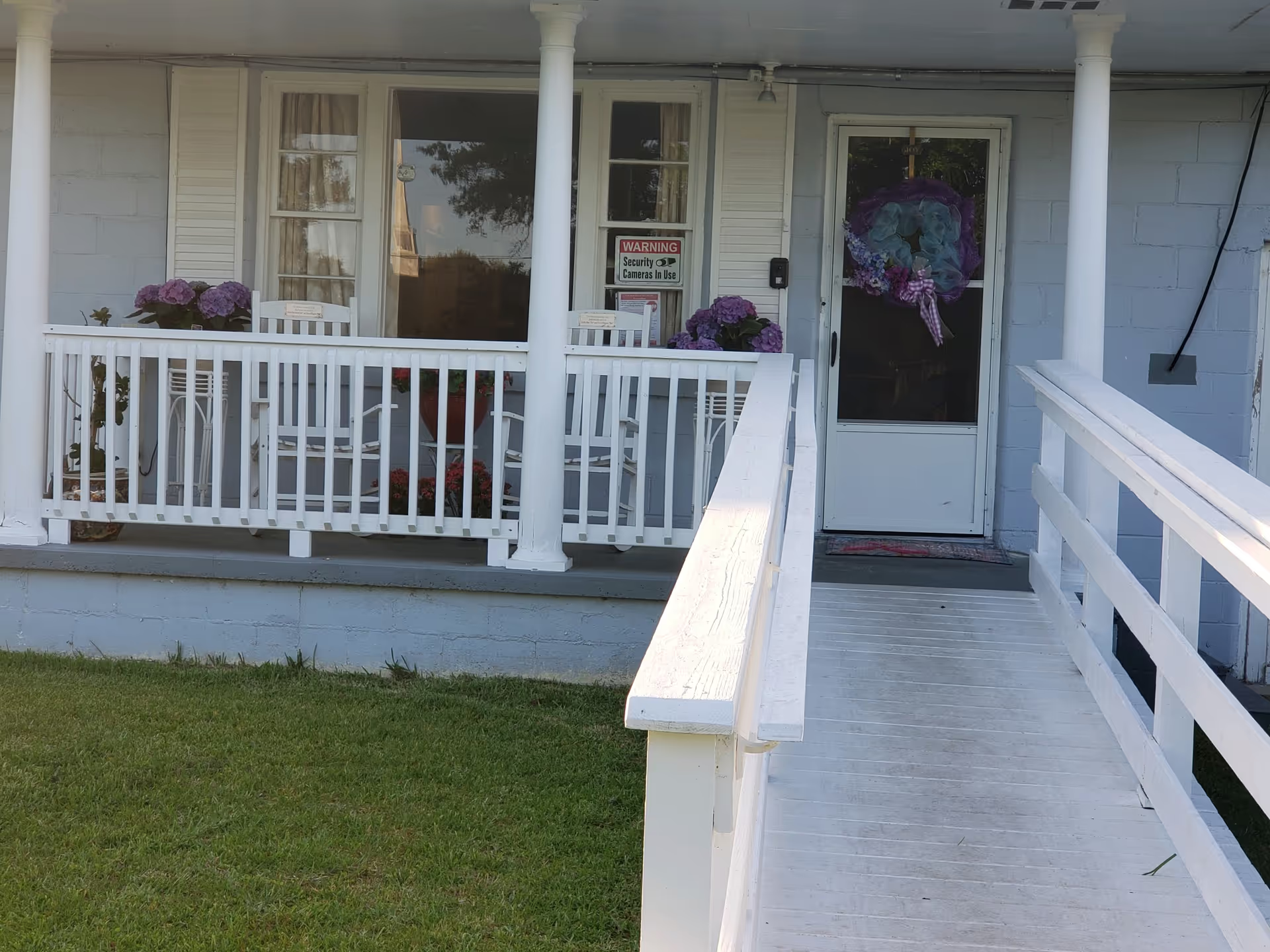
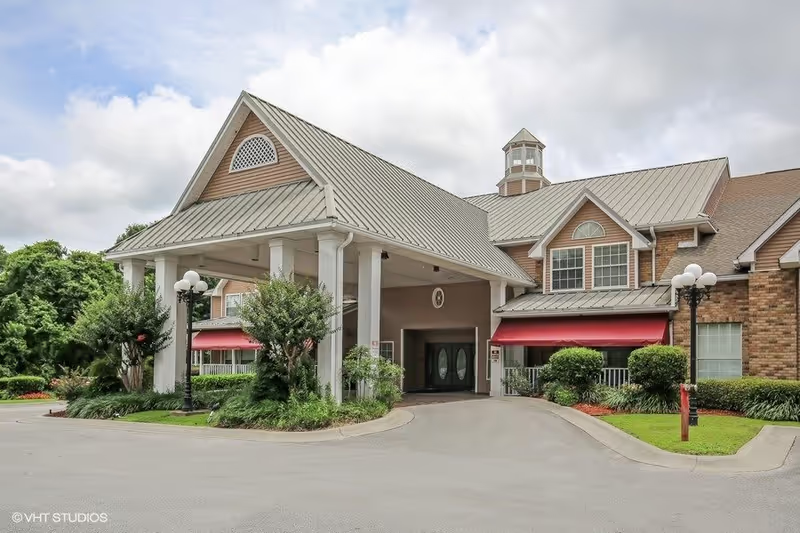
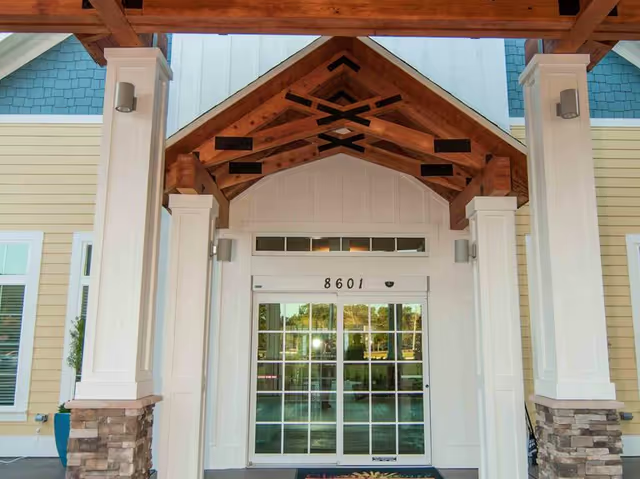
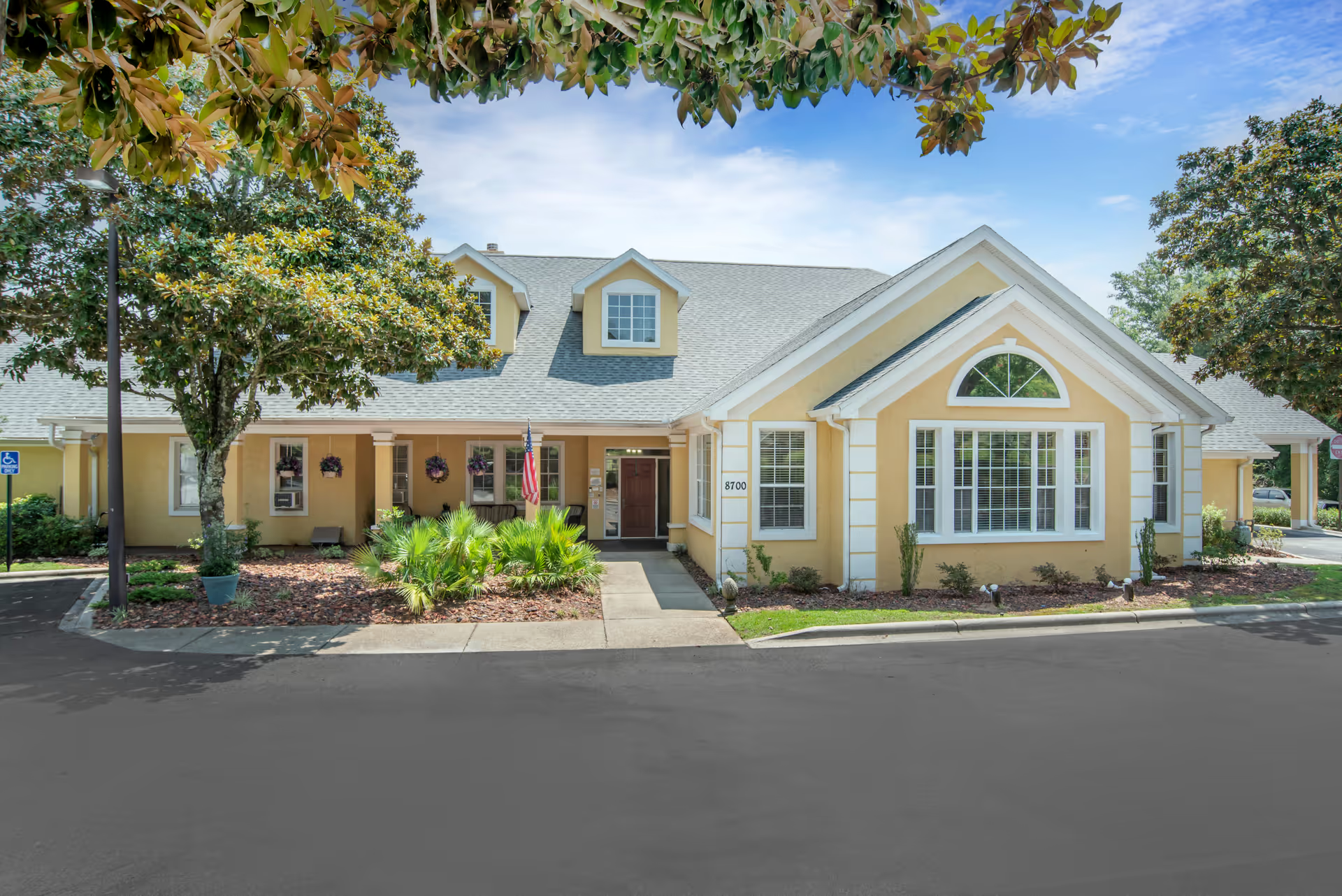
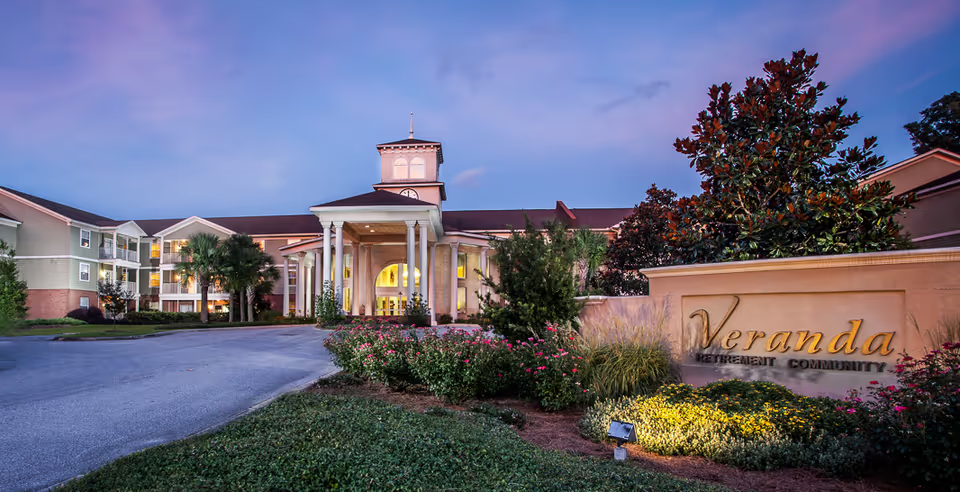
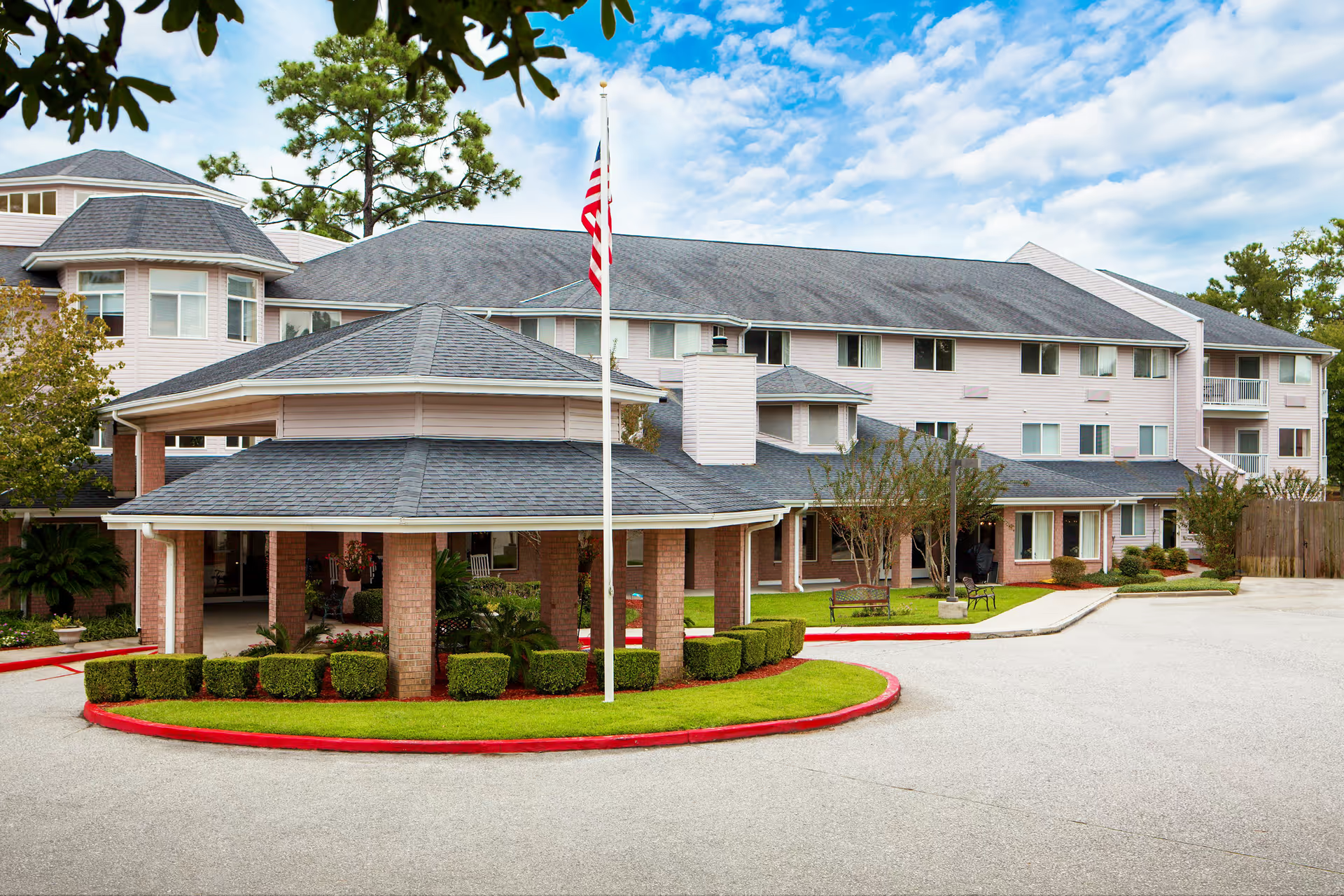
Wesley Haven Villa is described across reviews as a community with many strengths: a home-like atmosphere, spacious apartment-style rooms, organized common areas (library, living room with piano, interior courtyard), and a range of on-site clinical services including a medical unit, resident nurse, visiting physician, and physical therapy. The facility’s nonprofit status, transparent pricing structure, and an assistance fund are noted as advantages for families weighing cost. Its downtown-adjacent location, shuttle service, covered pickup/drop-off and ample parking add convenience for visitors and residents.
Care and staffing receive mixed but frequently positive commentary. Numerous accounts emphasize compassionate, attentive caregivers, individual advocacy on behalf of residents, and staff who prioritize safety and well-being. That said, there is a recurring pattern of inconsistent staffing and turnover; several accounts link changes in leadership to perceived declines in care consistency. Reviewers also describe variability in staff professionalism and communication—while many families praise specific employees and managers for strong advocacy, others report difficulties obtaining timely responses and clear information.
Dining and activities are repeatedly highlighted as strengths. Meals are characterized as well-cooked, nutritious, and adaptable to dietary needs. The community offers a broad activity calendar—social parties, music and seasonal programming, visiting entertainers, shopping trips and church services—which contributes to an engaged, social environment for long-term residents. Families note that programming and events are well planned and help maintain a lively atmosphere.
Facility maintenance and ambience are generally seen as positive: clean, organized common spaces, tasteful seasonal decor, and roomy, well-appointed units. However, a number of reviewers raise sanitation-related concerns in some common areas, including occasional odor issues and delays in basic incontinence-related care, suggesting areas for operational improvement in hygiene routines and response times.
Management and operational patterns are mixed. Some descriptions portray proactive, caring administrators who set high standards; others cite leadership turnover, firings, and communication problems that have coincided with perceived declines in service. Additional operational concerns include inconsistent responsiveness to family complaints and questions, and questions about billing clarity and charge adjustments. There are also isolated accounts of resident-to-resident friction that suggest a need for stronger behavior-management practices in communal settings.
Overall, Wesley Haven Villa appears to offer many of the amenities and clinical supports families seek—strong communal programming, nourishing meals, on-site clinical services, and a generally pleasant environment—while also exhibiting operational variability tied to staffing, leadership changes, and communication or sanitation practices. Prospective residents and families would benefit from a focused tour and direct conversations about staffing continuity, response times for personal-care needs, billing practices, and how resident conflicts are managed to assess fit and current operational stability.